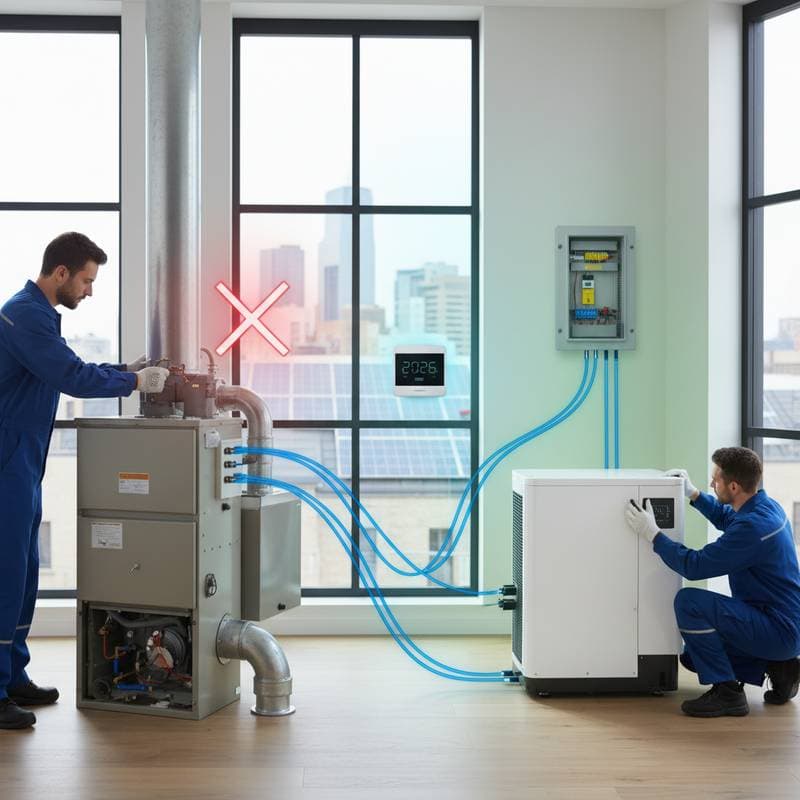
15 States Phase Out Gas Furnaces: Prepare for the Heat Pump Transition
Homeowners across the United States face a significant change as fifteen states implement policies to phase out gas furnaces in favor of electric heat pumps. These regulations target new installations and replacements, promoting a shift toward electrification that reduces reliance on fossil fuels. This guide explains the implications, reasons behind the move, and practical steps to prepare your home for efficient, sustainable heating.
Understanding the Gas Furnace Phase-Out
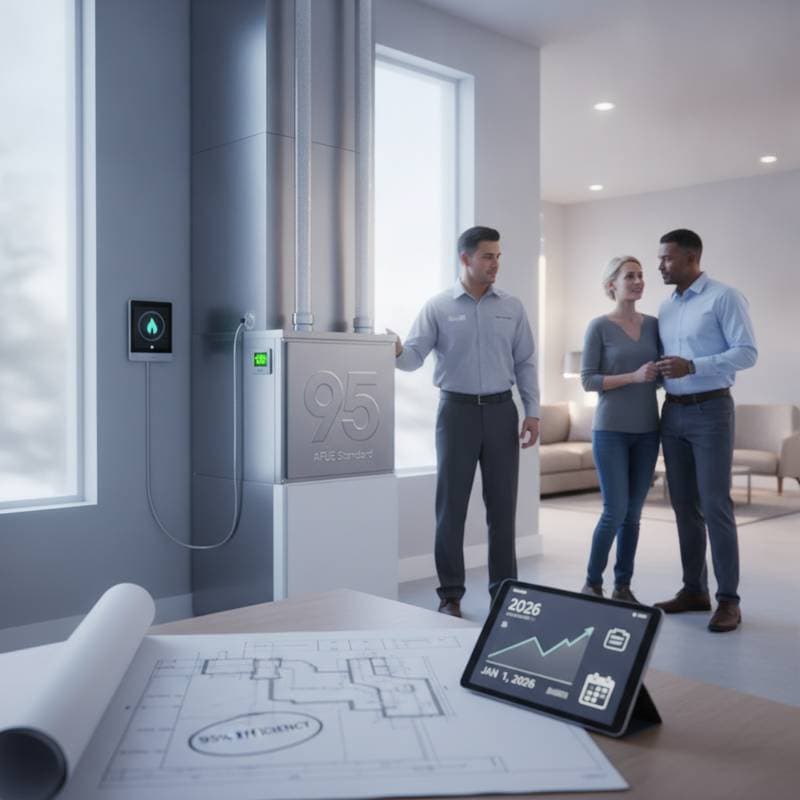
The phase-out of gas furnaces forms part of comprehensive strategies to lower greenhouse gas emissions and enhance energy efficiency. State policies prohibit the installation of new gas furnaces in residential buildings, encouraging the adoption of electric heat pumps instead. Existing gas furnaces remain operational as long as they function safely; the restrictions apply primarily to new construction projects and system replacements at the end of a unit's lifespan.
This transition extends beyond heating equipment. It supports broader electrification goals, where homes transition to electricity for heating, cooling, cooking, and water heating, thereby decreasing dependence on natural gas and other fossil fuels.
The 15 States Implementing These Policies
Several states lead this environmental initiative through updated building codes and incentives. The following fifteen states currently phase out gas furnaces in new residential construction:
- California
- New York
- Massachusetts
- Colorado
- Washington
- Oregon
- Vermont
- Minnesota
- Illinois
- New Jersey
- Maryland
- Rhode Island
- Hawaii
- Maine
- New Mexico
These policies vary in timeline and scope, often starting with incentives before full mandates. Residents in these areas should consult local regulations for specific compliance dates.
Reasons for the Shift to Electrification
Electrification initiatives aim to decrease carbon emissions from households, which contribute substantially to overall pollution. Heat pumps operate by transferring heat from outside air or ground sources into homes, using electricity rather than combustion. This process achieves efficiencies up to four times that of gas furnaces, as measured by the coefficient of performance.
Although initial installation costs exceed those of traditional systems, rebates from federal programs like the Inflation Reduction Act and state utilities offset expenses. Over time, lower operating costs and reduced maintenance needs yield savings. Advanced heat pump models now perform reliably in extreme cold, extracting heat efficiently even at temperatures below zero degrees Fahrenheit.
Indicators That Your Gas Furnace Requires Replacement
Aging furnaces often show clear signs of decline, prompting timely upgrades. Monitor these common issues to assess your system's condition:
- Rising energy bills despite consistent usage patterns
- Inconsistent temperatures, such as persistent cold rooms or hot spots
- Unusual sounds, including rattling, banging, or whistling during cycles
- Increasing frequency of repairs or professional service visits
- A yellow flame in the pilot light, indicating potential incomplete combustion and safety risks
Addressing these symptoms early prevents breakdowns and aligns with phase-out timelines.
Essential Considerations for Heat Pump Installation
Selecting and installing a heat pump demands careful evaluation of several factors to ensure optimal performance.
- Insulation Quality: Assess and upgrade insulation in walls, attics, and floors to minimize heat loss. Sealed ducts prevent efficiency drops from air leakage.
- Local Climate Conditions: Opt for cold-climate heat pumps equipped with variable-speed compressors if winters bring sub-freezing temperatures.
- Electrical Infrastructure: Verify that your home's panel supports the added load; electricians may need to install subpanels or upgrade wiring.
- Sizing and Configuration: Engage a professional for a Manual J load calculation to match the system's capacity to your home's square footage and layout.
- Available Incentives: Research federal tax credits up to $2,000, state rebates, and utility programs that cover 30 to 50 percent of costs.
Proper planning maximizes energy savings and comfort levels.
Preparing Your Home: DIY Steps and Professional Guidance
Homeowners can enhance readiness through basic improvements. Seal gaps around windows and doors with caulk or foam, apply weatherstripping to entry points, and add insulation to attics or crawl spaces. These measures improve overall efficiency and prepare the home for new equipment.
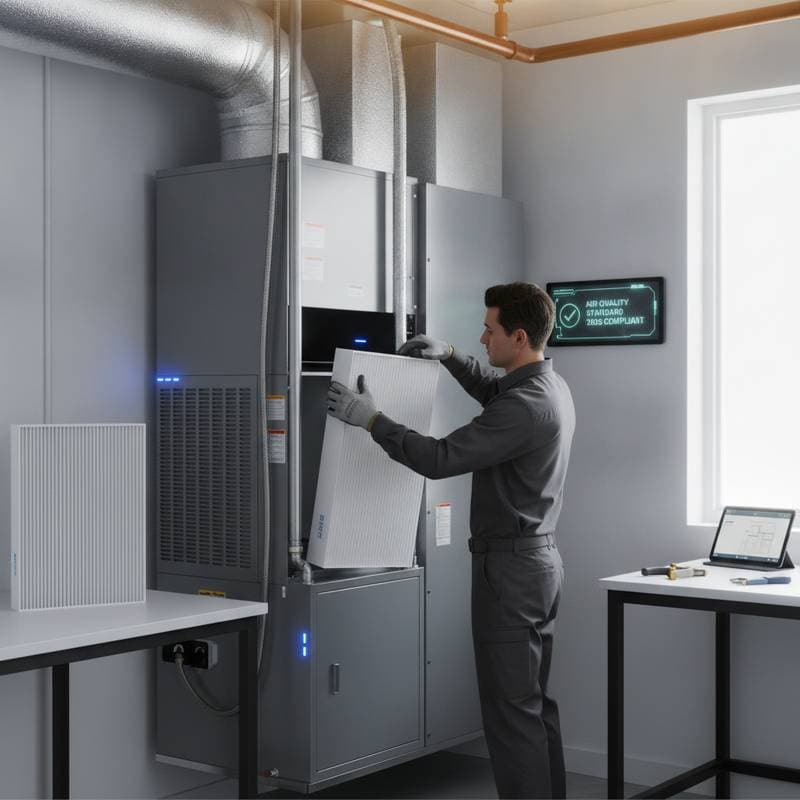
However, heat pump installation requires expertise. Certified technicians handle refrigerant charging, electrical connections, and system testing to meet safety standards. Avoid DIY attempts, as improper setup leads to reduced performance, higher bills, and voided warranties.
Frequently Asked Questions
May I Retain My Current Gas Furnace?
Yes, provided it operates safely and complies with maintenance requirements. Bans target new installations and replacements, leaving existing units unaffected until natural replacement needs arise.
What Is the Expected Lifespan of a Heat Pump?
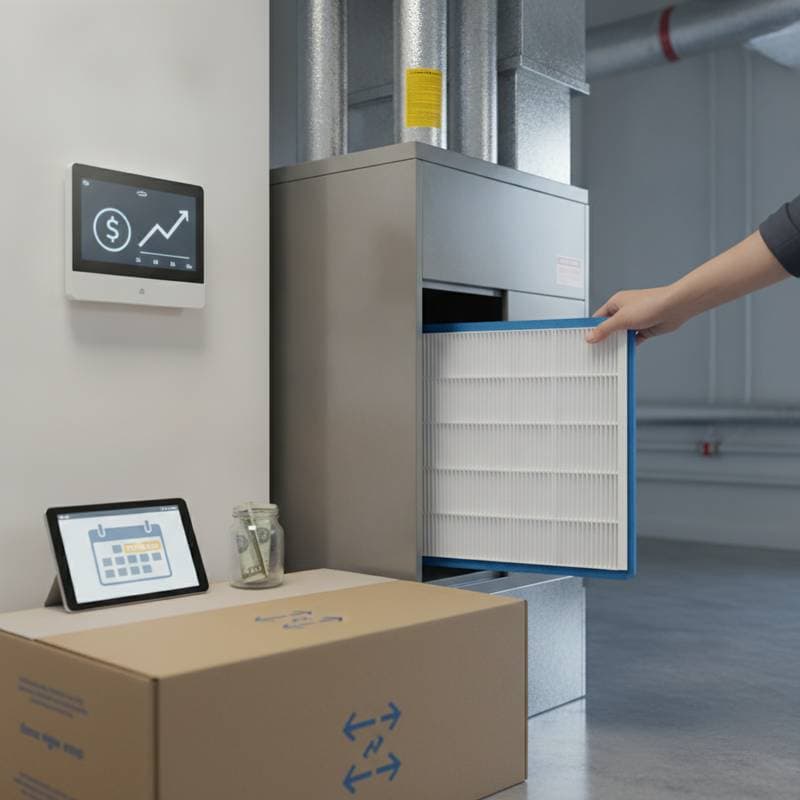
Well-maintained heat pumps endure 15 to 20 years, comparable to gas furnaces. Annual professional tune-ups, including filter changes and coil cleaning, prolong service life.
Do Heat Pumps Perform Well in Cold Climates?
Contemporary models excel in low temperatures. Advanced defrost cycles and low-ambient kits enable efficient operation down to -15 degrees Fahrenheit or lower.
Does a Heat Pump Raise Electricity Costs?
Electricity consumption increases for heating, but superior efficiency often results in net savings. Pairing with solar panels or off-peak rates further reduces expenses.
Steps to Initiate Your Transition
Embrace this change as an opportunity to upgrade to reliable, low-emission heating. Begin with a professional energy audit to identify inefficiencies and recommend suitable heat pumps. Contact a licensed HVAC contractor to explore options, secure incentives, and schedule installation. This proactive approach ensures comfort, cost savings, and environmental responsibility for years ahead.