Hybrid Heat Pumps Outperform Gas Systems in 2026 Cost Comparisons
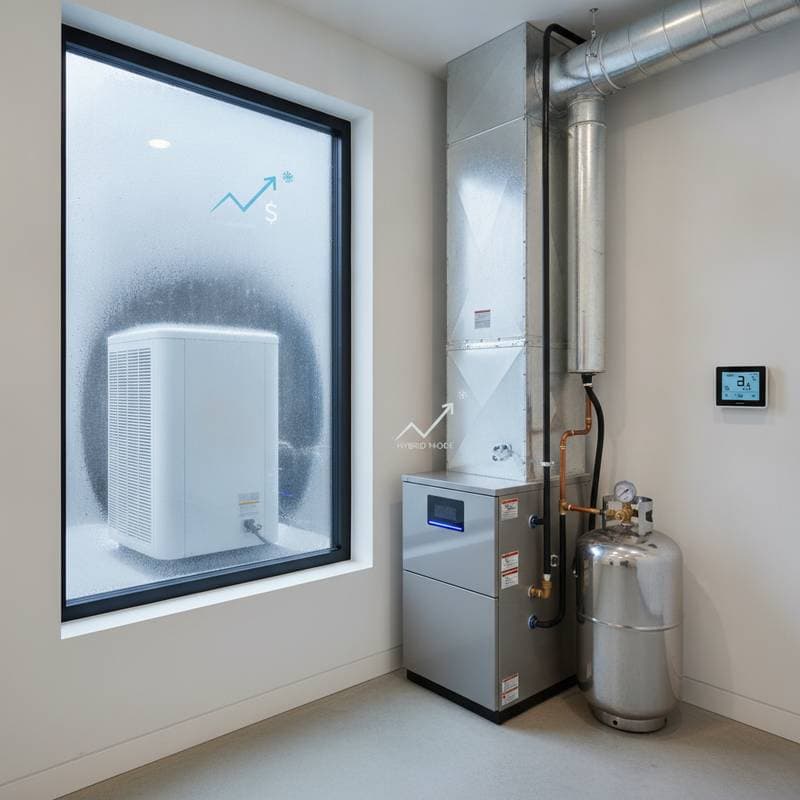
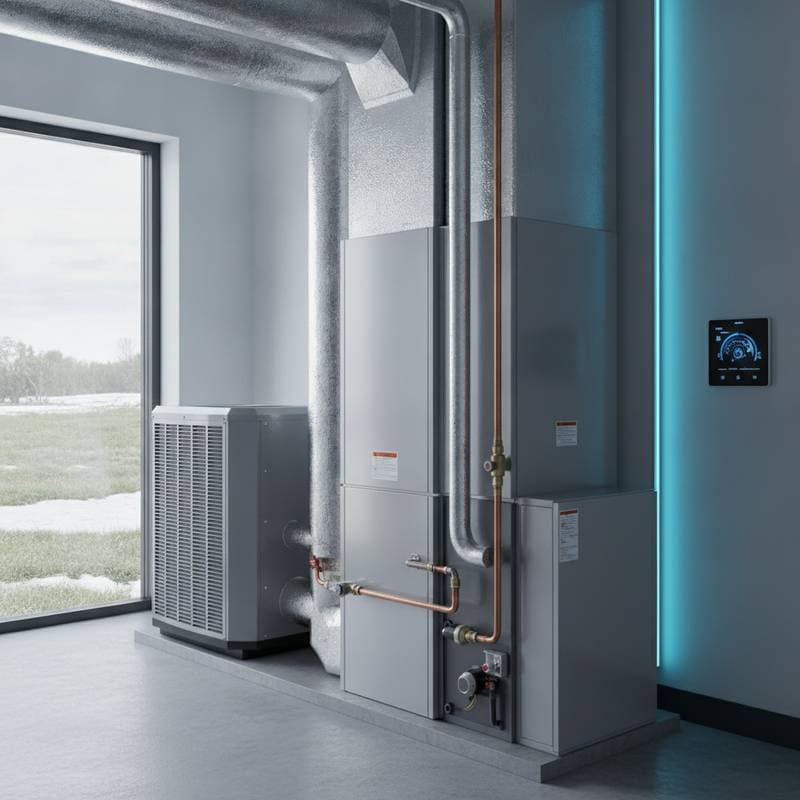
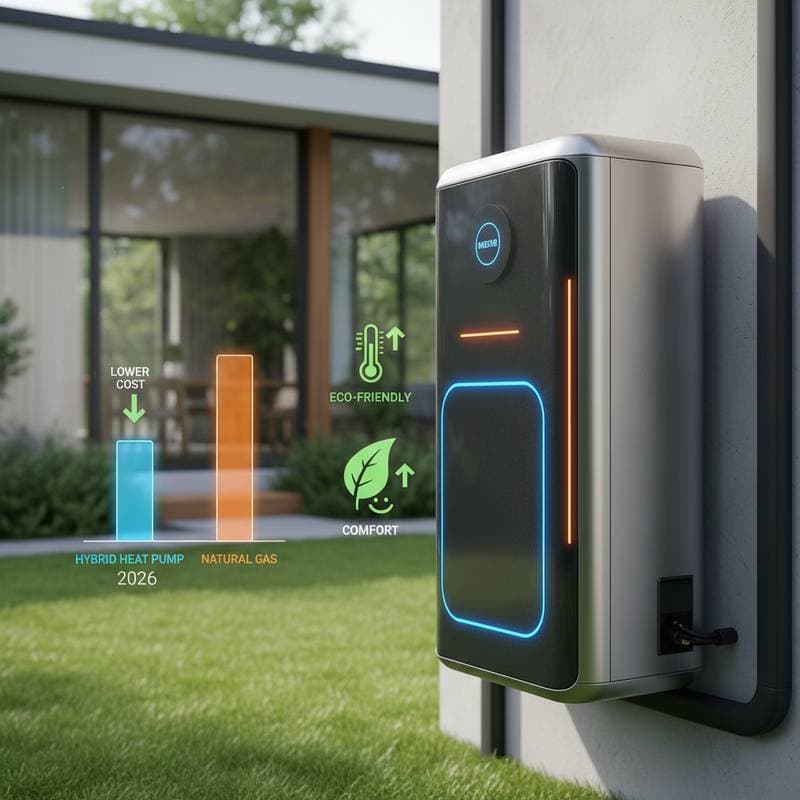
Hybrid heat pumps have demonstrated superior performance over traditional gas heating in recent 2026 efficiency and cost analyses. Homeowners benefit from reduced utility expenses, enhanced indoor comfort, and a more environmentally responsible heating option. These dual-fuel systems integrate a heat pump's energy efficiency with a gas furnace's dependability, automatically selecting the optimal fuel based on external conditions to minimize expenses.
This resource details the reasons hybrid heat pumps now surpass gas-only setups in total ownership costs, their operational mechanics, installation procedures, and anticipated expenses.
| Item | Average Cost |
|---|---|
| National Average Cost | $8,000 - $14,000 |
| Typical Price Range | $6,000 - $12,000 |
| High-End Systems | $15,000+ |
| Low-End Systems | $5,000 |
Factors Influencing Hybrid Heat Pump Expenses
Multiple elements determine the total investment in a hybrid heat pump installation. Grasping these components enables informed budgeting and selection.
Home Size and Required Capacity
The square footage of your residence dictates the unit's capacity, expressed in tons or BTUs. Residences exceeding 2,000 square feet typically require units with at least 3 tons of capacity, elevating both equipment and labor expenses. Engage a certified HVAC technician to conduct a Manual J load calculation, ensuring the system matches your home's heating and cooling demands for peak performance.
Efficiency Metrics
Efficiency levels appear in two primary metrics:
- SEER2 (Seasonal Energy Efficiency Ratio 2), which measures cooling performance
- HSPF2 (Heating Seasonal Performance Factor 2), which assesses heating effectiveness
Units with SEER2 ratings above 16 or HSPF2 above 8.5 command higher initial prices, yet they yield substantial reductions in annual energy use. For instance, upgrading to a model with these elevated ratings could lower heating costs by 20 to 30 percent over a decade.
Brand Reputation and Feature Set
Established manufacturers like Carrier or Trane incorporate innovations such as variable-speed fans, Wi-Fi-enabled controls, and noise-dampening technology. These enhancements justify premium pricing through superior durability and user experience, often backed by extended warranties up to 10 years.
Installation Demands
Retrofitting into older structures may necessitate duct resizing or electrical panel upgrades, adding 10 to 20 percent to the base cost. Properties lacking central ducts might transition to mini-split configurations, which streamline setup but require precise placement of indoor units for even air distribution.
Regional Climate and Energy Pricing
These systems excel in climates with temperatures rarely dipping below 20 degrees Fahrenheit, where the heat pump handles most duties. In markets with volatile natural gas rates, the dual-fuel logic prioritizes electricity during off-peak hours, potentially saving hundreds annually on bills.
Indicators for Upgrading to a Hybrid System
Persistent issues with your existing heater signal the need for modernization. Consider these common red flags:
- A gas furnace over 10 years old that demands repeated servicing
- Winter energy statements showing a 15 percent or greater year-over-year spike
- Inconsistent room temperatures, with some areas remaining chilly despite full operation
- Desire to lower greenhouse gas emissions while preserving reliable warmth
- Residence in a utility district prone to fuel price swings
Transitioning to a hybrid setup addresses these challenges by optimizing fuel use and integrating seamless climate control.
Labor Expenses for Hybrid Heat Pump Installation
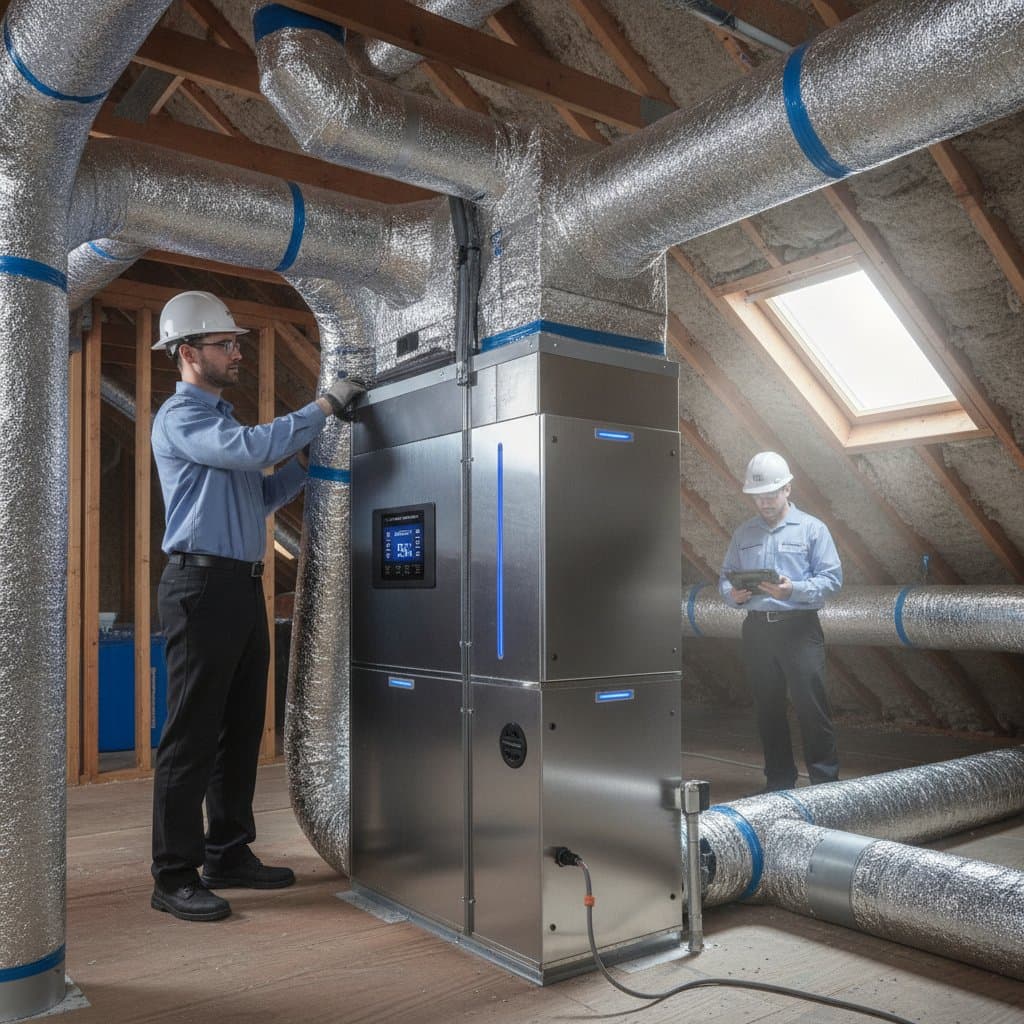
Professional installation forms a critical portion of the overall budget, typically ranging from $2,000 to $5,000 depending on project scope. This covers technician assessment, equipment mounting, refrigerant line connections, and system testing to verify balanced operation.
Complex jobs, such as integrating with legacy duct systems or upgrading electrical service to 240 volts, push costs toward the upper limit. Simpler replacements in well-prepared homes fall closer to $2,500, including removal of the old unit and basic calibration. Always select contractors certified by NATE (North American Technician Excellence) to ensure code compliance and warranty validity.
Common Questions on Hybrid Heat Pumps
Why does a hybrid heat pump exceed the efficiency of standalone gas heating?
The system leverages electricity for moderate weather, reserving gas for extreme cold when heat pumps lose efficiency. This strategic shift cuts fuel consumption by up to 40 percent compared to gas-only furnaces, translating to noticeable reductions in seasonal expenses.
What is the expected service life of a hybrid heat pump?
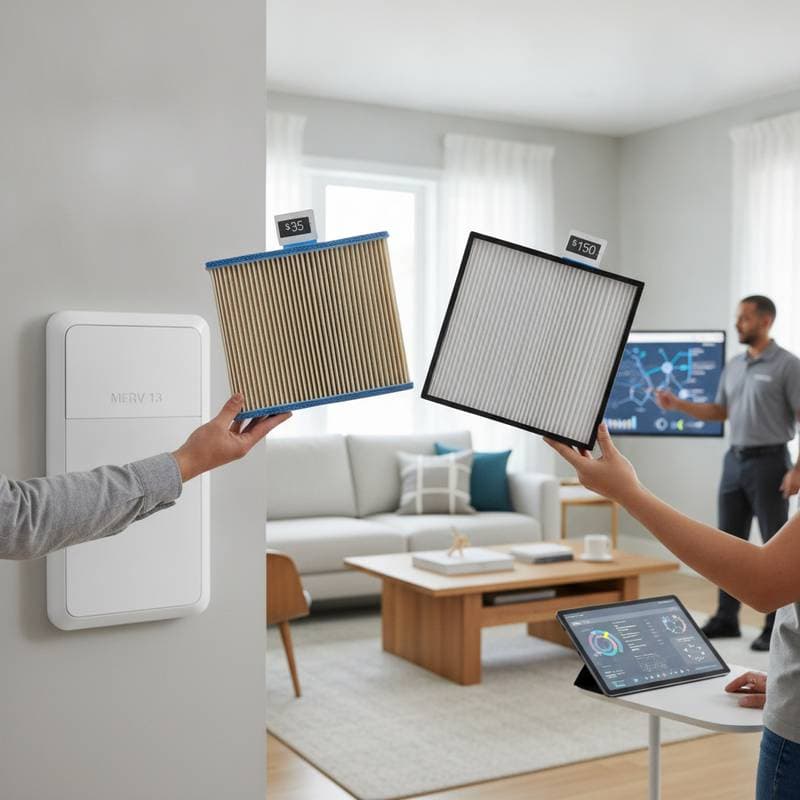
Well-maintained units endure 15 to 20 years of service. Implement quarterly filter replacements, yearly professional tune-ups, and immediate attention to unusual noises or performance dips to maximize longevity and efficiency.
Will a hybrid system maintain heat during severe winter conditions?
Absolutely. The built-in thermostat triggers the gas backup below 30 degrees Fahrenheit, providing robust warmth without straining the electric component. This failover ensures uninterrupted comfort in sub-zero scenarios.
Are incentives available for hybrid heat pump installations?
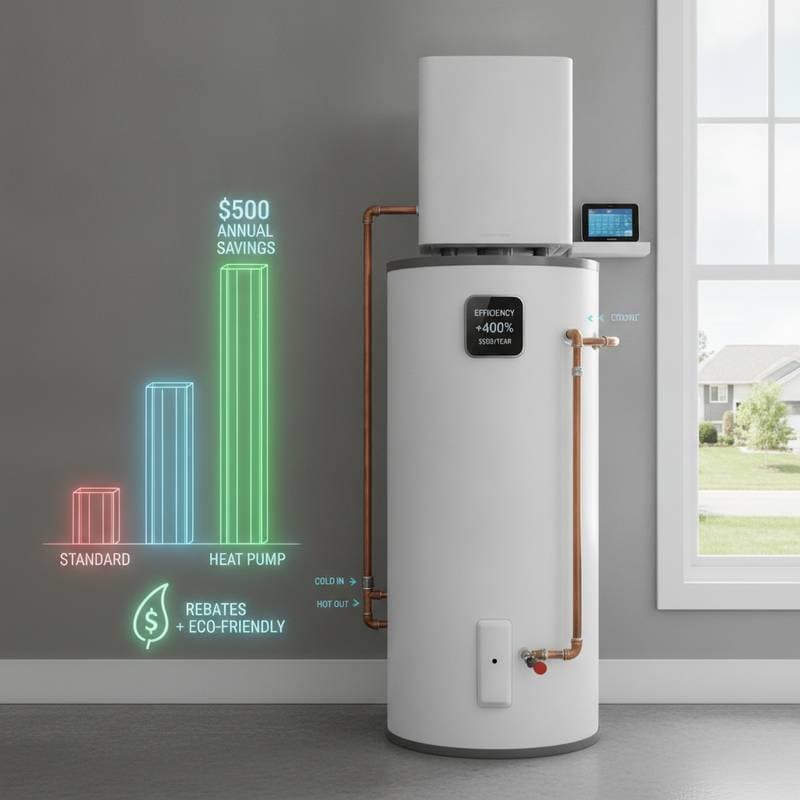
Numerous states and utilities provide rebates ranging from $500 to $2,000, alongside federal tax credits under energy efficiency programs. Consult your local energy provider or visit government resources to identify applicable offers based on your zip code.
How can I determine if my property suits a hybrid installation?
Homes with central HVAC infrastructure generally adapt easily. Schedule a site visit from an HVAC specialist to inspect duct integrity, voltage availability, and space for the outdoor condenser, confirming feasibility without major overhauls.
Is it possible to pair a new heat pump with my current furnace?
Often, yes, provided the existing furnace operates efficiently and shares compatible specifications like BTU output. This hybrid retrofit can trim installation costs by 20 to 30 percent by reusing functional components.
Steps to Implement Your Hybrid Heating Solution
Hybrid heat pumps represent a forward-thinking choice for balancing economy, performance, and environmental impact in residential heating. Their intelligent design ensures adaptive operation tailored to daily needs.
Start by obtaining multiple estimates from vetted local installers, emphasizing systems with verified efficiency scores. Factor in long-term rebates to offset upfront investments, and prioritize setups that align with your household's usage patterns for optimal returns.