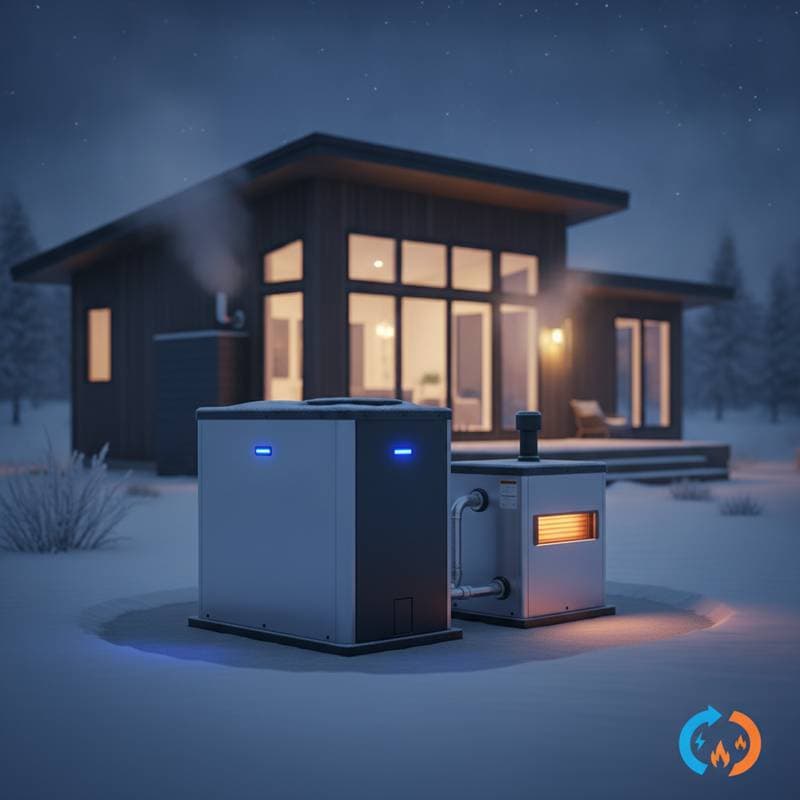

Why Hybrid Heating Dominates 2026 Home Comfort
What Makes Hybrid Heating the Future of Home Comfort?
Hybrid heating, also known as dual fuel heating, integrates the strengths of electric heat pumps and gas or propane furnaces to deliver superior efficiency in home comfort systems. Homeowners nationwide increasingly select these hybrid heating systems for their capacity to sustain steady warmth while minimizing energy consumption and utility expenses. Installation costs for a hybrid heating system generally fall between $6,500 and $13,000, influenced by factors such as unit size, efficiency levels, and project complexity.
This article explores the reasons hybrid heating emerges as a preferred option for contemporary residences. It details system operations, cost determinants, benefits of dual fuel configurations, and strategies to optimize returns on investment.
Understanding Hybrid Heating Systems
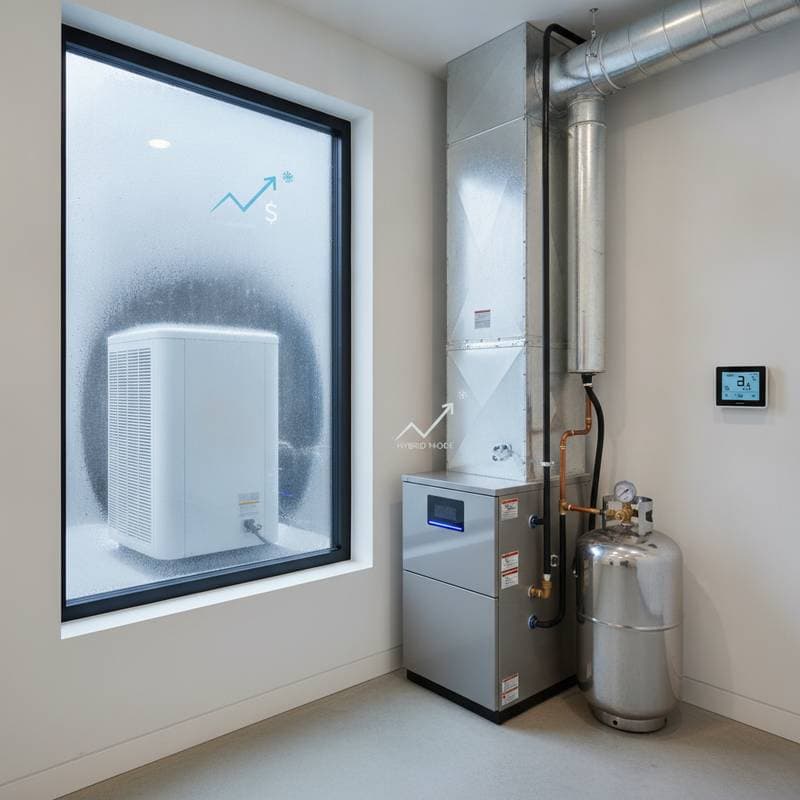
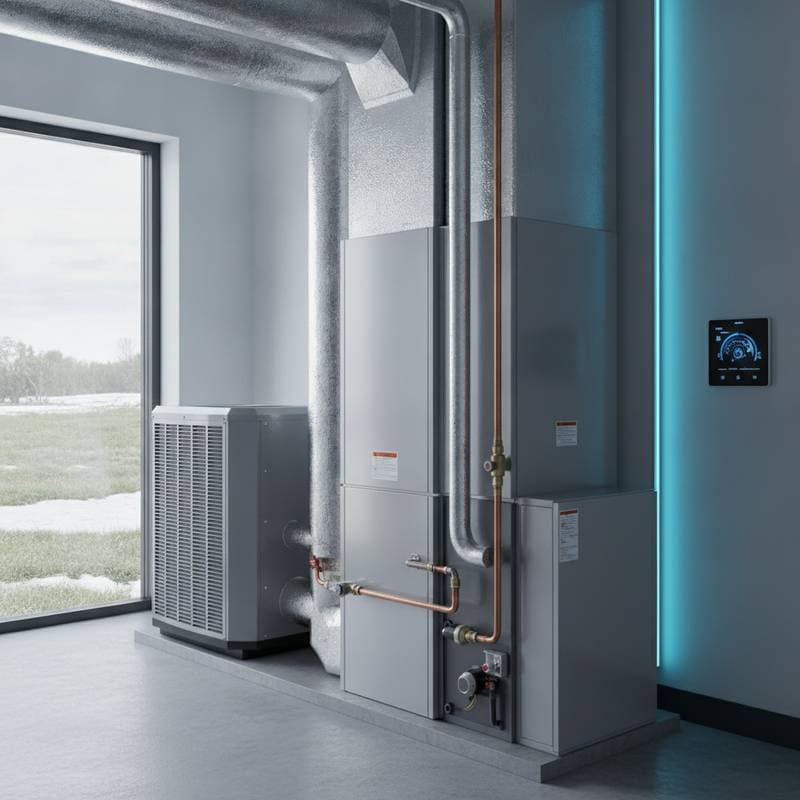
A hybrid heating system pairs an electric heat pump with a conventional gas or propane furnace. The setup automatically alternates between the components according to outdoor temperatures, optimizing both efficiency and comfort.
In moderate conditions, the heat pump manages heating demands by transferring warmth from external air into the interior using electricity. When temperatures decline to levels where the heat pump loses effectiveness, the furnace engages to supply robust heat through fuel combustion.
This seamless transition guarantees consistent indoor comfort across diverse weather patterns while curbing excess energy expenditures.
Average Hybrid Heating Cost
The overall expense of a hybrid system varies based on elements like capacity, manufacturer, and setup demands. The table below outlines average costs for dual fuel systems, including installation.
| System Type | Average Cost (Installed) | Key Details |
|---|---|---|
| Basic Hybrid System | $6,500 – $8,000 | Standard efficiency levels; ideal for temperate regions |
| Mid-Range Hybrid System | $8,000 – $10,000 | Enhanced heat pump efficiency; variable-speed furnace |
| Premium Hybrid System | $10,000 – $13,000 | Superior efficiency ratings; advanced controls and quiet performance |
Labor typically constitutes 30 to 40 percent of the total outlay. Additional expenses arise from ductwork replacements, thermostat enhancements, or zoning integrations.
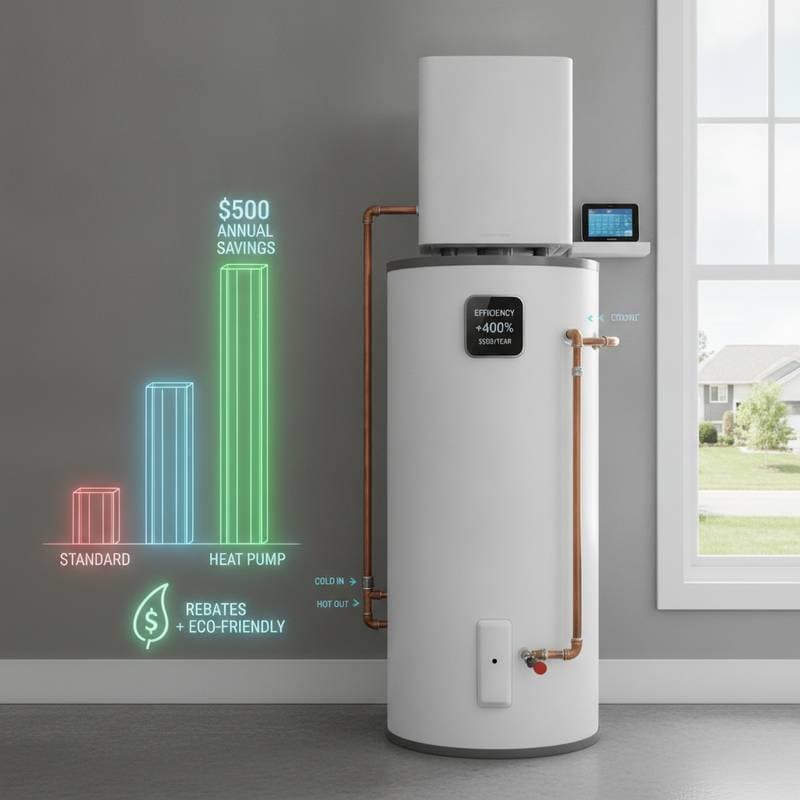
Hybrid systems often qualify for energy rebates or tax credits, which mitigate upfront costs and accelerate payback periods.
Why Hybrid Heating Dominates Home Comfort
1. Energy Efficiency and Smart Control
Hybrid systems select the optimal energy source through intelligent mechanisms. In temperate conditions, the heat pump delivers economical heating via electricity. As temperatures plummet, the furnace assumes control, preventing inefficiency.
This adaptive process minimizes energy loss and stabilizes indoor climates. Contemporary models incorporate smart thermostats that monitor external weather and utility rates, fine-tuning operations to achieve peak savings.
2. Consistent Comfort in Every Season
Single-source heating solutions often falter in severe weather, but hybrid systems sustain reliable output throughout the year. The heat pump manages both heating and cooling functions, with the furnace providing supplemental power during harsh cold snaps.
Such integration eradicates uneven temperatures and upholds comfort amid subzero conditions. Homeowners experience uniform warmth without the fluctuations common in traditional setups.
3. Lower Energy Bills
Compared to conventional furnaces or electric resistance heaters, hybrid systems yield substantial reductions in energy use. Electricity powers operations in favorable weather, reserving fuel for essential instances only.
This targeted approach trims utility bills while preserving heating quality. Over extended periods, accumulated savings frequently recoup the initial investment through diminished operational costs.
4. Environmentally Friendly Operation
With the heat pump addressing the majority of heating needs, hybrid systems curtail fuel usage and associated emissions. Individuals pursuing eco-conscious alternatives find dual fuel options a viable path to reduced environmental impact.
These systems maintain the dependability of established heating methods while advancing sustainability goals. Lower carbon footprints result from optimized energy selection.
5. Long-Term Reliability
Engineered for durability, modern hybrid systems distribute operational demands evenly between components. This balanced usage extends the lifespan of both the heat pump and furnace.
Routine upkeep enables these systems to operate effectively for 15 to 20 years or longer. Enhanced longevity elevates the investment's value and lessens the need for premature replacements.
Hybrid Heating Cost Factors
Multiple elements shape the expense of installing a hybrid heating system. Grasping these influences empowers homeowners to budget accurately for new setups or enhancements.
Equipment Size and Efficiency
Residences of greater size necessitate larger units, elevating costs. Systems boasting elevated Seasonal Energy Efficiency Ratio (SEER) and Heating Seasonal Performance Factor (HSPF) values command higher prices yet promise reduced lifetime energy demands.
Furnaces with superior Annual Fuel Utilization Efficiency (AFUE) ratings enhance output and diminish fuel expenses. Selecting appropriate specifications aligns with home needs and long-term savings.
Installation Complexity
Adapting older structures might involve electrical or gas infrastructure improvements. Modifications to ductwork or full replacements contribute to labor and material charges.
Challenges like confined spaces or limited access prolong installation durations and inflate expenses. Professional assessments early in the process identify potential hurdles.
Brand and Technology Features
Renowned brands frequently feature sophisticated compressors, subdued noise levels, and refined humidity management. Integrations such as smart thermostats or zoning capabilities augment comfort at an added premium.
Evaluating these enhancements against budget constraints ensures selections match lifestyle priorities. Advanced technologies often justify incremental investments through improved performance.
Climate and Energy Rates
Areas with volatile fuel costs or pronounced temperature variations benefit most from hybrid stability. Local energy pricing and incentive programs influence the comprehensive ownership expense.
Tailoring systems to regional conditions maximizes efficiency gains. Homeowners in diverse climates appreciate the adaptability of dual fuel designs.
Hybrid Heating FAQs
How Does a Hybrid Heating System Choose Between Electricity and Fuel?
Hybrid systems employ outdoor temperature sensors and built-in controls to evaluate efficiency thresholds. Electricity drives the heat pump in mild conditions. The furnace activates automatically when temperatures fall below 35 to 40 degrees Fahrenheit.
This decision-making process optimizes performance without manual intervention. Sensors ensure transitions occur precisely when beneficial.
How Long Does Hybrid Heating Installation Take?
Standard installations span one to two days, contingent on unit dimensions and ancillary tasks like duct repairs or thermostat installations. Projects entailing old equipment removal or new gas line additions extend timelines.
Coordinating with contractors upfront sets realistic expectations. Efficient planning minimizes disruptions to daily routines.
How Often Should a Hybrid System Be Serviced?
Annual servicing for both the heat pump and furnace stands as the expert recommendation. Procedures encompass coil cleaning, refrigerant verification, burner inspections, and thermostat adjustments.
Consistent maintenance preserves efficiency, prolongs service life, and averts unexpected failures. Scheduling aligns with seasonal preparations for optimal results.
Is Hybrid Heating Suitable for All Homes?
Hybrid systems excel in areas with moderate winters punctuated by occasional freezes. Properties connected to natural gas or propane lines serve as prime fits.
In harsher climates, these configurations deliver strong comfort and efficiency alongside proper insulation and controls. Professional evaluations confirm compatibility with specific home profiles.
Getting Hybrid Heating Quotes
Questions to Ask Before Hiring a Contractor
- Which hybrid heating brands and models suit my home's dimensions and local climate?
- How do you calculate the ideal system capacity and efficiency specifications?
- Does existing ductwork require alterations or full replacement?
- What projections exist for installation and material expenditures?
- Which rebates or incentives apply to energy-efficient installations?
- What duration anticipates the complete installation process?
- What maintenance options follow the setup?
- What warranties cover equipment and workmanship?
- Can you share references from comparable recent projects?
- How do you address urgent repairs or service needs?
Strategies for Maximizing Hybrid Heating Performance
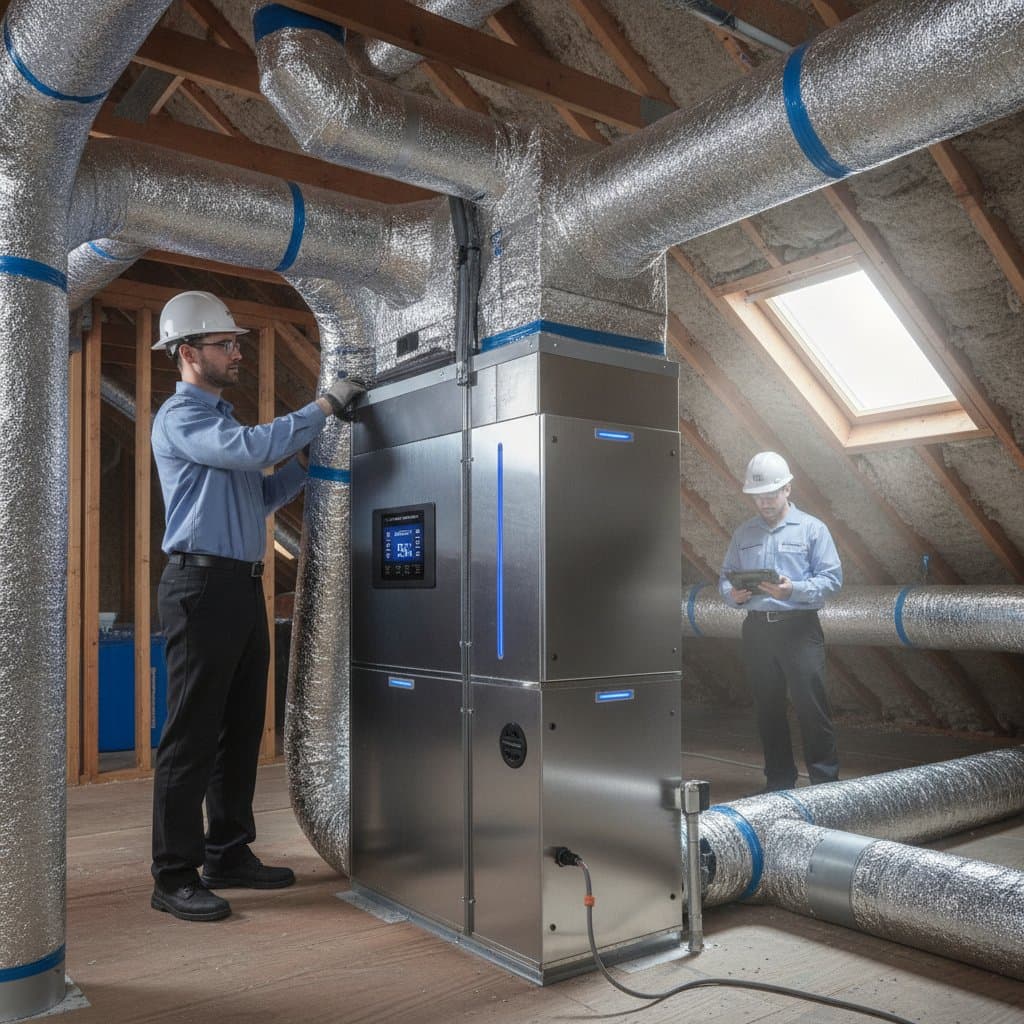
To derive full value from a hybrid system, prioritize professional installation by certified technicians. These experts ensure seamless integration and adherence to manufacturer guidelines.
Implement annual maintenance routines to sustain peak operation. Monitor energy usage patterns via smart controls to identify savings opportunities.
Consider insulation upgrades and air sealing to amplify system effectiveness. These measures reduce workload on components, further lowering costs and enhancing comfort longevity.