Boiler Bans Fuel 89% Surge in Heat Pump Sales
Homeowners nationwide now face impending regulations that limit installations of traditional boilers. These changes promote cleaner and more efficient heating alternatives, resulting in a sharp increase in heat pump adoption. If upcoming boiler bans raise questions about your home heating, this guide clarifies the implications, highlights the appeal of heat pumps, and outlines preparation strategies.
Understanding Boiler Bans and Their Impact on Homeowners
Boiler bans aim to curb carbon emissions from home heating by restricting new installations of gas and oil boilers. These systems release significant greenhouse gases, exacerbating climate challenges. Although existing boilers remain operational until they fail, future replacements face limitations in both new constructions and renovations.
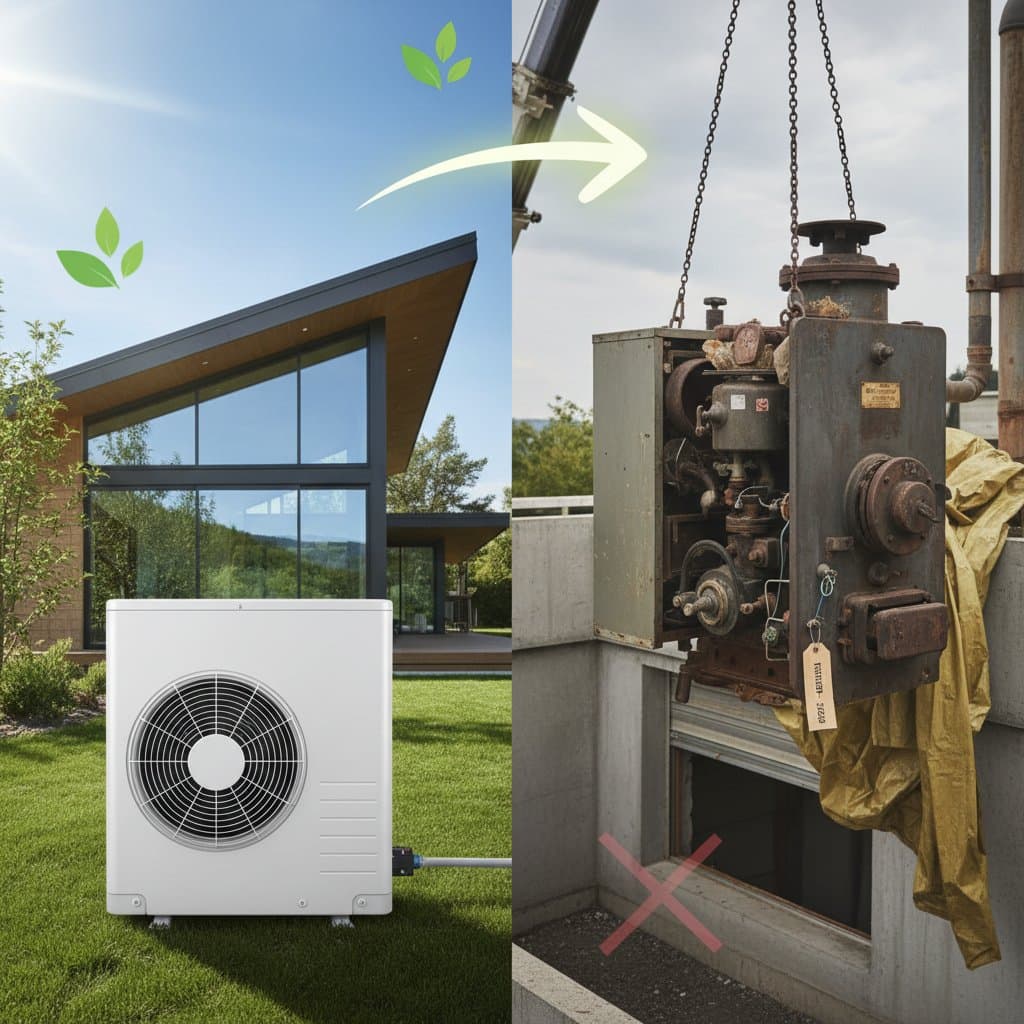
This regulatory shift prompts proactive homeowners to evaluate sustainable options. Heat pumps emerge as the leading choice, with installations rising dramatically to align homes with environmental standards and energy efficiency demands.
Drivers Behind the Heat Pump Adoption Boom
Regulatory pressures create both immediate needs and long-term advantages for heat pump transitions. Homeowners increasingly view early adoption as a means to cut costs, enhance daily comfort, and safeguard property values amid evolving standards.
Superior Energy Efficiency and Bill Reductions
Heat pumps operate by transferring heat from outside air or ground sources rather than burning fuel. This mechanism delivers up to three units of heating or cooling for every unit of electricity used. In homes with adequate insulation, such efficiency yields noticeable reductions in utility expenses over time.
Reduced Environmental Footprint
By depending on electricity over fossil fuels, heat pumps generate minimal direct emissions. As utility grids integrate more renewables like solar and wind, their ecological benefits amplify. Environmentally aware residents find heat pumps instrumental in achieving personal and community sustainability targets.
Available Financial Incentives
Numerous regions provide rebates, tax credits, and low-interest loans to support heat pump installations. These programs substantially lower upfront expenses, often covering 20 to 50 percent of costs depending on location and system type. Researching local offerings ensures maximum financial relief during the switch.
Elements Influencing Heat Pump Installation Expenses
Transitioning from a boiler to a heat pump involves variable costs based on property specifics and system selections. Understanding these components aids in budgeting and selecting optimal solutions.
- Property Dimensions and Insulation Quality: Expansive residences or those lacking insulation demand larger units or supplementary improvements to achieve even temperatures.
- Heat Pump Variety: Air-source units generally cost less to install than ground-source alternatives, yet the latter offer superior long-term efficiency in suitable climates.
- Current Infrastructure Compatibility: Existing duct networks streamline setups, while ductless mini-splits suit homes without them, minimizing structural modifications.
- Electrical System Readiness: Aging electrical panels in older properties might require upgrades to handle the demands of modern heat pumps.
- Expert Labor: Certified installers guarantee accurate system sizing, strategic placement, and safe refrigerant management, which enhance durability and performance.
Initial investments exceed boiler replacements, but sustained energy savings and reduced upkeep typically recoup expenses within five to ten years.
Comparing Boiler Replacements with Heat Pump Upgrades
Deciding between maintaining boiler systems or adopting heat pumps requires weighing immediate practicality against future resilience.
Scenarios Favoring Boiler Replacements
For homes with reliable boilers, installing a high-efficiency condensing model offers a viable interim approach. These updated boilers consume less fuel and emit fewer pollutants than predecessors. Nonetheless, tightening regulations may soon elevate costs or restrict availability for such systems.
Advantages of Embracing Heat Pumps Long-Term
Heat pumps integrate heating and cooling functions into a single unit, eliminating needs for standalone furnaces or air conditioners. They eliminate combustion risks, including carbon monoxide exposure, enhancing indoor safety. Forward-thinking investments in heat pumps shield against escalating fuel prices and compliance issues.
The Professional Heat Pump Installation Process
Professional installation ensures seamless integration and optimal functionality. Technicians begin with a thorough home assessment to determine system requirements, including capacity and placement.
Next, they prepare the site by modifying electrical connections and routing refrigerant lines. The process typically spans one to three days, depending on complexity, with minimal disruption to daily routines. Post-installation testing verifies efficiency and addresses any adjustments for peak performance.
Frequently Asked Questions
Is DIY Boiler-to-Heat Pump Conversion Feasible?
No. Such conversions demand expertise in electrical wiring and refrigerant systems, which certified professionals alone possess. Self-attempts risk safety issues, warranty invalidation, and inefficient operation.
Do Heat Pumps Perform in Harsh Winters?
Yes. Advanced cold-climate models maintain effectiveness down to minus 15 degrees Fahrenheit. Consult a specialist to select units tailored to your area's weather patterns.
What Is the Expected Lifespan of a Heat Pump?
Quality units endure 15 to 20 years with routine maintenance. Annual inspections and timely filter replacements preserve efficiency and avert costly repairs.
Will Heat Pumps Raise My Electricity Bills?
Heat pumps consume electricity but achieve lower overall energy use than combustion systems. Their heat-transfer efficiency often results in net savings compared to gas or oil alternatives.
Are Heat Pumps Operated Quietly?
Contemporary designs produce minimal noise, quieter than traditional furnaces or older AC units. Strategic installation placement further dampens any sound.
Steps to Transition to Efficient Home Heating
Begin by scheduling a professional energy audit to assess your current setup and identify heat pump suitability. Explore incentive programs through local utilities or government sites to offset costs. Contact certified installers for quotes, prioritizing those experienced in regional climates. This proactive approach secures reliable comfort while advancing environmental goals.