
Heat Pumps Deliver Efficient Heating Down to -22°F
Harsh winters challenge traditional heating systems, leading many homeowners to believe furnaces represent the only reliable option below zero degrees. Cold climate heat pumps challenge this view by sustaining comfortable indoor environments at -22°F. For residents in regions with severe cold, grasping the mechanics of heat pump efficiency empowers informed choices for home heating. This guide examines heat pump operation in extreme conditions and highlights their advantages for dependable, cost-effective warmth.
Understanding Cold Climate Heat Pumps
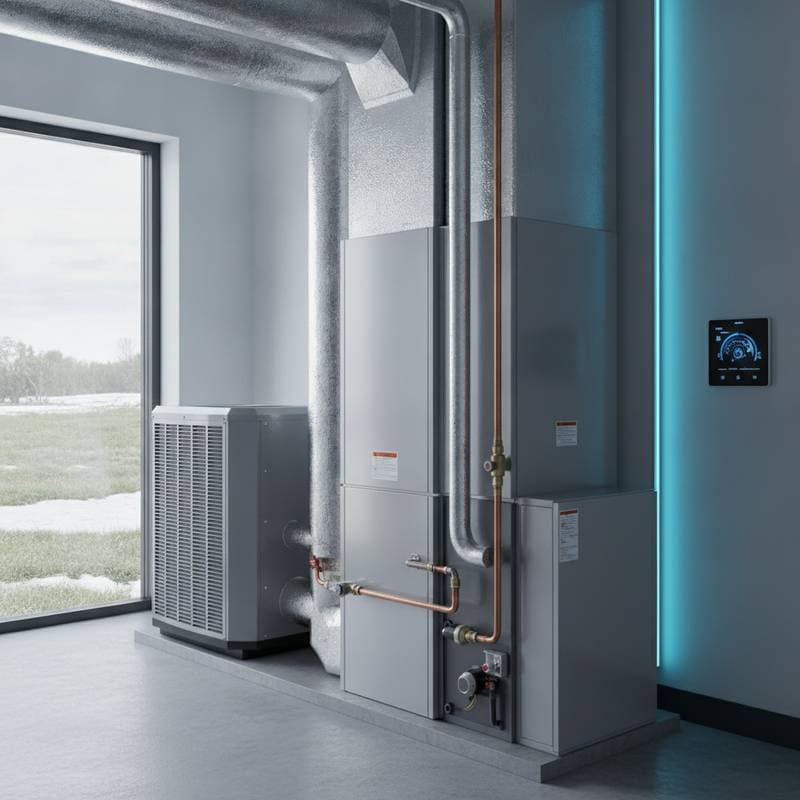
A cold climate heat pump functions as an HVAC system that draws thermal energy from outdoor air and transfers it inside. Despite frigid conditions, outdoor air retains extractable heat, which the system amplifies for distribution. Contemporary designs incorporate specialized refrigerants and compressors to enhance this heat transfer process.
In contrast to furnaces that generate heat through fuel combustion, heat pumps relocate existing heat using electricity. This approach yields greater energy efficiency and reduces environmental impact compared to natural gas or oil systems. Selecting an appropriate model and ensuring expert installation allows these units to perform without excessive dependence on auxiliary heating during intense cold.
Heat Pump Operation in Extreme Cold
Legacy heat pumps often faltered in subzero weather, but current cold climate variants employ innovations for effective function at -22°F.
Essential Technological Advances
-
Variable-Speed Compressors
These components modulate speed to match heating needs, preserving steady temperatures with minimal electricity consumption. -
Low-Temperature Refrigerants
Specialized blends maintain functionality in severe cold, enabling heat extraction from near-freezing air sources. -
Inverter-Driven Motors
Precise motor control adjusts compressor performance dynamically, accelerating during peak demand and decelerating in moderate weather for optimal efficiency. -
Optimized Coils and Defrost Mechanisms
Enhanced coil configurations resist frost accumulation, while intelligent defrost sequences minimize energy loss and sustain heat output.
Such advancements ensure heat pumps extract and deliver warmth reliably, even in air that appears devoid of usable energy.
Indicators for Upgrading to a Cold Climate Heat Pump
Consider a cold climate heat pump if your existing setup falters in extreme weather or incurs high operational costs. Key signals include persistent operation of your furnace with uneven room temperatures, escalating winter utility expenses despite upkeep, frequent use of auxiliary heaters, aging or inconsistent HVAC components, and a desire to lower energy use and emissions.
These issues often stem from outdated technology unable to cope with modern efficiency standards. An HVAC specialist can assess insulation quality, thermal load, and sustainability objectives to confirm suitability. Addressing these early prevents discomfort and promotes long-term savings.
Influences on Heat Pump Effectiveness and Expenses
Performance and installation costs vary by home characteristics and system specifications.
-
Unit Sizing and Capacity
Accurate sizing balances comfort and economy; oversized units cycle inefficiently, while undersized ones fail to heat adequately. -
Insulation and Airtightness
Superior insulation retains heat, reducing system strain; seal drafts around windows, doors, and attics to maximize gains. -
Regional Climate
Select units rated for subzero performance in cold zones; verify manufacturer specifications for low-temperature capacity. -
Installation Expertise
Skilled execution preserves efficiency and durability; insist on certified professionals following industry protocols. -
Efficiency Metrics
Prioritize high HSPF for heating and SEER for cooling to achieve superior seasonal results. -
Hybrid Configurations
Integrate with electric or gas backups for rare extreme events, ensuring seamless operation.
Expenses depend on model, scale, and site factors; obtain customized quotes from trusted providers to align with budget.
Comparing Cold Climate Heat Pumps to Conventional Systems
Heat pumps differ from furnaces and boilers in operation, benefits, and sustainability.
Energy Efficiency
By transferring rather than producing heat, these systems achieve three to four times the efficiency of combustion-based alternatives, delivering more warmth per unit of electricity.
Consistent Comfort
Heat pumps provide uniform temperatures without furnace-induced fluctuations and double as air conditioners for summer use, streamlining climate management.
Ecological Benefits
Electricity-powered operation avoids fossil fuel combustion, slashing emissions; integration with solar or wind sources approaches zero-carbon heating.
Upkeep Requirements
Routine tasks like filter replacement and yearly inspections suffice, unlike the intensive servicing needed for fuel systems.
Homeowner Maintenance Versus Professional Service
Homeowners can manage simple upkeep, but complex procedures demand expert intervention.
Tasks for Homeowners
- Clear snow, ice, and debris from outdoor units to prevent airflow restrictions.
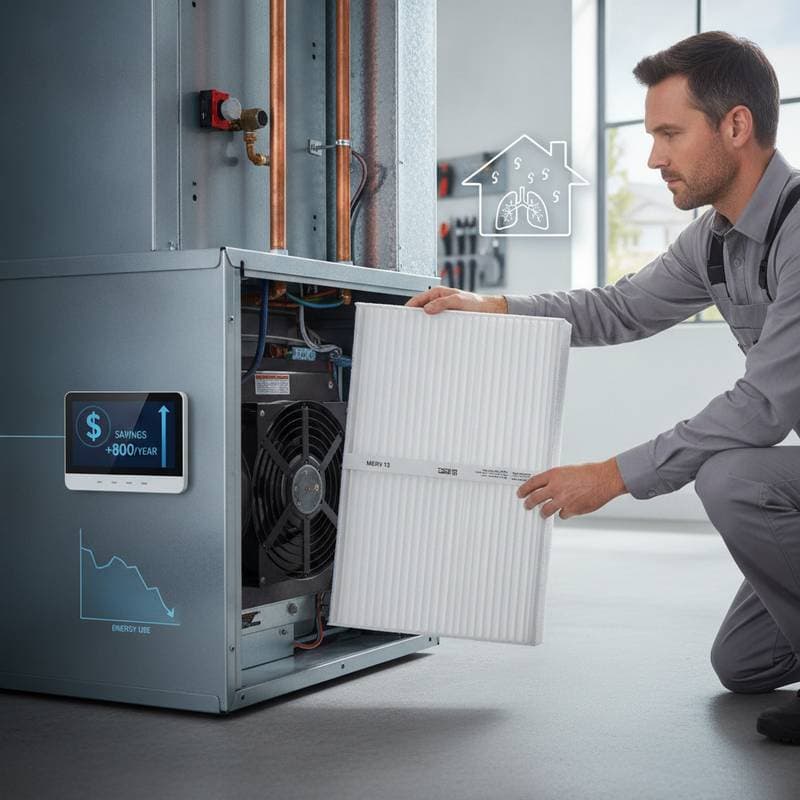
- Clean or replace filters every month during peak seasons to maintain air quality.
- Examine vents and registers for blockages that impede distribution.
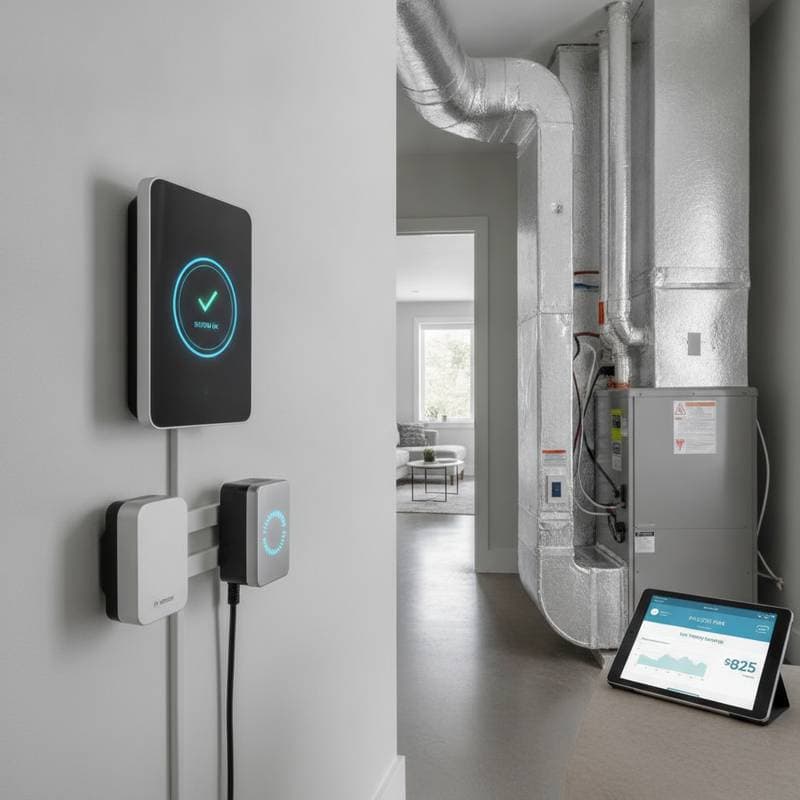
- Verify thermostat accuracy and settings for optimal control.
Professional Responsibilities
- Inspect and recharge refrigerant levels to sustain system pressure.
- Diagnose electrical issues and test components for faults.
- Clean coils thoroughly and calibrate defrost functions.
- Evaluate overall performance and adjust for peak efficiency.
High-voltage and refrigerant handling pose risks, so delegate these to licensed technicians for safety and reliability.
The Professional Installation Process
Upgrading involves structured steps for seamless integration.
-
Initial Evaluation
Technicians measure home size, insulation levels, and heat demands to recommend ideal configurations. -
Equipment Choice
Select units matching financial, efficiency, and environmental priorities. -
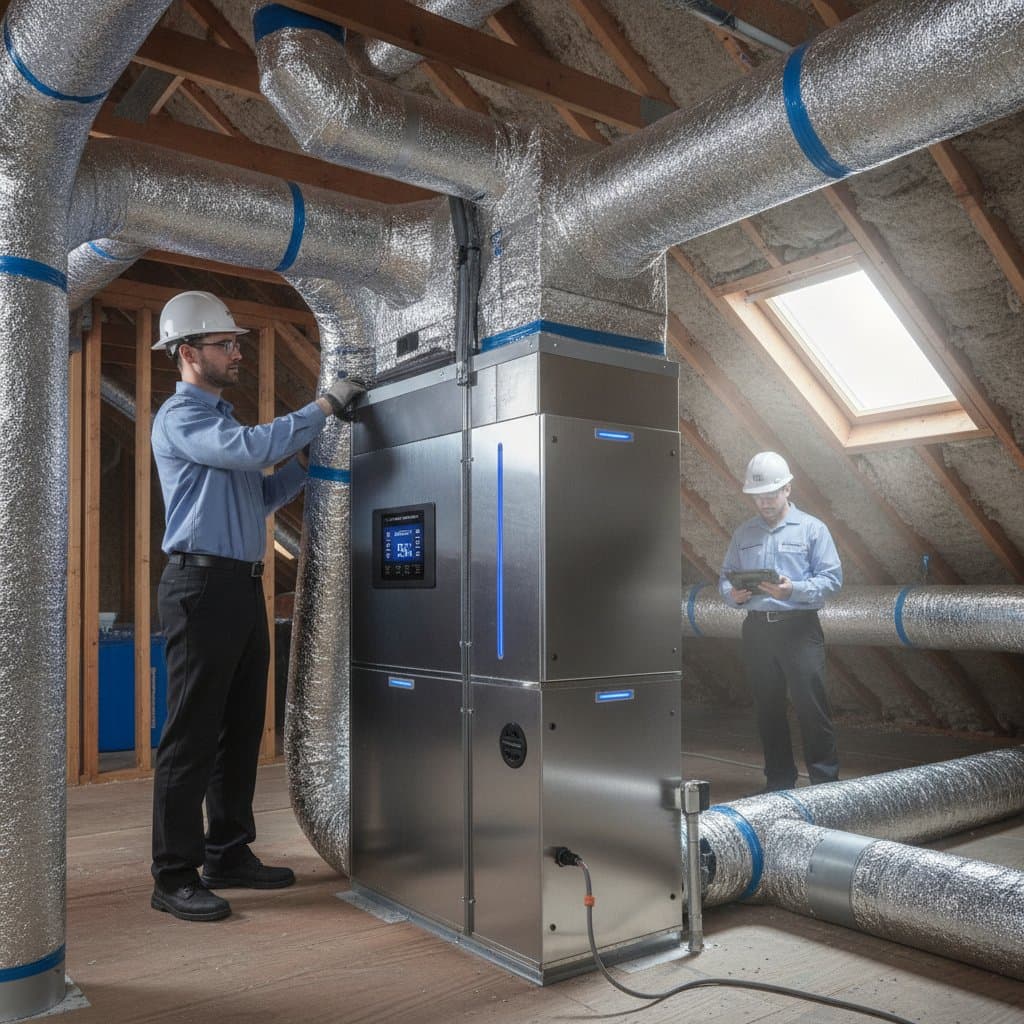
On-Site Setup
Remove legacy systems, install new parts, connect refrigerant lines, and secure electrical wiring. -
Performance Verification
Test airflow, temperature regulation, and safety features to confirm functionality. -
User Training
Learn maintenance basics, filter schedules, and control panel use for independent operation.
Expert installation unlocks full potential, enabling reliable performance against severe weather.
Frequently Asked Questions
Can heat pumps operate effectively at -22°F?
Yes, engineered for extremes, modern cold climate models use robust compressors and refrigerants to transfer heat at such lows.
Is a backup heating system necessary?
Most scenarios allow standalone operation, though hybrids with electric or gas elements provide assurance for prolonged deep freezes.
What is the lifespan of a heat pump in cold regions?
Quality units endure 15 to 20 years with diligent care; schedule annual inspections to prolong service.
Do cold climate heat pumps cost more to install?
Initial prices exceed standard models, yet efficiency gains and rebates from utilities recoup investments over time.
Will a heat pump lower energy expenses?
Typically, yes; their superior electricity utilization cuts bills compared to outdated furnaces or resistance heaters.
Steps to Upgrade Your Heating System
Adopting a cold climate heat pump secures warmth in brutal winters alongside reduced energy demands. Innovations in design and control deliver unmatched reliability for discerning homeowners.
Consult a certified HVAC expert to evaluate options and initiate the transition. Through precise assessment, flawless setup, and ongoing care, achieve consistent comfort at -22°F. Embrace efficient, eco-friendly heating that enhances home value and daily living.