
Why 40% of Homeowners Choose Monthly HVAC Payments
Homeowners increasingly seek reliable ways to manage heating and cooling systems amid escalating repair expenses, sudden failures, and demands for steady indoor comfort. Approximately 40% now select monthly HVAC payments via maintenance plans or subscription services. This article details the mechanics of these plans, their components, and the rationale behind their widespread adoption among households.
What Is a Monthly HVAC Payment Plan?
A monthly HVAC payment plan, referred to as a preventive maintenance plan or HVAC subscription service, enables payment of a modest fee each month in lieu of substantial, irregular repair or service invoices. Such plans generally encompass scheduled maintenance appointments, expedited service scheduling, and reductions on parts or repairs.
Consider it akin to a membership that sustains optimal performance of your heating and cooling equipment throughout the year. Participants remit a fixed monthly charge, and the HVAC provider conducts routine inspections and adjustments to promote efficiency and dependability.
Why More Homeowners Are Choosing Monthly HVAC Payments
The attraction of monthly HVAC payments extends beyond mere ease; it centers on financial control, cost predictability, and reassurance. The following outlines primary motivations for their preference.
1. Predictable Costs
Sudden malfunctions impose significant strain. An air conditioner failure during peak summer heat or a furnace outage in harsh winter conditions often incurs steep emergency fees. Monthly plans distribute expenses uniformly across the year, providing precise knowledge of monthly outlays to facilitate budgeting and eliminate unforeseen financial burdens.
2. Regular Preventive Maintenance
Periodic inspections prove vital for operational efficiency and durability. These plans commonly feature two annual visits: one dedicated to heating components and another to cooling elements. Technicians during these sessions clean evaporator and condenser coils, verify refrigerant concentrations, examine electrical connections, and confirm safe functionality. Such ongoing attention averts minor defects from escalating into extensive damage.
3. Improved Energy Efficiency
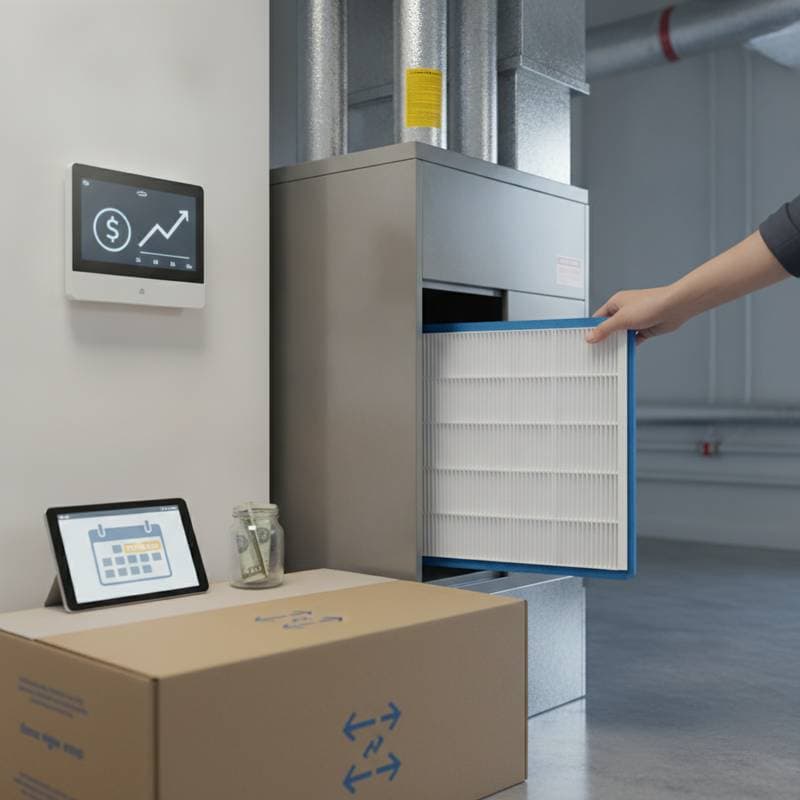
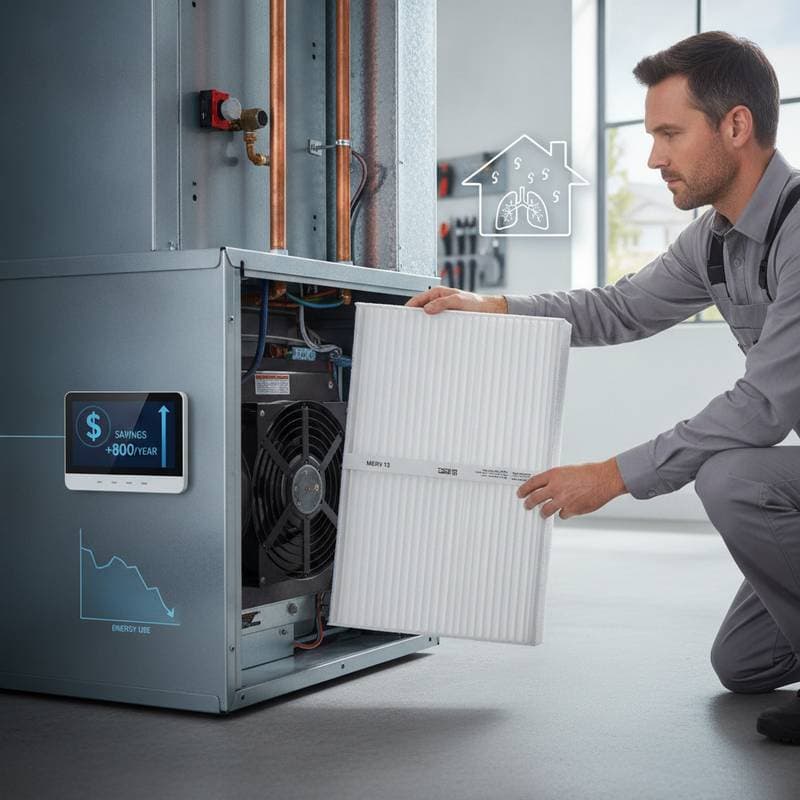
Properly serviced equipment consumes reduced energy. Accumulated debris in filters, deteriorated belts, and obstructed coils compel the system to labor excessively, elevating electricity costs. Routine maintenance ensures seamless operation, allowing the HVAC unit to deliver consistent comfort with minimal power usage.
4. Extended Equipment Lifespan
An HVAC installation represents a substantial home investment. Diligent maintenance through monthly plans prolongs its operational duration. Regular interventions can extend service life by several years, deferring the expense of full replacements and yielding long-term savings.
5. Priority Service and Discounts
Subscription agreements typically grant preferential booking, elevating your service request during high-demand periods. Many include rebates on replacement parts, repair labor, or equipment upgrades. This added assistance proves invaluable amid severe weather events when professional availability tightens.
Key Factors That Affect Monthly HVAC Plan Costs
Monthly HVAC payment plans remain economical, yet pricing varies based on specific elements.
- System Size and Type
Expansive or intricate configurations, like those with multiple zones, demand greater maintenance resources and thus higher fees. - Coverage Level
Fundamental packages focus on evaluations and adjustments, whereas advanced tiers incorporate filter changes, component warranties, or comprehensive protections. - Local Labor Rates
Regional differences in technician wages influence plan pricing; urban or high-cost areas reflect elevated monthly amounts. - Frequency of Service
Options with seasonal or quarterly inspections raise the fee but deliver enhanced preventive care. - Age of the System
Vintage units necessitate intensified monitoring; plans for older models adjust rates to accommodate potential extra interventions.
Monthly HVAC Plans vs. Paying As You Go
Paying As You Go
- Maintenance occurs reactively upon failure.
- Expenses fluctuate wildly, with premiums for urgent interventions.
- Oversight of routine care heightens vulnerability to amplified future issues.
Monthly HVAC Payments
- Proactive scheduling ensures consistent upkeep.
- Expenditures remain steady and straightforward to allocate.
- Equipment receives perpetual professional monitoring for reliability and performance.
The Process of Enrolling in a Monthly HVAC Plan
- Consultation and System Evaluation
A certified technician assesses your existing setup to confirm eligibility and recommend suitable options. - Plan Selection
Select a tier aligned with your residence requirements and financial parameters, ranging from essential tune-ups to inclusive safeguards. - Automatic Scheduling
The provider establishes recurring appointments and notifications to guarantee timely adherence. - Monthly Billing
Charges process via automated deduction for seamless administration. - Ongoing Support
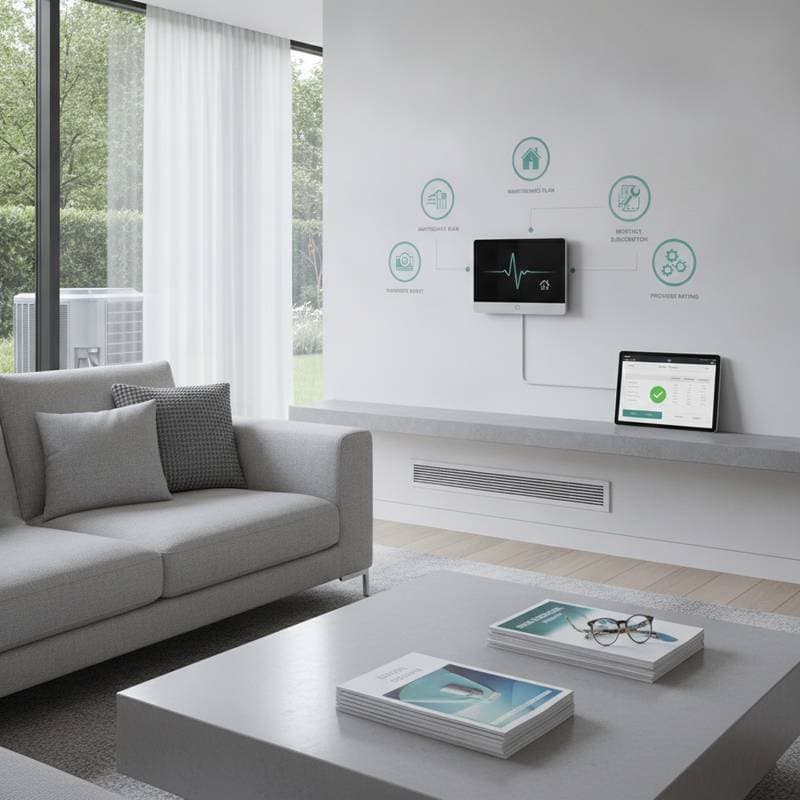
Access expedited responses, cost reductions, and periodic reports on system health.
Frequently Asked Questions
How much does a monthly HVAC plan usually cost?
Typical rates range from $15 to $40 monthly for standard protection, influenced by geographic location and equipment specifications. Enhanced packages with component inclusions or supplementary features command higher premiums.
Are maintenance plans worth it for newer HVAC systems?
Affirmative. Fresh installations gain from scheduled servicing to uphold manufacturer warranties and optimize initial efficiency. Early interventions prevent nascent wear and sustain peak operation.
Can I cancel my HVAC subscription anytime?
Providers generally permit termination with advance notification, although certain agreements stipulate initial terms. Examine contract stipulations prior to enrollment to align with your flexibility needs.
What happens if my system breaks down while I am on a plan?
Qualifying plans furnish accelerated appointments and fee concessions for fixes. Non-included repairs incur standard charges, applied post-discount where applicable.
Do monthly payments cover all repairs?
Entry-level plans address servicing exclusively; superior variants extend to repair inclusions. Scrutinize specifics to ascertain comprehensive scope.
Steps to Optimize Your HVAC Maintenance Investment
Enrolling in a monthly HVAC payment plan safeguards indoor climate control, curtails energy expenditure, and amplifies equipment durability. Collaboration with a reputable provider delivers sustained expertise, ensuring seasonal reliability and cost efficiency for your household.