How Do Predictive Maintenance Apps Prevent 78 Percent of HVAC Failures?
Effective HVAC system management demands more than periodic inspections. Predictive maintenance apps reshape the approach for homeowners and business operators to oversee heating and cooling equipment. These applications avert up to 78 percent of HVAC failures through data analytics, integrated sensors, and automated notifications that pinpoint problems prior to escalation into major disruptions.
This article details the mechanics of predictive maintenance technology, highlights its effectiveness, and contrasts it with conventional methods. It further examines associated costs, advantages, and implementation guidance for homeowners and facility managers evaluating predictive solutions for HVAC systems.
The Mechanics of Preventing 78 Percent of Failures
The 78 percent failure reduction stems from proactive issue identification. Many HVAC malfunctions originate as minor anomalies overlooked in routine checks. Predictive apps deliver constant surveillance, detecting concerns like refrigerant shortages, obstructed filters, or deteriorating motors instantaneously.
Real-World Detection Examples
The following table illustrates how predictive monitoring spots and mitigates common failures:
| Issue Type | Traditional Detection | Predictive App Detection | Outcome |
|---|---|---|---|
| Low refrigerant | Identified in seasonal review | Monitored via pressure and temperature readings | Averts compressor harm |
| Dirty air filter | Observed post-airflow decline | Tracked with airflow and energy usage sensors | Preserves operational efficiency |
| Motor failure | Noted after complete shutdown | Sensed through vibration and thermal indicators | Sidesteps urgent repairs |
| Thermostat issue | Revealed by uneven temperature control | Captured via deviation in environmental readings | Curbs unnecessary energy loss |
Early intervention via these methods curtails operational interruptions, prolongs equipment durability, and eliminates expenses tied to crisis interventions.
Predictive Maintenance Compared to Preventive Approaches
Preventive maintenance depends on fixed schedules for evaluations and adjustments, whereas predictive maintenance employs persistent data scrutiny to forecast potential faults.
| Maintenance Type | Description | Advantages | Limitations |
|---|---|---|---|
| Preventive | Fixed-interval checks and component swaps | Straightforward and established method | Overlooks anomalies in off-cycle periods |
| Predictive | Sensor-based, software-enabled oversight | Enables timely interventions, cuts unexpected halts | Involves upfront investment and network reliance |
Predictive frameworks enhance rather than supplant preventive practices. Optimal outcomes arise from integrating scheduled reviews with uninterrupted data oversight.
Key Factors Shaping Predictive Maintenance Effectiveness
Multiple elements determine the performance of predictive HVAC maintenance. Homeowners and businesses gain maximum utility by addressing these components strategically.
Sensor and Hardware Reliability
Precise sensors form the core of predictive systems. Superior-grade devices yield dependable inputs for software processing. Inferior units risk generating erroneous warnings or overlooking genuine threats.
Connectivity and System Integration
Predictive tools necessitate stable network links and compatibility with HVAC interfaces. Configurations utilizing Wi-Fi or facility automation platforms transmit information to cloud services for thorough evaluation.
Data Analysis Cadence
Increased data gathering and review intervals sharpen pattern recognition. Instantaneous processing delivers prompt notifications, whereas periodic assessments suit modest setups effectively.
Professional Interpretation Skills
Advanced apps demand skilled analysis from technicians. Specialists versed in data trends deliver refined diagnostics and precise upkeep directives.
Site-Specific Environmental Impacts
External weather, internal atmosphere quality, and structural barriers affect HVAC operations. Adaptive predictive models incorporating these aspects yield superior forecasts and diminished false positives.
Core Advantages of Predictive Maintenance Apps
Predictive maintenance apps yield diverse fiscal and functional gains surpassing mere failure prevention.
Minimized Operational Interruptions
Anticipating faults before system halts occur, predictive methods limit downtime. This proves vital in business settings where disruptions impact productivity.
Decreased Repair Expenditures
Spotting minor defects promptly facilitates inexpensive fixes over comprehensive overhauls.
Prolonged Component Longevity
Ongoing surveillance mitigates stress on parts, fostering sustained reliability and output.
Enhanced Energy Utilization
Optimal functioning of filters, coils, and drives conserves power. Users typically observe quantifiable reductions in consumption shortly after deployment.
Superior Environmental Control
Consistent regulation of temperature and moisture levels fosters agreeable indoor conditions.
Residential Applications of Predictive Maintenance Apps
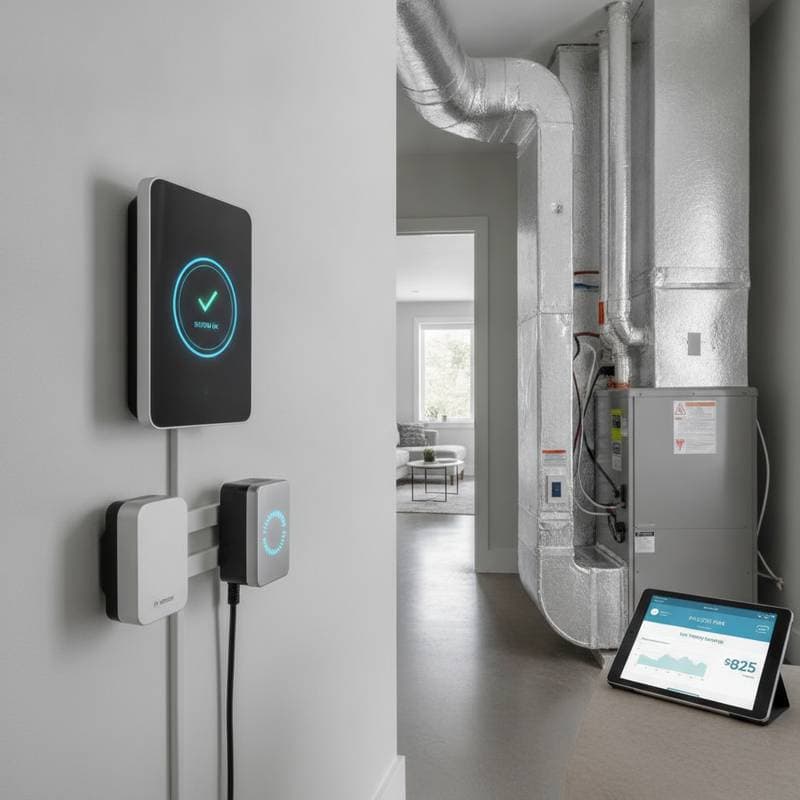
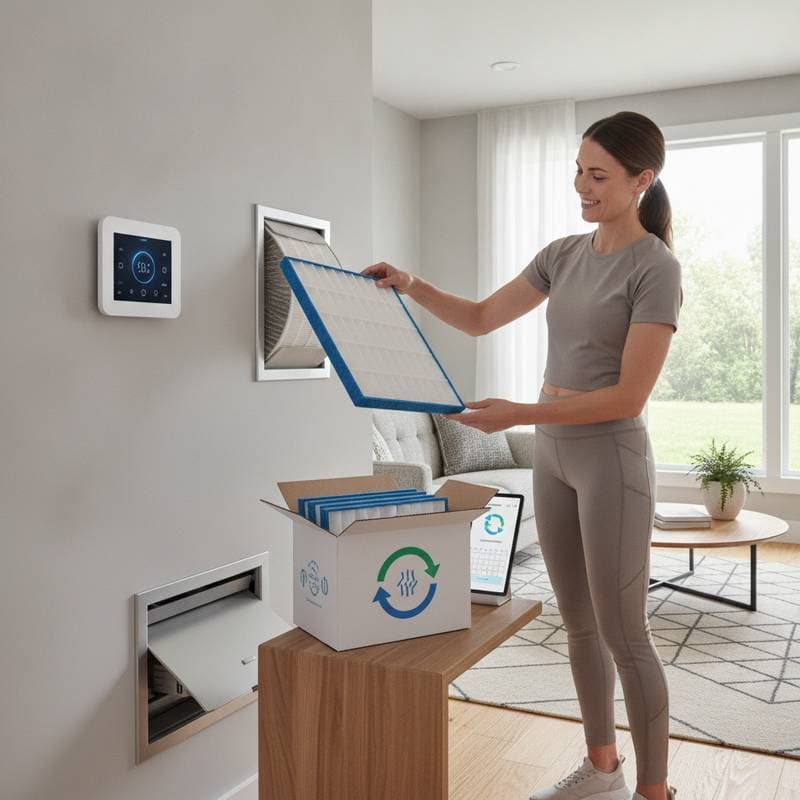
Once confined to industrial contexts, predictive maintenance now reaches households through user-friendly apps. Smart thermostats paired with networked sensors enable performance tracking and mobile notifications.
Essential Home HVAC App Functions
- Instantaneous health status updates
- Notifications for filter exchanges
- Surveillance of temperature and moisture
- Breakdown of energy usage patterns
- Automated upkeep planning and service dispatches
Such capabilities empower residents to sustain systems independently of annual professional visits.
Commercial Implementations of Predictive Maintenance Apps
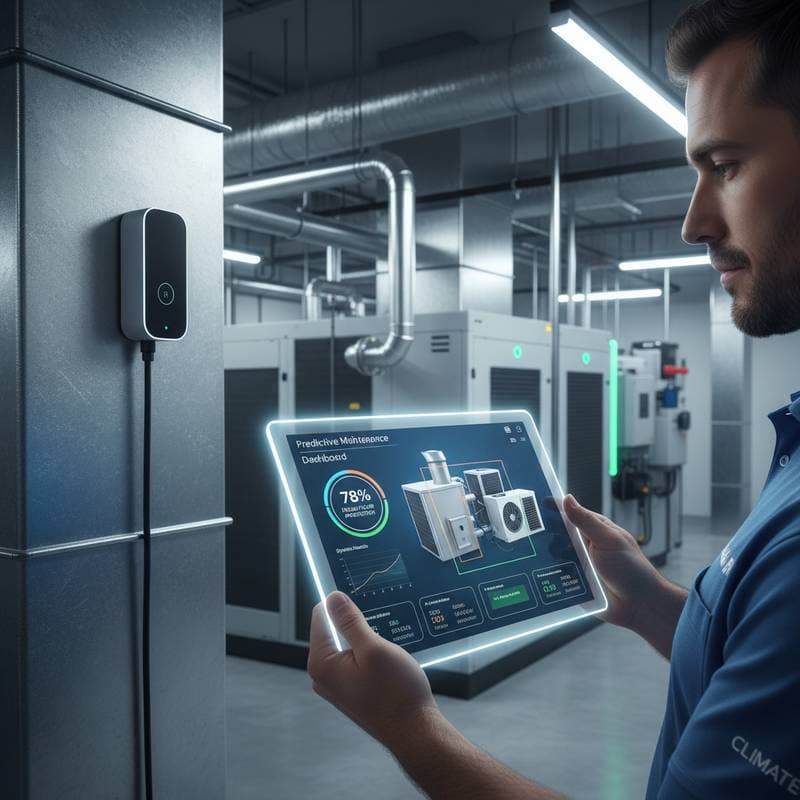
In business facilities, predictive maintenance merges with comprehensive building oversight platforms. These systems monitor diverse areas and apparatuses, aiding managers in task prioritization.
Standard Enterprise Features
- Unified interface for assorted HVAC assets
- Automated assignment of service requests
- Synchronization with resource optimization software
- In-depth projections for expense planning
This integration trims expenses and advances ecological targets via refined energy management in expansive structures.
Frequently Asked Questions on Predictive Maintenance
In What Ways Does Predictive Maintenance Incorporate Artificial Intelligence?
Predictive apps deploy AI and machine learning to process extensive operational datasets. Algorithms establish standard behaviors and flag deviations. With accumulated data, forecast precision improves, enabling earlier fault interception.
What Is the Alert Frequency for Predictive Systems?
Systems typically issue notifications upon anomaly detection. Customization allows adjustment of sensitivity levels per equipment or user needs. Minor variances, such as slight compressor temperature shifts, may prompt precautionary advisories.
Which HVAC Configurations Gain the Most from Predictive Maintenance?
Virtually every HVAC variant profits, from centralized cooling units and heat pumps to rooftop installations and zoned commercial arrays. Complex setups yield the largest cost recoveries through vigilant oversight.
Do Predictive Apps Eliminate the Need for Technicians?
Predictive maintenance supports rather than supplants professionals. Applications supply raw data and signals, but experts conduct assessments, verifications, and corrective actions.
What Constraints Apply to Predictive Maintenance?
Dependable outcomes hinge on regular data streams, robust sensors, and network stability. Subpar setup or legacy components hinder performance. Startup expenses exceed those of basic plans.
Securing Quotes for Predictive Maintenance Services
Evaluate offerings from various HVAC providers prior to selection. Numerous firms provide managed monitoring services encompassing installation and expert supervision.
Essential Inquiries for Prospective Providers
- Which predictive platforms does your service endorse?
- How do you gather and secure data?
- Are sensors part of the setup fees?
- What is the report delivery schedule?
- Does integration occur with current controls?
- What notification formats are available?
- Who oversees data, and how are concerns resolved?
- Exist supplementary recurring charges?
- How do you safeguard data confidentiality?
- What assurances or guarantees accompany the service?
These queries promote selection of dependable partners with clear costs and solid assistance.
Steps to Advance Your HVAC Reliability
Predictive maintenance shifts HVAC oversight from response-oriented to foresight-driven. Addressing issues preemptively lowers expenses, extends service intervals, and ensures uniform comfort.
Technological advancements position predictive tools as integral to future HVAC designs. Adopting these solutions presently secures reduced disruptions, optimized energy use, and reliable environmental regulation over the long term.