Why Your Furnace Must Achieve 95% Efficiency by 2026
Understanding the New Furnace Efficiency Standard
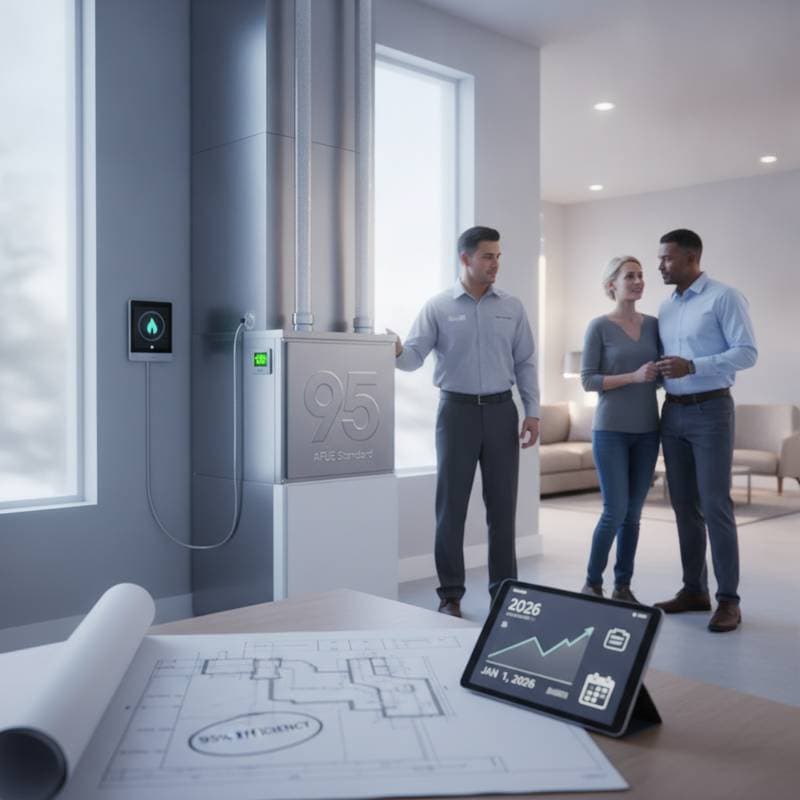
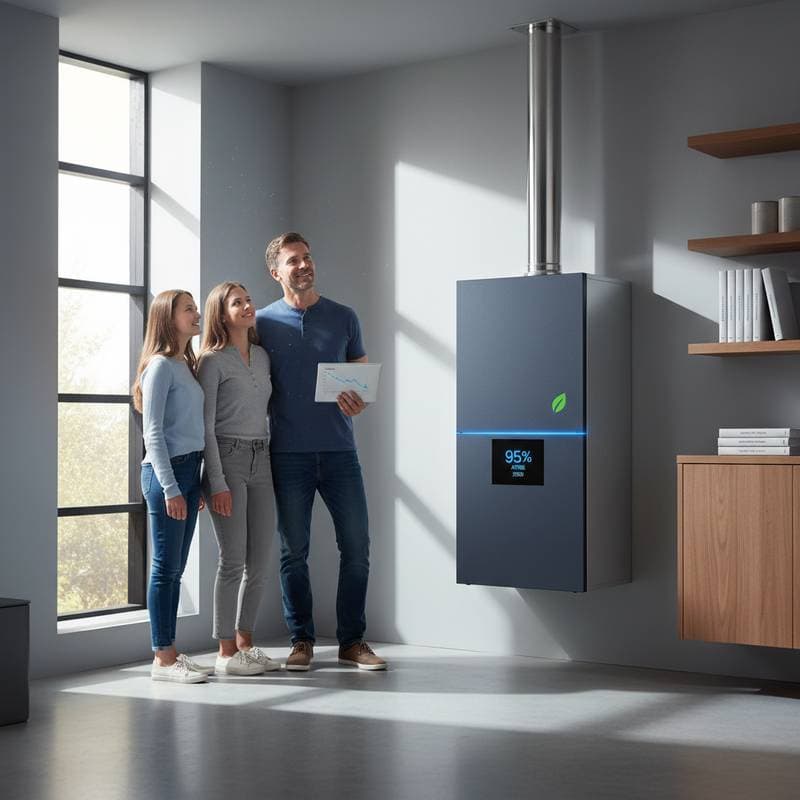
The Department of Energy (DOE) has introduced a significant update to residential heating requirements. Beginning in 2026, all newly manufactured furnaces must reach at least 95% Annual Fuel Utilization Efficiency (AFUE). This standard ensures that only systems capable of converting 95% of fuel into usable heat will qualify for sale and installation.
This regulation addresses the substantial energy demands of home heating, which often accounts for nearly half of a household's utility expenses. By enforcing higher efficiency, the DOE aims to curb national energy use and mitigate environmental harm. Homeowners replacing outdated units will need to select compliant models to maintain reliable warmth without regulatory issues.
Reasons Behind the DOE's Efficiency Mandate
The DOE reviews and strengthens appliance standards every few years to promote conservation and innovation. Furnaces represent a prime target, given their role in residential energy consumption. The 95% AFUE threshold builds on prior rules, pushing manufacturers toward advanced designs that minimize waste.
This policy promises several key outcomes. It will lower fuel consumption, translating to reduced monthly bills for natural gas or propane users. Additionally, decreased burning of fossil fuels will help lower carbon dioxide emissions, supporting broader climate goals. Manufacturers gain incentives to develop durable, user-friendly systems, while sealed-combustion features in new units enhance safety by reducing indoor pollutant exposure.
Key Factors Shaping Furnace Upgrade Expenses
Budgeting for a 95% AFUE furnace involves evaluating multiple elements to avoid unexpected costs. Start by calculating your home's heating needs through a professional load assessment, which considers insulation levels and local weather patterns. This step prevents oversizing or undersizing, both of which can inflate long-term operating expenses.
System Capacity and Home Size
Units sized for larger homes or harsher climates demand more powerful components, raising material and installation prices. A typical 80,000 BTU furnace for a 2,000-square-foot home might cost 20% more than one for a smaller space.
Fuel Source Considerations
Most installations involve natural gas, but propane conversions require additional regulators and lines, potentially adding $500 to $1,500. Oil-to-gas switches involve even greater modifications, including tank removal.
Venting and Drainage Needs
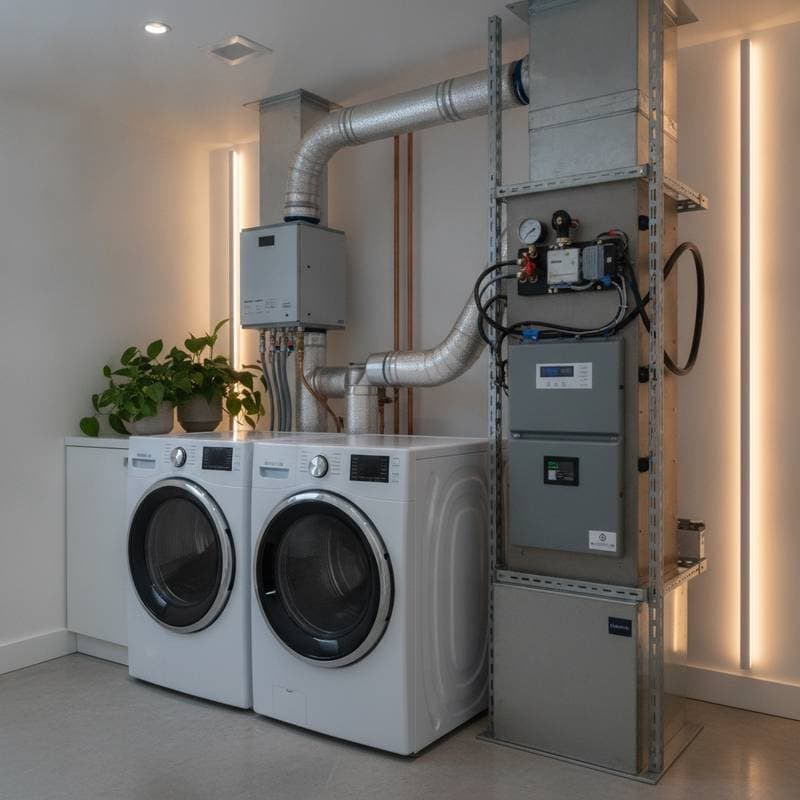
Condensing furnaces recover heat from exhaust gases, producing acidic condensate that demands corrosion-resistant PVC pipes and a dedicated drain. In retrofit scenarios, routing these through walls or attics can extend labor time by several hours.
Regional Labor Variations
Expect charges of $1,500 to $3,000 for installation, with urban markets commanding premiums due to demand and regulations. Always verify contractor licensing through state boards to secure workmanship guarantees.
Available Financial Incentives
Federal tax credits under the Inflation Reduction Act can reimburse up to $600 for qualifying units, while utility rebates often cover $200 to $800 more. Research programs via the Database of State Incentives for Renewables and Efficiency (DSIRE) to maximize returns.
Duct System Evaluation
Leaky ducts waste up to 30% of heated air; sealing or replacing them during the upgrade can boost overall efficiency by 15% but may add $1,000 or more to the project.
Advantages of Installing a 95% AFUE Furnace
Beyond meeting the 2026 mandate, these advanced systems offer tangible improvements in daily living and finances. They integrate seamlessly with smart home setups, allowing remote adjustments via apps for precise control.
Substantial Savings on Energy Costs
By wasting only 5% of fuel, a 95% efficient furnace can trim heating bills by 20% to 30% compared to 80% models, yielding $200 to $400 annually in moderate climates.
Enhanced Temperature Stability
Variable-speed fans and modulating gas valves adjust output in small increments, eliminating hot and cold spots while reducing wear from constant on-off cycles.
Positive Environmental Contributions
Each unit avoids emitting thousands of pounds of CO2 over its life, aligning with personal sustainability efforts and potentially qualifying for green certifications.
Reduced Noise Levels
Insulated cabinets and ECM motors produce under 50 decibels during operation, comparable to a quiet conversation, for undisturbed home environments.
Boost to Property Appeal
Buyers increasingly prioritize energy-efficient features; such upgrades can justify a 1% to 3% premium on sale prices, according to real estate analyses.
Steps to Prepare for the 95% Efficiency Transition
Assess your current furnace's age and performance now to sidestep emergency replacements. A professional energy audit, costing $300 to $500, reveals inefficiencies and estimates upgrade timelines.
- Arrange a detailed inspection to measure airflow, burner condition, and AFUE rating.
- Gather estimates from at least three certified installers, specifying models like Carrier or Trane with proven reliability.
- Confirm venting feasibility, such as sidewall termination to minimize roof work.
- Apply for incentives through utility portals or IRS forms ahead of purchase.
- Allocate funds gradually, perhaps via home equity lines, to cover $4,000 to $8,000 total costs.
- Review extended warranties, aiming for 10-year heat exchanger coverage.
Early action spreads expenses and leverages current lower demand for installations.
Potential Hurdles in High-Efficiency Installations
Anticipating obstacles ensures a smoother process. Consult with contractors experienced in retrofits to identify site-specific issues during the quoting phase.
Venting System Modifications
Traditional chimneys cannot handle condensing exhaust; new two-pipe PVC systems, often 2 to 3 inches in diameter, route intake and output separately for optimal performance.
Handling Condensate Production
The system generates up to a gallon of water per hour on cold days, necessitating neutralizers to balance pH and prevent pipe corrosion. Install pumps in basements to direct flow to floor drains.
Fitting into Existing Spaces
Compact designs help, but tight closets may require relocating plenums or using high-boy configurations. Measure clearances meticulously before finalizing selections.
Electrical System Compatibility
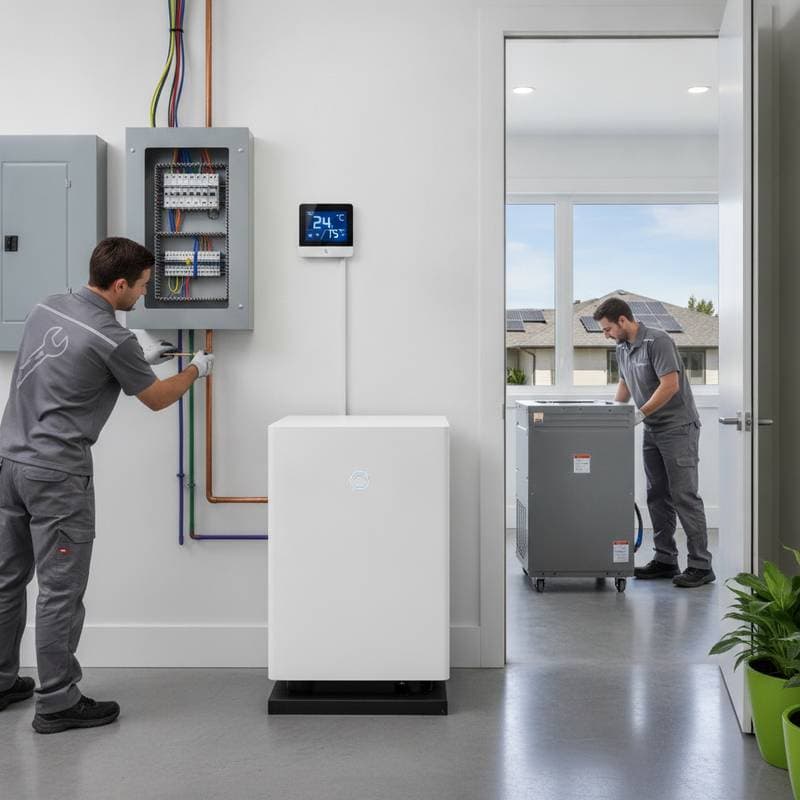
Upgraded controls draw more power; ensure a dedicated 115-volt circuit with GFCI protection. Pair with programmable thermostats for automated efficiency gains.
Frequently Asked Questions About 95% AFUE Furnaces
How Long Does a High-Efficiency Furnace Last?
With routine servicing, expect 15 to 20 years of service. Focus on annual cleanings to clear heat exchangers and calibrate sensors.
Must I Replace a Sub-95% AFUE Furnace Immediately?
No, the rule targets new production only. Retain your unit until inefficiency or breakdowns prompt action, typically after 15 years.
How Can I Verify My Furnace's Efficiency?
Locate the EnergyGuide sticker or model specs online; AFUE appears as a bold percentage. Third-party audits provide precise measurements if labels are missing.
Do Fluctuating Gas Prices Influence Upgrade Timing?
Absolutely; higher rates amplify payback periods to under five years. Monitor forecasts from the Energy Information Administration for strategic planning.
Does This Standard Apply to Electric Furnaces?
Electric models inherently exceed 98% efficiency, exempting them. The focus remains on combustion-based gas and propane systems.
Is Maintenance More Demanding for These Units?
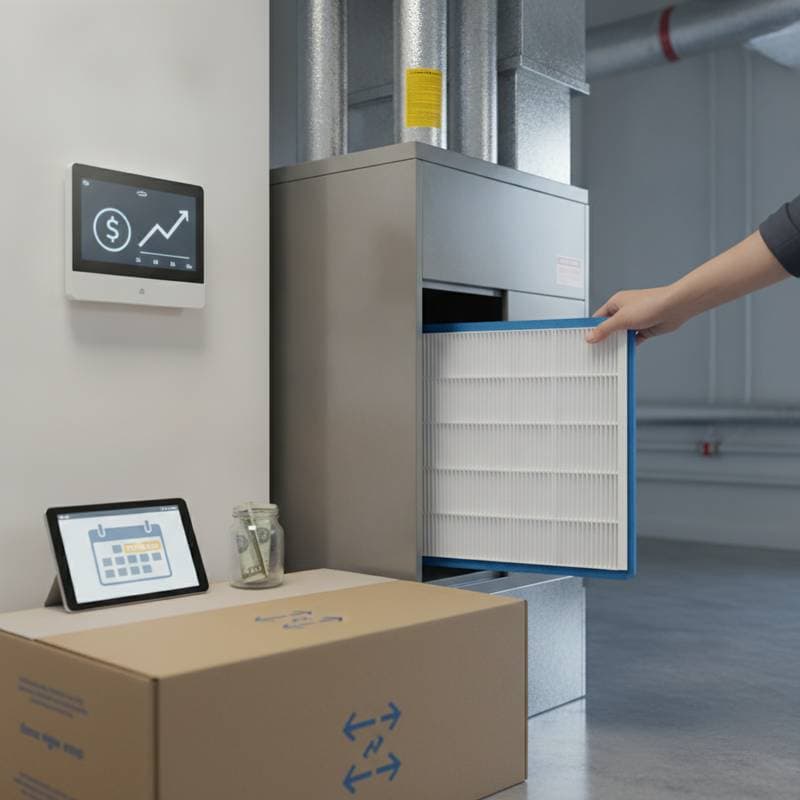
Routine tasks mirror standard models, but prioritize condensate flushing and vent inspections biannually to avoid blockages.
Securing Reliable Quotes for Your Upgrade
Selecting a Competent Installer
Prioritize NATE-certified technicians with at least five years in high-efficiency work. Review online portfolios and customer feedback on platforms like Angi for assurance.
Essential Questions for Contractors
- Which specific furnace model achieves 95% AFUE, and what are its SEER2 ratings for integrated cooling?
- Does the bid cover all venting, drainage, and electrical modifications?
- Can you detail applicable rebates and assist with paperwork?
- What brands like Lennox or Goodman do you stock, and why?
- Estimate the full installation duration, including testing.
- Outline warranty terms for the unit, labor, and any smart features.
- Assess compatibility with my existing zoning or multi-stage setup.
- Suggest post-install tips, such as optimal thermostat settings.
- Propose a maintenance plan with costs.
- Confirm disposal methods for the old furnace per local recycling rules.
Obtain written proposals to compare apples-to-apples, focusing on total ownership costs over 10 years.
Embracing Efficiency for Lasting Home Comfort
The 2026 DOE standard ushers in an era of smarter heating solutions. Homeowners who upgrade proactively gain control over expenses, reliability, and ecological footprint.
Select a system tailored to your lifestyle, from two-stage operation for even heating to integration with heat pumps for hybrid efficiency. Partner with experts to navigate the process, ensuring your investment delivers decades of optimized performance and peace of mind.