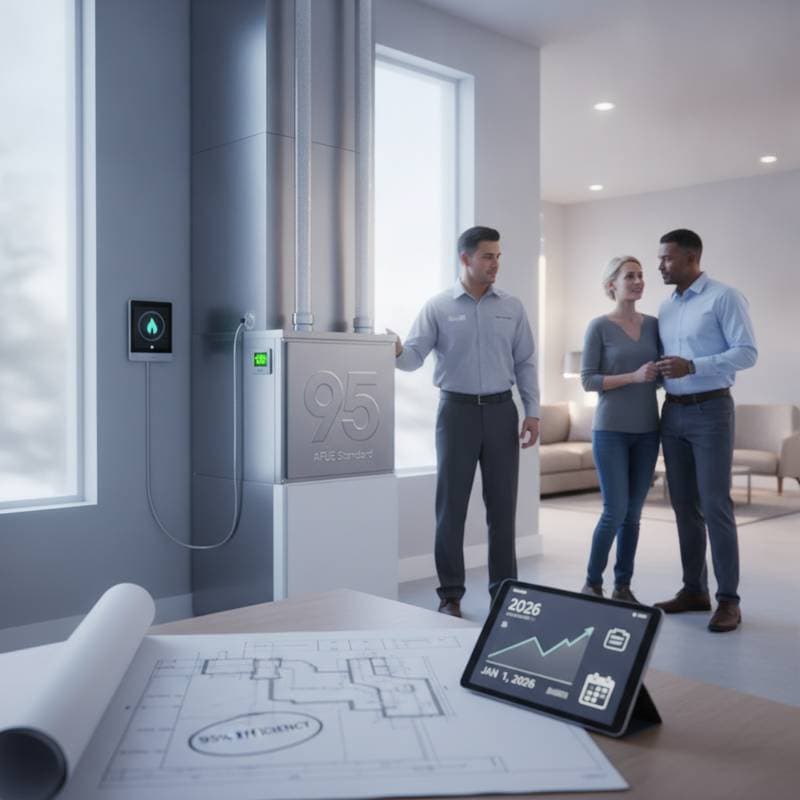
Signs It Is Time to Electrify Your HVAC System
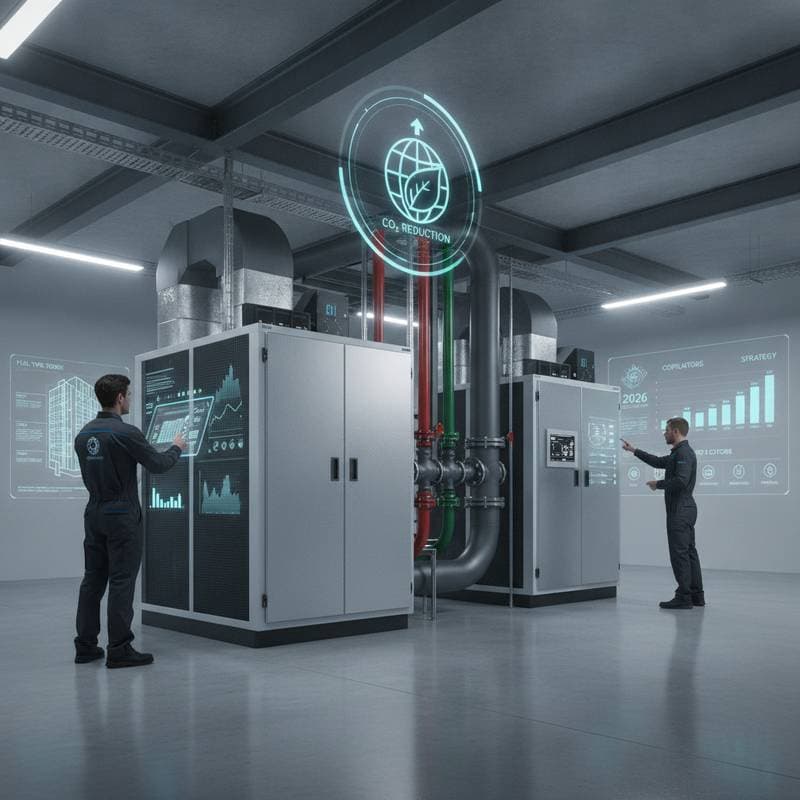
Homeowners face increasing pressure from gas bans set to expand in 2025. These regulations aim to reduce fossil fuel dependence and promote sustainable energy. Electric HVAC systems offer a reliable path forward. Consider the following indicators that signal the need for an upgrade.
- The gas furnace exceeds 15 years of age or requires frequent repairs.
- Energy bills continue to rise even with consistent maintenance.
- Indoor air quality declines due to combustion byproducts from gas appliances.
- Major renovations or solar panel installations are underway.
- Local policies advance toward restrictions on gas usage.
- A quieter, more efficient system with reduced emissions is desired.
Addressing these signs early prevents disruptions from mandatory compliance. Electric alternatives align with broader environmental goals while enhancing daily comfort.
Understanding Gas Bans and Their Impact
Gas bans represent a shift in building codes and utility policies across multiple regions. By 2025, several cities and states will prohibit new gas connections in residential construction. Existing homes may face incentives or requirements to phase out gas appliances. This movement targets a decrease in greenhouse gas emissions from heating and cooling, which account for nearly half of home energy use.
For homeowners, these changes mean planning ahead to avoid higher costs or service interruptions. Electric HVAC systems, powered by heat pumps or resistance heating, eliminate on-site fossil fuel combustion. They integrate well with renewable sources like solar, positioning homes for energy independence. The transition supports national efforts to combat climate change without sacrificing performance.
Benefits of Electric HVAC Systems
Electric systems provide multiple advantages over traditional gas setups. Efficiency ratings often exceed 300 percent for heat pumps, far surpassing gas furnace efficiencies of 80 to 95 percent. This translates to lower operational costs, especially in regions with time-of-use electricity rates.
Emissions drop significantly, as electricity generation increasingly shifts to renewables. Indoor air quality improves without combustion byproducts like carbon monoxide or nitrogen oxides. Modern units operate quietly, often below 50 decibels, and offer precise temperature control through smart thermostats.
Long-term resilience comes from reduced maintenance needs and compatibility with home automation. Homeowners gain flexibility for future upgrades, such as battery storage, ensuring adaptability to evolving energy landscapes.
The HVAC Electrification Process
Transitioning to an electric HVAC system involves a structured approach. Professionals guide each phase to minimize disruption and maximize performance. The process typically spans several days, depending on home size and existing infrastructure.
- Home Assessment: A certified technician inspects the current HVAC setup, insulation levels, and electrical capacity. This step identifies compatibility issues and estimates energy savings.
- System Selection: Options include air-source heat pumps for moderate climates or ground-source models for varied conditions. Factors like home square footage and zoning needs inform the choice.
- Electrical Upgrades: Panels and wiring receive updates if needed to support higher loads. This may involve adding a subpanel or upgrading service entrance capacity.
- Duct or Zoning Setup: Existing ducts undergo cleaning and sealing, or ductless mini-splits install for targeted zones. This ensures balanced airflow throughout the home.
- Installation: The gas furnace, venting, and related components remove safely. The new electric system installs with attention to refrigerant lines and condensate drainage.
- Testing and Calibration: Airflow, temperature consistency, and energy efficiency undergo thorough checks. Adjustments optimize performance for the specific home environment.
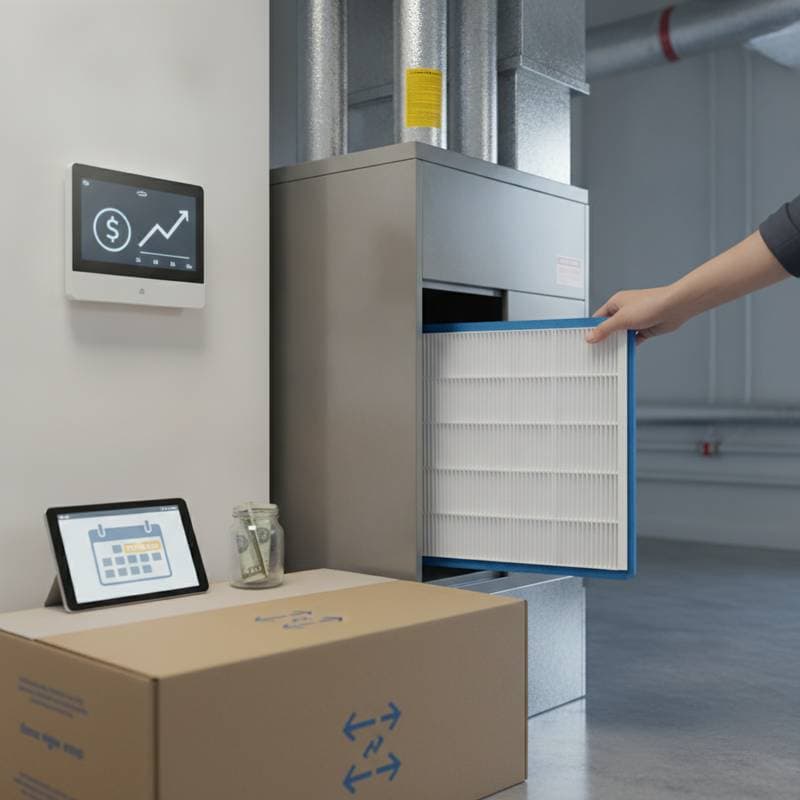
- Ongoing Maintenance: Annual inspections and filter changes maintain peak operation. Technicians monitor for issues like refrigerant leaks or coil fouling.
Following this process guarantees a reliable installation. Homeowners receive documentation and tips for daily use.
Labor Costs for Electrification Projects
Costs vary based on system type, home size, and location. Labor typically accounts for 40 to 60 percent of the total project expense. Expect to pay between $5,000 and $15,000 for a full conversion in a standard 2,000-square-foot home.
Heat pump installations range from $4,000 to $8,000 in labor alone, including removal of old equipment. Ductless systems add $1,000 to $3,000 per indoor unit for zoning. Electrical upgrades, such as panel replacements, cost $1,500 to $4,000 depending on complexity.
Geothermal systems demand higher labor at $10,000 to $20,000 due to excavation for ground loops. Factors like accessibility and permitting influence final figures. Quotes from multiple contractors provide accurate estimates, often including warranties on workmanship.
Incentives from federal programs, such as the Inflation Reduction Act, offset these costs. Rebates up to $2,000 per system reduce the net investment. Consulting local utilities reveals additional savings opportunities.
Frequently Asked Questions About HVAC Electrification
Is electrifying the HVAC system truly better for the environment?
Electric systems generate fewer direct emissions, particularly when coupled with renewable energy sources. They remove on-site combustion entirely, which enhances indoor air quality and reduces contributions to outdoor pollution.
Will switching to electric heating and cooling save money?
Many homeowners experience reduced monthly energy expenses, especially with efficient heat pumps. Although upfront costs exceed those of repairs, long-term savings and available incentives frequently offset the difference within five to seven years.
Can a heat pump function effectively in cold climates?
Advanced cold-climate heat pumps maintain efficiency down to minus 15 degrees Fahrenheit. Supplemental electric resistance elements or dual-fuel options provide reliability during severe weather events.
Does the entire HVAC system require replacement?
Full replacement is not always necessary. If components like the air handler remain viable, hybrid configurations integrate electric heating seamlessly. A professional assessment determines the optimal approach.
Are rebates or incentives available for electrification?
Utilities, state programs, and federal tax credits provide substantial support. Amounts vary by location but can cover 30 percent or more of installation costs. Eligibility often requires energy-efficient models certified by Energy Star.
How long does the installation process take?
Standard conversions complete in one to three days for most homes. Complex projects, including geothermal setups, extend to one week due to groundwork and permitting. Scheduling during mild weather minimizes discomfort.
Plan Your Transition to Electric Comfort
Electrifying the HVAC system prepares homes for regulatory shifts and energy efficiency demands. This upgrade decreases fossil fuel reliance, lowers expenses, and delivers superior comfort through advanced technology. Communities adopting gas phase-outs benefit from proactive planning.
Contact certified HVAC professionals for a personalized assessment. Compare heat pump varieties, review cost breakdowns, and secure competitive bids. This step ensures a smooth upgrade tailored to specific needs and budgets.