Navigating MERV 13 Filter Shortages: Safeguarding Your Home's Air Quality
If your home's air felt stuffier this spring, the sensation was real for many. Homeowners across regions faced challenges in obtaining MERV 13 filters, essential for maintaining cleaner indoor environments. These filters excel at capturing fine particles such as pollen, pet dander, smoke, and certain airborne bacteria. The resulting shortages led to compromised comfort and health. This article explains the causes of the shortage, its impacts on residential HVAC systems, and practical strategies to preserve air quality.
Understanding MERV 13 Filters
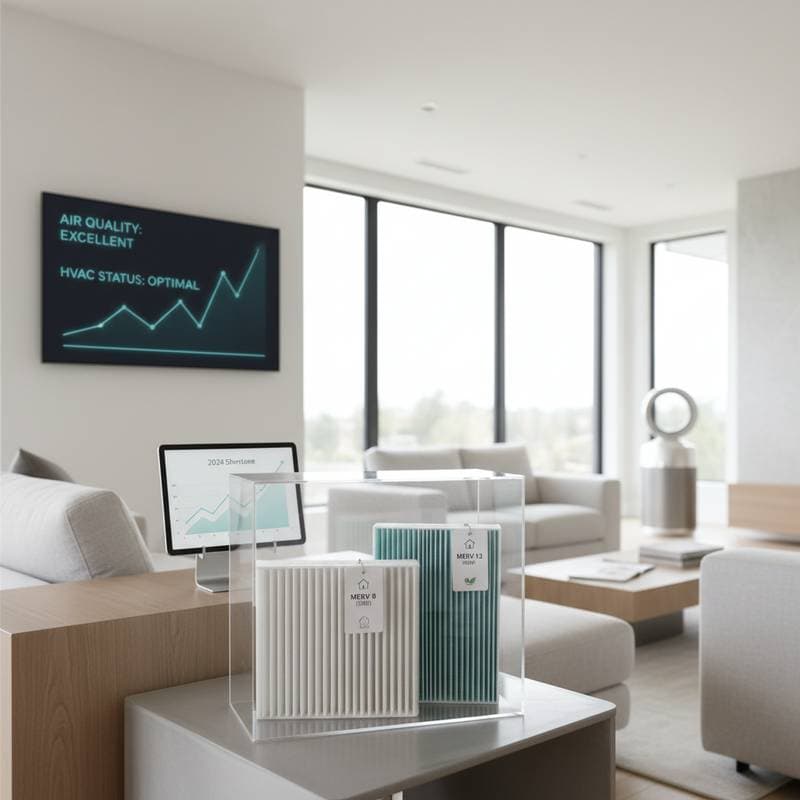
MERV represents Minimum Efficiency Reporting Value, a standardized scale from 1 to 20 that evaluates an air filter's particle-capture efficiency. Higher ratings indicate better performance against smaller particles. A MERV 13 filter targets particles down to 0.3 microns in size, effectively trapping allergens, smoke residues, and some microbial contaminants. This rating offers robust filtration while remaining suitable for typical home HVAC setups, avoiding excessive strain on blowers or reduced airflow.
Homeowners select MERV 13 filters for their proven role in enhancing indoor air without necessitating system overhauls. Professional installers often recommend this level for households prioritizing health, particularly those with allergy sufferers or high dust exposure.
Causes of the Spring MERV 13 Shortage
The MERV 13 filter shortage emerged from a confluence of supply constraints and heightened demand. Production bottlenecks and distribution delays amplified the issue, affecting availability nationwide.
Supply Chain Interruptions
Key materials for MERV 13 filters, including specialized synthetic media, faced sourcing difficulties due to global logistics challenges. Factories experienced slowdowns from raw material shortages, while transportation delays extended lead times from weeks to months. These disruptions created immediate gaps on retailer shelves and online platforms.
Surge in Residential HVAC Improvements
A wave of home renovations and system upgrades followed increased focus on energy savings and air purity. As awareness grew about MERV 13 benefits, consumers shifted from basic MERV 8 options, overwhelming suppliers. HVAC contractors reported doubled orders, straining inventory levels.
Heightened Public Focus on Air Purity
Public health discussions elevated concerns over indoor pollutants, prompting families to seek advanced filtration. This trend accelerated filter upgrades, with retail data showing a 40 percent rise in high-MERV inquiries. The pivot caught manufacturers off guard, limiting residential allocations.
Institutional Procurement Pressures
Healthcare facilities, educational institutions, and commercial spaces prioritized MERV 13 filters to comply with enhanced ventilation guidelines. Bulk purchases by these entities diverted significant portions of production, reducing stock for individual consumers. Government incentives for building upgrades further intensified competition.
Impacts of the Shortage on Residential Systems
Filter unavailability extends beyond inconvenience, posing risks to health and home infrastructure. HVAC systems demand regular, appropriate filtration to function optimally, and deviations invite complications.
Declining Indoor Air Standards
Absence of MERV 13 filtration permits greater circulation of irritants like dust, pollen, and dander. During peak allergy periods, this escalation aggravates symptoms for sensitive individuals, including those with asthma. Indoor environments become less hospitable, potentially increasing reliance on medications or medical visits.
Elevated Energy Consumption
Clogged or suboptimal filters impede airflow, forcing HVAC units to operate at higher intensities. This added workload raises electricity usage by up to 15 percent, according to efficiency studies. Monthly bills reflect the strain, eroding the cost savings from modern systems.
Equipment Wear and Tear
Operating without proper filters or with ill-fitting substitutes allows debris to infiltrate critical components like coils and blowers. Over time, this accumulation diminishes performance, accelerates breakdowns, and shortens system lifespan by years. Repair costs can escalate quickly without preventive measures.
Strategies for Managing Filter Shortages
Homeowners can mitigate shortage effects through informed choices and routine care. These steps maintain system integrity and air quality amid supply fluctuations.
Evaluate Alternatives with Care
In the absence of MERV 13 options, a MERV 11 filter serves as a viable interim choice, capturing many fine particles while preserving airflow. Consult your HVAC manual or a certified technician to ensure compatibility, as mismatches can harm efficiency. Avoid dropping below MERV 8 to prevent significant air quality drops.
Implement Thorough System Upkeep
Regularly vacuum return vents and clean intake registers to minimize dust entry. Monitor filter condition visually each month, replacing upon signs of discoloration or resistance. These habits extend filter life and support overall HVAC performance during lean times.
Stockpile Strategically
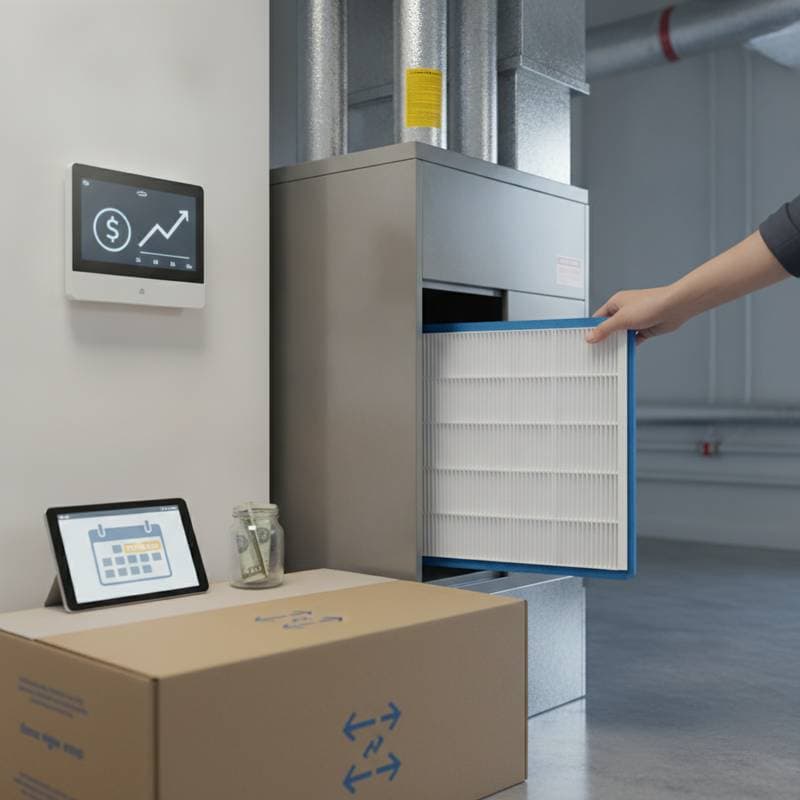
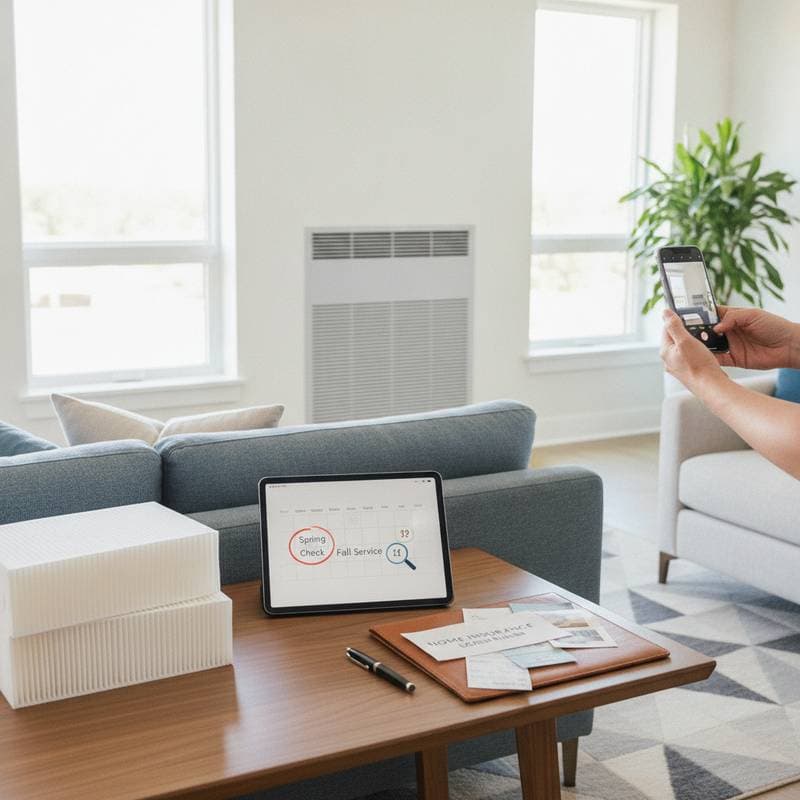
Acquire multiple filters matching your system's dimensions when supplies normalize. Store extras in sealed packaging within a cool, dry area to prevent degradation. This preparation avoids last-minute scrambles and ensures seamless replacements every three months.
Engage Expert Services
Arrange an annual inspection by a qualified HVAC professional to assess airflow dynamics and filter fit. Technicians can suggest custom solutions, such as adjustable filter housings, tailored to shortage risks. Early intervention prevents costly damages from improper adaptations.
Comparing MERV 13 Filters to Supplemental Purification
During shortages, many explored add-on devices for air cleaning. While beneficial, these complement rather than replace central filtration.
Room-Specific Purifiers
Portable units equipped with HEPA media effectively treat targeted spaces like living rooms or nurseries. They cycle air multiple times hourly, reducing localized pollutants. Limitations include coverage scope; larger homes require multiple devices for comprehensive results.
Integrated Whole-House Solutions
Technician-installed purifiers integrate with HVAC ducts, employing electrostatic or UV technologies to neutralize contaminants house-wide. These enhance MERV 13 performance by addressing particles beyond mechanical capture. Installation costs vary, but long-term health gains justify the investment for high-risk households.
Frequently Asked Questions
Why Do MERV 13 Filters Gain Popularity?
These filters outperform standard models by capturing sub-micron particles like smoke and bacteria, yielding measurable air quality improvements. They integrate easily into existing residential systems, delivering health benefits without complex retrofits.
Is a Higher MERV Rating Always Better?
Higher ratings, such as MERV 16, demand greater airflow capacity, which standard home units may lack. Excessive restriction leads to system strain; verify manufacturer guidelines or seek professional advice before upgrading.
What Is the Ideal Replacement Schedule for MERV 13 Filters?
Replace every 90 days under normal conditions, adjusting for factors like pet presence or outdoor pollution levels. Monthly inspections reveal buildup; early changes prevent efficiency losses and maintain peak filtration.
What Risks Arise from Filterless Operation?
Unfiltered air carries debris directly to internal components, coating coils and motors with residue. This fosters inefficiency, frequent failures, and repair expenses exceeding filter costs by multiples.
Do Washable Filters Serve as Reliable Alternatives?
Reusable filters suit basic dust control but fall short on fine particle capture compared to MERV 13 disposables. Cleaning requires meticulous rinsing and drying to avoid mold growth; they demand more maintenance and may not meet health-focused needs.
Proactive Steps for Sustained Air Quality
The MERV 13 shortage highlighted filtration's critical role in home wellness. Build resilience by maintaining a filter inventory, committing to quarterly system checks, and exploring purification enhancements. These actions secure fresher air, lower operating costs, and prolonged equipment reliability year-round.