How Propane Heating Reduces Bills by 55 Percent in Cold Climates
Heating expenses escalate in regions with severe winters, prompting homeowners to seek systems that balance comfort and affordability. Propane heating delivers substantial savings, often cutting bills by up to 55 percent relative to electric or oil alternatives. These systems excel through efficient fuel use and consistent output, even in subzero conditions.
This overview details propane's advantages, explores system varieties, examines installation expenses, and offers practical guidance for long-term efficiency. Homeowners gain tools to evaluate options suited to their properties and financial needs.
Propane's Superior Performance in Harsh Winters
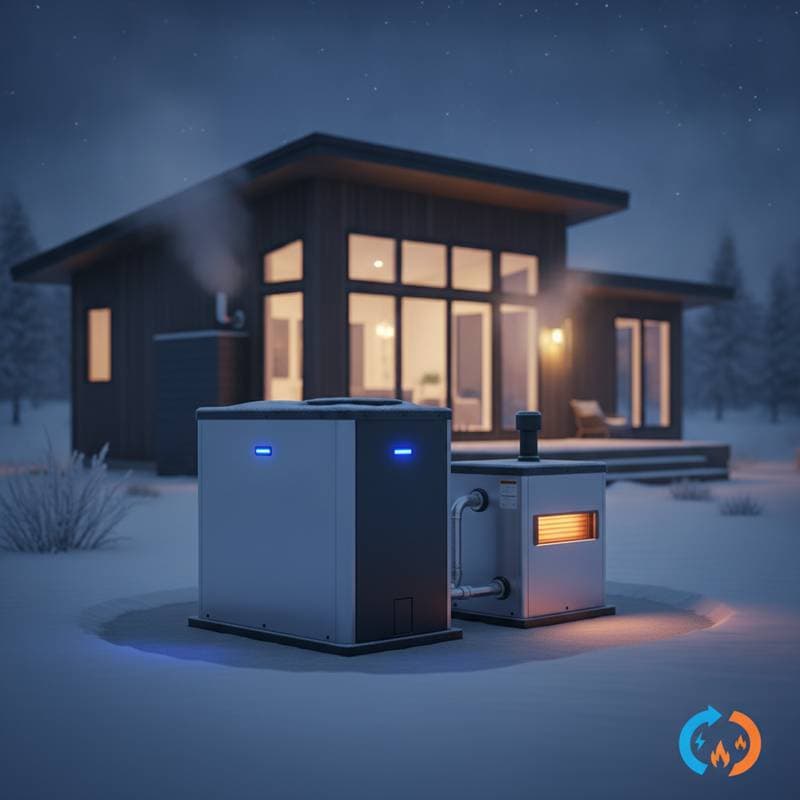
Standard electric heat pumps falter in low temperatures, as they struggle to draw heat from frigid outdoor air. Propane-based solutions, particularly hybrid or dual-fuel models, sustain effectiveness regardless of weather extremes. These systems integrate propane combustion to supplement or replace electric components when efficiency wanes.
Essential Benefits of Propane During Cold Spells
- Steady Warmth Delivery: Propane furnaces generate air at 115 degrees Fahrenheit to 125 degrees Fahrenheit, ensuring even distribution and superior comfort over electric counterparts.
- Uninterrupted Functionality: Independent of ambient air, propane units operate reliably through prolonged freezes or storms.
- Optimized Fuel Use: Propane combusts with high efficiency and low residue, minimizing energy loss and associated upkeep expenses.
- Integration with Emergency Power: Stored propane fuels heating alongside generators, providing resilience against outages common in winter.
Varieties of Propane Heating Solutions
Several propane configurations suit diverse home setups, each balancing efficiency, upfront costs, and heating distribution.
Propane Furnaces
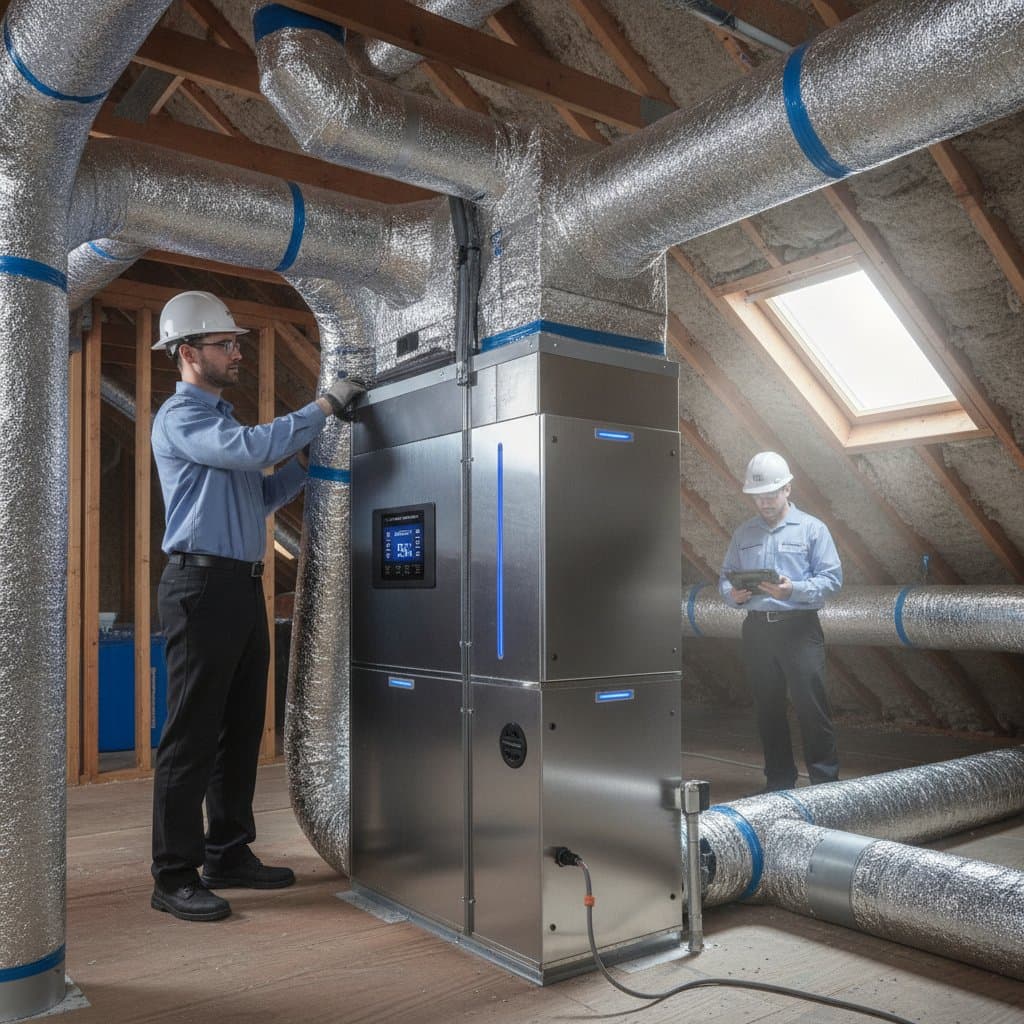
Propane furnaces ignite fuel to warm air circulated via ducts. Suited for whole-home applications in single-family residences, advanced condensing models achieve 98 percent efficiency. They integrate seamlessly with existing infrastructure for broad coverage.
Hybrid Propane Heat Pumps
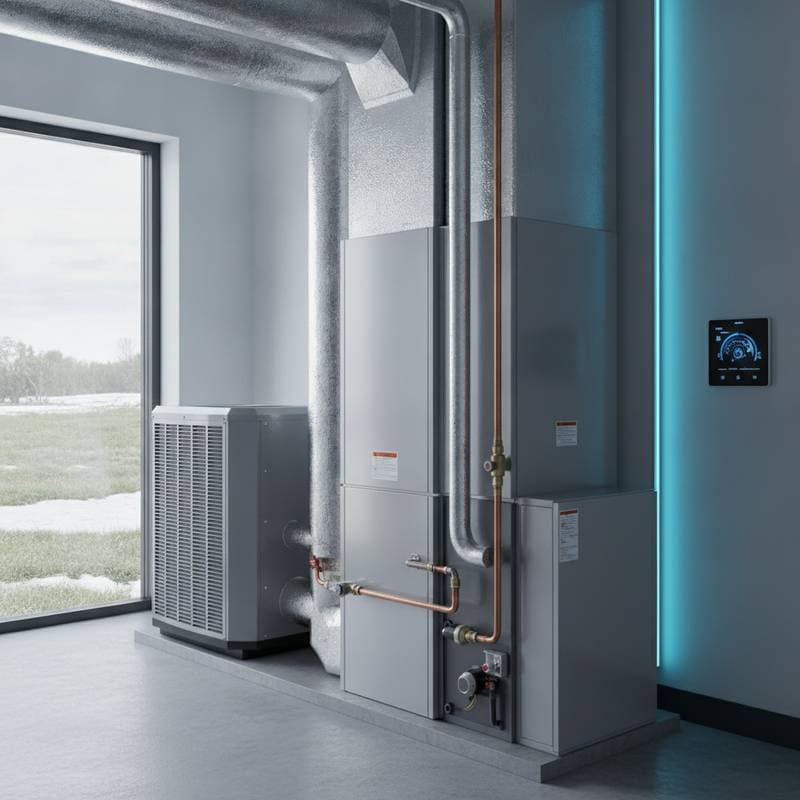
These units merge electric heat pump mechanics with propane supplementation. The system shifts to propane mode automatically below optimal electric thresholds, preserving energy savings year-round. Such designs prove ideal for variable climates with occasional deep colds.
Propane Boilers
Boilers employ propane to warm water or steam, feeding radiant floors or baseboard radiators. This method yields gentle, uniform heat without the aridity of forced-air delivery. Homeowners appreciate the quiet operation and zoned control possibilities.
Direct-Vent Propane Heaters
Compact units vent combustion outdoors while heating targeted areas like workshops or additions. They bypass duct requirements, offering flexible supplemental warmth at lower installation demands.
Typical Costs for Propane Heating Installations| System Type| Average Installed Cost | Key Features|
|--------------------------|------------------------|---------------------------------------|
| Propane Furnace| $3,000 to $6,000| Ducted central heating|
| Propane Boiler| $4,000 to $8,000| Water-based radiant or radiator systems |
| Hybrid Propane Heat Pump | $5,500 to $9,000| Electric-propane dual operation|
| Propane Space Heater| $1,000 to $2,500| Localized venting for small areas|
Initial outlays exceed basic electric setups, yet propane recoups costs rapidly via reduced operational expenses and extended durability. Factors like home layout influence final pricing.
Elements Influencing Propane Heating Expenses
Property Dimensions and Thermal Barriers
Expansive or drafty structures demand higher British Thermal Units for steady temperatures, elevating fuel needs. Enhancing insulation in attics, walls, and foundations curbs heat escape, amplifying system performance.
Unit Efficiency Ratings
Superior models convert more fuel into usable heat, demanding less propane overall. Select Energy Star-rated equipment to qualify for potential rebates and achieve optimal returns.
Regional Fuel Availability
Propane rates fluctuate with market conditions and delivery logistics. Securing bulk purchases or supplier partnerships locks in favorable pricing over time.
Setup and Expertise Fees
Contractor charges vary by geography and project scope. Remote locations might incur added transport, though competitive bidding mitigates this.
Upkeep Requirements
Propane's clean burn reduces component wear, keeping service intervals straightforward. Annual professional checks prevent issues and sustain warranties.
Sustainability Advantages of Propane Systems
As a byproduct of natural gas processing, propane emits 50 percent less carbon dioxide than equivalent coal-generated electricity. It avoids sulfur content entirely and limits particulate matter, benefiting both atmosphere and indoor environments.
Hybrid variants incorporate low-global-warming-potential refrigerants, aligning with green standards. Homeowners thus secure efficient heating that supports environmental goals without sacrificing reliability.
Common Questions on Propane Heating
What Savings Does Propane Offer on Heating?
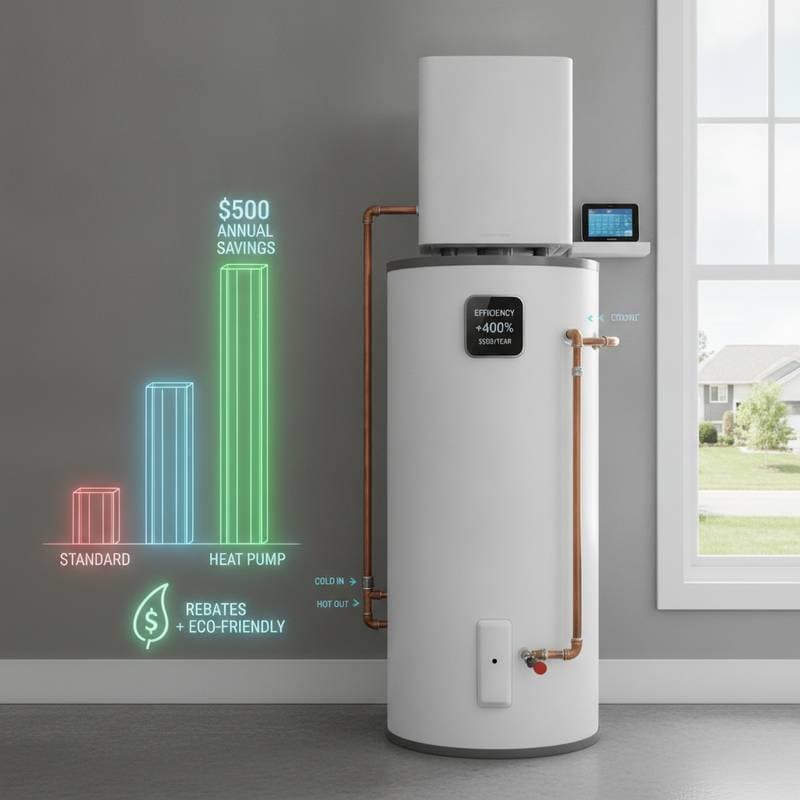
Propane typically lowers bills 40 to 55 percent versus electric or oil baselines. Savings hinge on local rates, dwelling scale, and barrier quality. In extreme colds, propane avoids the efficiency dips plaguing pure electric systems.
What Is the Recommended Service Frequency?
Annual inspections suit most propane furnaces and boilers. Technicians clean ignition areas, inspect lines, and confirm venting integrity. Such routines prolong equipment life and efficiency.
What Lifespan Expect for Propane Units?
Furnaces endure 15 to 20 years under routine care, with boilers and hybrids often reaching 25 years. Propane's stability in cold outlasts electric peers exposed to thermal stress.
Do Propane Systems Pose Indoor Risks?
Professional installations ensure safety through sealed chambers and exhaust routing. No combustion byproducts enter living spaces, and periodic checks uphold compliance.
Is Retrofitting to Existing Ducts Feasible?
Propane furnaces adapt to standard ducts with minimal adjustments. Transitions from other fuels proceed efficiently in compatible homes.
Securing Estimates for Propane Installations
Multiple contractor bids reveal optimal value and expertise. Prioritize firms versed in cold-weather adaptations for precise recommendations.
Key Inquiries for Installers
- What is your track record with propane systems in frigid areas?
- Which capacity matches my home's square footage and insulation?
- How do you position the tank and implement safety protocols?
- What ongoing maintenance plan do you propose?
- Are incentives available for propane conversions locally?
- Does this integrate with current ducts or hydronic setups?
- What are the efficiency specs of suggested units?
- How do you manage urgent winter repairs?
- What coverage applies to components and workmanship?
- Do you offer service contracts or fuel supply?
Optimizing Propane System Longevity
Propane heating equips cold-climate residents with dependable comfort at reduced costs. High-efficiency selections, coupled with insulation upgrades and diligent care, yield bill reductions exceeding half. New constructions or retrofits benefit from propane's blend of robustness, economy, and eco-consciousness for enduring winter readiness.