How Dual-Fuel Systems Reduce Heating Costs by 38 Percent in 2026
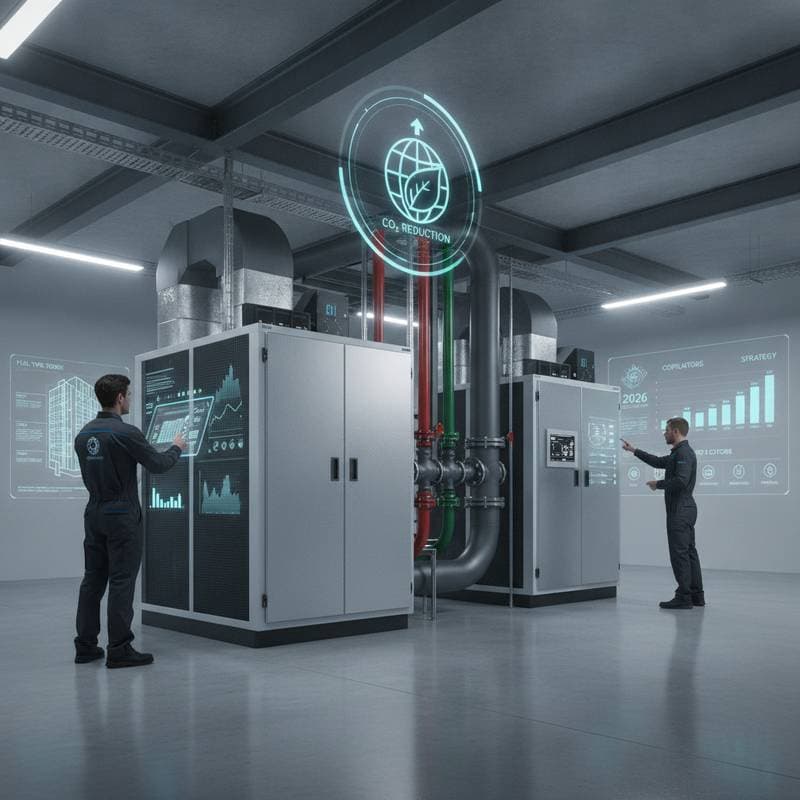
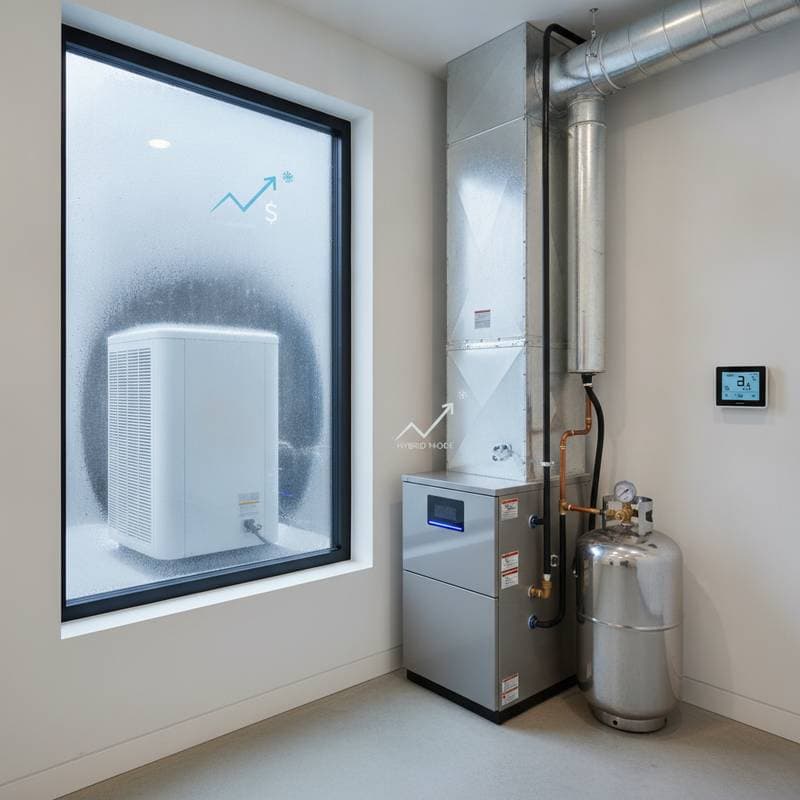
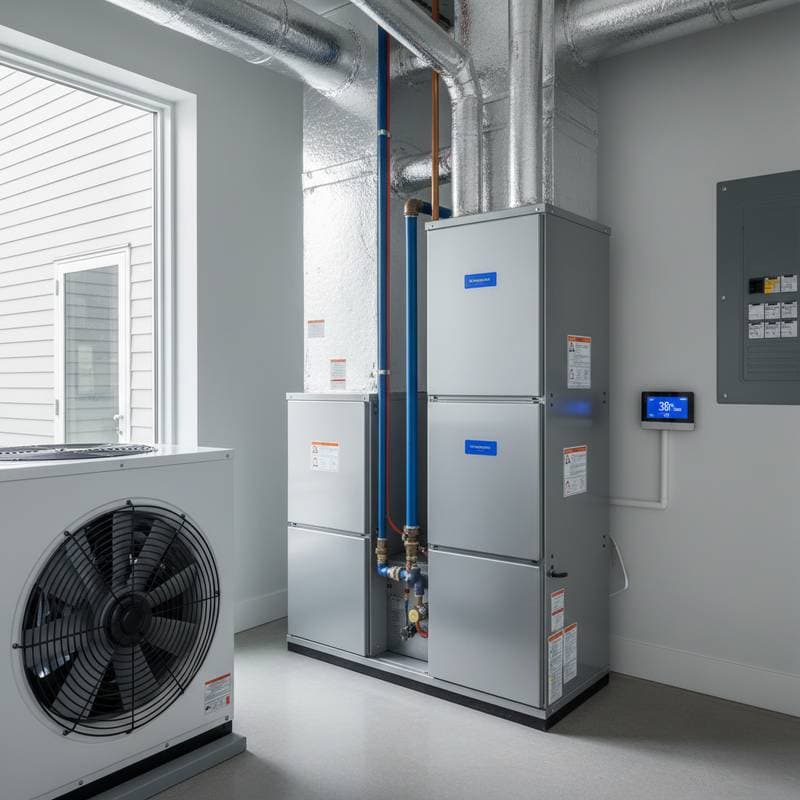
Homeowners seeking lower heating bills often explore advanced options like dual-fuel HVAC systems, sometimes called hybrid heating setups. These systems integrate an electric heat pump for efficient operation in moderate weather with a gas furnace for intense cold snaps. The system switches automatically to select the most cost-effective energy source based on outdoor temperatures, potentially reducing heating expenses by up to 38 percent amid rising energy prices.
Factors such as local climate, utility rates, and home size influence these savings. This guide details the mechanics of dual-fuel systems, installation expenses, and strategies for maximizing returns. It also addresses maintenance requirements and essential considerations for system upgrades.
Typical Costs for Installing a Dual-Fuel HVAC System
A full dual-fuel HVAC installation ranges from $7,500 to $13,500, varying by home dimensions, equipment power, and manufacturer. Although the upfront price exceeds that of traditional single-source heaters, the system's superior efficiency recoups the investment through reduced utility payments, often within three to five years.
| Component | Average Cost | Details |
|---|---|---|
| Heat Pump Unit | $3,500 – $7,000 | Handles primary heating and all cooling needs |
| Gas Furnace | $2,000 – $4,500 | Activates as backup during extreme cold |
| Installation Labor | $2,000 – $3,500 | Covers duct connections, electrical work, and testing |
| Thermostat and Controls | $200 – $600 | Enables precise automatic mode transitions |
| Total Installed Cost | $7,500 – $13,500 | Full hybrid system ready for operation |
Properties in areas with variable weather patterns gain the most value, as the dual-fuel design optimizes energy use across seasons.
Key Factors Affecting Dual-Fuel Installation Expenses
Multiple elements determine the final price of a dual-fuel HVAC project. Homeowners who grasp these variables can budget effectively and compare contractor bids with confidence.
Home Size and System Capacity
Bigger residences demand robust units with elevated BTU outputs. For instance, a compact 1,500-square-foot home might suffice with a 2-ton heat pump, whereas a 3,000-square-foot house could need a 5-ton model. Higher-capacity equipment increases both material and labor costs proportionally.
Energy Efficiency Specifications
Units boasting superior SEER2 ratings for cooling and AFUE ratings for heating command premium prices initially. Yet these models, equipped with variable-speed fans and intelligent sensors, deliver amplified savings over time. Selecting high-efficiency options aligns with long-term financial goals.
Regional Labor Variations
Contractor fees differ by location. In metropolitan zones, expect 10 to 20 percent higher charges due to elevated wages and operational overheads. Rural installations often prove more economical.
Existing Ductwork Assessment
Well-maintained ducts allow seamless integration, keeping additional expenses low. However, if ducts show leaks, insulation gaps, or corrosion, replacements become necessary, inflating the budget by $1,500 to $3,000. A pre-installation inspection identifies these issues early.
Advanced Thermostat Compatibility
Effective dual-fuel operation hinges on sophisticated controls that monitor temperature thresholds and adjust fuel sources. Upgrading to a smart model not only enhances efficiency but also unlocks potential rebates from utility providers.
Available Rebates and Financial Aids
Government and utility initiatives frequently offer incentives for energy-saving HVAC upgrades. Tax credits or direct rebates can shave hundreds off the total, with amounts tied to system efficiency and local programs. Researching these opportunities before purchase maximizes affordability.
Frequently Asked Questions About Dual-Fuel HVAC Systems
What Is the Expected Lifespan of a Dual-Fuel System?
Proper care extends a dual-fuel system's service to 18 to 25 years. Heat pumps generally endure 15 years, while furnaces often reach 20 years or beyond. Routine tasks like filter replacements and professional inspections sustain peak performance.
Is Retrofitting an Existing Setup to Dual-Fuel Feasible?
Most homes with a functional gas furnace can add a heat pump for hybrid functionality. Retrofitting costs $5,000 to $9,000, factoring in compatibility checks and control modifications. A qualified technician evaluates viability during a site visit.
Which Climates Suit Dual-Fuel Systems Best?
Regions featuring harsh winters alongside moderate fall and spring periods see optimal results. The automatic switchover thrives in transitional weather, preventing inefficient operation in single-mode systems.
In What Ways Do Dual-Fuel Systems Conserve Energy Over Alternatives?
Standard furnaces burn fuel directly, capping efficiency at their AFUE level. Heat pumps, by contrast, extract ambient heat with minimal electricity. Dual-fuel setups leverage each technology's strengths, minimizing overall consumption by matching modes to conditions.
What Maintenance Schedule Applies to Dual-Fuel Systems?
Annual servicing covers both components. Technicians verify refrigerant charges, secure gas lines, examine wiring, and clear debris from coils. This regimen prevents breakdowns and preserves efficiency ratings.
Does a Dual-Fuel System Handle Cooling Duties?
The integrated heat pump doubles as an air conditioner in summer. This all-in-one approach avoids separate unit installations, streamlining home setups and cutting long-term costs.
Securing Quotes for Your Dual-Fuel HVAC Upgrade
Obtaining bids from certified HVAC experts forms the foundation of a successful installation. Unique home traits like insulation quality and layout shape system needs. Multiple quotes reveal competitive pricing and tailored recommendations.
Essential Questions for HVAC Contractors
- Which heat pump and furnace models suit my home's size and local weather?
- How do you calculate the switchover temperature for balancing electric and gas use?
- What rebates or payment plans exist for dual-fuel installations in this area?
- Can my current ducts and thermostat integrate with the new system?
- What is the projected timeline for installation, and what warranties apply?
- Do you provide ongoing maintenance packages?
- How can I track energy use and system efficiency post-installation?
- What yearly savings might I expect versus my present heater?
- Will you perform a detailed load calculation for accurate sizing?
- What steps ensure top efficiency in the initial winter?
These inquiries illuminate project scope, costs, and performance expectations.
Safeguarding and Optimizing Your Dual-Fuel System
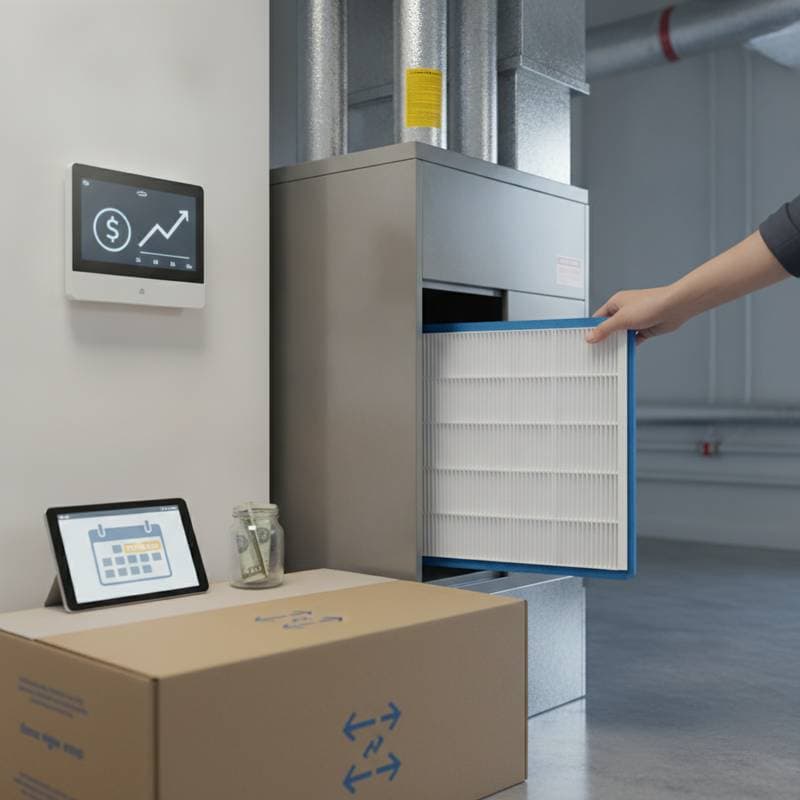
Dual-fuel HVAC represents a strategic choice for reliable comfort and reduced energy demands. Owners typically report steadier indoor temperatures and noticeable bill drops. To sustain these advantages, commit to yearly tune-ups, replace air filters quarterly, and calibrate thermostat settings seasonally.
Upgrading to this technology positions households for substantial savings, up to 38 percent on heating. Partnering with skilled professionals ensures the system aligns with your home's specifics, delivering enduring efficiency and peace of mind.