Understanding MERV 13 and HEPA Filters for Enhancing Home Air Quality
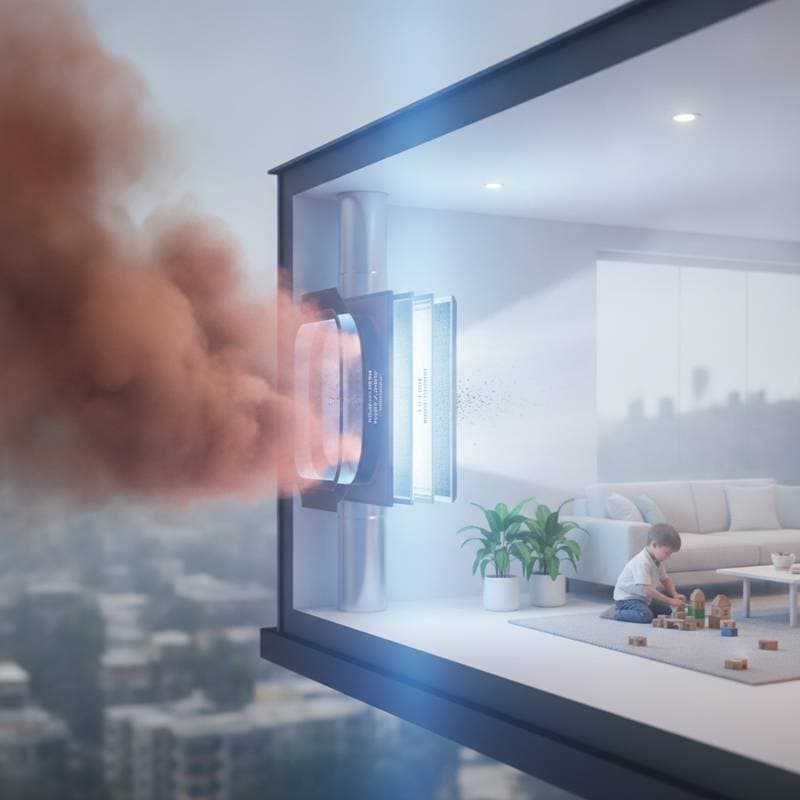
Homeowners seek straightforward methods to boost indoor air quality, and replacing HVAC filters ranks among the most accessible improvements. MERV 13 filters and HEPA filters stand out as leading high-efficiency choices. These options trap fine contaminants like dust, pollen, and bacteria, yet they vary significantly in performance, system fit, and expense.
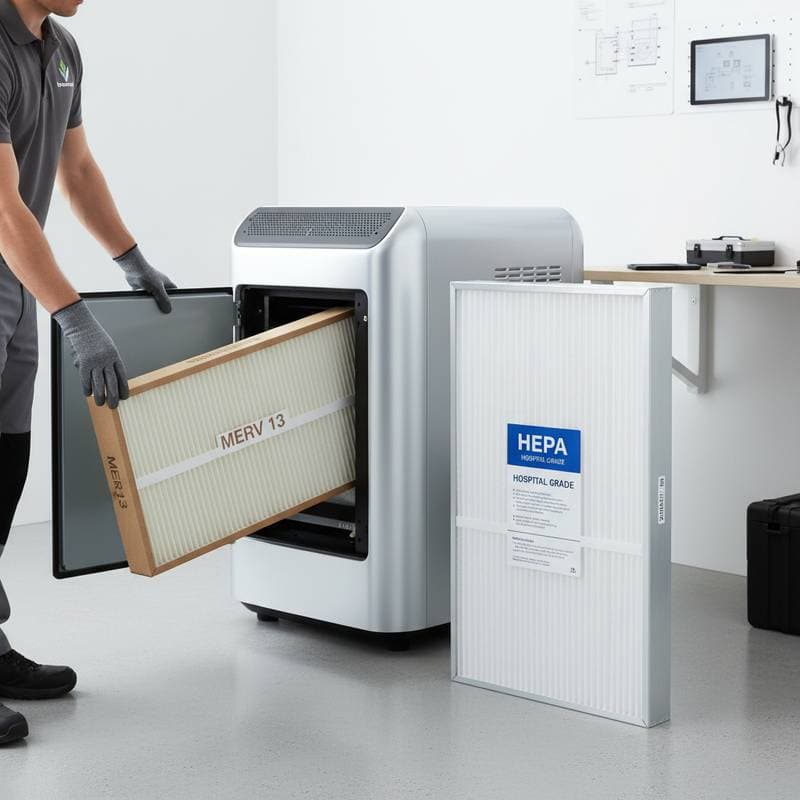
MERV 13 filters generally cost between $15 and $40 per unit, influenced by dimensions and manufacturer. HEPA filters range from $40 to $120 apiece and frequently necessitate system adjustments or independent devices. This guide details the primary distinctions, setup factors, air quality impacts, and the preferable selection for typical residential applications.
Costs Associated with MERV 13 and HEPA Filters
Upgrade expenses hinge on filter variety, compatibility with existing equipment, and replacement intervals. The following table offers a broad overview.
| Filter Type | Average Cost per Filter | Efficiency Level | Typical Application |
|---|---|---|---|
| MERV 13 | $15 – $40 | Captures up to 90% of particles 1–3 microns in size | Standard residential HVAC setups |
| HEPA | $40 – $120 | Captures 99.97% of particles 0.3 microns and larger | Independent air cleaners or adapted HVAC systems |
Replacement Intervals
- MERV 13 filters: Change every 3 to 6 months, adjusted for local air conditions and system operation.
- HEPA filters: Change every 6 to 12 months, with elevated expenses and more demanding maintenance routines.
Setup Expenses
MERV 13 filters install effortlessly in compatible HVAC units by direct substitution. HEPA filters demand greater effort, such as retrofit components or separate purifiers. Hiring experts for duct modifications to accommodate HEPA can incur fees from $200 to $1,000.
Comparing MERV 13 and HEPA: Filtration Performance and Airflow Dynamics
| Aspect | MERV 13 | HEPA |
|---|---|---|
| Minimum Particle Size Captured | 0.3–1 micron | 0.3 micron |
| Overall Efficiency | Up to 90% | 99.97% |
| Airflow Impact | Moderate restriction | Substantial restriction |
| HVAC Integration | Fits conventional systems | Needs alterations or external units |
| Optimal Scenarios | Everyday allergen management and air refinement | Peak filtration in health-sensitive areas |
HEPA filters excel in removing microscopic particles compared to MERV 13 options. However, their denser construction restricts airflow in unmodified residential HVAC systems. MERV 13 filters deliver optimal equilibrium between contaminant removal and system functionality for the majority of households.
Step-by-Step DIY Installation Guidance for Homeowners
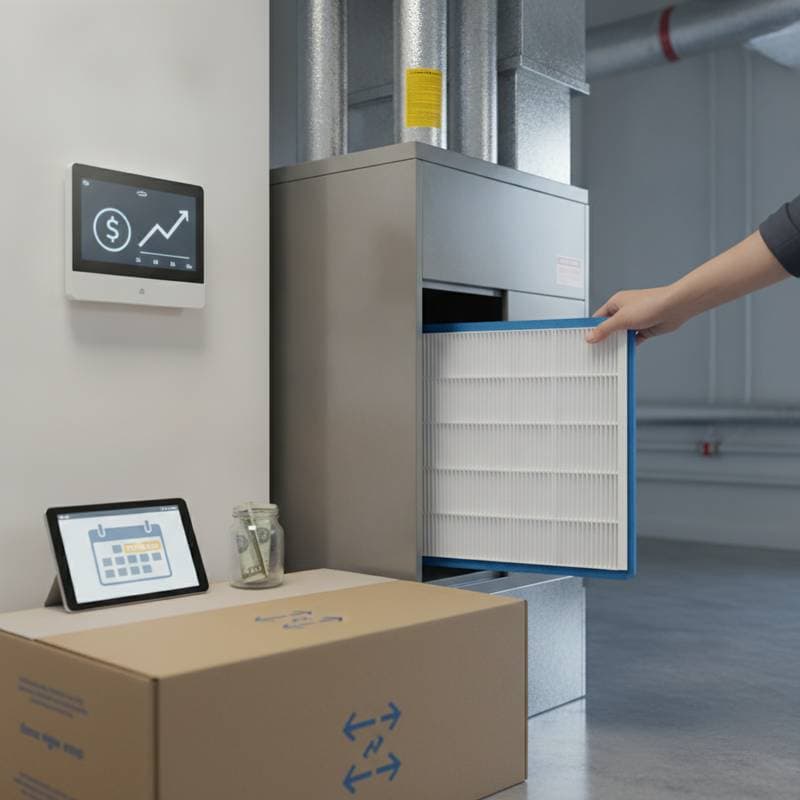
Most MERV 13 upgrades require no specialist intervention. Follow these steps for a secure replacement:
- Power down the HVAC system at the thermostat and main breaker.
- Locate and extract the existing filter, observing the directional arrows for airflow.
- Position the new MERV 13 filter, aligning arrows toward the air handler or blower compartment.
- Restore power, activate the system, and monitor vents for steady airflow without unusual noises.
HEPA filters pose challenges for DIY central system integration due to airflow demands. Opt for portable HEPA purifiers in this case, which plug into standard outlets and operate independently. Central retrofits involve professional assessment to avoid efficiency losses or seal failures.
Frequently Asked Questions on MERV 13 and HEPA Filters
Is a HEPA Filter Compatible with Standard Residential HVAC Systems?
Standard home HVAC designs accommodate limited airflow resistance, making direct HEPA installation risky. Such changes can diminish performance or trigger equipment strain. For HEPA benefits, install a dedicated whole-home bypass system or deploy portable units in high-traffic spaces.
What Is the Recommended Replacement Schedule for These Filters?
MERV 13 filters warrant replacement every 3 to 6 months under normal conditions. HEPA filters endure up to 12 months with careful use. Consult product guidelines to tailor intervals to your environment and filter specifications.
Does a MERV 13 Filter Influence Energy Consumption?
Higher-density MERV 13 filters introduce minor airflow reduction over basic models. In well-maintained systems, this effect remains negligible relative to the gains in air purity and occupant health.
Do MERV 13 Filters Effectively Combat Allergies?
MERV 13 filters excel at trapping pollen, pet dander, and mold particles, key allergens in homes. Their design supports robust filtration without compromising system operation, ideal for allergy sufferers.
How Can You Identify When a Filter Requires Replacement?
Observe indicators such as diminished vent output, excessive interior dust, escalating utility costs, or visible filter grime. Timely changes safeguard HVAC longevity and sustain air quality levels.
Engaging HVAC Experts for Advanced Air Quality Enhancements
MERV 13 swaps suit independent efforts, but HEPA integrations often demand professional oversight for precise fitting and balance. A certified technician verifies compatibility, adjusts airflow, and secures installations.
Essential Inquiries for Your HVAC Specialist
- Will my current system handle MERV 13 filters without issues?
- What adaptations are necessary to incorporate HEPA filtration?
- How might enhanced filters alter my energy expenditures?
- Do incentives exist for air quality improvements in my area?
- Which filter manufacturers offer superior durability and results?
- What maintenance cadence do you suggest post-upgrade?
- Can you assess air quality metrics pre- and post-installation?
- Provide a comprehensive quote covering parts and services.
- Discuss warranty implications of efficiency upgrades.
- Offer strategies to preserve airflow with advanced filters.
Sustaining Optimal Performance After Filter Upgrades
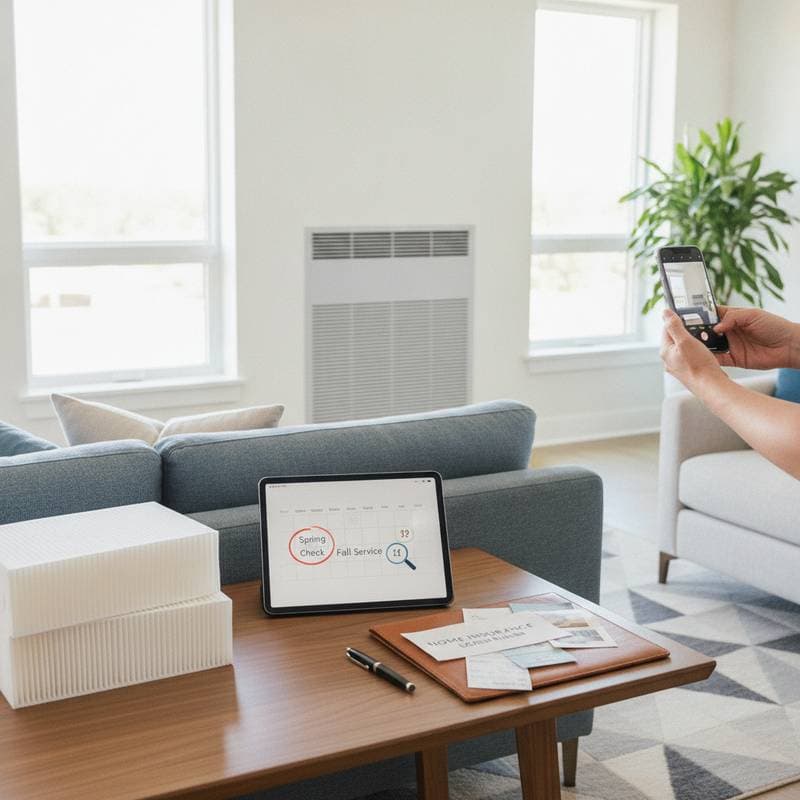
Regular upkeep preserves the effectiveness of new filters. Schedule replacements via calendar reminders and perform monthly visual checks during peak seasons. Complement central filters with occasional vent and duct vacuuming to minimize debris and prolong component life.
Pairing MERV 13 central filtration with targeted portable HEPA devices yields comprehensive coverage affordably. This strategy refines air throughout the home minus invasive changes. Consistent application of these measures fosters a salubrious atmosphere and bolsters HVAC reliability across seasons.