Five Costly DIY Air Filter Mistakes Homeowners Make
The Importance of Proper Air Filter Maintenance
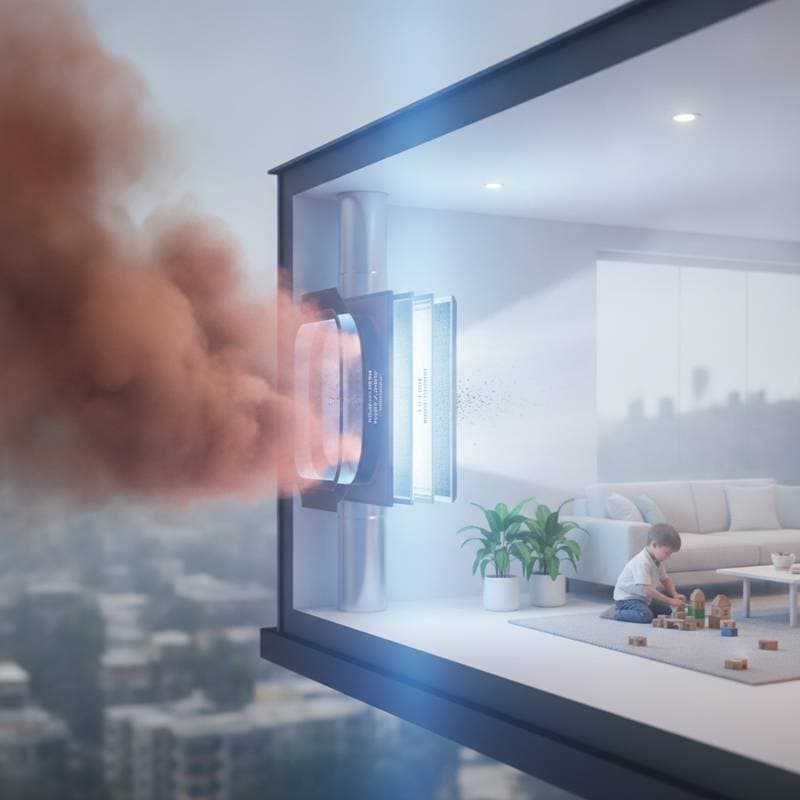
Air filters play a critical role in your HVAC system by capturing dust, pollen, and other particles to maintain clean indoor air. However, improper selection or handling of these filters can lead to reduced efficiency, higher energy consumption, and premature equipment failure. Homeowners who perform DIY maintenance often overlook key details that result in these issues.
This guide examines the five most frequent air filter mistakes, explains their consequences on system performance, and provides clear strategies to avoid them. By applying these recommendations, you can enhance airflow, extend equipment life, and lower annual operating costs.
Mistake 1: Selecting the Wrong Filter Size
One of the most basic yet overlooked errors involves purchasing a filter that does not match your HVAC unit's specifications. Filters come in standard sizes like 16x25x1 or 20x20x4, and using an ill-fitting one creates gaps that allow unfiltered air to bypass the media. This reduces filtration effectiveness and permits contaminants to circulate throughout your home.
Over time, mismatched filters strain the blower motor as it compensates for inconsistent airflow, potentially leading to overheating and repair bills exceeding $200. To prevent this, measure the filter slot in your return air duct or consult your HVAC manual for exact dimensions. Always verify the size label on the filter package before installation, and opt for rigid frames that fit securely without forcing.
Mistake 2: Ignoring Replacement Frequency
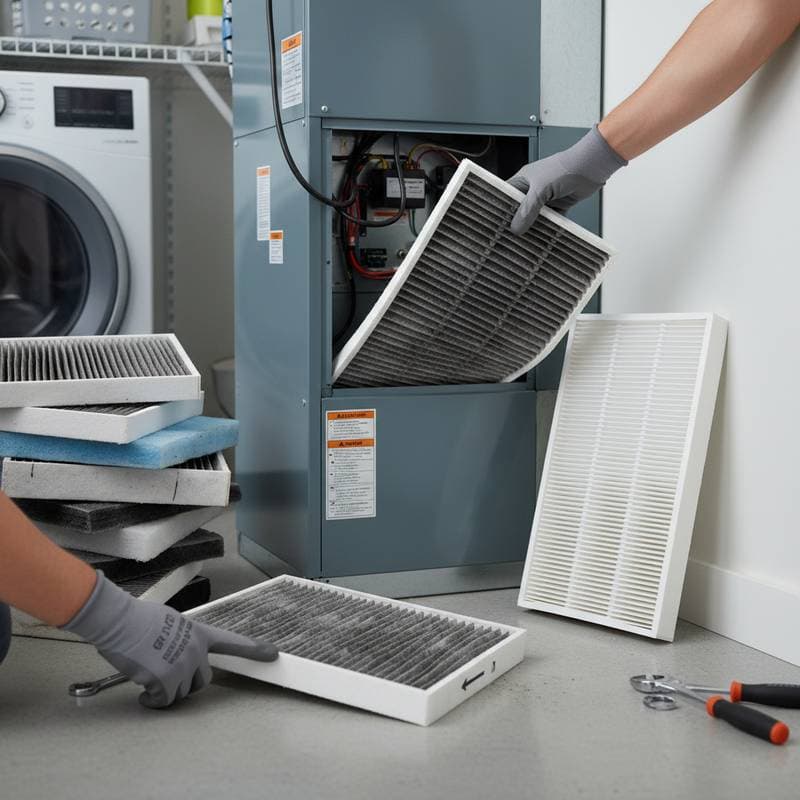
Homeowners frequently delay filter changes, assuming a filter remains effective until visibly clogged. A dirty filter impedes airflow, causing the system to cycle longer and consume up to 15 percent more energy. This added strain accelerates wear on components like the compressor and blower, contributing to breakdowns that cost hundreds in repairs.
Recommended Replacement Schedule
| Home Environment | Recommended Change Interval | Notes |
|---|---|---|
| Standard home, no pets | Every 2–3 months | Maintains consistent airflow |
| Home with pets or allergies | Every 1–2 months | Minimizes allergens and pet dander |
| High dust or construction areas | Monthly | Avoids rapid dust accumulation |
Signs It Is Time to Replace
- Noticeable dust buildup or discoloration on the filter
- Reduced airflow from supply vents
- Unexpected increases in energy bills
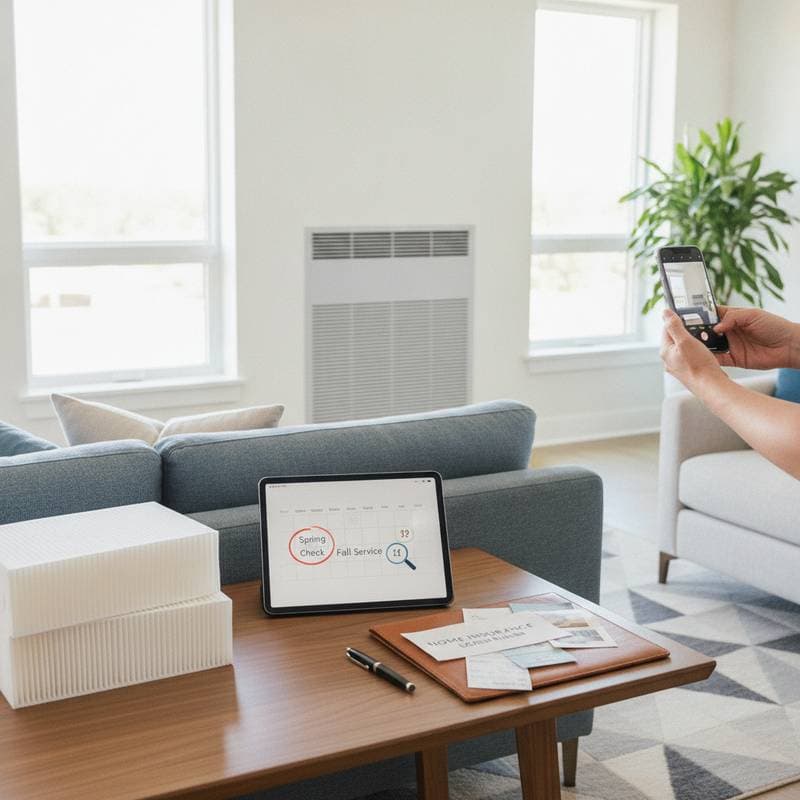
Establish a routine by noting change dates in a planner or app. Consider subscribing to filter delivery services that align with your schedule to ensure timely replacements.
Mistake 3: Choosing the Incorrect Filter Type or MERV Rating
Filters vary by type, including fiberglass, pleated, and electrostatic, each suited to different needs. Selecting a high-MERV filter (Minimum Efficiency Reporting Value, rating 8–13 for homes) for a system not designed for it increases resistance, straining the fan and reducing overall efficiency. Low-MERV options, conversely, fail to capture fine particles, worsening indoor air quality.
This mismatch can elevate energy use by 5–10 percent and promote mold growth in ducts due to poor filtration. Assess your home's air quality demands: use MERV 8 for basic protection or MERV 11–13 for allergy-prone households, but confirm compatibility with your HVAC model. Consult manufacturer guidelines or a professional to balance filtration power with system capacity.
Mistake 4: Installing the Filter Backwards
Each air filter features an directional arrow on its frame indicating airflow orientation. Reversing the filter directs air through the denser side first, creating excessive resistance that diminishes efficiency and generates unusual noises like whistling from vents. This error forces the system to labor harder, raising energy costs and risking motor damage over time.
Correct Installation Steps
- Identify the arrow on the filter's edge; it must point toward the direction of airflow, typically toward the blower or furnace.
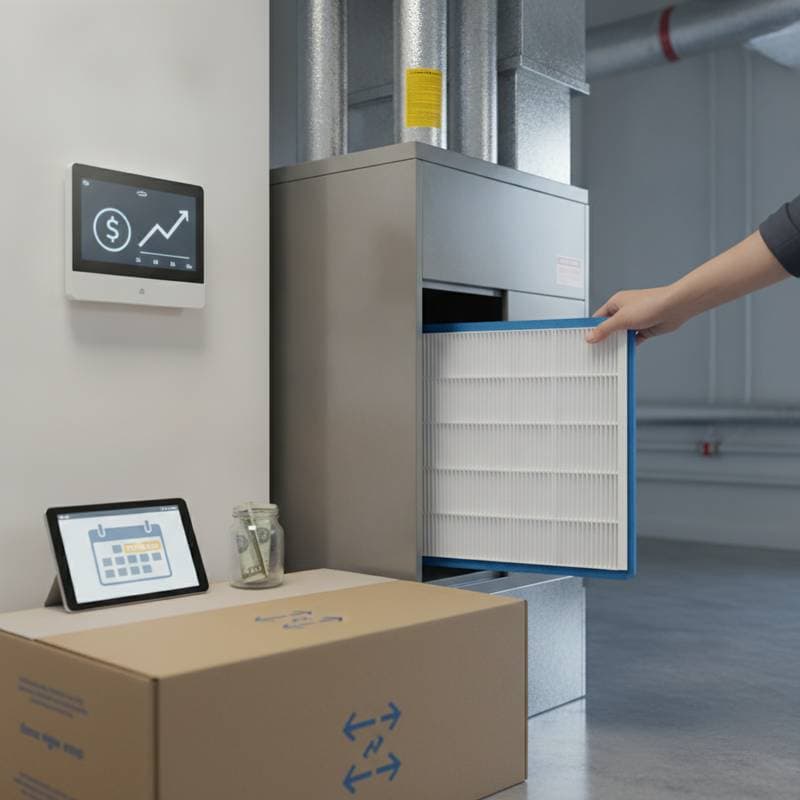
- Slide the filter into the housing slot, ensuring the frame remains straight and secure.
- Inspect for gaps around the edges and adjust as needed to achieve a tight seal.
Perform a brief check after each installation to confirm proper orientation. If your system includes a filter door, label it with an arrow sticker for future reference.
Mistake 5: Neglecting to Seal the Filter Properly
Even a correctly sized and oriented filter loses effectiveness if not sealed tightly in its compartment. Air leaks around the edges bypass the filter, allowing dust and allergens to enter the system unchecked. This leads to dirt accumulation on coils and ducts, which impairs heat transfer and invites costly cleanings or repairs.
To address this, clean the filter slot before insertion to remove debris that could prevent a snug fit. Use foam channel seals or weatherstripping if your housing allows gaps. After installation, run the system briefly and listen for air hissing, which signals the need for readjustment.
Strategies to Avoid Air Filter Errors
Essential Maintenance Practices
- Schedule filter checks monthly, even if not due for replacement, to monitor condition.
- Stock up on compatible filters in advance to eliminate last-minute errors.
- Examine return vents and coils annually for dust signs indicating filtration issues.
- Integrate filter maintenance into broader home care tasks, such as spring and fall cleanings.
Adopting these habits minimizes risks and supports consistent system operation.
Seeking Expert HVAC Assistance
While DIY efforts prove valuable, professional input ensures optimal performance. Technicians can diagnose underlying issues like duct leaks that amplify filter problems.
Key Questions for HVAC Professionals
- What specific filter type and MERV rating suit my home and system?
- Could you evaluate the ductwork for leaks or excessive dust?
- What is the ideal frequency for routine maintenance?
- How might a premium filter influence my energy expenses?
- Do maintenance plans cover filter replacements?
- Can you test airflow and pressure after filter installation?
- Are incentives available for air quality upgrades?
Regular professional visits, ideally twice yearly, complement your DIY routine and prevent major failures.
Sustaining HVAC Efficiency Over Time
Proper air filter management directly enhances system reliability, cuts energy demands, and improves home comfort. By sidestepping these common pitfalls, you safeguard your investment, trim repair budgets, and foster a healthier living environment. Implement these practices today for lasting benefits.