Combating Indoor Allergies with UV-C Technology
Individuals who experience allergies within their homes often seek effective solutions. UV-C air purification integrates seamlessly into HVAC systems to address this issue. This technology employs short-wave ultraviolet light to eliminate airborne bacteria, mold spores, and allergens prior to their distribution throughout living areas. Proper installation reduces symptoms such as sneezing, itchy eyes, and respiratory discomfort by targeting the microscopic particles responsible for allergic responses.
Quick Answer Box
| Benefit | Description |
|---|---|
| Main Function | Destroys airborne allergens, bacteria, and mold |
| Installation Location | Inside HVAC system near coils or ducts |
| Maintenance | Replace bulbs every 12 to 24 months |
| Average Cost | $300 - $700 installed |
| Allergy Relief | Noticeable within a few weeks of use |
How UV-C Purification Functions
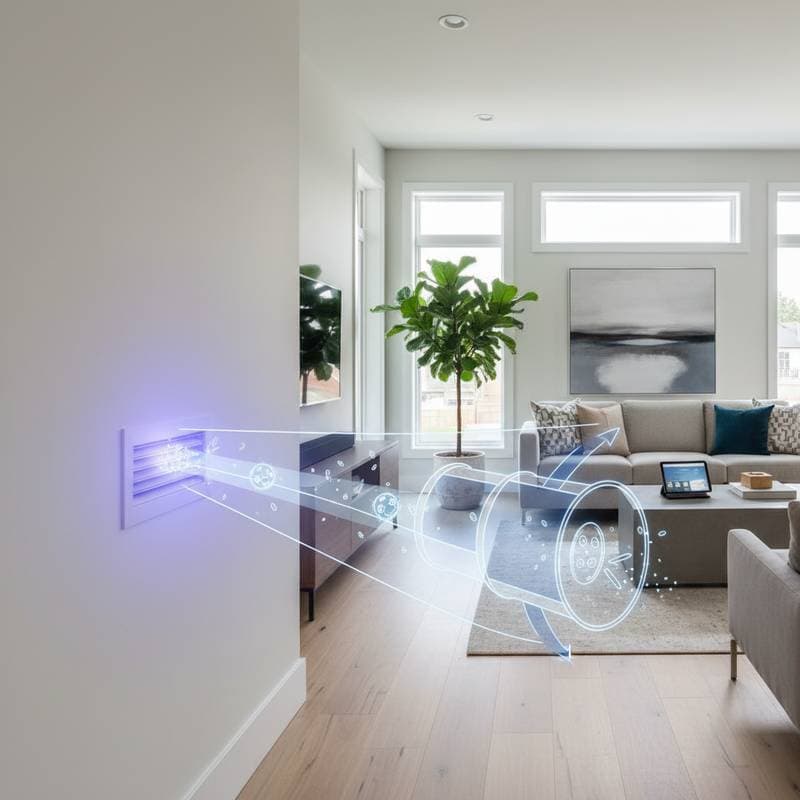
UV-C light functions at a wavelength between 200 and 280 nanometers, which disrupts the DNA structure of microorganisms. As the HVAC system circulates air through ducts, the UV-C lamp exposes contaminants to this light for sufficient duration. This process renders bacteria, viruses, and mold inactive, resulting in air that contains fewer irritants and supports overall health.
The effectiveness depends on consistent exposure. Technicians position the lamps to ensure air passes close enough to the light source without excessive velocity. Over time, this integration maintains a sterile environment within the system, preventing the growth of harmful organisms on internal surfaces.
Benefits of Integrating UV-C into Your HVAC System
- Reduced Allergy Symptoms: UV-C light eliminates mold spores and bacteria that provoke seasonal discomfort, leading to fewer episodes of congestion and irritation for sensitive individuals.
- Cleaner Air Ducts and Coils: By inhibiting microbial accumulation, UV-C preserves the integrity of system components, which enhances airflow and operational efficiency.
- Odor Control: The neutralization of organic particles diminishes unpleasant odors, such as those from mildew or stagnant air, creating a more pleasant indoor atmosphere.
- Improved Indoor Air Quality: UV-C targets biological threats that standard filters overlook, including viruses and submicron allergens, for comprehensive protection.
Additional advantages include extended equipment lifespan. Cleaner coils require less energy to function, potentially lowering utility expenses. Families with young children or elderly members benefit most from this proactive approach to air quality management.
Key Factors Influencing UV-C Performance
Lamp Placement
Optimal positioning ensures maximum contact between air and light. Install lamps adjacent to evaporator coils to treat cooled air directly, or within return ducts to address incoming contaminants early in the cycle. Professional assessment determines the best location based on system design and usage patterns.
Light Intensity
Wattage determines the germicidal power of the lamp. Systems with higher airflow rates require lamps of at least 36 watts to achieve thorough disinfection. Matching intensity to system specifications prevents underperformance and ensures even coverage across all air pathways.
Airflow Rate
Balanced airflow allows particles adequate exposure time, typically one to two seconds per pass. Technicians adjust fan speeds or duct configurations if necessary. Monitoring airflow post-installation confirms that disinfection occurs without compromising comfort levels.
Maintenance Routine
Bulbs degrade gradually, with output dropping by 20 percent after the first year. Schedule replacements every 12 to 24 months, depending on usage. Regular inspections also involve cleaning lamp housings to remove dust, which could otherwise reduce light transmission.
Indicators for UV-C Purification Installation
Consider UV-C if indoor environments persist in causing allergy symptoms despite standard cleaning. Signs include mold or mildew scents emanating from vents, ongoing respiratory issues, or excessive dust accumulation. Households with members suffering from asthma or compromised immunity stand to gain the most from this enhancement.
Evaluate recent HVAC performance as well. If efficiency has declined or odors recur, UV-C addresses root causes beyond filtration alone. Consulting a certified technician provides clarity on whether this upgrade suits specific needs.
The Installation Process
- Inspection: Technicians examine the HVAC layout, airflow dynamics, and existing components to identify integration points.
- Lamp Selection: Professionals select bulbs with appropriate wattage and wavelength tailored to system capacity and home size.
- Installation: Secure mounting of lamps occurs near coils or in ducts, with wiring connected to the power source for seamless operation.
- Testing: Activation and monitoring verify light output and containment, ensuring no exposure risks.
- Maintenance Plan: Detailed instructions cover bulb replacement timelines, cleaning protocols, and performance checks.
The entire process typically spans two to four hours, minimizing disruption. Post-installation, monitor air quality changes to confirm benefits.
Frequently Asked Questions About UV-C Air Purification
How Long Does a UV-C Bulb Last?
Most bulbs maintain effectiveness for one to two years. Factors like continuous operation may necessitate earlier replacement to sustain disinfection levels.
Can UV-C Light Remove All Allergens?
UV-C neutralizes biological allergens effectively, yet non-living particles such as pollen or pet dander require complementary filtration. Combining both methods yields optimal results.
Is UV-C Safe for My Home?
Installation within the HVAC system contains the light entirely, eliminating risks to occupants or pets. Adherence to safety standards during setup ensures reliability.
Do I Still Need Air Filters with UV-C?
Filters remain essential for capturing larger particles, while UV-C focuses on sterilization. This dual approach provides layered defense against contaminants.
Will UV-C Lower My Energy Bills?
Improved coil cleanliness enhances heat transfer, reducing the energy required for heating and cooling. Savings accumulate over time with consistent use.
Achieve Healthier Indoor Air with UV-C
UV-C purification elevates standard HVAC performance into a robust air quality solution. This upgrade neutralizes allergens and pathogens at their source, fostering a sanctuary free from irritants. Invest in this technology to support long-term wellness and comfort for all household members.