Heat Pump Dryers Cut Energy Bills by 50 Percent
Why HVAC Professionals Recommend Heat Pump Dryers for Substantial Savings
Homeowners seeking ways to reduce energy bills frequently encounter recommendations for heat pump dryers. These innovative appliances lower drying energy consumption by up to 50 percent when compared to traditional models. Professionals in heating, ventilation, and air conditioning endorse them for their role in enhancing overall home efficiency, improving air quality, and easing the burden on existing systems. The following sections detail the mechanics of heat pump dryers, their energy-saving mechanisms, associated costs, and integration into comprehensive efficiency plans.
Quantifying Savings from a Heat Pump Dryer
A heat pump dryer operates by capturing and reusing heat generated during the drying cycle, rather than expelling it outside as conventional dryers do. This closed-loop process significantly cuts electricity usage. For a typical household completing four loads weekly, annual savings can reach $100 to $200, depending on local utility rates and dryer efficiency.
HVAC experts highlight that these savings extend beyond the laundry room. By retaining warmth indoors, heat pump dryers prevent the loss of conditioned air, which in turn reduces the runtime of furnaces or air conditioners. Over a decade, the cumulative financial benefits often exceed the initial purchase price.
Typical Costs of Heat Pump Dryers
The average price for a heat pump dryer falls between $1,000 and $1,700, which covers the unit and basic installation. This exceeds the $600 to $900 range for standard electric dryers, yet the efficiency gains justify the difference. Payback periods typically span three to five years through reduced utility expenses.
| Type | Average Cost | Key Characteristics |
|---|---|---|
| Standard Electric Dryer | $600 – $900 | Vented design with elevated energy demands |
| Gas Dryer | $700 – $1,000 | Quicker cycles but higher overall inefficiency |
| Heat Pump Dryer | $1,000 – $1,700 | Ventless operation yielding 50 percent energy reduction |
| Compact Heat Pump Dryer | $900 – $1,300 | Space-saving option suited for smaller living areas |
Owners appreciate the gentler drying action, which preserves fabric integrity and minimizes wear. In high-volume laundry scenarios, such as families with multiple members, these advantages amplify over time.
Factors Influencing Heat Pump Dryer Expenses
Multiple elements determine the final cost of acquiring and installing a heat pump dryer. Understanding these allows for informed budgeting and selection.
Brand and Model Variations
Established brands incorporate features like precise moisture detection, remote monitoring via applications, and expansive drum capacities. Such enhancements elevate the price but deliver superior drying results and user convenience. For instance, models with Wi-Fi integration enable cycle scheduling around peak energy hours.
Installation Considerations
These dryers function without external vents, simplifying setup in constrained spaces. However, they necessitate proximity to a drainage point or reservoir for condensed water. Electrical modifications or plumbing additions can raise expenses by $200 to $500.
Capacity and Dimensions
Full-size units accommodate larger loads, processing up to 20 pounds per cycle, though they consume marginally more power. Compact versions, limited to 10 to 15 pounds, prove ideal for apartments and conserve both space and energy.
Efficiency Certifications
Seek units certified by Energy Star for verified performance. Variations exist even among similar models; compare annual energy consumption figures, often listed in kilowatt-hours, to project precise savings.
Ongoing Maintenance Needs
Regular tasks involve clearing lint traps after each use and inspecting condenser elements quarterly. Adhering to these practices sustains peak efficiency and averts repairs that could cost $100 to $300.
Incorporating Heat Pump Dryers into Comprehensive Home Efficiency Strategies
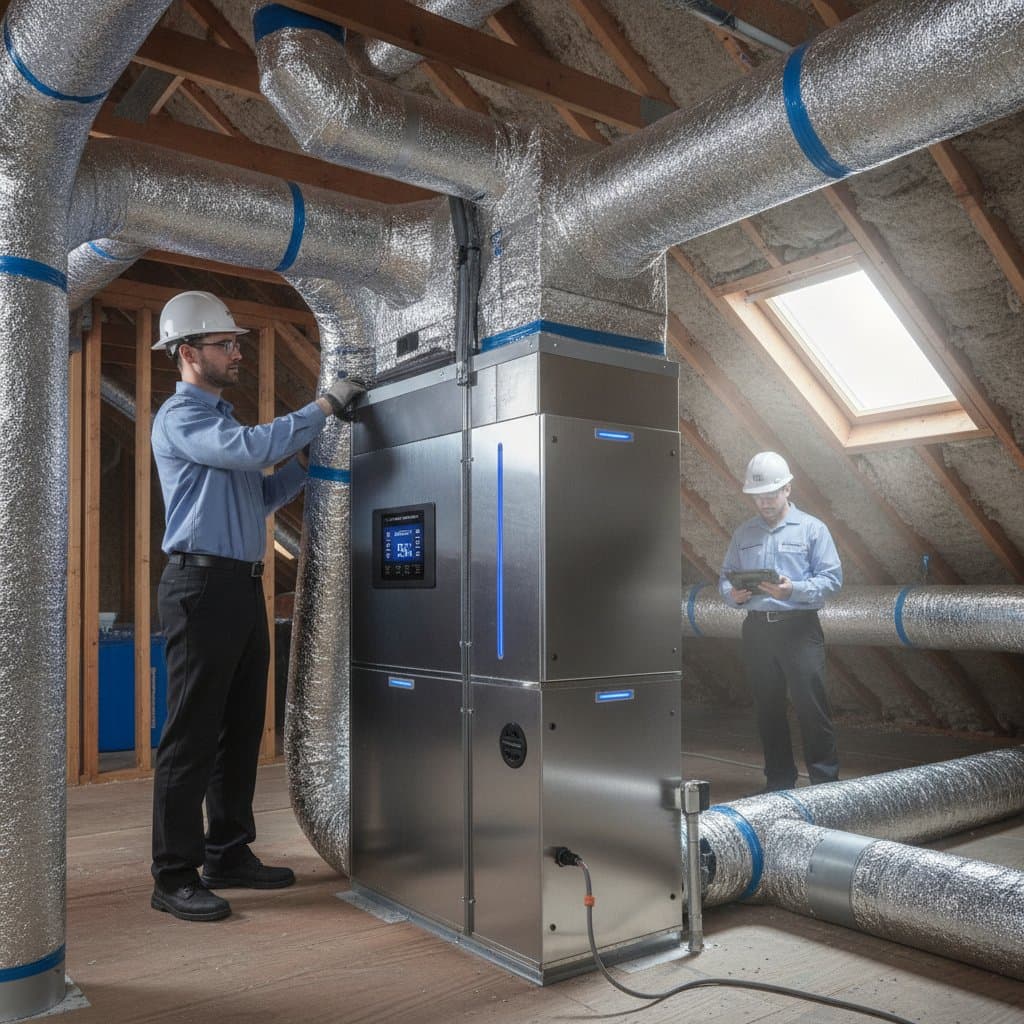
HVAC specialists position heat pump dryers within holistic plans to minimize energy across the residence. This integrated method optimizes interactions among heating, cooling, and moisture management systems.
Recommended Synergistic Improvements
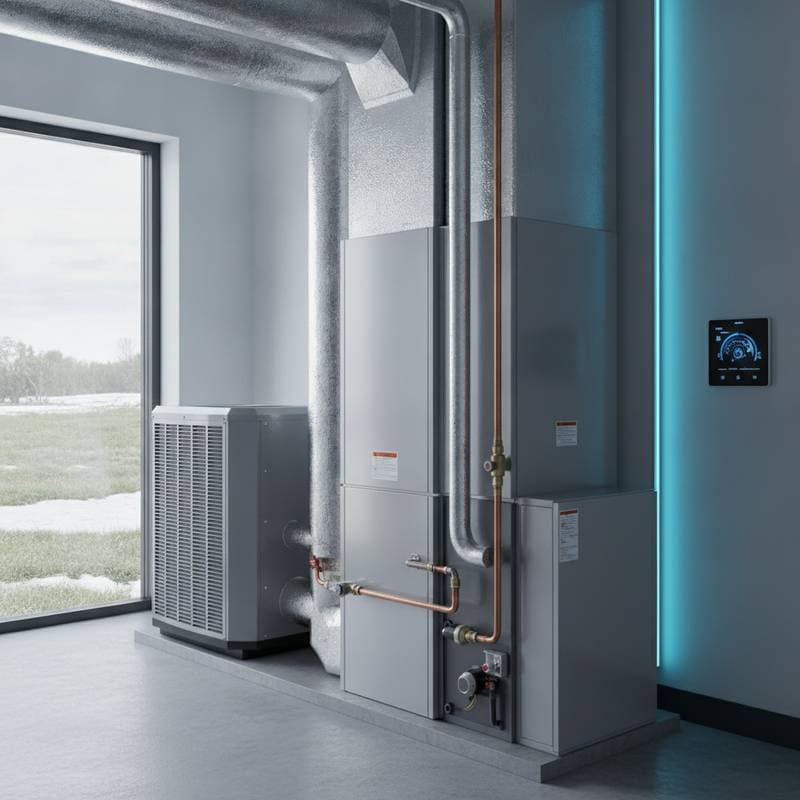
- High-efficiency HVAC units equipped with variable-speed compressors and intelligent controls for adaptive operation.
- Enhanced insulation and airtight sealing to minimize heat escape through building envelopes.
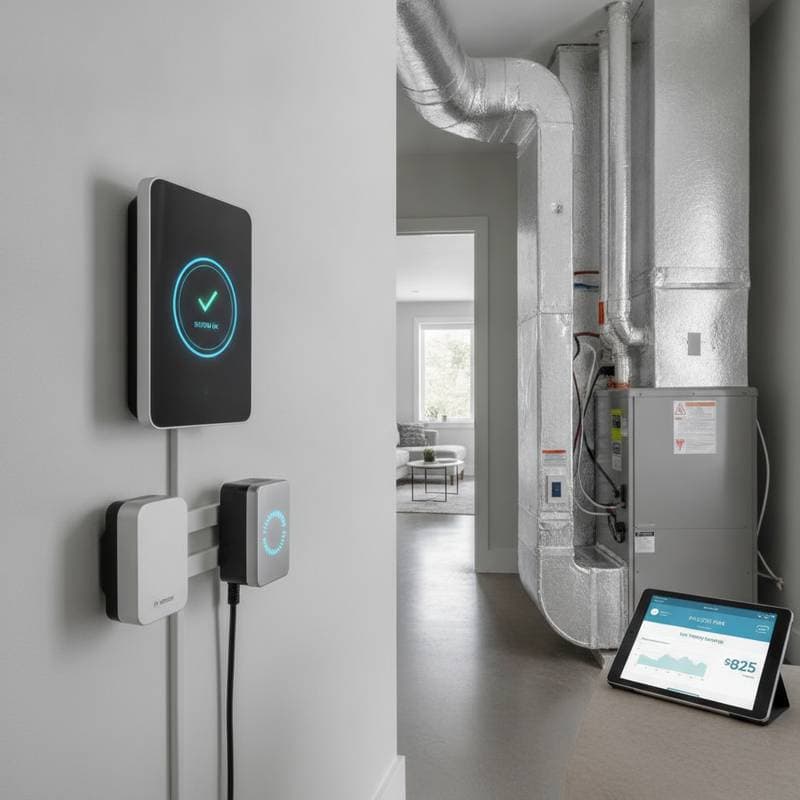
- Programmable thermostats that learn occupancy patterns and adjust settings automatically.
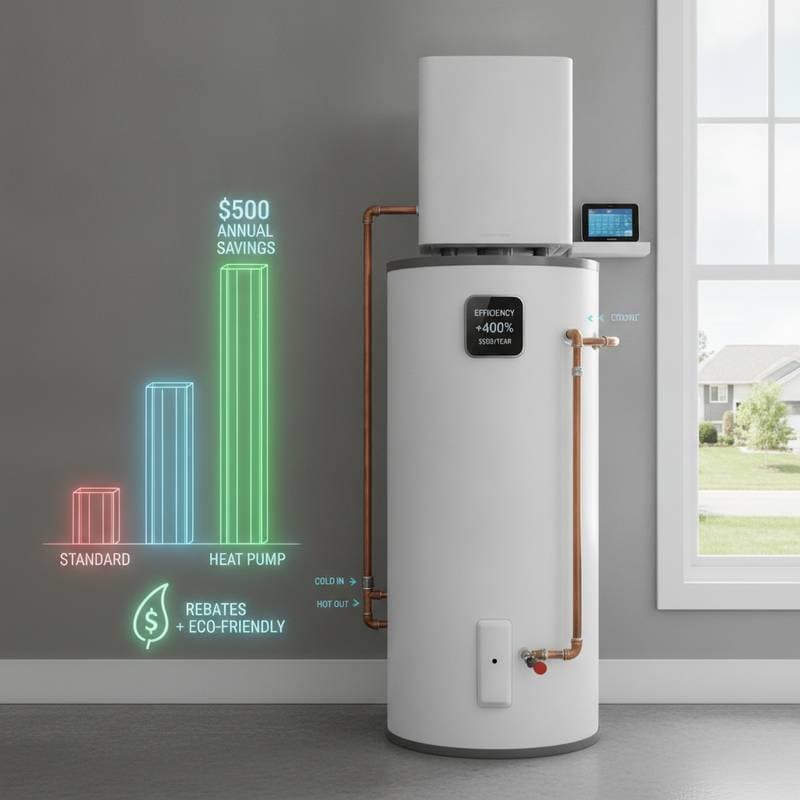
- Heat pump water heaters that recycle warmth for domestic hot water production.
- LED lighting and other low-power appliances to decrease total electrical demands.
Pairing a heat pump dryer with these elements stabilizes indoor climates and accelerates cost reductions. For example, combining it with improved insulation can amplify overall savings by 20 to 30 percent.
Frequently Asked Questions About Heat Pump Dryers
What Energy Reductions Can Homeowners Expect?
Heat pump dryers consume approximately half the electricity of conventional electric units. In homes with weekly laundry volumes exceeding 10 loads, yearly savings often surpass $150, factoring in average U.S. electricity rates of 13 cents per kilowatt-hour.
Is Venting Necessary for Installation?
Venting proves unnecessary. Internal air circulation condenses moisture, which drains away or collects in a removable tank. This versatility suits installations in condos or windowless utility areas.
Do Cycles Take Longer with Heat Pump Dryers?
Drying times extend by 30 to 60 minutes due to moderate temperatures around 140 degrees Fahrenheit. This method safeguards delicate materials, curtails wrinkling, and prolongs garment durability, offsetting the duration with quality outcomes.
What Maintenance Routines Apply?
Empty the water reservoir biweekly if undrained, clean the lint filter post-cycle, and vacuum condenser coils every three months. These steps, taking under 15 minutes monthly, preserve operational reliability.
What Is the Expected Lifespan?
These appliances endure 10 to 15 years under normal conditions. With diligent care, some models exceed this, outlasting traditional dryers that average eight to 12 years.
Can They Enhance Home Comfort Levels?
Affirmative. By recirculating warm air indoors, they counteract the cooling effect of standard dryers, stabilizing temperatures and lightening HVAC loads by up to 5 percent in laundry-adjacent zones.
Securing Quotes for Heat Pump Dryer Installation
Prospective buyers benefit from soliciting estimates from certified HVAC technicians and appliance installers. Professional assessments confirm compatibility with electrical circuits, spatial constraints, and drainage infrastructure.
Essential Inquiries for Installers
- Which brands and models excel in energy conservation for my usage patterns?
- Will my current laundry area require electrical or plumbing modifications?
- What duration should I anticipate for the installation process?
- Are rebates or incentives available through utility programs or federal tax credits?
- Outline the post-installation maintenance protocols.
- How might this affect my HVAC system's efficiency?
- Do you offer extended warranties or maintenance contracts?
- Is integration possible with existing efficient home systems?
- Provide a projection of yearly energy cost reductions versus my present dryer.
- What practices maximize long-term performance?
Detailed responses guide selections aligned with individual needs and financial parameters.
Achieving Lasting Efficiency Through Strategic Upgrades
Adopting a heat pump dryer marks a practical entry into energy-conscious home management. When aligned with complementary technologies such as heat pump water heaters and advanced HVAC components, the impacts intensify. Lowered expenses, superior air purity, and diminished ecological footprint position this choice as a staple in professional recommendations.
Homeowners pursuing laundry modernization alongside broader sustainability goals find substantial returns in heat pump dryers. Through thoughtful procurement, expert setup, and consistent upkeep, this investment transcends mere appliance replacement. It fosters a more resilient, cost-effective living environment.