The Future of HVAC Maintenance: Subscription Plans with Predictive Technology
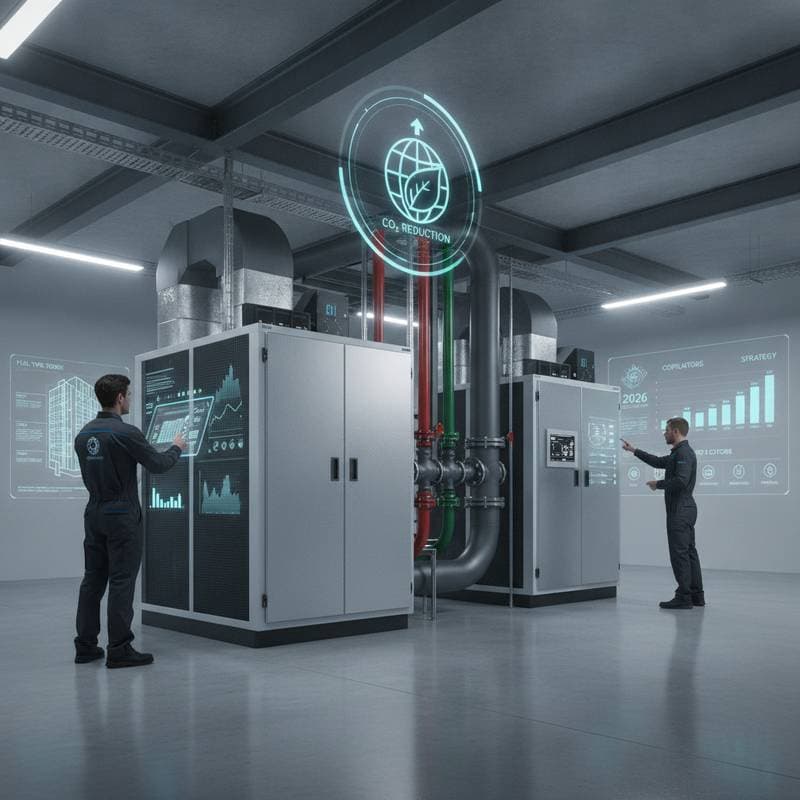
The HVAC industry is transitioning to subscription models that mirror the predictability of streaming services. Homeowners gain access to real-time monitoring and predictive maintenance through affordable monthly plans. This method maintains comfort, minimizes unexpected repairs, and distributes expenses evenly across the year.
| Feature | Benefits for Homeowners |
|---|---|
| Predictive Maintenance | Sensors and algorithms identify problems before failures occur |
| Monthly Subscription Plans | Consistent payments replace irregular large expenses |
| Automated Service Scheduling | Visits occur based on actual needs rather than fixed dates |
| Continuous System Monitoring | Ongoing data analysis supports peak efficiency and comfort |
| Cost Savings | Fewer emergencies lead to reduced repair fees and energy use |
Typical Costs for HVAC Subscription Services
These services streamline upkeep and financial planning. Rates depend on system complexity, coverage scope, and added technologies. Homeowners generally encounter these ranges.
| Plan Type | Monthly Cost Range | Annual Cost Range |
|---|---|---|
| Basic Preventive Plan | $15 to $25 | $180 to $300 |
| Smart Monitoring Plan | $25 to $45 | $300 to $540 |
| Predictive Maintenance Plan | $45 to $70 | $540 to $840 |
| Full-Service Subscription (includes parts and labor) | $70 to $120 | $840 to $1,440 |
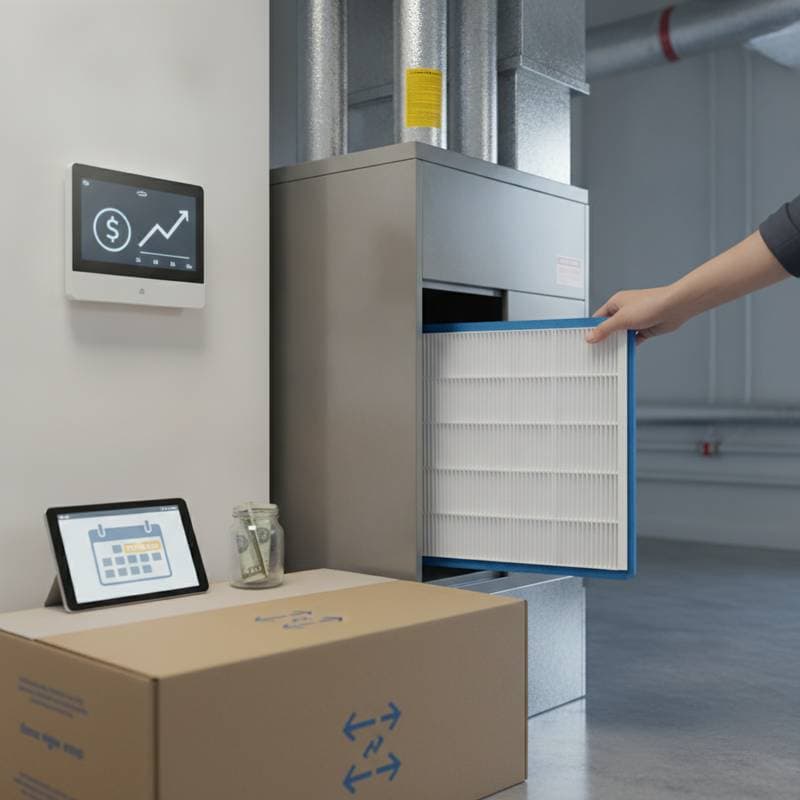
Standard inclusions cover two yearly inspections, filter changes, and expedited appointments. Higher tiers incorporate sensors, usage reports, and failure forecasts to preempt issues.
Elements Influencing HVAC Subscription Prices
System Scale and Configuration
Extensive or intricate setups demand greater oversight. Maintenance for a basic single-zone unit costs less than for multi-zone mini-splits or hybrid pumps. Additional parts elevate the required plan level.
Integration of Advanced Technology
Enhanced plans employ sensors to measure elements such as temperature fluctuations, airflow, and motor function. Units with integrated smart features or connected thermostats simplify setup and reduce initial charges. Providers might suggest sensor additions for older systems.
Extent of Coverage
Basic options focus on evaluations and cleaning. Comprehensive ones encompass parts, labor, and urgent responses. Guarantees for rapid fixes or free replacements increase fees but enhance security.
Focus on Efficiency
Plans with analytics adjust operations for optimal performance. Such data-driven tweaks cut utility expenses, often balancing the subscription investment.
Provider Capabilities
Pricing reflects the contractor's tools and support infrastructure. Firms with AI analytics or round-the-clock centers command premiums for superior service.
Categories of HVAC Subscription Services
These plans adapt to diverse requirements, categorized by functionality.
Preventive Maintenance Plans
Updated traditional agreements feature routine inspections, filter swaps, and favored booking.
Advantages:
- Cost-effective starting option
- Promotes consistent operation
- Limits severe malfunctions
Disadvantages:
- Lacks foresight monitoring
- Excludes parts or labor coverage
Smart Monitoring Plans
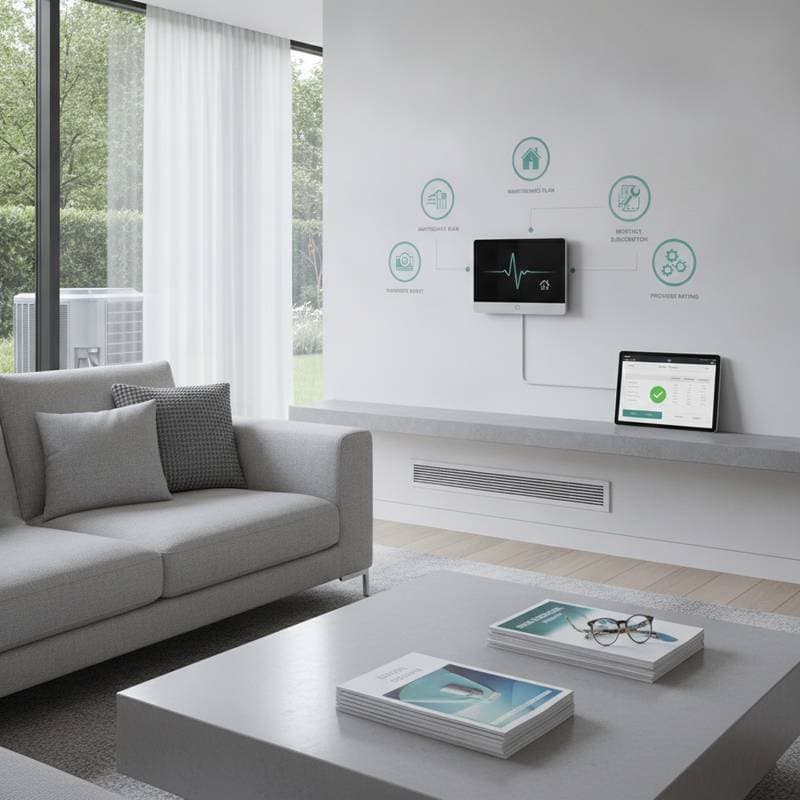
Connections to online platforms allow sensors to oversee airflow, temperatures, and part conditions.
Advantages:
- Instant performance oversight
- Prompt issue identification
- Guidance on energy optimization
Disadvantages:
- Demands suitable hardware
- Potential installation expenses
Predictive Maintenance Plans
Machine learning forecasts disruptions by examining operational patterns.
Advantages:
- Prevents abrupt failures
- Prolongs equipment durability
- Refines service timing and expenses
Disadvantages:
- Elevated fees
- Necessitates sophisticated sensors
Full-Service Subscriptions
All-inclusive coverage handles maintenance, fixes, and components via fixed payments.
Advantages:
- Broad protection
- Eliminates unforeseen charges
- Eases financial management
**Disadvantages:**n- Highest pricing
- Possible limitations on scope
Indicators for Adopting a Smart HVAC Subscription
Sudden summer failures highlight the value of foresight. Consider a plan if these apply:
- Repeated system interruptions or irregular output
- Unexplained rises in energy statements
- Overlooked routine servicing
- Preference for steady costs over variable repairs
- Possession of modern smart-enabled equipment
- Emphasis on preventive rather than corrective care
How Predictive Maintenance Operates
This process integrates sensors, data review, and expert input. Enrollment follows these stages.
-
System Evaluation
Technicians assess compatibility and update obsolete elements as required. -
Sensor Placement
Devices attach to vital areas like compressors, blowers, and evaporators for data capture. -
Remote Data Analysis
Information flows to protected servers that scan for irregularities. -
Issue Notifications
Deviations trigger messages to users and providers, enabling timely interventions. -
Need-Driven Servicing
Interventions align with data signals, avoiding redundant work. -
Performance Refinement
Accumulated insights enhance efficiency, user satisfaction, and equipment life.
Labor Expenses in HVAC Subscriptions
Plans absorb most labor into fees, but baseline rates offer perspective.
| Service | Labor Cost Without Plan |
|---|---|
| Routine Inspection | $100 to $200 |
| Troubleshooting Session | $75 to $150 |
| Urgent Fix | $150 to $300 |
| Part Swap | $400 to $1,200 or more |
Subscriptions discount or cover these, with prediction curbing crises and yielding yearly savings.
Common Questions on HVAC Subscriptions and Predictive Maintenance
How does predictive maintenance differ from standard upkeep?
Scheduled routines adhere to calendars, whereas predictive methods rely on live metrics to time services accurately. This minimizes excess visits and failure risks.
Is new hardware essential for predictive plans?
Frequently not; upgrades via sensors suit many setups. For antiquated units, providers propose viable enhancements.
In what ways does predictive maintenance reduce expenses?
Early detection averts extensive damage and repair bills. Efficiency gains trim power use and prolong system viability.
Do these services suit aging systems?
Yes, particularly with repair inclusions. Near-end-of-life units might warrant replacement over monitoring.
Do predictive plans support environmental efforts?
Indeed, through reduced consumption and emissions. They extend component use, curbing discard.
What safeguards protect system data?
Trusted firms apply encryption and restricted access, limiting use to service purposes.
Is plan adjustment or termination possible?
Providers typically permit changes anytime, with incentives for yearly terms or monthly flexibility.
Implementing Predictive HVAC Care for Long-Term Savings
Subscription models usher in dependable, insightful home climate management. Proactive systems alert professionals automatically, ensuring reliability.
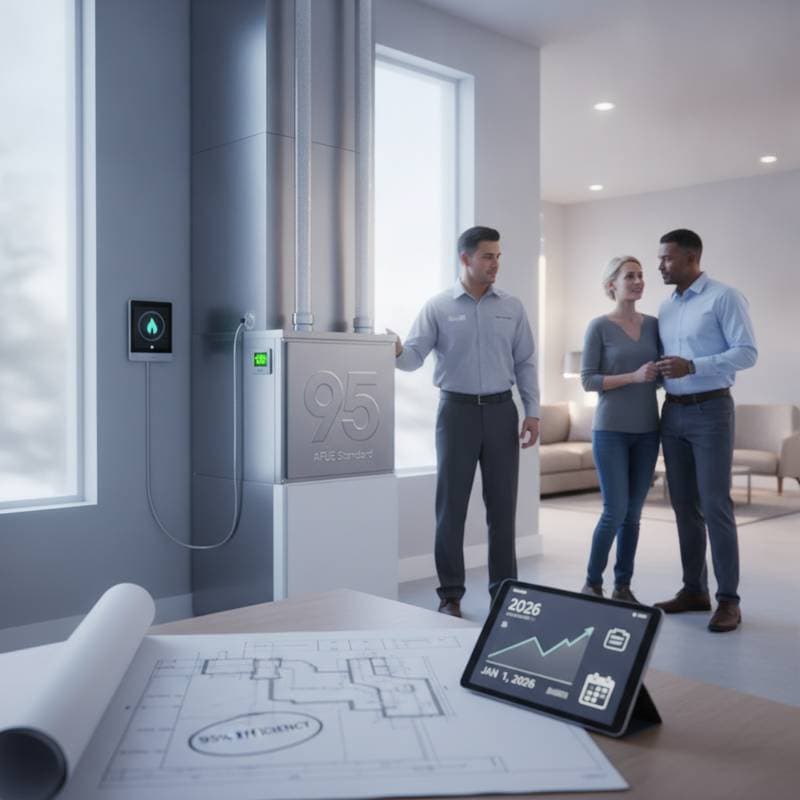
To escape erratic bills and routines, evaluate predictive options. Assess compatibility, obtain quotes from certified experts, and select transparent, monitoring-inclusive services aligned with your requirements.