The Future of Home Heating: Dual-Fuel Systems in 2026
Homeowners seek intelligent, eco-friendly, and economical methods to warm their residences. Escalating energy expenses and heightened focus on sustainable practices prompt exploration of hybrid heating technologies. The dual-fuel heating system, also known as a hybrid heat pump, stands out as a viable option. It integrates the efficiency of an electric heat pump with the strength of a gas or propane furnace. This overview explains the rising interest in dual-fuel heating and its potential to influence residential comfort.
Understanding Dual-Fuel Heating
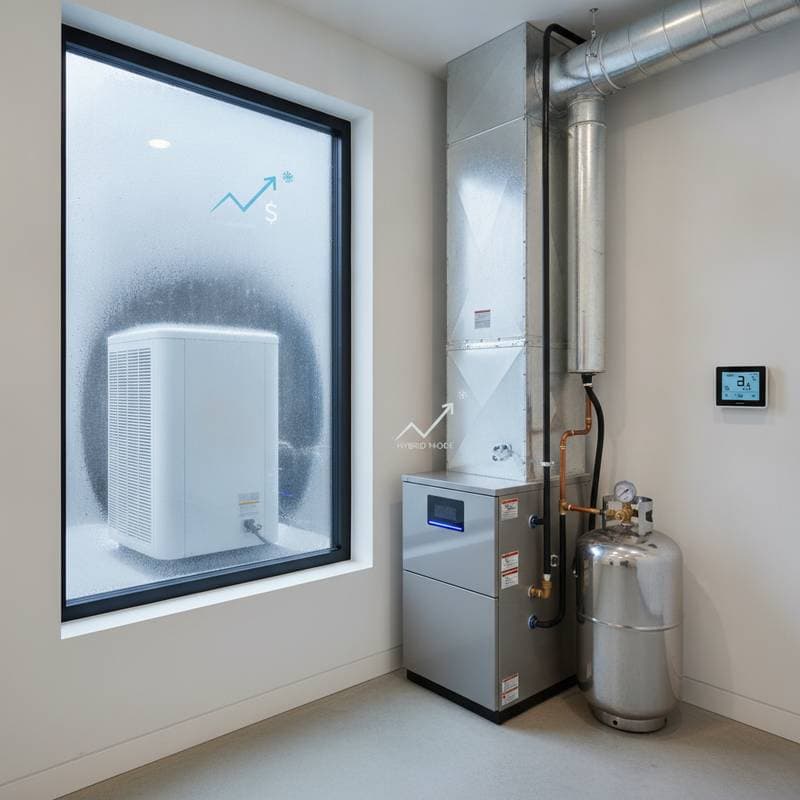
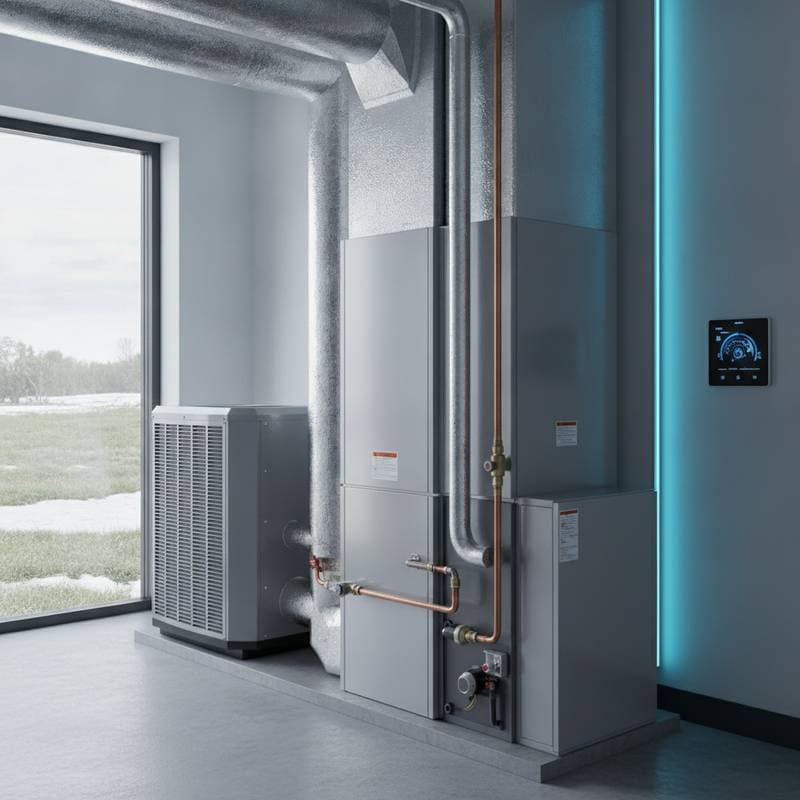
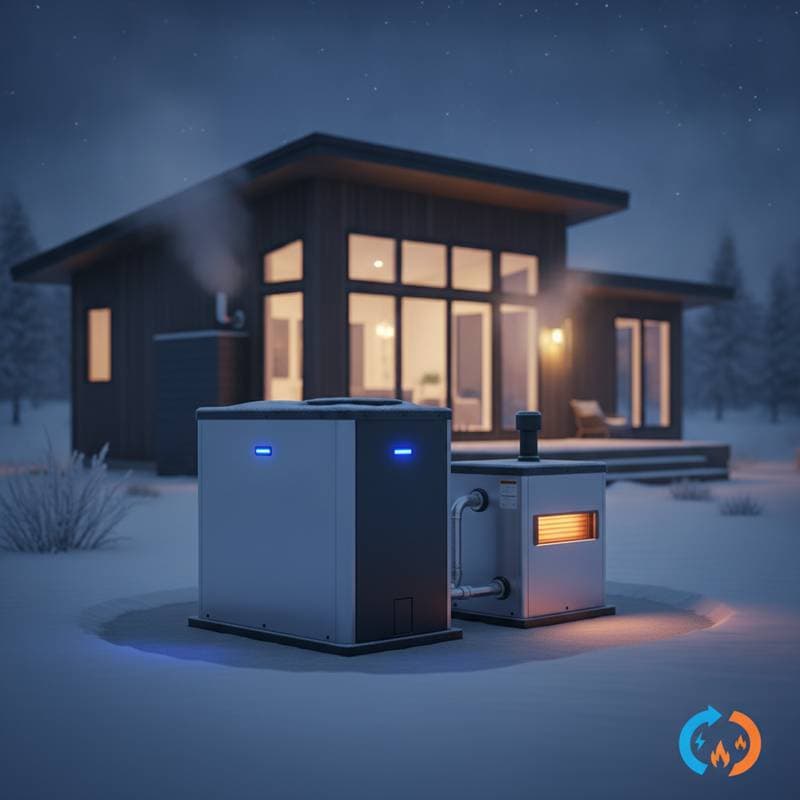
A dual-fuel heating system merges two heating mechanisms: a heat pump and a gas or propane furnace. The heat pump manages primary heating during moderate outdoor conditions. It extracts heat from ambient air and transfers it indoors, functioning effectively even in cooler weather. When temperatures fall below the heat pump's optimal range, the system shifts to the furnace for intensified, consistent warmth.
This integration provides optimal performance from each component. Homeowners benefit from the heat pump's energy savings alongside the furnace's assured output during severe cold. Intelligent controls oversee the transition, eliminating the need for manual intervention.
Reasons for the Rising Popularity of Dual-Fuel Heating
The adaptable nature of dual-fuel systems appeals to those balancing efficiency, reliability, and ecological impact. Several factors drive their adoption among homeowners.
- Energy efficiency: Heat pumps relocate existing heat using electricity, outperforming traditional furnaces that generate heat from fuel in temperate conditions.
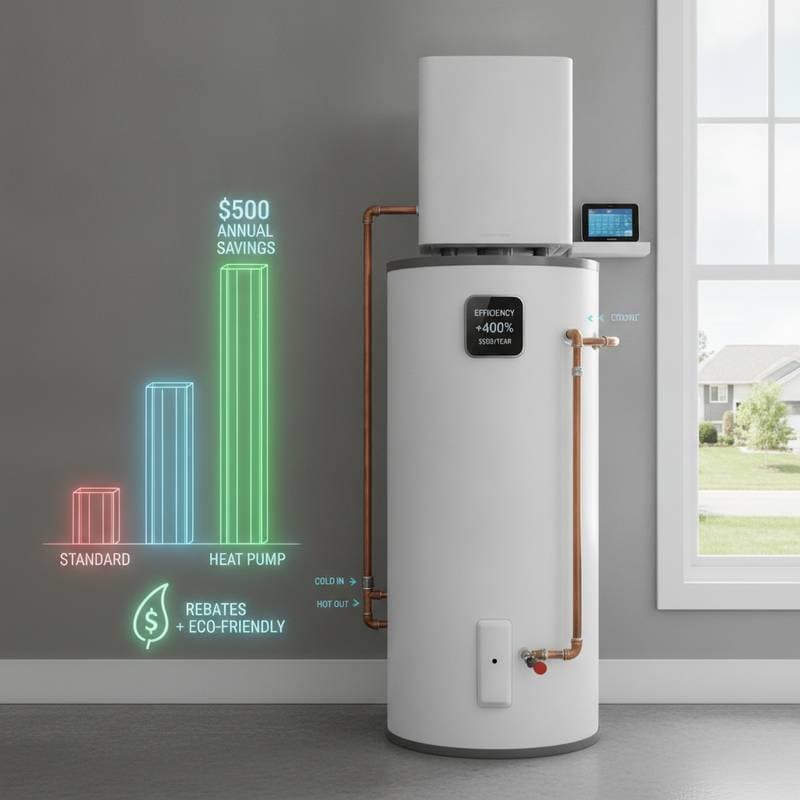
- Reduced operating expenses: Prioritizing the heat pump in milder weather minimizes fuel usage and trims utility bills.
- Consistent comfort: The furnace activates in extreme cold, preventing the heat pump from overworking and maintaining even temperatures.
- Lower environmental impact: Greater reliance on electricity decreases fossil fuel consumption and associated emissions.
- Adaptability to energy shifts: These systems accommodate evolving grids, such as increased renewable electricity or sustainable propane sources.
Indicators That a Dual-Fuel System Suits Your Home
If your current heating setup falters or expenses mount, consider a dual-fuel configuration. Evaluate these common scenarios.
- Your furnace operates constantly yet fails to eliminate drafts or uneven warmth.
- Heating bills spike during average winter periods.
- Your area experiences significant seasonal temperature fluctuations.
- Reducing emissions ranks high on your priorities without compromising coziness.
- You plan to update both cooling and heating equipment in the near future.
Multiple matching indicators suggest a hybrid heat pump upgrade could enhance your setup.
Operational Mechanics of Dual-Fuel Systems
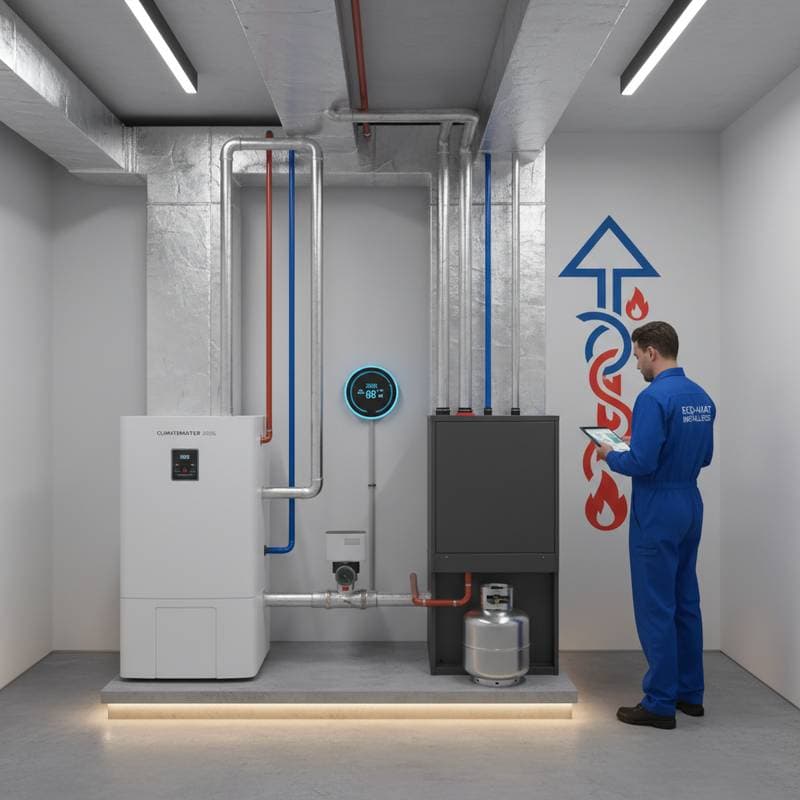
Dual-fuel systems function autonomously to maximize efficiency. They incorporate a heat pump for versatile heating and cooling in standard conditions, supplemented by a gas or propane furnace for harsh winters. A central control unit or advanced thermostat tracks external temperatures and orchestrates mode changes.
Consider this step-by-step process:
- Moderate conditions: The heat pump engages heating mode, drawing external heat via electricity and distributing it inside.
- Severe cold: Upon reaching a predefined low threshold, the furnace assumes control, delivering robust heat beyond the heat pump's capacity.
- Warm seasons: The heat pump reverses to cooling mode, expelling indoor heat to the exterior.
Such automation sustains comfort across seasons while selecting the most economical energy option.
Elements Influencing Dual-Fuel System Expenses
Initial investment in a dual-fuel system exceeds that of standalone units, yet ongoing savings often justify the outlay. Various elements determine total costs.
- Home dimensions: Expansive properties demand larger capacity units, elevating equipment and labor charges.
- Performance metrics: Higher SEER and HSPF values command premium prices but yield superior efficiency over time.
- Energy source: Natural gas installations differ in cost from propane setups, impacting both setup and runtime expenses.
- Current infrastructure: Integrating with existing air conditioning and furnace can streamline costs compared to isolated replacements.
- Setup demands: Additional ducting or electrical modifications raise labor fees.
- Manufacturer features: Reputable brands offer extended guarantees and integrated controls, influencing the final price.
Homeowners typically recoup expenses through diminished energy use and prolonged equipment durability.
Comparing Dual-Fuel to Conventional Heating
Evaluating dual-fuel against standard alternatives highlights its strengths.
Standalone Heat Pump
A heat pump excels in temperate zones with low energy demands but falters in subzero climates. Supplemental electric coils provide auxiliary heat at elevated costs.
Standalone Gas or Propane Furnace
Furnaces deliver potent warmth in any cold but consume substantial fuel without cooling functions. Expenses escalate in extended winters amid volatile prices.
Dual-Fuel Hybrid
This setup harmonizes heat pump versatility with furnace power. Routine tasks fall to the heat pump, reserving the furnace for peak needs, thus optimizing comfort and affordability.
Configurations of Dual-Fuel Systems
Various dual-fuel designs accommodate diverse residences and utilities.
Heat Pump Paired with Gas Furnace
The predominant choice, this duo leverages the heat pump for daily operations and gas for backup in low temperatures.
Heat Pump Paired with Propane Furnace
Ideal for off-grid locations, propane enables on-site storage and rapid heating response without gas infrastructure.
Variable-Speed Dual-Fuel Models
These adjust compressor and fan speeds dynamically, minimizing fluctuations in temperature and enhancing dehumidification for steadier indoor environments.
Integrated Smart Dual-Fuel Systems
Compatible with digital thermostats and automation hubs, they enable remote monitoring, usage tracking, and weather-responsive adjustments.
Steps in Dual-Fuel Installation
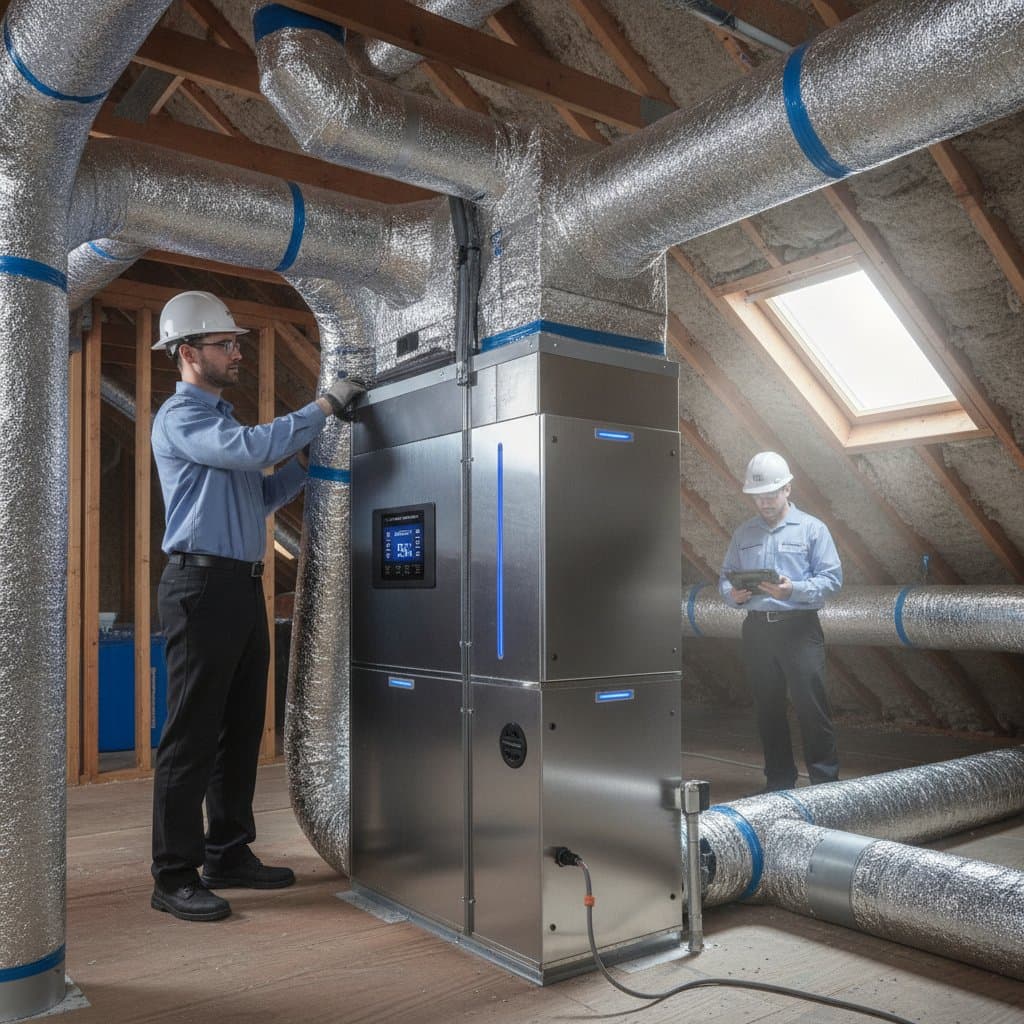
Professional installation ensures seamless integration. The procedure unfolds as follows.
- Site evaluation: Experts assess square footage, insulation quality, existing ducts, and appliances to specify an appropriate system.
- Component selection: Guidance matches heat pump and furnace to your fuel availability and preferences.
- Equipment integration: Removal of outdated units precedes mounting the new heat pump, furnace, and linkages, with precise refrigerant and electrical connections.
- System verification: Checks confirm airflow, refrigerant charge, and control accuracy.
- User guidance: Instruction covers thermostat operation, mode recognition, and routine care protocols.
Engage certified HVAC specialists experienced in hybrids to avoid inefficiencies or risks.
Essential Maintenance for Dual-Fuel Systems
Routine care sustains performance and longevity. Implement these practices.
- Inspect and refresh air filters monthly to quarterly, depending on usage.
- Clear outdoor coils of obstructions like foliage or sediment to preserve heat transfer.
- Arrange annual inspections for refrigerant integrity, gas line security, and burner functionality.
- Verify thermostat calibration and switchover settings for optimal operation.
Consult professionals for tailored schedules to simplify upkeep.
Frequently Asked Questions
How Does a Dual-Fuel System Reduce Expenses?
It selects the optimal source per condition: electricity for the heat pump in mild weather and fuel sparingly for the furnace, curbing total consumption.
Is Retrofitting Possible for Dual-Fuel?
Yes, if components align. Technicians can add a heat pump to a compatible furnace; a site review confirms feasibility.
Are Dual-Fuel Systems Eco-Conscious?
Affirmative. Electricity dominance over fossil fuels lowers emissions, supporting reduced household impacts.
What Is the Lifespan of a Dual-Fuel System?
Proper care yields 15-20 years for heat pumps and 20+ for furnaces, comparable to standard HVAC.
What Thermostat Fits a Dual-Fuel System?
Select models programmed for dual-fuel logic, featuring adjustable balance points and integration with smart home ecosystems for precise control.
Advancing Home Comfort with Dual-Fuel Technology
Dual-fuel systems position homeowners for efficient, resilient heating amid changing climates and costs. Professional assessment reveals if this hybrid approach aligns with your needs. Embrace the shift to smarter heating for enduring benefits in warmth and wellness.