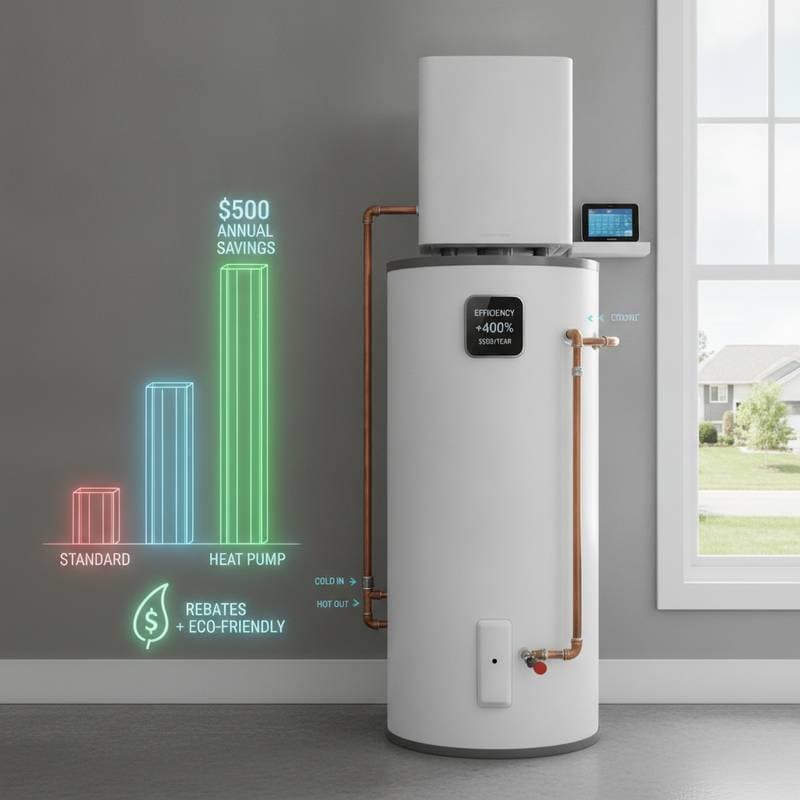

How Triple Efficiency Heat Pumps Reduce Water Bills by 65%
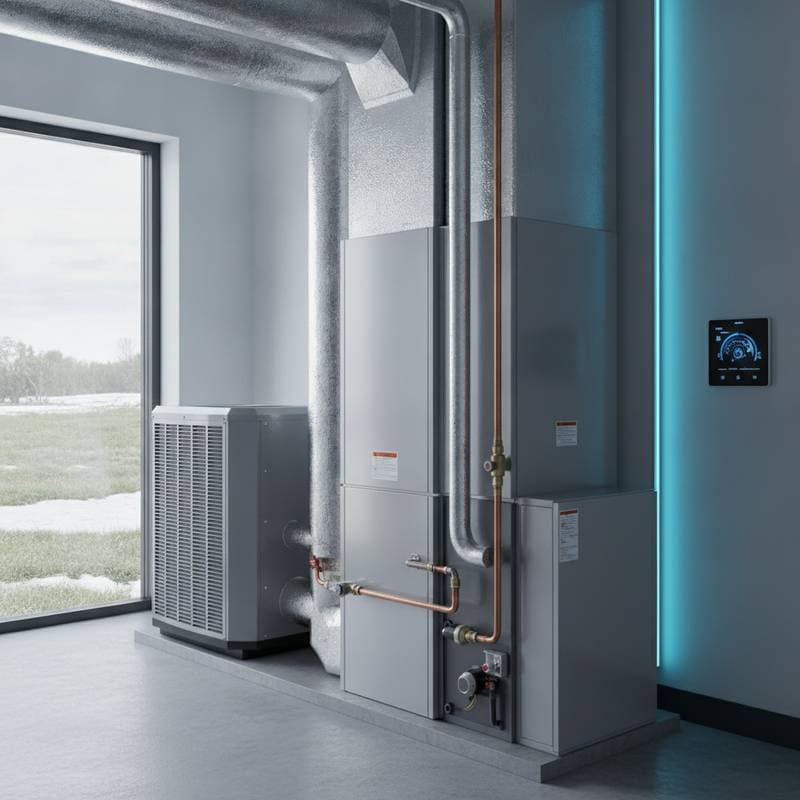
Homeowners seeking to lower water heating costs find that triple efficiency heat pump water heaters offer reductions of up to 65 percent. These systems draw heat from surrounding air and transfer it to water, providing three times the heating output per unit of electricity compared to standard electric heaters. The outcome delivers reliable hot water while minimizing energy expenses relative to traditional electric or gas alternatives.
This guide details the operation of triple efficiency heat pump water heaters, typical cost ranges, and elements affecting performance. It also addresses installation requirements, upkeep strategies, and guidance for selecting a suitable model for specific household needs.
Typical Costs for Triple Efficiency Heat Pump Water Heaters
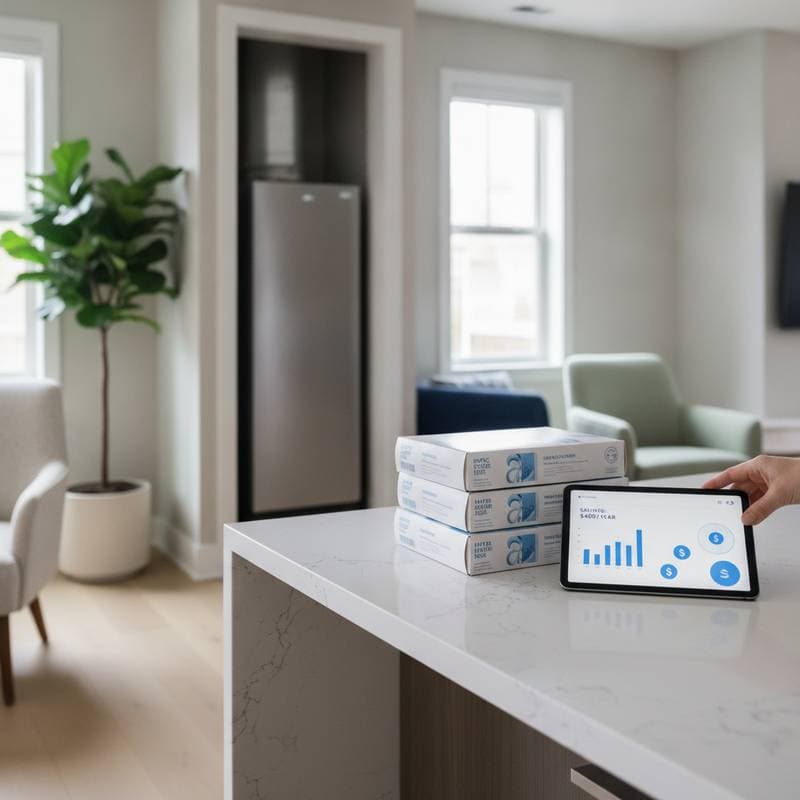
Costs fluctuate based on brand, capacity, and location, but installing a triple efficiency heat pump water heater generally falls between $2,500 and $5,000, encompassing labor. Although the initial expense exceeds that of standard electric models, energy savings often offset the difference within several years.
| Type | Average Cost | Details |
|---|---|---|
| Standard Electric Water Heater | $600 – $1,200 | Basic design with limited efficiency |
| Gas Water Heater | $1,000 – $2,000 | Needs gas connection, offers moderate efficiency |
| Triple Efficiency Heat Pump Water Heater | $2,500 – $5,000 | Superior efficiency yields ongoing savings |
Utility providers and energy initiatives frequently provide rebates or tax credits for high-efficiency heat pump installations. Such incentives reduce the net expense by hundreds of dollars, enhancing appeal for those prioritizing cost reduction and environmental benefits.
Factors Influencing Triple Efficiency Heat Pump Costs
Both upfront and ongoing expenses for triple efficiency heat pump water heaters depend on multiple variables. Understanding these helps in budgeting and maximizing returns.
1. Unit Size and Capacity
Households with greater water usage benefit from units holding 50 to 80 gallons. These larger models involve higher initial costs yet achieve superior efficiency for families with substantial demands.
2. Energy Efficiency Rating
The Energy Factor (EF) or Uniform Energy Factor (UEF) quantifies energy conversion to hot water. Units with elevated ratings ensure enhanced operation and decreased running costs over time.
3. Installation Complexity
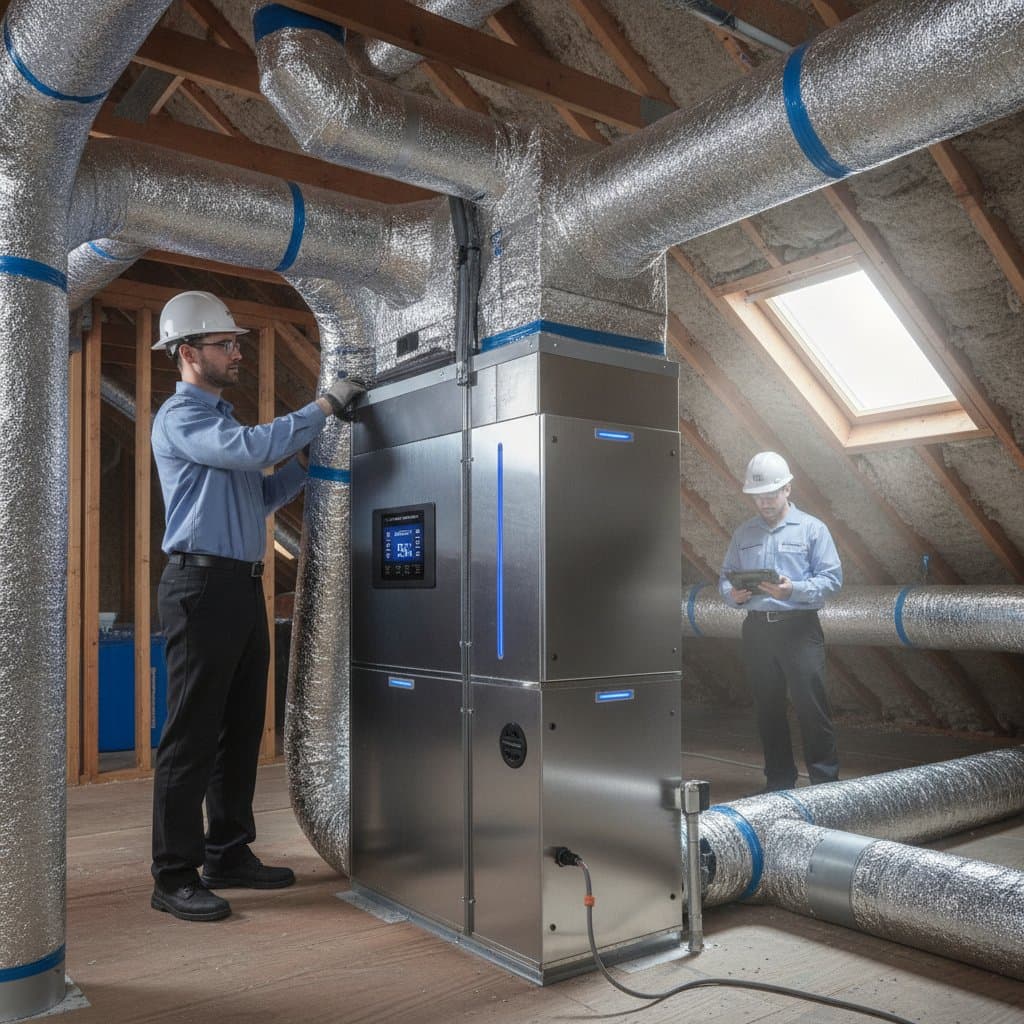
Expenses for setup vary with site specifics. Adapting an existing space might necessitate extra ductwork, drainage, or electrical modifications. Labor often comprises $500 to $1,000 of the overall price.
4. Local Climate Conditions
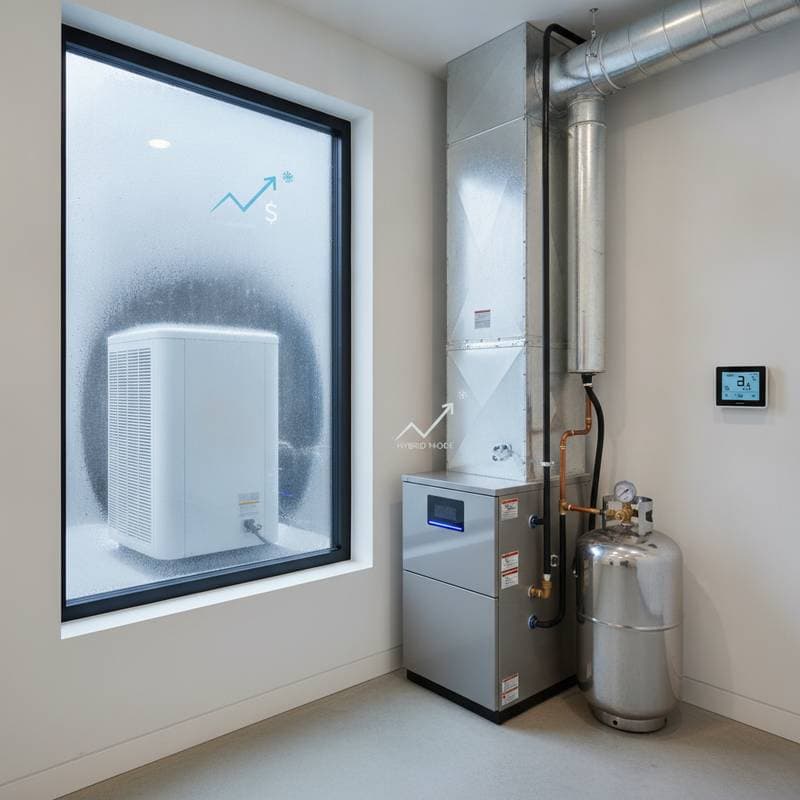
These water heaters excel in temperate or warmer areas where air supplies sufficient heat. In colder zones, hybrid versions incorporate backup electric elements to sustain output during low temperatures.
5. Rebates and Incentives
Energy efficiency programs deliver rebates that offset installation fees for qualifying systems. Participation shortens the recovery period and amplifies cumulative savings.
6. Brand and Warranty Options
Higher-end brands feature extended warranties and intelligent controls. Despite elevated starting prices, they promote dependability and extended durability.
Frequently Asked Questions About Triple Efficiency Heat Pumps
How Long Do Triple Efficiency Heat Pump Water Heaters Last?
These units endure 12 to 15 years under regular maintenance. Cleaning air filters periodically and conducting yearly professional checks preserve efficiency and prolong service life.
Can Heat Pump Water Heaters Function in Cold Climates?
Performance holds in moderate cold, though efficiency may dip in extreme conditions. Hybrid models seamlessly shift to electric backup when air temperatures hinder heat extraction.
How Much Noise Do These Systems Produce?
Operation levels range from 45 to 55 decibels, comparable to a refrigerator. Strategic placement in well-ventilated spaces reduces sound and supports effective air movement.
What Maintenance Do They Require?
Upkeep remains simple. Perform these tasks:
- Clean or replace air filters every three to six months.
- Inspect condensate drains for clogs regularly.
- Arrange annual professional evaluations.
Such practices sustain peak performance and avert expensive fixes.
What Installation Requirements Apply?
Space for air flow totals about 700 cubic feet, plus a condensate drain and electrical outlet. A certified installer assesses compatibility to guarantee seamless integration.
Strategies to Sustain Peak Performance
After installation, a triple efficiency heat pump water heater ranks among the most economical home appliances. Consistent maintenance upholds its effectiveness and safeguards the investment.
To optimize operation:
- Maintain clear airspace around the unit.
- Adjust water temperature to prevent excess heating.
- Examine pipe and tank insulation periodically.
- Book yearly professional service.
Through diligent care, households secure enduring energy reductions and dependable hot water supply. This technology merges innovation with practical use, presenting a prime method to diminish heating expenses and lessen ecological footprint.