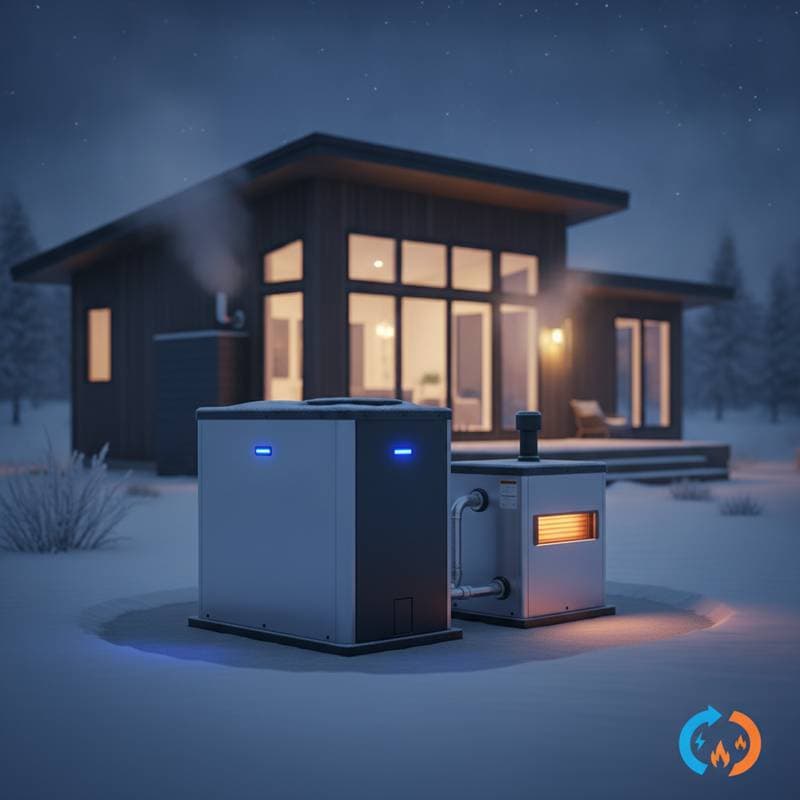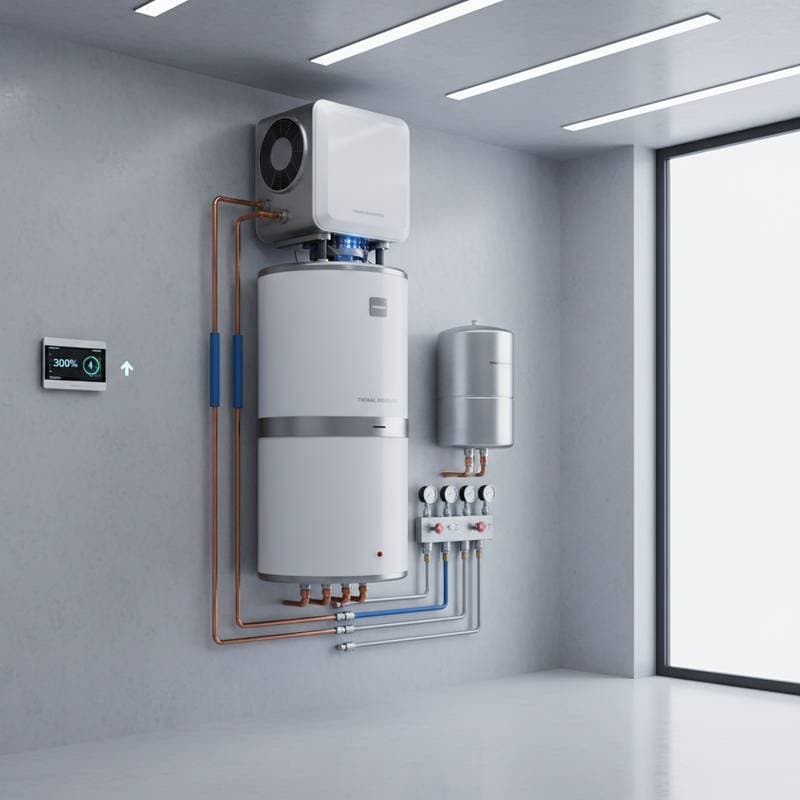
300 Percent Efficiency: How Heat Pumps Transform Home Heating and Water Heating
Homeowners seeking reliable and cost-effective heating solutions should consider heat pumps. These systems achieve efficiency ratings of 300 percent or more by transferring heat rather than generating it from fuel. This approach delivers three units of heat energy for every unit of electricity consumed. The following sections explain the mechanics, benefits, and practical considerations for integrating heat pumps into residential settings.
Understanding Heat Pumps
A heat pump functions as a versatile heating and cooling system that relocates heat from one area to another. During heating operations, it extracts thermal energy from outdoor air, soil, or water sources and directs it indoors. In cooling mode, the process reverses, expelling indoor heat to the exterior environment.
This method contrasts with conventional furnaces or boilers, which rely on combustion to produce heat and often waste energy in the process. By leveraging ambient heat, pumps minimize electricity use, enabling efficiencies that surpass 300 percent in favorable conditions. Such performance stems from advanced compressors and refrigerants designed for optimal heat transfer.
The Impact of 300 Percent Efficiency
For residential users, this efficiency level translates to substantial reductions in energy costs. Traditional gas furnaces achieve at most 95 percent efficiency, meaning a significant portion of fuel energy dissipates as waste. Heat pumps, however, amplify input electricity to produce triple the output in heat, potentially lowering monthly bills by 30 to 50 percent depending on local rates and usage patterns.
Beyond savings, these systems enhance indoor comfort through steady operation. They maintain even temperatures by running continuously at reduced capacity, avoiding the temperature swings common in on-off cycling systems. This consistency also improves air quality by better controlling humidity levels.
Exploring Heat Pump Varieties
Air-Source Heat Pumps
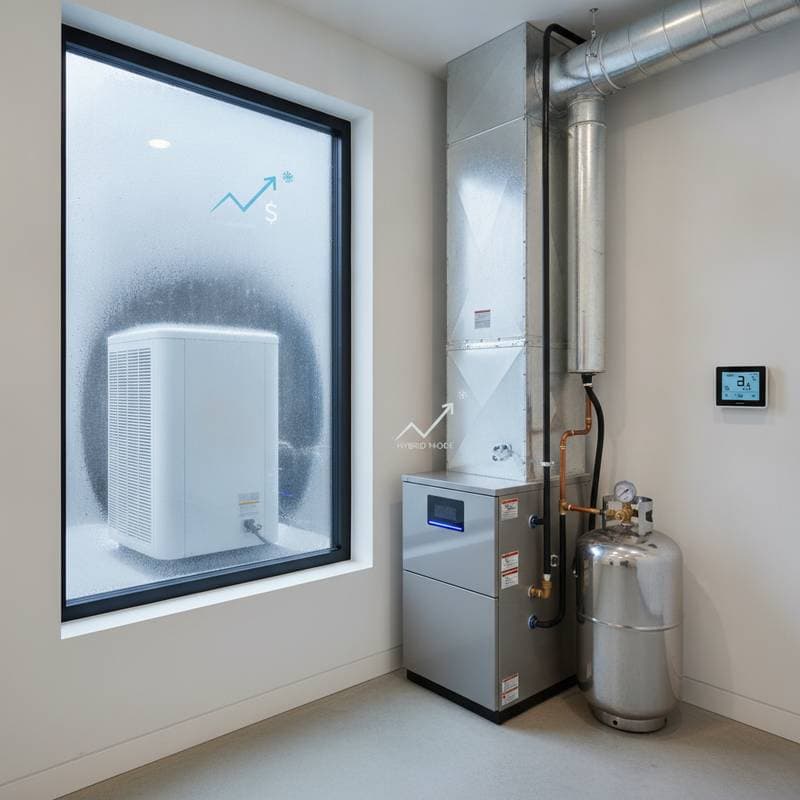
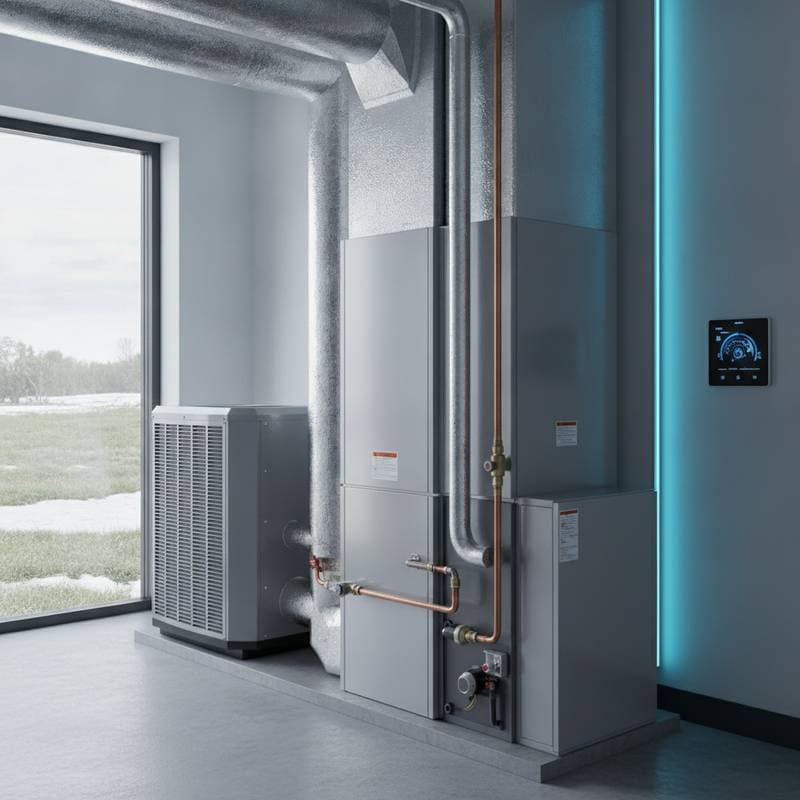
Air-source models extract heat from surrounding outdoor air, making them suitable for most homes. These units perform reliably across diverse climates, with recent advancements allowing effective operation down to minus 15 degrees Fahrenheit. Installation typically involves a wall-mounted indoor handler and an external condenser unit.
Ground-Source Heat Pumps
Ground-source, or geothermal, systems utilize the earth's constant subsurface temperatures, typically between 45 and 75 degrees Fahrenheit. A buried loop of piping circulates fluid to absorb or release heat. While upfront costs range from 20,000 to 30,000 dollars due to excavation, long-term efficiency often justifies the investment through minimal operational expenses.
Water-Source Heat Pumps
Water-source variants draw from stable bodies like lakes, ponds, or wells. They achieve high coefficients of performance, often exceeding 400 percent, in areas with accessible water. Professional assessment ensures compatibility with local regulations and environmental impacts.
Hybrid Heat Pump Water Heaters
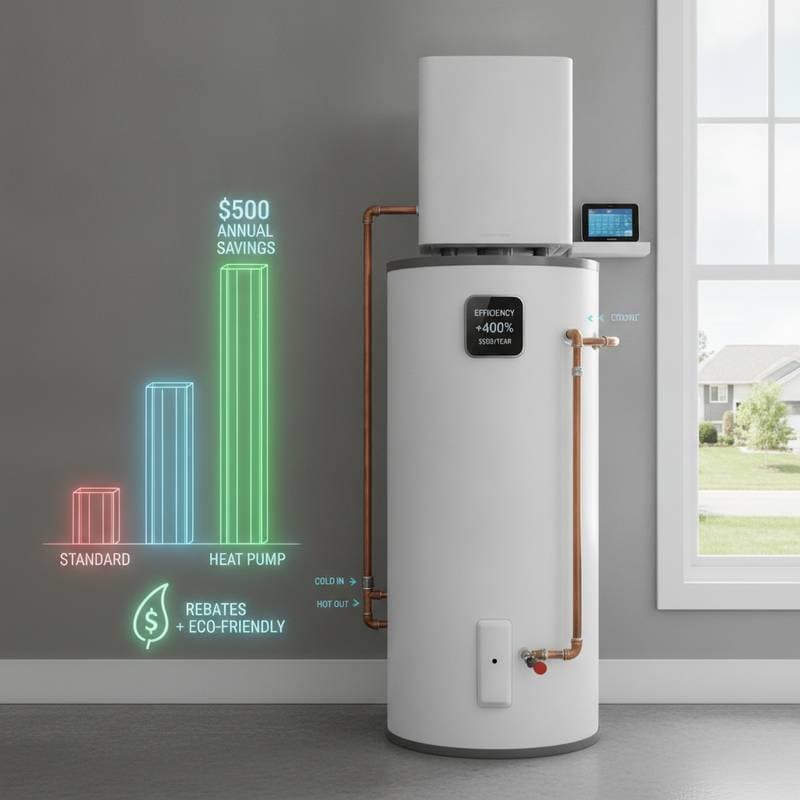
Dedicated water heaters incorporate heat pump technology alongside backup electric resistance elements. Positioned in utility spaces, they pull ambient air heat to warm stored water. These units can cut water heating costs by up to 65 percent compared to conventional electric models, with capacities suited for households of two to six people.
Indicators for Heat Pump Replacement
Recognize the need for an upgrade through several observable issues:
- Escalating utility bills even after routine servicing
- Inconsistent temperatures in different rooms
- Repeated malfunctions requiring professional intervention
- Equipment using phased-out refrigerants like R-22
- Inadequate hot water supply during peak demand periods
Addressing these promptly prevents further inefficiency and extends system longevity.
Elements Influencing Heat Pump Performance
Several variables determine how well a heat pump operates:
- Regional Climate: Units excel in temperate zones but cold-climate versions with variable-speed compressors maintain efficiency in sub-zero conditions.
- Building Envelope: Seal gaps around windows and doors, and add insulation to attics and walls to minimize heat loss.
- Capacity Matching: Conduct a Manual J load calculation to select a unit that aligns with square footage and occupancy.
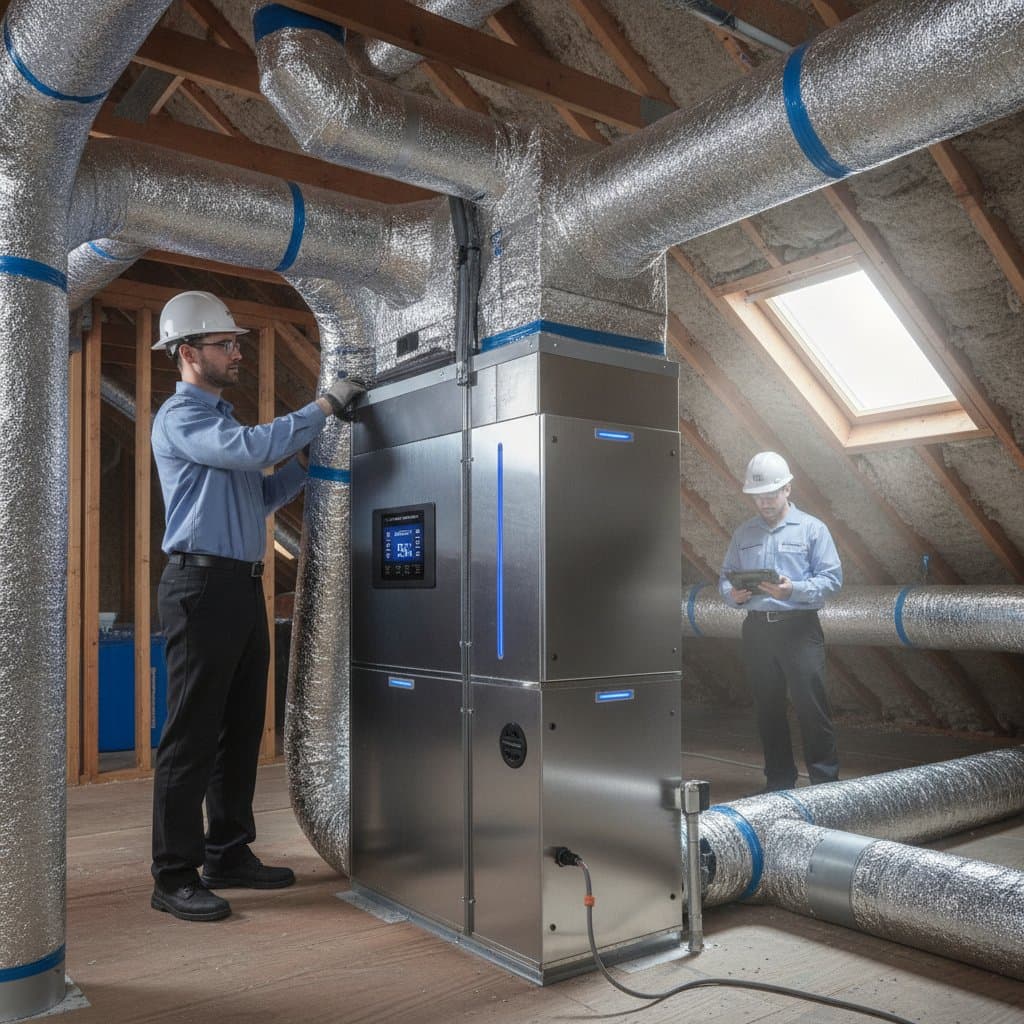
- Professional Installation: Certified technicians ensure proper refrigerant charging and duct integration to avoid performance gaps.
- Ongoing Upkeep: Schedule annual inspections to verify refrigerant levels and electrical connections.
Optimizing these factors can elevate system efficiency by 10 to 20 percent.
Maintenance Strategies: Self-Care and Expert Support
Homeowners can perform basic tasks to sustain peak performance:
- Inspect and replace air filters every one to three months to maintain airflow.
- Clear vegetation and debris from outdoor coils seasonally to prevent overheating.
- Ensure supply and return vents remain free of furniture or rugs for balanced distribution.
For complex issues, such as refrigerant leaks or compressor diagnostics, engage licensed HVAC professionals. Annual tune-ups, costing 100 to 200 dollars, detect problems early and preserve warranties.
Frequently Asked Questions
How Do Heat Pumps Attain 300 Percent Efficiency?
Heat pumps transfer existing thermal energy using a refrigerant cycle powered by electricity. The compressor amplifies this transfer, yielding three units of heat per unit of power input under standard rating conditions.
Do Heat Pumps Function in Freezing Temperatures?
Contemporary models equipped with low-ambient kits and enhanced defrost cycles operate efficiently below zero degrees Fahrenheit. Supplemental heat strips activate only when necessary to bridge extreme cold snaps.
Are Heat Pump Water Heaters a Sound Investment?
These appliances reduce energy consumption for water heating by 50 to 70 percent versus resistance models. Payback periods average three to five years, factoring in rebates and lower operating costs.
What Is the Expected Lifespan of a Heat Pump?
Air-source systems endure 10 to 15 years with diligent care. Geothermal installations often exceed 20 years for indoor components, with ground loops lasting 50 years or more.
Must Homes Undergo Electrical Modifications for Heat Pumps?
Most standard 240-volt circuits suffice, but older panels may require upgrades to 200-amp service. An electrician evaluates capacity to prevent overloads.
Steps to Implement Heat Pump Efficiency in Your Home
Evaluate your current setup by reviewing energy statements and system age. Consult certified installers for site-specific assessments, including rebate eligibility from utility programs. Transitioning to a heat pump not only curbs expenses but also aligns with sustainable living, providing reliable comfort year-round.