Potential Savings from Hybrid Heat Pumps in 2026
Hybrid heat pumps emerge as a leading solution for efficient home heating and cooling. These systems blend traditional furnace technology with advanced heat pump mechanisms to reduce energy consumption and monthly utility expenses. The average installation cost for a hybrid heat pump system falls between $5,000 and $12,000, influenced by factors such as home size, system capacity, and efficiency levels. Homeowners often recover this investment through lower bills within three to seven years, depending on local energy rates and usage patterns.
This article details the increasing adoption of hybrid systems, covering average installation expenses, essential cost considerations, and projected energy savings. It also examines hybrid heat pump water heaters, which apply comparable technology to enhance hot water production efficiency.
Factors Influencing Hybrid Heat Pump Costs
Multiple elements determine the total expense of a hybrid heat pump installation. Homeowners benefit from reviewing these aspects to develop realistic budgets and evaluate contractor proposals effectively.
System Size and Capacity
The required capacity depends on the home's square footage and layout. For instance, a 1,500-square-foot residence might suffice with a 2-ton unit, whereas a 3,000-square-foot home could demand a 4- or 5-ton system. Accurate sizing by a professional prevents inefficiency and extends equipment lifespan, avoiding the pitfalls of an undersized or oversized unit.
Efficiency Ratings
Efficiency measures include SEER for cooling performance and HSPF for heating output. Units with SEER ratings exceeding 18 and HSPF ratings above 10 deliver substantial energy reductions over time, justifying the premium on initial purchase. Selecting such high-efficiency models aligns with long-term financial and environmental goals.
Labor and Installation Expenses
Installation labor varies by geographic location and project scope, typically amounting to $1,500 through $3,000 for straightforward setups. Additional work, such as installing new ductwork, upgrading electrical panels, or routing refrigerant lines, can elevate costs by 20 to 50 percent. Engaging certified technicians ensures compliance with building codes and optimal system performance.
Energy Source Integration
Systems combining heat pumps with gas furnaces incur higher upfront costs due to dual components but excel in cold climates by minimizing operational expenses during peak winter demand. All-electric hybrids present lower initial outlays yet may increase running costs in sub-freezing temperatures. Evaluate local fuel prices and climate data to determine the most economical configuration.
Available Rebates and Incentives
Utility providers and government programs frequently provide rebates ranging from $300 to $2,000 for qualifying high-efficiency installations. Federal tax credits under energy efficiency initiatives can further offset expenses by up to 30 percent of the total cost. Research state-specific programs through the Database of State Incentives for Renewables and Efficiency to maximize financial support.
Brand Quality and Advanced Features
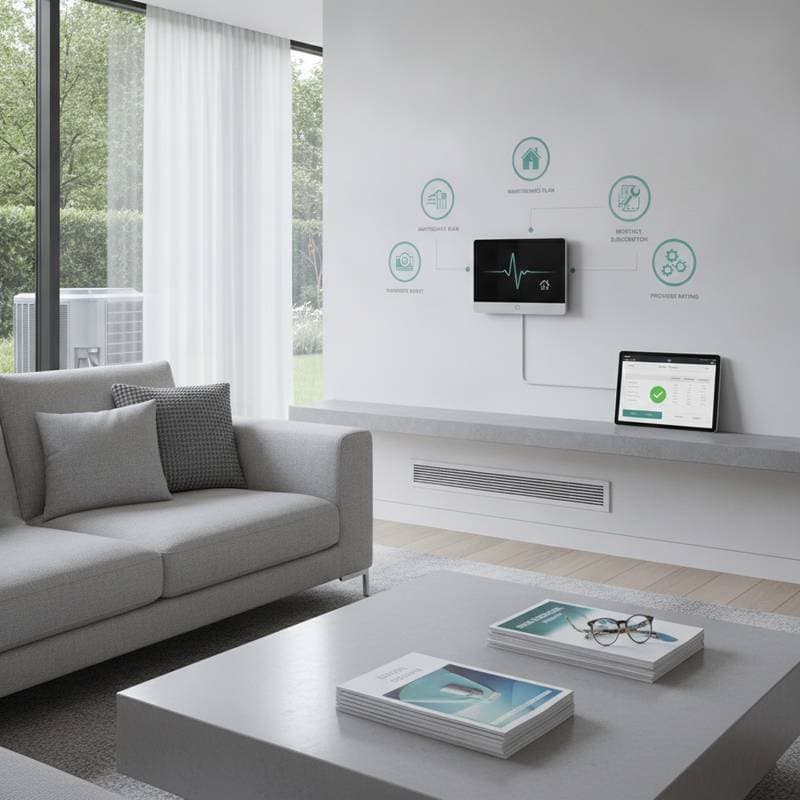
Reputable brands incorporating inverter-driven compressors, variable-speed blowers, and integrated smart thermostats justify elevated prices through enhanced durability and user convenience. These features enable precise temperature regulation, reduce wear on components, and support app-based monitoring for proactive maintenance. Prioritize models with strong manufacturer warranties, often spanning 10 years on key parts.
Advantages of Installing Hybrid Heat Pump Systems
Hybrid heat pumps appeal to homeowners seeking balanced performance and sustainability. Beyond cost efficiency, these systems offer multifaceted benefits that enhance daily living.
- Reduced Utility Expenses: By optimizing energy use across heating and cooling cycles, hybrids lower dependence on fossil fuels or grid electricity, yielding annual savings of $500 to $1,500.
- Consistent Year-Round Comfort: Automatic mode switching between heat pump and auxiliary furnace maintains ideal indoor temperatures without manual intervention.
- Environmental Sustainability: Lower carbon emissions result from efficient operation, contributing to reduced household greenhouse gas footprints.
- Minimal Operational Noise: Variable-speed technology dampens sound levels to below 50 decibels, comparable to a quiet conversation.
- Integrated Smart Features: Compatibility with Wi-Fi-enabled thermostats allows scheduling, remote adjustments, and energy usage analytics via mobile devices.
These attributes prove particularly valuable in areas experiencing seasonal temperature extremes, ensuring dependable operation with minimal environmental impact.
Securing Quotes for Hybrid Heat Pump Installations
A hybrid heat pump installation qualifies as a significant home upgrade, warranting thorough preparation and expert input. Obtaining quotes from at least three licensed contractors facilitates informed decisions on equipment, timelines, and total investment.
Essential Questions for HVAC Contractors
Pose these targeted inquiries to gauge expertise and align expectations:
- Based on my home's square footage and insulation quality, what system capacity do you suggest?
- Which specific brands and models provide optimal efficiency for my regional climate conditions?
- Can you identify applicable local, state, or federal rebates and assist with the application process?
- What elements does your quote encompass, including materials, labor, and any contingencies?
- Will you manage the removal and eco-friendly disposal of existing equipment?
- How many days do you estimate for the complete installation?
- What routine maintenance schedule do you advise to preserve system efficiency?
- Does my current electrical infrastructure support the new heat pump, or are upgrades necessary?
- May I review references or case studies from similar hybrid projects you have completed?
- What terms apply to the warranty, covering both parts and labor durations?
Document responses in writing to compare options systematically and select a contractor committed to quality workmanship.
Embracing Efficient Home Climate Control
Hybrid heat pumps advance the evolution of residential HVAC solutions by merging proven reliability with cutting-edge efficiency. As energy prices climb and sustainability priorities intensify, these systems equip homeowners with tools for enhanced comfort and fiscal prudence. Consider scheduling a professional assessment to explore how a hybrid setup can tailor to your home's unique needs and deliver enduring value.