Save Up to $840 Annually on Heating Costs with Dual-Fuel Systems
Heating a home ranks among the most significant energy expenditures, particularly during winter months. If utility statements cause concern each season, consider a dual-fuel HVAC system as an effective remedy. These hybrid setups integrate electric and gas heating technologies to provide reliable warmth while reducing operational expenses. The following sections explain the functionality of dual-fuel systems, their efficiency advantages, and the potential for annual savings reaching $840.
What Is a Dual-Fuel System?
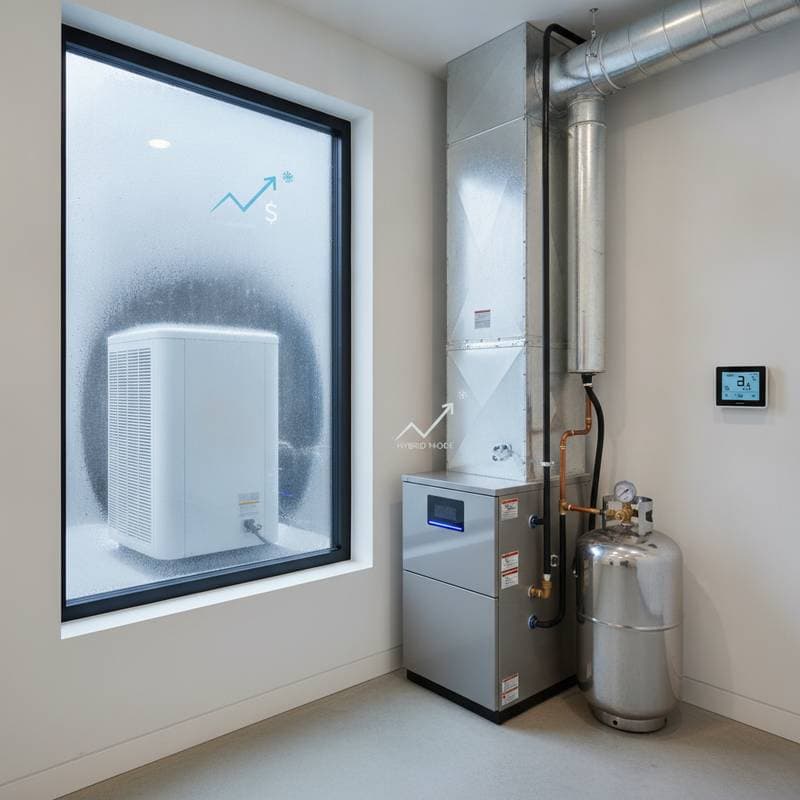
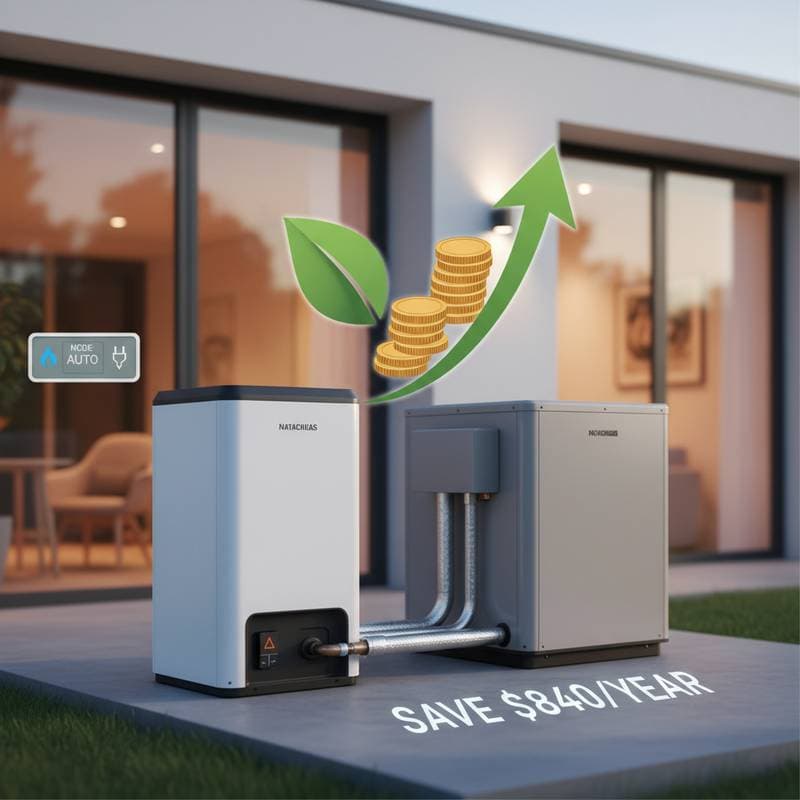
A dual-fuel system, often referred to as a hybrid heating system, pairs a heat pump with a gas furnace within a unified configuration. This arrangement enables automatic transitions between energy sources based on external temperature conditions, optimizing both efficiency and indoor comfort.
The operation proceeds as follows:
- In moderate weather, the heat pump employs electricity to extract warmth from outdoor air and transfer it indoors. This method proves highly efficient within suitable temperature ranges, consuming substantially less energy than conventional furnaces.
- During extreme cold, when the heat pump's performance diminishes, the system shifts to the gas furnace. Gas-based heating excels in low temperatures, maintaining warmth without straining electrical elements.
Integrated controls facilitate these seamless changes, selecting the optimal source for prevailing conditions. This approach conserves energy and prolongs the operational lifespan of both components.
Why Dual-Fuel Systems Excel in Efficiency
Conventional heating relies on a single energy type across all scenarios, potentially leading to inefficiencies such as operating gas heat during periods when electricity would suffice at lower cost. Dual-fuel systems eliminate such inefficiencies through automated decision-making.
Intelligent Source Selection
The system continuously assesses outdoor temperatures to identify the most cost-effective fuel at any given time. This adaptive process reduces unnecessary energy use and stabilizes monthly expenses.
Balanced Component Utilization
Distributing demands between the heat pump and furnace prevents any single unit from operating at maximum capacity throughout the season. Consequently, wear decreases, equipment longevity increases, and long-term maintenance expenses decline.
Uniform Temperature Control
Automatic adjustments ensure stable indoor conditions without abrupt fluctuations or uneven distribution. Homeowners enjoy consistent heating performance, even during the harshest weather.
Indicators That a Dual-Fuel Upgrade May Suit Your Home
Current heating systems that falter in performance or contribute to rising bills signal the value of a hybrid upgrade. Consider these common indicators:
- Heating expenses rise despite consistent usage patterns.
- Dependence on an aging gas furnace results in prolonged runtime during winter.
- Residence in areas featuring temperate winters interspersed with brief cold periods.
- Desire to lessen environmental impact while preserving comfort levels.
- Impending replacement of existing equipment, with interest in superior energy performance.
Multiple matching factors suggest that a dual-fuel installation represents a prudent choice, recouping costs via sustained savings.
Elements Influencing Dual-Fuel System Expenses
Beyond equipment replacement, various considerations shape installation costs and return on investment.
- Capacity Requirements: Home dimensions and insulation levels determine the necessary heating output. Professionals perform load calculations to select appropriately sized units, avoiding inefficiency from undersizing or oversizing.
- Performance Ratings: Prioritize components with elevated efficiency metrics, such as SEER for heat pumps and AFUE for furnaces. Initial investments may increase, yet accelerated savings justify the expenditure.
- Setup Demands: Existing ductwork in sound condition simplifies labor. Necessary duct modifications elevate overall costs.
- Local Energy Rates: Variations in electricity and natural gas pricing affect payback periods. Regions with affordable electricity enhance dual-fuel benefits.
- Available Rebates: Utilities and manufacturers frequently provide financial incentives for efficient installations. Research these opportunities to offset upfront expenses.
Costs fluctuate by region and provider, but energy reductions typically recover the investment within several years.
Comparing Dual-Fuel to Conventional Heating Options
Understanding distinctions from standard systems clarifies the hybrid's advantages.
Dual-Fuel Versus Gas Furnace
Gas furnaces deliver robust heat in frigid environments but incur higher costs in milder conditions. Dual-fuel configurations reserve furnace use for essential cold spells, defaulting to the heat pump otherwise for economical operation.
Dual-Fuel Versus Electric Heat Pump
Heat pumps offer efficiency yet struggle below certain temperatures. Integrating a gas furnace addresses this limitation, guaranteeing warmth irrespective of extremes.
Overall, dual-fuel systems merge heat pump economy with furnace reliability, providing comprehensive seasonal coverage.
Steps in the Dual-Fuel Installation Procedure
Familiarity with the process aids preparation and expectation management. The sequence unfolds thus:
- Initial Evaluation: Certified technicians inspect home layout, insulation, and ducts to specify required capacity.
- Component Choices: Guidance selects matching heat pump and furnace aligned with financial and performance objectives.
- Integration Work: Installation connects units to ducts, incorporates controls, and programs automatic functions.
- Operational Checks: Testing verifies functionality in both modes, confirming even air distribution.
- Ongoing Care Instructions: Final walkthrough covers maintenance routines to sustain efficiency.
Engage only licensed professionals for installations involving electricity, refrigerants, and gas lines to ensure safety and uphold warranties.
Homeowner Maintenance Versus Professional Service
Basic upkeep falls within homeowner capabilities, but complex diagnostics demand expert intervention to preserve efficiency.
Homeowner Responsibilities
Perform these routines independently:
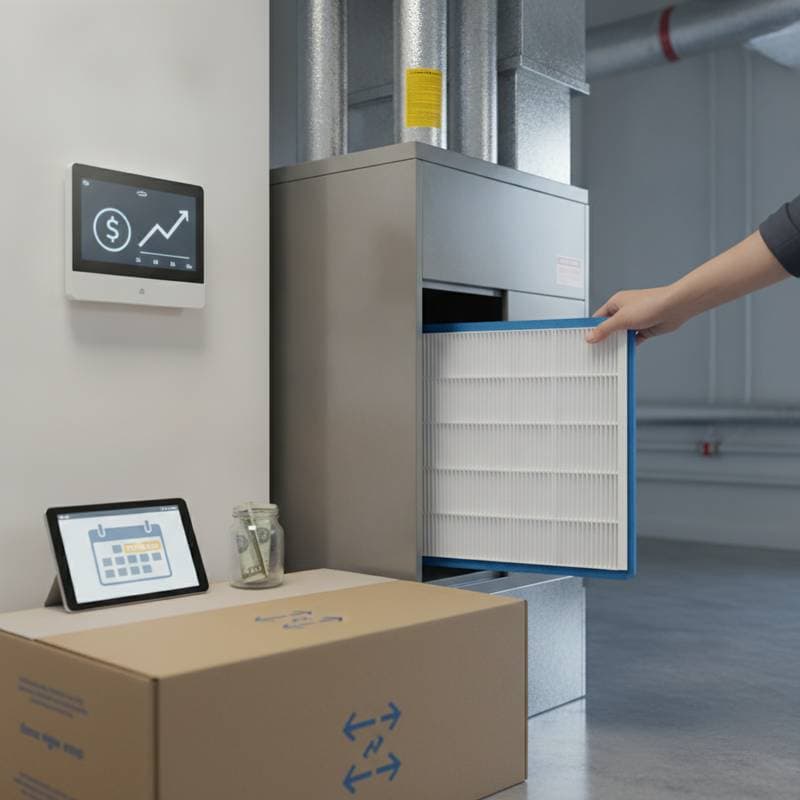
- Exchange or clean air filters monthly to quarterly, depending on usage.
- Clear debris, foliage, and accumulations from outdoor units.
- Verify thermostat accuracy and settings for optimal control.
Professional Duties
Delegate to specialists:
- Examination of wiring, gas lines, and safety features.
- Refrigerant assessment and system pressure adjustments.
- Coil and blower cleaning to prevent airflow restrictions.
- Control recalibration for seasonal adaptations.
Scheduled professional visits establish a maintenance schedule, averting breakdowns and safeguarding savings.
Frequently Asked Questions
How Substantial Are the Savings from a Dual-Fuel System?
Homeowners often realize up to $840 in yearly reductions. Actual amounts vary by home size, regional rates, and reliance on efficient modes.
Do Dual-Fuel Systems Function in Extreme Cold?
Affirmative; the gas furnace activates precisely when heat pump efficiency wanes, delivering dependable heat in subzero conditions.
Is Retrofitting Possible with Existing Equipment?
Frequently, technicians assess furnace compatibility for pairing with a new heat pump and controls, enabling hybrid conversion.
What Is the Expected Lifespan of a Dual-Fuel System?
Proper care yields 10 to 15 years per component, with routine servicing potentially extending durability.
Are Dual-Fuel Systems Beneficial for the Environment?
Yes, these systems promote sustainability by prioritizing the more efficient energy source, thereby curbing overall consumption and emissions compared to single-fuel alternatives.
Achieving Lasting Efficiency and Comfort
Investing in a dual-fuel system enhances home heating through adaptive technology, balanced usage, and substantial cost reductions. Homeowners gain reliable performance tailored to weather variations, alongside decreased environmental strain. Consult a professional to evaluate suitability and initiate savings today.