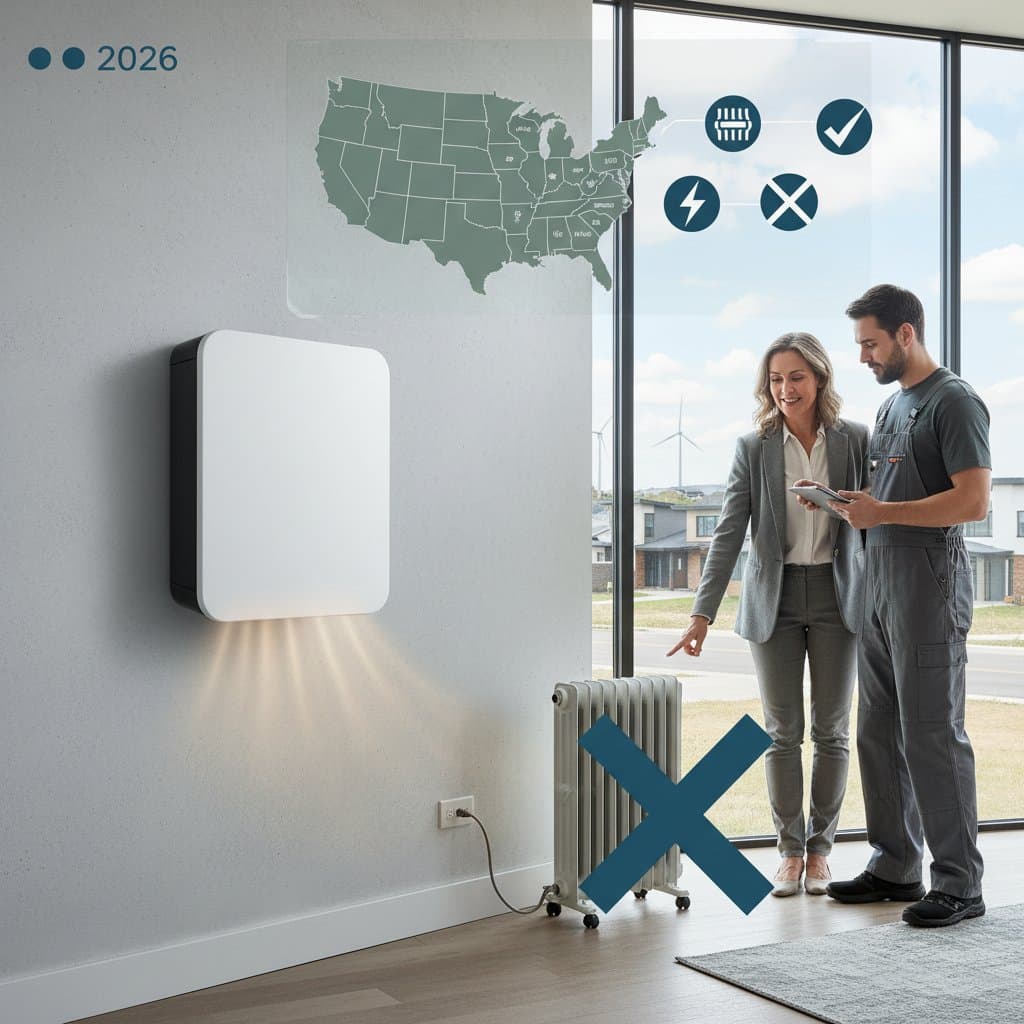
Electric Resistance Heating Bans Take Effect in Eight States by 2026
Homeowners in multiple states face significant updates to residential heating practices. New regulations phase out electric resistance heating systems, prompting questions about maintaining comfort, managing expenses, and meeting legal standards. Those with electric baseboard heaters or outdated electric furnaces should evaluate their options promptly. This overview details the upcoming bans in eight states, the motivations driving these changes, and preparation strategies.
Understanding Electric Resistance Heating
Electric resistance heating represents a straightforward electric method for generating warmth. Electricity flows through metal coils, transforming electrical energy into heat via resistance. This heat then radiates from baseboard units, wall-mounted devices, or forced-air furnaces.
Although installation proves simple and operation reliable, this approach ranks among the least efficient heating solutions. Each watt of electricity converts fully to heat, yet the upstream generation of that electricity often relies on fossil fuels, amplifying indirect costs and environmental burdens. Regulators target this inefficiency as a key factor in policy shifts.
Reasons for the Bans on Electric Resistance Heating
These prohibitions form part of comprehensive initiatives to improve energy use and lower carbon outputs. Policymakers and environmental bodies promote technologies that curb total energy consumption and emissions.
Key drivers include:
-
Energy Efficiency Issues
Electric resistance units demand substantial electricity to produce comparable heat. Heat pumps, by comparison, generate three to four units of heat for every unit of electricity consumed. -
Environmental Consequences
States aim to diminish greenhouse gas emissions by limiting demand from low-efficiency devices. Even as electricity sources grow cleaner, prioritizing reduced waste remains essential. -
Power Grid Reliability
Intense winter demand from resistance systems burdens electrical infrastructure. Transitioning to efficient alternatives eases peak loads and averts potential outages. -
Economic Benefits Over Time
Adopting heat pumps or similar systems typically reduces monthly utility costs. The bans facilitate proactive shifts before legacy equipment deteriorates.
Homes Impacted by the Regulations
Regulations focus chiefly on new builds and extensive renovations, yet owners of installed electric resistance systems merit vigilance. Certain states limit availability of replacement components or prohibit installing outdated models. During planned updates or sales, local codes may mandate efficient substitutes.
Current installations generally remain operational, though escalating compliance demands arise with maintenance needs or property transfers. Proactive planning avoids rushed decisions and associated expenses.
Efficient Alternatives to Electric Resistance Systems
For homes dependent on electric baseboards or furnaces, viable replacements exist tailored to regional conditions, financial constraints, and structural features.
Air Source Heat Pumps
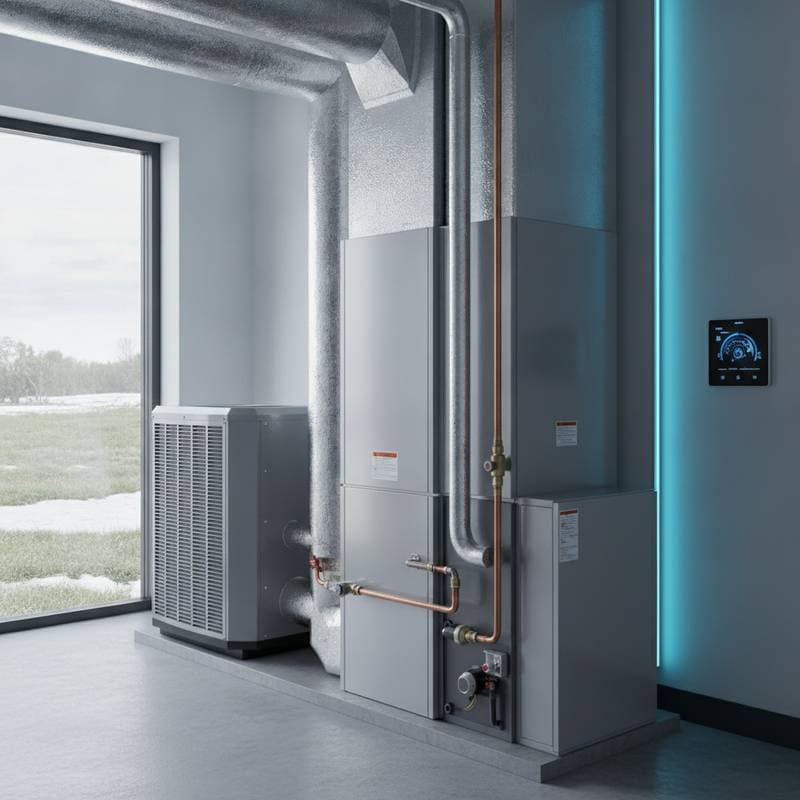
Air source heat pumps extract ambient heat from outdoor air for indoor distribution, bypassing direct generation. This process yields superior efficiency. Contemporary units perform effectively in subfreezing conditions and provide cooling capabilities, serving as comprehensive climate control.
Ductless Mini-Split Configurations
Ductless mini-splits feature an external compressor linked to indoor handlers, suiting homes lacking duct infrastructure or requiring zoned heating. These setups operate quietly, achieve high efficiency, and allow precise temperature adjustments per room via dedicated thermostats.
Geothermal Heat Pumps
Geothermal systems leverage consistent underground temperatures for heating and cooling through buried loops. They offer unmatched efficiency levels, offset by elevated initial investments in excavation. Where rebates apply, these installations deliver substantial ongoing financial returns.
Dual-Fuel Hybrid Systems
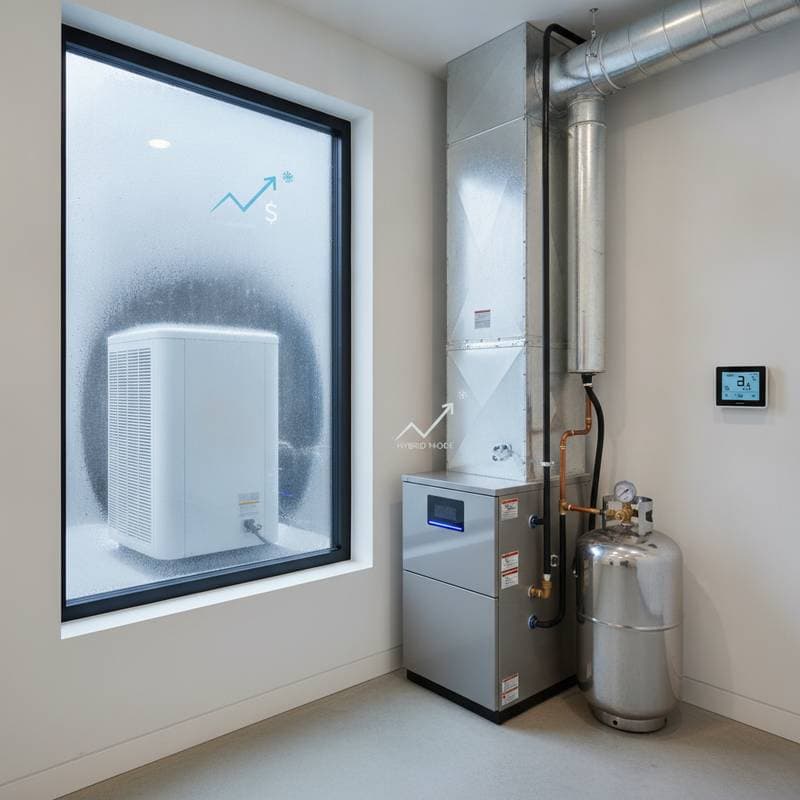
Dual-fuel arrangements pair heat pumps with gas furnaces, with the pump managing milder weather and the furnace engaging during severe cold. This combination balances reliability, adaptability, and electricity conservation.
Elements Influencing Upgrade Expenses
Converting from electric resistance heating entails variables that shape overall investment. Grasping these aids in accurate financial forecasting.
-
Chosen System Variety
Air source heat pumps incur lower installation fees than geothermal options. Ductless systems position intermediately, scaled by the number of required indoor components. -
Property Dimensions and Design
Greater square footage necessitates expanded capacity, elevating material and labor demands. Properties without ducts often require supplementary modifications. -
Performance Specifications
Premium efficiency ratings command higher prices initially yet yield considerable bill reductions across years. -
Available Financial Supports
State programs and utility providers frequently subsidize heat pump installations, covering segments of the outlay. -
Regional Labor and Code Variations
Expenses fluctuate with location and service providers. Obtain bids from multiple licensed experts versed in prevailing standards.
Immediate Actions for Homeowners
Preparation benefits all, regardless of state-specific timelines, by securing optimal selections and rates. Consider these steps:
-
Evaluate your existing heating apparatus to confirm electric resistance usage, such as baseboards, wall units, or panel-linked furnaces.
-
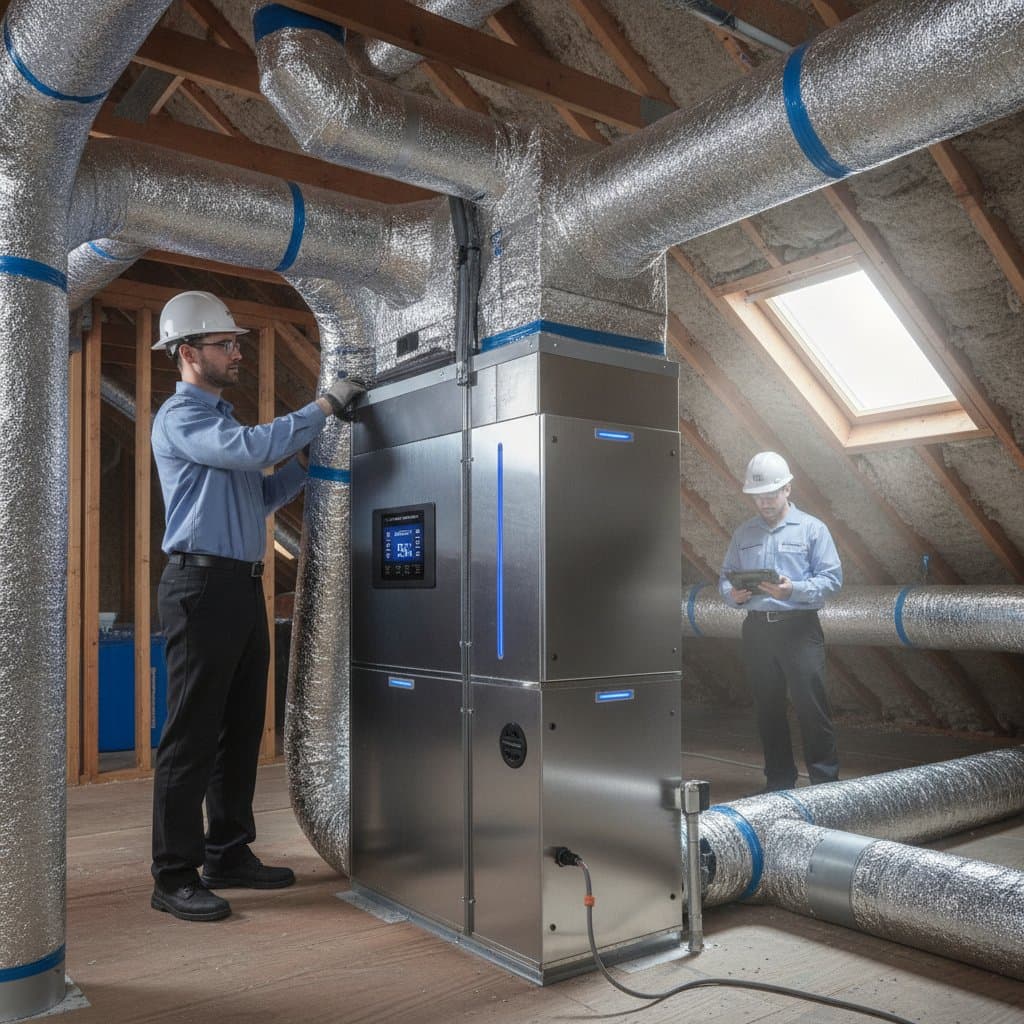
Arrange an assessment by a certified HVAC specialist to analyze heat loss, suitability for alternatives, and climate compatibility.
-
Solicit proposals from at least two reputable firms, inquiring about efficiency metrics, guarantees, and rebate eligibility.
-
Incorporate upgrade costs into long-term budgeting, recognizing that initial expenditures lead to enduring utility reductions.
-
Monitor evolving local ordinances through municipal building departments or energy authorities.
Professional Installation Versus Self-Maintenance
Basic upkeep like cleaning units or sealing drafts falls within homeowner capabilities, enhancing performance without specialized tools. However, full system overhauls demand professional intervention due to complexities in design and safety.
Suitable homeowner tasks include:
-
Routine cleaning of components.
-
Insulating gaps to minimize heat escape.
-
Updating filters and verifying thermostat accuracy.
Professional responsibilities encompass:
-
Calculating precise system sizing and load requirements.
-
Managing refrigerant, electrical, and duct integrations.
-
Ensuring adherence to codes and securing approvals.
Self-attempted advanced work risks hazards, inefficiencies, or invalidated protections. Engage qualified contractors for secure, standard-compliant outcomes.
Frequently Asked Questions
Do Existing Electric Baseboard Heaters Require Immediate Removal?
Most jurisdictions permit ongoing use of installed systems. Bans target fresh installations and significant overhauls. Restrictions may apply to repairs, underscoring the value of forward-thinking replacements.
Do Heat Pumps Incur High Operating Costs in Harsh Winters?
Advanced cold-climate models maintain efficiency below freezing points. Electricity usage rises in extremes, yet aggregate savings surpass those of resistance heating.
How to Identify Electric Resistance Heating in a Home?
Absence of gas, oil, or pump mechanisms indicates resistance types. Common indicators include baseboard radiators, electric wall appliances, or breaker-fed furnaces.
Are Portable Space Heaters Viable Substitutes?
These devices employ resistance principles and suit spot heating sporadically, not comprehensive home needs. They fail to deliver efficient, scalable solutions.
What Rebates Support Heat Pump Transitions?
Incentives differ by state and utility, often covering 20 to 50 percent of costs through federal tax credits or local programs. Contact your energy provider or state efficiency office for current offerings tailored to your location.
Embracing Efficient Home Heating
The bans on electric resistance heating signal a pivot toward sustainable residential warmth. Upgrading to heat pumps or integrated systems not only ensures regulatory alignment but also enhances property appeal and operational economy. Assess your setup, consult experts, and explore supports to navigate this evolution effectively.