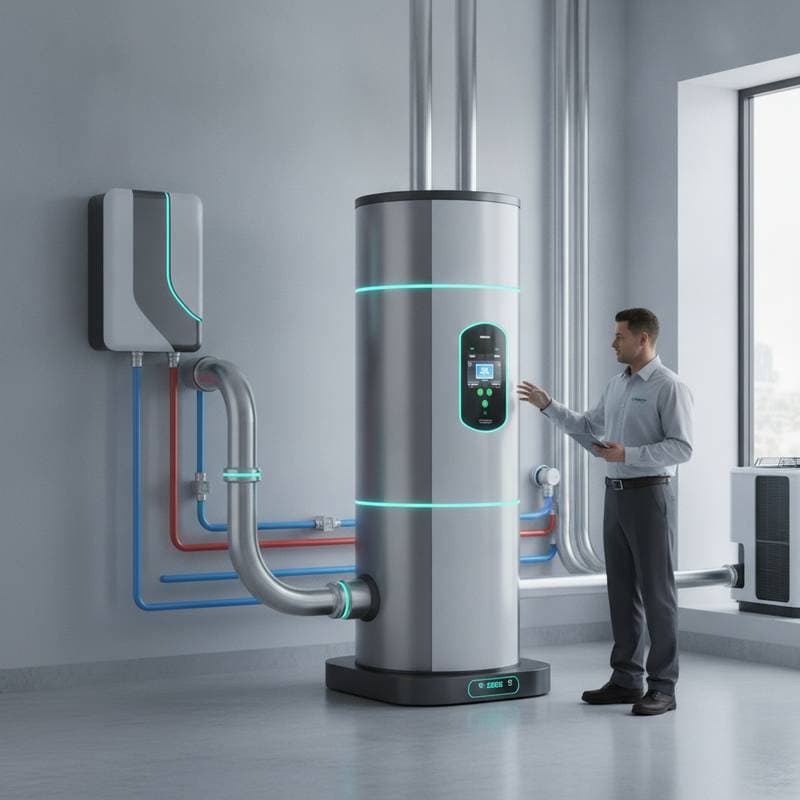

Why Dual-Fuel Heating Systems Reduce Bills by 38 Percent in 2026
Heating bills often rise sharply during winter months, leaving many homeowners searching for effective solutions. Dual-fuel heating systems, sometimes referred to as hybrid heat pumps, address this challenge by integrating electric heat pump technology with gas furnace performance. These systems optimize energy use and can lower costs by up to 38 percent by 2026, according to efficiency projections, while ensuring reliable warmth throughout the home.
Understanding Dual-Fuel Heating Systems
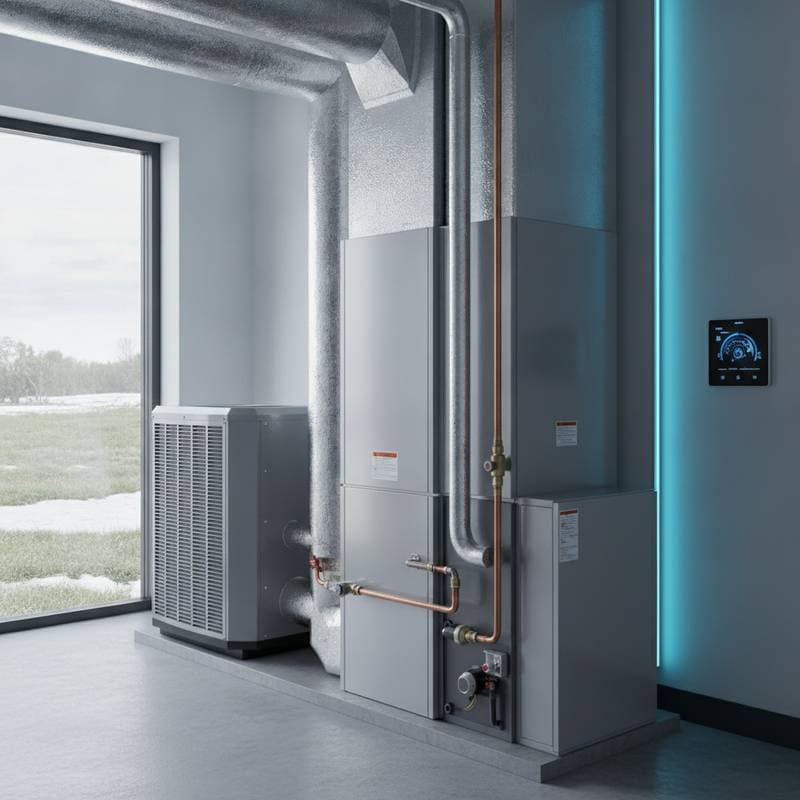
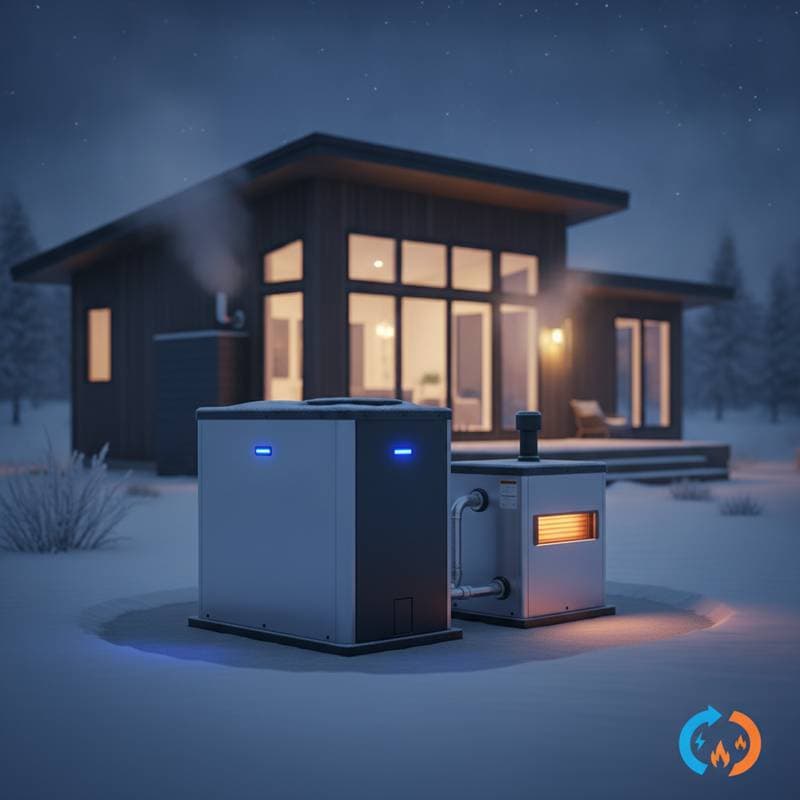
A dual-fuel heating system combines an electric heat pump and a gas furnace into a single, integrated unit. The heat pump extracts warmth from outdoor air during moderate temperatures, operating with high efficiency on electricity. In extreme cold, the gas furnace activates to provide robust heating without straining the system.
This automatic transition relies on sensors that monitor outdoor conditions and energy demands. Homeowners benefit from seamless operation that prioritizes the most cost-effective and efficient mode. As a result, the system maintains steady indoor temperatures without unnecessary energy consumption.
Mechanisms of Energy Savings and Cost Reduction
Dual-fuel systems achieve significant savings by selecting the optimal heating method based on real-time conditions. During milder weather, the heat pump requires far less energy than traditional gas heating, often drawing from off-peak electricity rates. When temperatures plummet, the furnace engages briefly to handle peak demands, avoiding the inefficiencies of a heat pump in sub-zero conditions.
Key factors contributing to these reductions include:
- Peak Efficiency Utilization: Electricity powers the system when rates are low and performance is optimal, minimizing overall fuel needs.
- Minimized Equipment Wear: Components operate within their ideal ranges, which shortens runtime and preserves longevity.
- Integrated Smart Features: Modern thermostats learn usage patterns and adjust settings to further enhance savings, such as pre-heating zones before cold snaps.
- Environmental Gains: Reduced reliance on gas lowers emissions, aligning with broader sustainability goals while cutting utility expenses.
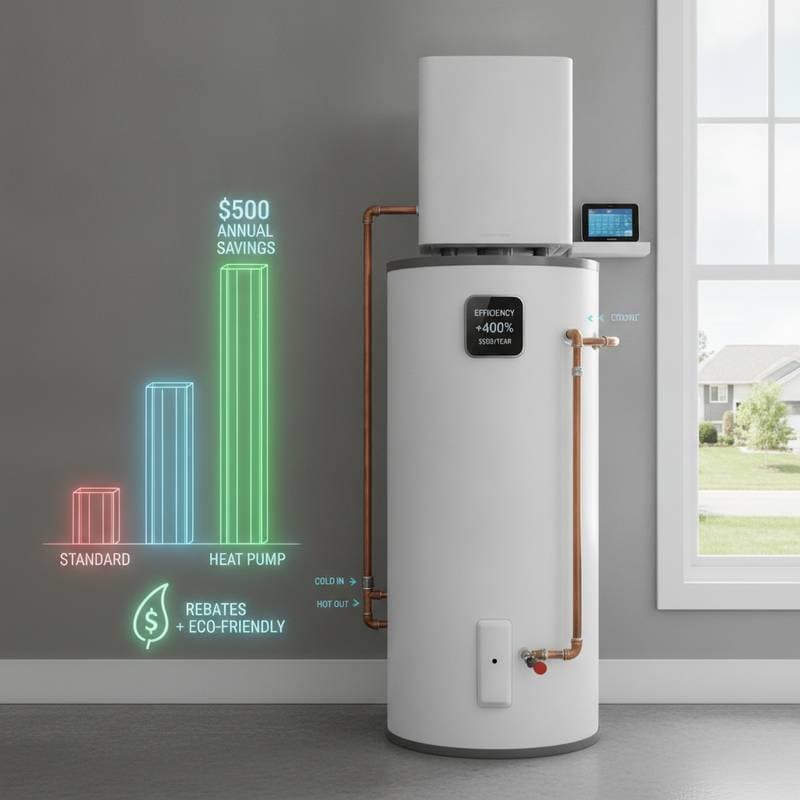
Homeowners typically notice bill reductions starting in the first season, with cumulative savings accelerating over time.
Indicators That Suggest Upgrading to Dual-Fuel Heating
Certain home heating issues signal the potential value of a dual-fuel upgrade. Persistent high bills during winter indicate an inefficient current setup that could benefit from hybrid efficiency. Uneven room temperatures or persistent cold spots often stem from systems struggling with varying demands.
An older furnace or heat pump may no longer meet modern standards, leading to higher operational costs. Frequent manual adjustments between heating and cooling modes disrupt comfort and waste energy. For those aiming to lessen environmental impact, dual-fuel options provide a practical step toward greener heating without major lifestyle changes.
Elements Influencing Dual-Fuel System Expenses
Installation costs for dual-fuel systems depend on multiple variables that affect both upfront investment and long-term returns. Home size plays a central role; larger spaces demand higher-capacity units, increasing material and labor expenses. Efficiency ratings, such as SEER for heat pumps or AFUE for furnaces, influence pricing, with premium models offering greater savings potential.
Existing infrastructure can streamline costs; compatible components from a prior system may require only partial replacement. Local fuel prices shape the return on investment, as regions with affordable electricity amplify benefits. Professional installation ensures proper sizing, which is crucial for performance and warranty validity.
Average initial outlays range from moderate to substantial, but rebates and incentives often shorten the payback period to three to five years through bill reductions.
Homeowner Maintenance Options and Professional Services
Homeowners can perform basic upkeep to sustain system performance. Regularly replacing air filters every one to three months prevents airflow restrictions and maintains efficiency. Clearing leaves or snow from the outdoor unit quarterly avoids operational blockages.
Thermostat calibration involves verifying settings align with seasonal needs and programming schedules for unoccupied periods. For complex issues like refrigerant levels or electrical connections, professional intervention is essential to prevent voiding warranties or safety risks.
Annual inspections by certified technicians identify wear early, ensuring the system operates at peak efficiency.
Steps in the Dual-Fuel Heating Installation
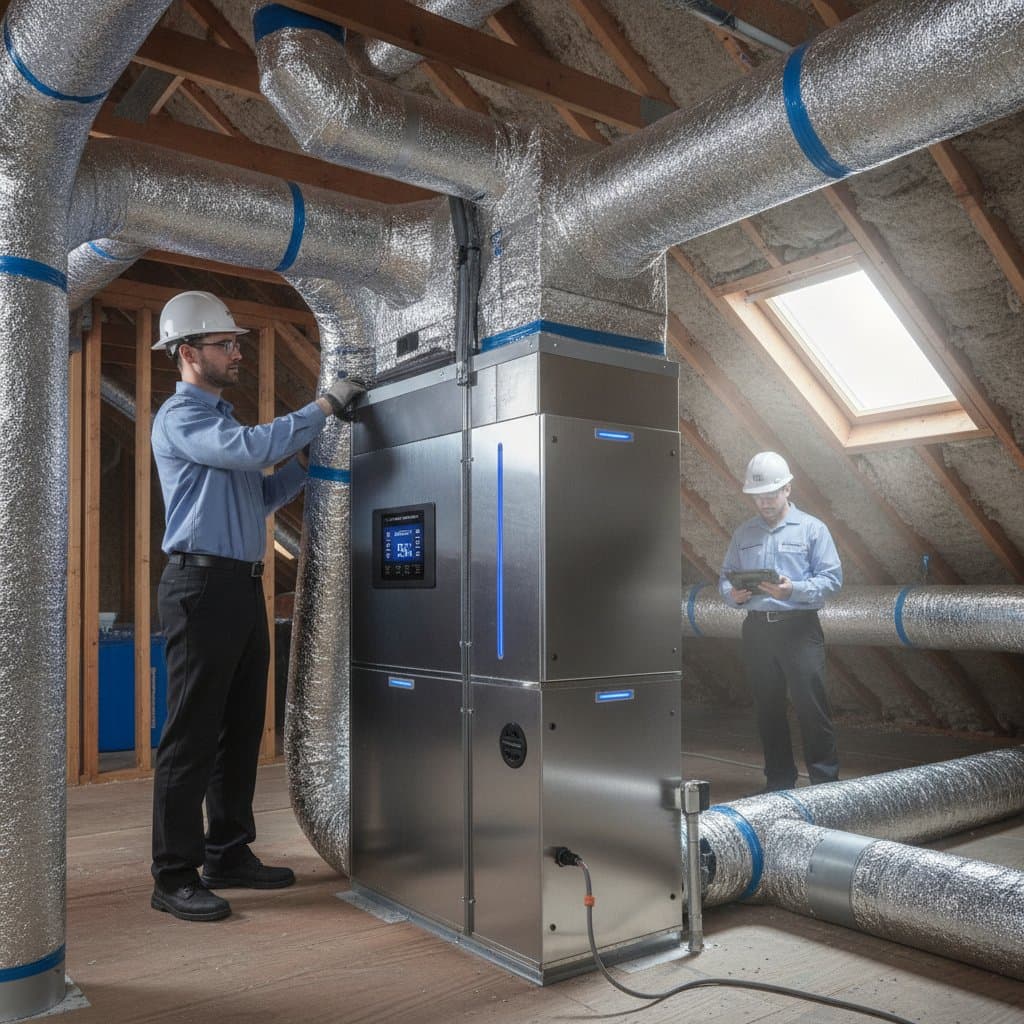
The process begins with a thorough home evaluation, where experts assess insulation quality, ductwork condition, and heating load requirements. This step determines the precise system specifications needed for optimal performance.
Next, professionals select compatible heat pump and furnace models tailored to the home's layout and climate zone. Installation follows, involving removal of outdated equipment and integration of new components into existing infrastructure.
Final testing verifies refrigerant flow, electrical integrity, and automated controls. Technicians then demonstrate operation, including mode switching and energy-saving features, empowering homeowners with knowledge for daily use.
Frequently Asked Questions
How does a dual-fuel system determine the switch between electric and gas heating?
The system employs outdoor temperature sensors linked to a programmable thermostat. When conditions drop below a predefined threshold, typically around 30 degrees Fahrenheit, the gas furnace activates to maintain efficiency.
Does investing in a dual-fuel system yield worthwhile returns?
The higher initial cost pays off through substantial energy savings, often recouping expenses in a few years. Enhanced comfort and durability further justify the upgrade for most households.
Is it possible to retrofit a dual-fuel system onto an existing HVAC setup?
Compatibility checks allow integration in many cases. A qualified technician evaluates current components to confirm seamless addition of the hybrid functionality.
What is the recommended maintenance schedule for dual-fuel systems?
Biannual professional servicing, aligned with heating and cooling seasons, ensures reliability. Homeowners handle routine tasks like filter changes to support these efforts.
Can dual-fuel heating perform effectively in harsh winter climates?
The gas furnace excels in severe cold, providing immediate heat, while the heat pump handles transitional weather to optimize overall energy use.
Embracing Efficient Home Heating Solutions
Transitioning to a dual-fuel system positions homeowners for sustained savings and superior comfort. These hybrid technologies adapt to changing conditions, delivering reliable performance year-round. By prioritizing efficiency, they transform winter heating from a burden into a manageable, cost-effective essential.