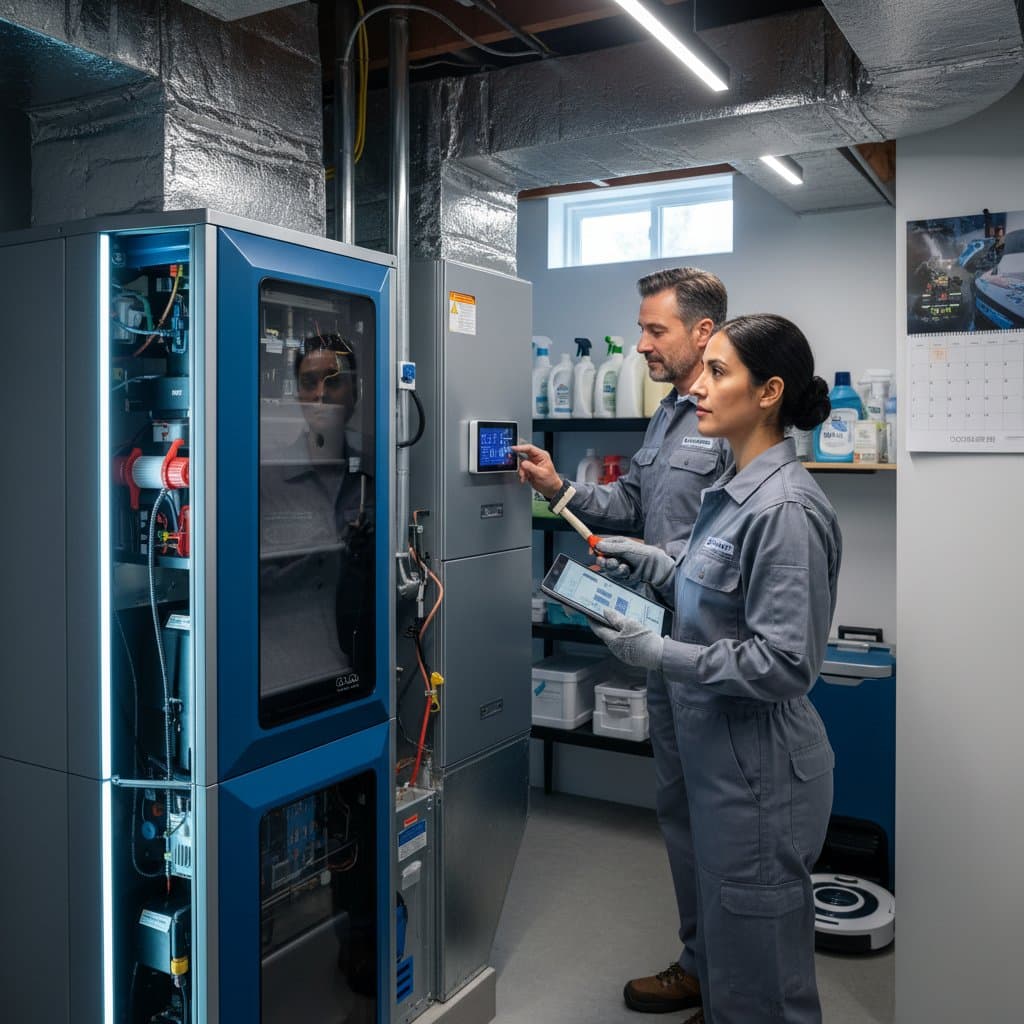
Prevent HVAC Emergencies with DIY Maintenance in 2026
A projected shortage of HVAC technicians raises concerns for homeowners about maintaining heating and cooling systems. Current repair wait times already span several days in many areas. With fewer professionals available by 2026, proactive measures become essential to ensure reliable operation.
Homeowners can implement straightforward steps today to prepare equipment and reduce reliance on emergency services. These actions extend system lifespan, improve efficiency, and lower overall expenses.
Understanding the Impact of the Technician Shortage
The HVAC sector confronts a widening disparity as experienced technicians retire faster than new entrants join. This imbalance will likely extend repair timelines, elevate service fees, and strain available workers. Homeowners face the challenge of adapting through prevention rather than reaction.
Proper maintenance identifies minor issues before they escalate into crises demanding urgent attention. Consistent care enhances equipment performance, conserves energy, and provides financial benefits while alleviating anxiety during peak demand periods.
The Growing Importance of DIY HVAC Maintenance
DIY maintenance focuses on accessible, low-risk activities that safeguard systems without venturing into technical repairs. In light of impending shortages, these practices prove invaluable for minimizing professional interventions.
Key advantages include reduced incidence of sudden failures, decreased energy consumption via optimized operation, improved indoor air quality, expedited professional visits when required, and greater assurance of consistent home comfort.
Homeowners gain proficiency in fundamental procedures while deferring intricate tasks to qualified experts, striking a balance between self-reliance and safety.
Essential DIY HVAC Maintenance Tasks
Basic upkeep requires no specialized equipment or expertise. The following tasks offer practical ways to sustain system health.
Replace or Clean Air Filters
Air filters represent the simplest yet most critical maintenance element. Clogged filters impede airflow, compelling the system to strain and lose efficiency.
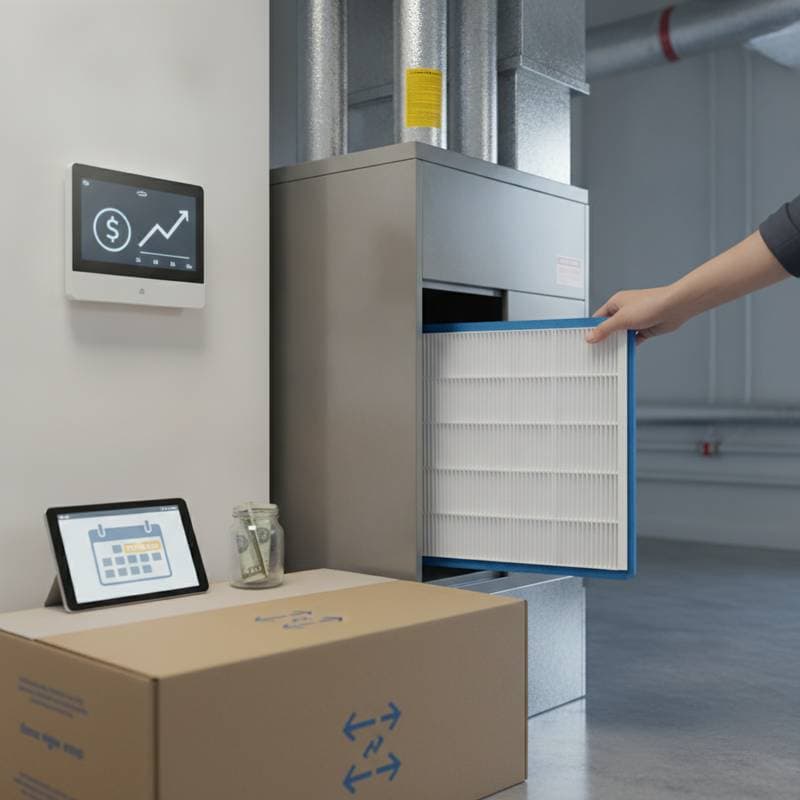
Examine filters each month. Swap disposable types every one to three months, or wash reusable versions according to manufacturer guidelines. Select filters matching the unit's dimensions and MERV rating for optimal results.
Clear Outdoor Units
Outdoor condensers and heat pumps demand unobstructed airflow. Vegetation or accumulated debris hinders performance.
Maintain a two-foot clearance by trimming surrounding plants. Clear leaves, soil, and clippings from the base. Hose down coils gently to remove grime, avoiding damage to delicate fins.
Maintain Indoor Vents and Registers
Dust accumulation on vents compromises air circulation and quality.
Vacuum registers using a soft brush attachment periodically. Wipe grilles with a moist cloth. Ensure no furniture or drapery obstructs airflow paths.
Verify Thermostat Functionality
Inaccurate thermostats lead to unnecessary energy use.
Confirm displayed temperatures align with actual conditions. Install fresh batteries if operations falter. Upgrade to programmable or smart thermostats for precise scheduling and remote access.
Inspect Condensate Drain Lines and Pans
Air conditioning units produce condensation that must drain properly. Blockages invite water damage and microbial growth.
Identify the drain line adjacent to the indoor coil. Flush with a cup of white vinegar monthly to inhibit algae. Drain and sanitize the pan if water pools.
Monitor for Operational Anomalies
Changes in sound, vibration, or odor often indicate emerging faults.
Note baseline system noises during routine cycles. Scan for moisture leaks, corrosion, or unsecured components. Document observations to assist technicians during assessments.
These routines complement rather than substitute professional inspections, substantially decreasing service frequency.
When to Engage Professional Services
Certain HVAC operations demand certified expertise due to inherent risks and regulatory requirements. Refrigerant management, electrical modifications, and gas line handling pose hazards and may invalidate warranties.
Seek licensed technicians for refrigerant detection and replenishment, circuit troubleshooting, furnace ignition servicing, full system setups or upgrades, and detailed diagnostic evaluations.
Professionals possess necessary tools and knowledge to execute these safely, preventing further complications or personal harm.
Strategies to Navigate Technician Shortages
Anticipate challenges by establishing protocols for HVAC management. Proactive habits ensure comfort despite constrained availability.
Establish Ties with a Reliable Provider
Select a local HVAC firm in advance of any crisis. Enroll in maintenance programs for preferential booking and cost savings on repairs.
Arrange Tune-Ups in Advance
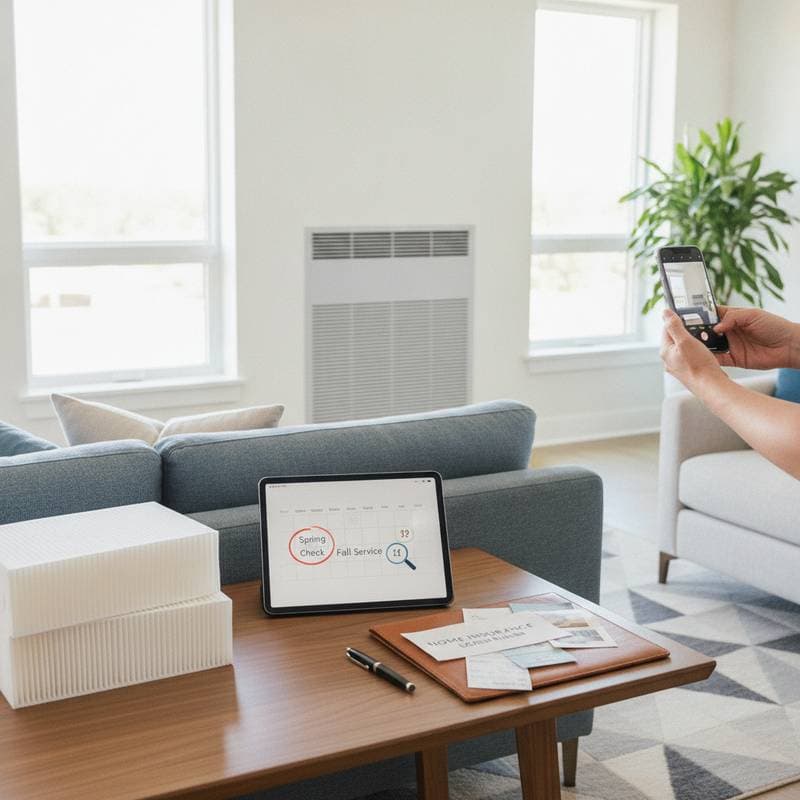
Reserve annual or seasonal checks during off-peak times. Early appointments allow thorough cleaning and adjustments when slots remain open.
Maintain Supply Reserves
Keep extra filters, cleaning agents, and tools accessible. Preparedness avoids disruptions from supply chain issues.
Study System Specifications
Review the owner's manual thoroughly. Locate key elements like circuit breakers, valves, and access panels. This knowledge accelerates issue identification and communication with service providers.
Adopt Monitoring Devices
Smart thermostats and sensors detect irregularities promptly. These tools enable swift responses, averting major disruptions.
Elements Affecting HVAC Service Expenses
Service pricing may fluctuate with supply constraints. Awareness of influencing variables aids in effective budgeting.
-
Unit Configuration and Capacity
Larger or intricate setups demand extended labor for evaluation and fixes. -
Access Challenges
Hard-to-reach locations, such as attics, incur additional fees for maneuvering. -
Component Availability
Scarce parts elevate replacement costs. Routine care diminishes such needs. -
Urgent or Off-Hour Calls
Premium rates apply to immediate or non-standard timing, especially under shortages. Prevention circumvents these premiums. -
Regional Variations
Costs differ by geography and seasonal pressures. Harsh climates amplify demands and rates.
This insight supports informed timing for maintenance.
Developing a Personalized Maintenance Schedule
Structured routines transform upkeep into habit, nipping problems in the bud.
Monthly Activities
- Assess and refresh air filters.
- Scan outdoor units for obstructions.
- Confirm vent accessibility.
Seasonal Preparations
- Prior to summer, rinse condenser coils and calibrate thermostats.
- Ahead of winter, service furnace filters and clean blower areas.
- Flush drain lines with vinegar routinely.
Yearly Professional Review
Annual expert evaluations cover refrigerant charges, wiring integrity, and performance metrics. Combining self-care with this ensures comprehensive protection.
Distinguishing DIY from Expert Interventions
Clear boundaries enhance safety and effectiveness. The table below delineates responsibilities.
Suitable for DIY
- Filter replacements
- Vent and coil cleaning
- Thermostat battery swaps
- Drain line flushing
Reserved for Professionals
- Electrical diagnostics
- Refrigerant procedures
- Ductwork sealing
- Complete installations
Homeowners handle routine elements adeptly, escalating complexities appropriately.
Gaining Assurance in Home HVAC Care
Initial apprehension about maintenance is common, yet incremental progress fosters capability. Begin with filter changes or vent dusting to build momentum.
Numerous providers offer homeowner seminars or digital guides. These resources equip individuals to address basics amid rising demands on professionals.
Frequently Asked Questions
What Steps Follow If Appointments Prove Elusive?
Emphasize interim safeguards like filter updates and coil wiping. Halt operation for suspected electrical or refrigerant faults until expert arrival.
Is Self-Recharging Air Conditioners Feasible?
Negative. Such tasks necessitate certification and gear, risking system harm and legal infractions.
What Is the Ideal Frequency for Expert Servicing?
Annual inspections suit most units. Extreme locales may require bi-seasonal attention.
Does DIY Upkeep Invalidate Warranties?
Standard tasks like cleaning preserve coverage; many terms mandate them. Repairs or alterations pose the true risks.
How to Mitigate Local Shortages?
Foster provider relationships, stock essentials, and leverage technology for early alerts.
Securing Long-Term Comfort Through Preparation
Technician limitations need not compromise well-being. A disciplined DIY regimen paired with professional alliances maintains system reliability.
Invested care yields tranquility, averts high expenses, and sustains efficiency. Implement these practices to navigate future challenges effectively.