Introduction to Hydrogen Furnaces
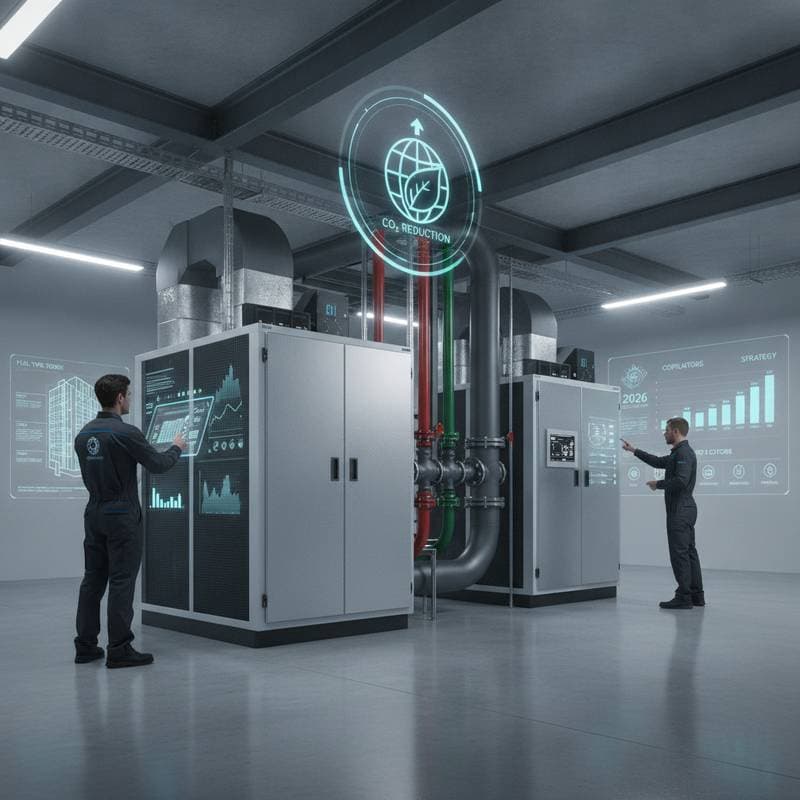
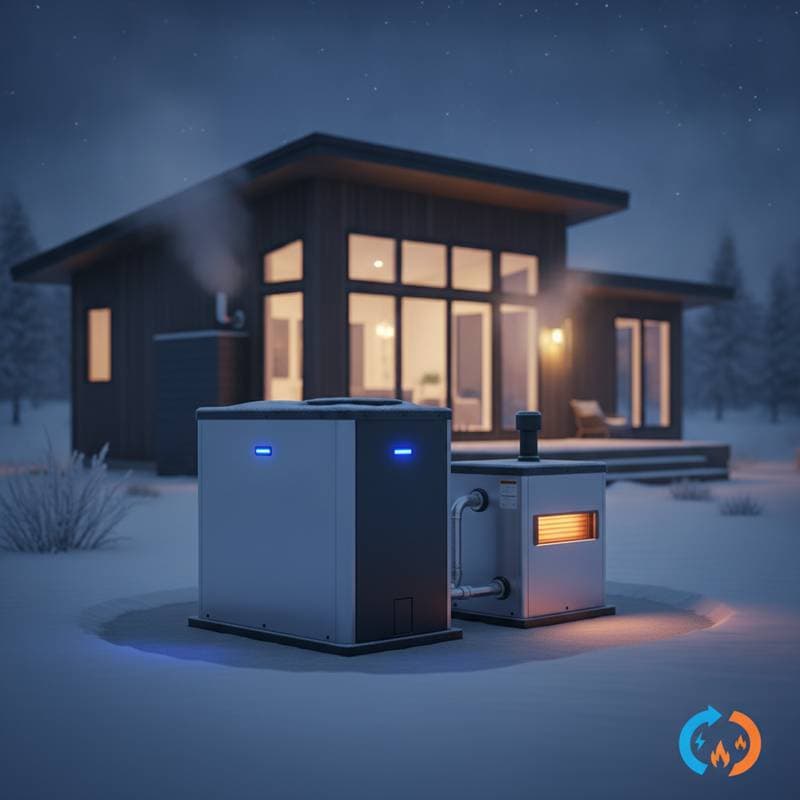
Hydrogen furnaces mark a significant evolution in residential heating technology. These systems utilize hydrogen as fuel, combusting it to generate heat without producing carbon dioxide. Instead, the process releases solely water vapor, aligning with global efforts to reduce greenhouse gases.
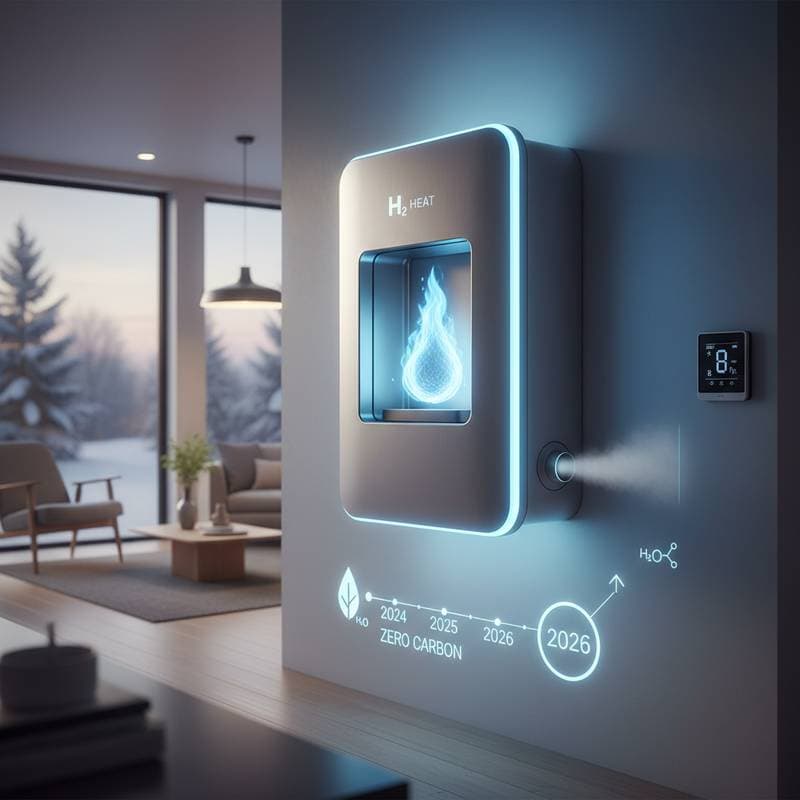
By 2026, experts anticipate widespread availability of these furnaces for homeowners seeking carbon-neutral alternatives to conventional gas systems. This timeline stems from ongoing advancements in hydrogen production and infrastructure. Adoption could transform how households achieve warmth while contributing to environmental goals.
How Hydrogen Furnaces Operate
At their core, hydrogen furnaces function similarly to natural gas models but with a cleaner fuel source. Hydrogen enters the combustion chamber, where it ignites to produce heat that warms air circulated through ductwork. Advanced sensors monitor flame stability and exhaust composition to ensure optimal performance.
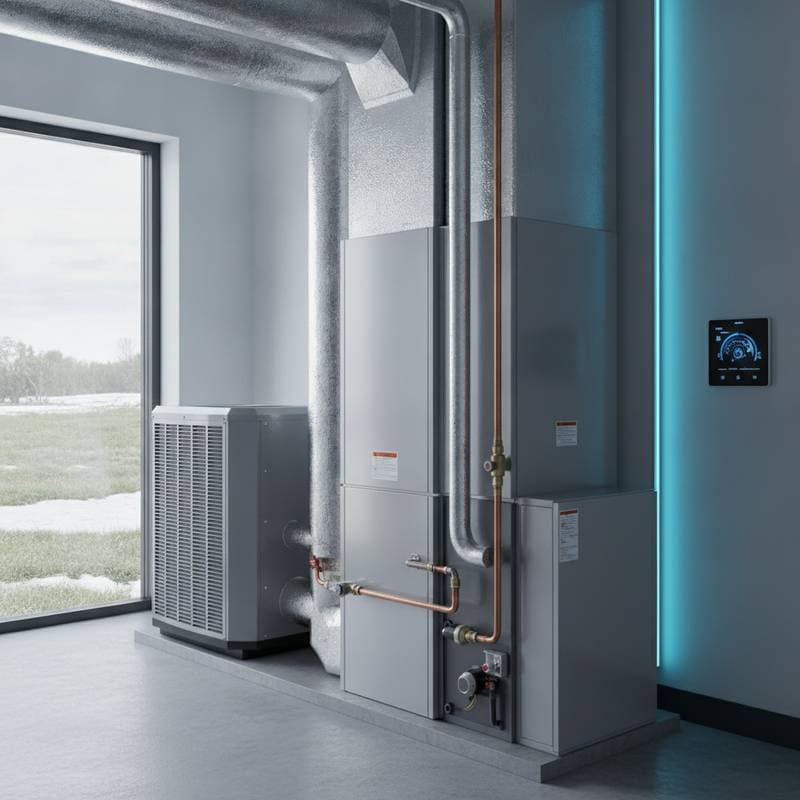
Key components include specialized burners designed for hydrogen's unique properties, such as its high flame speed. Exhaust systems vent water vapor harmlessly outdoors. Integration with smart home controls allows precise temperature regulation, enhancing user convenience.
Benefits of Hydrogen Heating
The primary advantage lies in emissions reduction. Unlike fossil fuel furnaces, hydrogen models eliminate carbon output, supporting net-zero objectives. This shift benefits the environment and may lower regulatory pressures on energy use.
Homeowners gain reliable heating unaffected by fluctuating natural gas prices. Hydrogen's energy density ensures robust output, even in demanding conditions. Long-term, these systems promote energy independence as renewable hydrogen sources expand.
Cost Considerations for Hydrogen Furnaces
Pricing for hydrogen furnaces varies based on several factors. Initial investments reflect the novelty of the technology, but incentives can offset expenses.
-
Equipment Cost: Base models start around $5,000, comparable to high-end gas units. Premium versions with integrated smart features may exceed $10,000.
-
Installation Expenses: Professional setup, including modifications to venting and controls, typically adds $2,000 to $4,000. Costs rise in regions without established hydrogen supply lines.
-
Fuel Supply Setup: Connecting to a hydrogen pipeline or on-site storage incurs additional fees, estimated at $1,000 to $3,000 depending on infrastructure needs.
-
Efficiency Rating: High-efficiency models with advanced controls may carry a higher upfront cost but can reduce long-term fuel expenses through optimized operation.
-
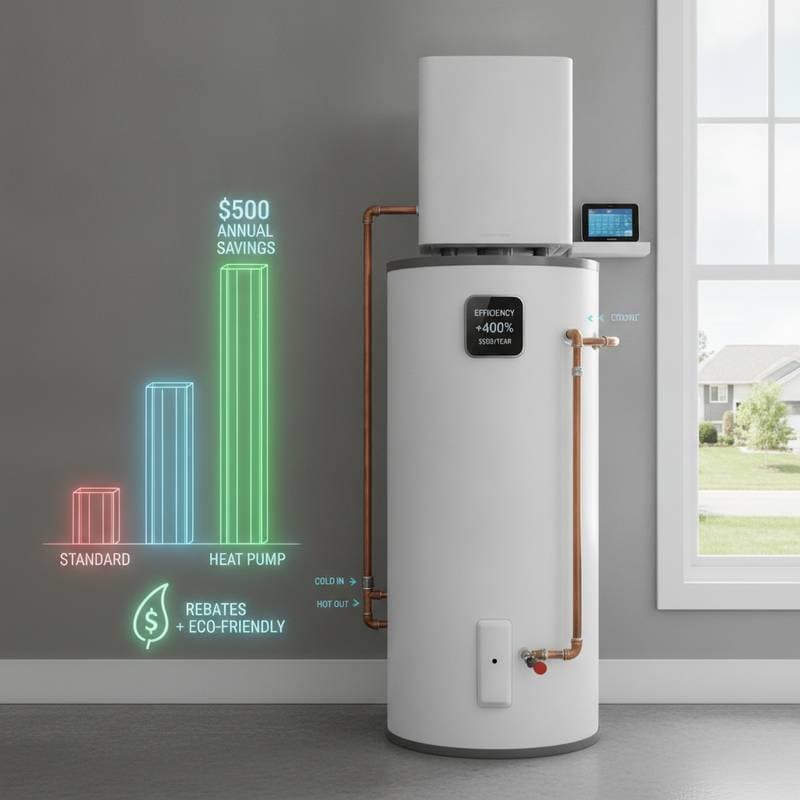
Government Incentives: As clean energy programs expand, homeowners may qualify for rebates or credits for adopting hydrogen heating systems. Federal tax credits could cover up to 30 percent of costs.
While exact prices depend on location and contractor, early estimates suggest a complete hydrogen furnace system could range from $8,000 to $20,000. As technology scales and production increases, prices are expected to become more competitive, potentially matching traditional systems within a decade.
Hydrogen Furnaces vs. Traditional Systems
Fuel Source and Emissions
Natural gas and propane furnaces emit carbon dioxide during operation, contributing to climate change. Hydrogen furnaces emit only water vapor. This fundamental difference positions hydrogen heating as one of the most effective solutions for achieving carbon-free comfort.
Efficiency and Performance
Hydrogen furnaces achieve efficiency levels comparable to modern gas models, often reaching 95 percent or higher. Cleaner combustion minimizes energy loss, and innovative burner designs enhance heat transfer. Performance remains consistent across varying loads.
Safety and Maintenance
Hydrogen, being lighter than air, disperses rapidly in case of a leak, reducing explosion risks compared to natural gas. Systems incorporate flame sensors, leak detectors, and automatic shutoff valves. Maintenance involves annual inspections by certified technicians to verify seals and burners.
Long-Term Costs
Upfront expenses for hydrogen systems exceed those of gas furnaces, but operational savings emerge over time. Renewable hydrogen production could stabilize or lower fuel prices. Durability features extend lifespan, reducing replacement frequency.
Converting Existing Furnaces to Hydrogen
Manufacturers are developing retrofit kits to adapt current gas furnaces for hydrogen blends, such as 20 percent hydrogen mixed with 80 percent natural gas. This approach enables gradual transition, minimizing disruption and cost.
Full conversion to pure hydrogen demands upgraded burners, valves, and controls. Consult a qualified HVAC professional for assessment. They evaluate compatibility, recommend modifications, and ensure compliance with safety standards.
Hydrogen Heating Compared to Electric Heat Pumps
Hydrogen furnaces offer one avenue to decarbonized heating; electric heat pumps provide another. Selection hinges on climate, home layout, and energy availability.
-
Hydrogen Furnaces: Deliver powerful, steady heat ideal for cold regions. They leverage existing ducts and perform reliably in sub-zero temperatures.
-
Heat Pumps: Transfer ambient heat using electricity, boasting coefficients of performance above 300 percent in mild weather. Supplemental heating may be necessary in extreme cold.
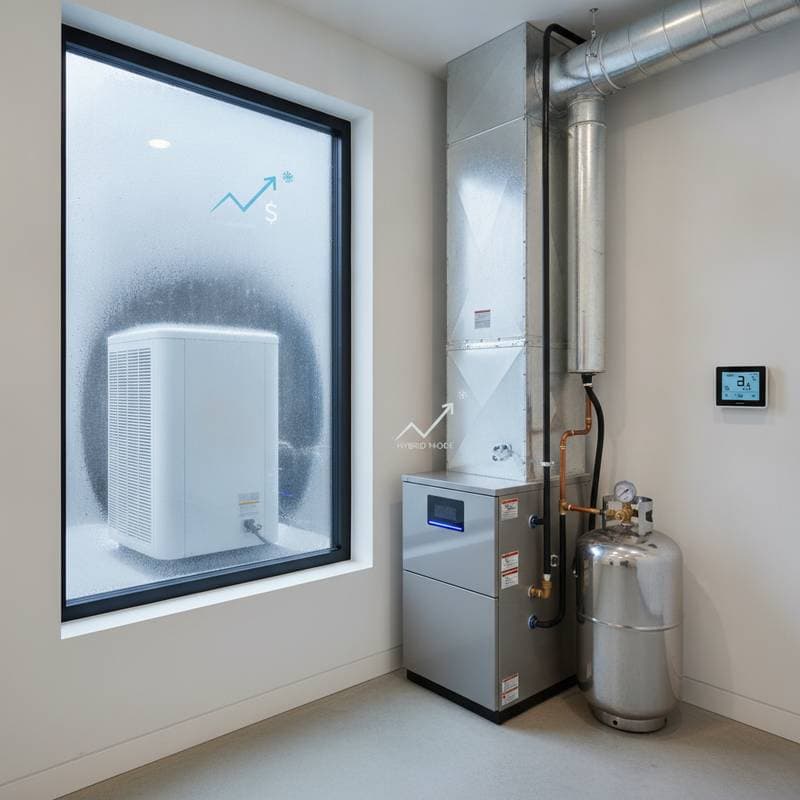
Hybrid setups combining both technologies could optimize efficiency. For instance, heat pumps handle moderate days, while hydrogen backups ensure winter reliability.
The Installation Process for Hydrogen Furnaces
Installation mirrors standard HVAC procedures but incorporates hydrogen-specific protocols. Certified professionals manage each phase to uphold safety and efficiency.
-
Home Assessment: Technicians inspect existing infrastructure, including ducts, electrical capacity, and potential hydrogen delivery points.
-
System Design: Selection of furnace capacity occurs based on home size, insulation, and heating demands. Custom configurations address unique layouts.
-
Fuel Connection: Secure linkage to hydrogen supply lines or tanks follows, with pressure tests and leak verification.
-
Core Installation: Placement of the furnace, wiring of controls, and integration with ventilation systems proceed under code guidelines.
-
Testing and Calibration: Final checks confirm ignition, airflow, and emissions. Adjustments fine-tune performance for peak efficiency.
-
Ongoing Maintenance: Scheduled servicing includes filter changes, burner cleaning, and sensor calibration to sustain reliability.
Professional oversight guarantees seamless integration and longevity. Hydrogen's elevated combustion temperatures necessitate adherence to specialized standards.
Frequently Asked Questions
Are Hydrogen Furnaces Safe for Residential Use?
Yes, when installed and maintained by qualified experts. Built-in safeguards like rapid-dispersal properties and automated detection systems mitigate risks effectively.
Is It Possible to Purchase a Hydrogen Furnace Now?
Commercial options remain limited as development progresses. Major producers plan residential launches by 2026, with pilot programs available in select areas.
How Do Hydrogen Furnaces Stack Up Against Solar Heating?
Hydrogen provides on-demand combustion-based heat, independent of sunlight. Solar captures passive energy, suiting sunny locales. Combining them yields comprehensive renewable coverage.
What Are the Operating Costs for Hydrogen Heating?
Costs tie to regional hydrogen pricing and system efficiency. Scaling green production should drive prices down, potentially undercutting fossil fuels long-term.
Do Current Gas Pipelines Support Hydrogen?
Blends work in many lines with minimal adjustments. Pure hydrogen transport demands material reinforcements. Utilities conduct trials to expand compatibility.
Steps to Prepare Your Home for Hydrogen Heating
Transitioning to hydrogen furnaces involves proactive planning. Start by auditing your current setup with an HVAC specialist. Explore local incentives through energy departments.
Monitor advancements from manufacturers like those partnering with renewable suppliers. Budget for installation during system upgrades. This preparation positions your home for cleaner, more efficient heating by 2026, enhancing comfort and sustainability.