Hybrid Heat Pumps Rule Cold Climates by 2026
Homeowners in colder regions face the challenge of maintaining warmth without excessive energy expenses. Traditional furnaces provide reliable heat but often lead to high operating costs. Standard heat pumps perform well in mild conditions yet falter in extreme cold. Hybrid heat pump systems address these issues by integrating electric efficiency with gas reliability, positioning them as the leading choice for winter heating by 2026.
These systems deliver consistent comfort, reduce bills, and minimize environmental impact through intelligent fuel switching. The following sections explore the mechanics, advantages, and practical considerations of hybrid heat pumps.
What Is a Hybrid Heat Pump System?
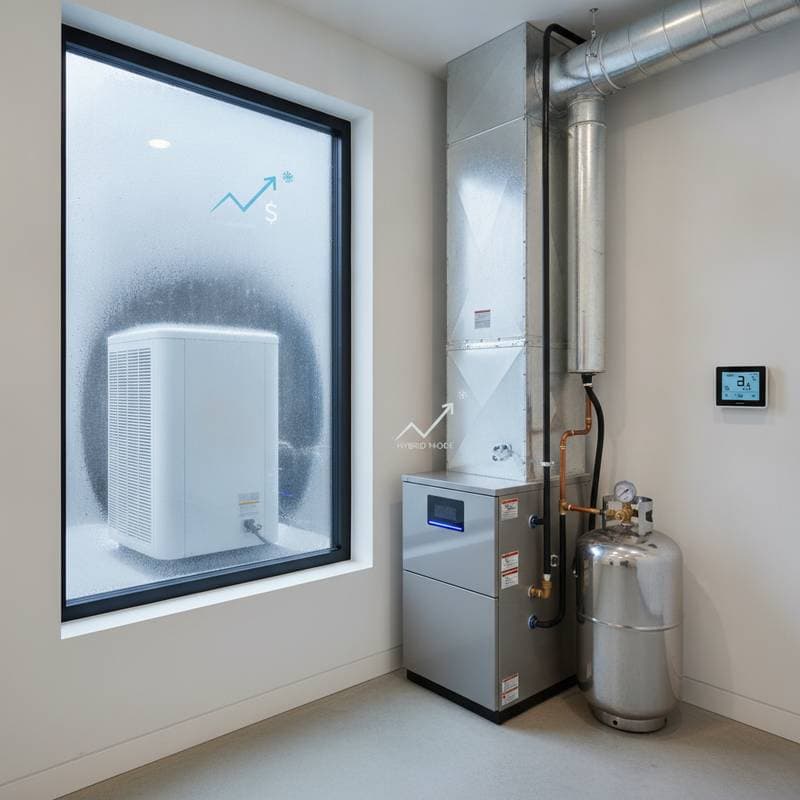
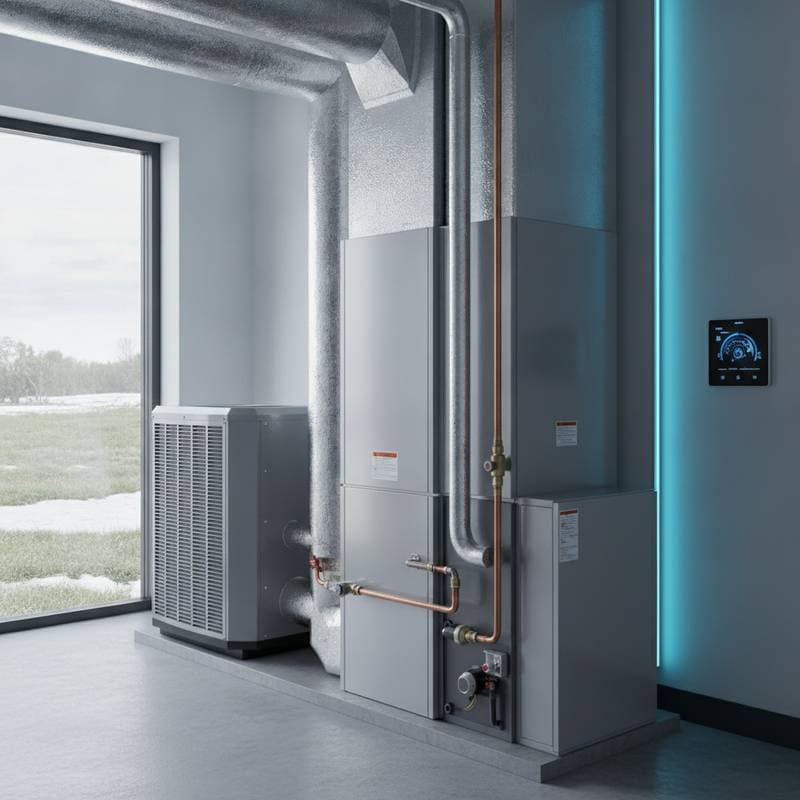
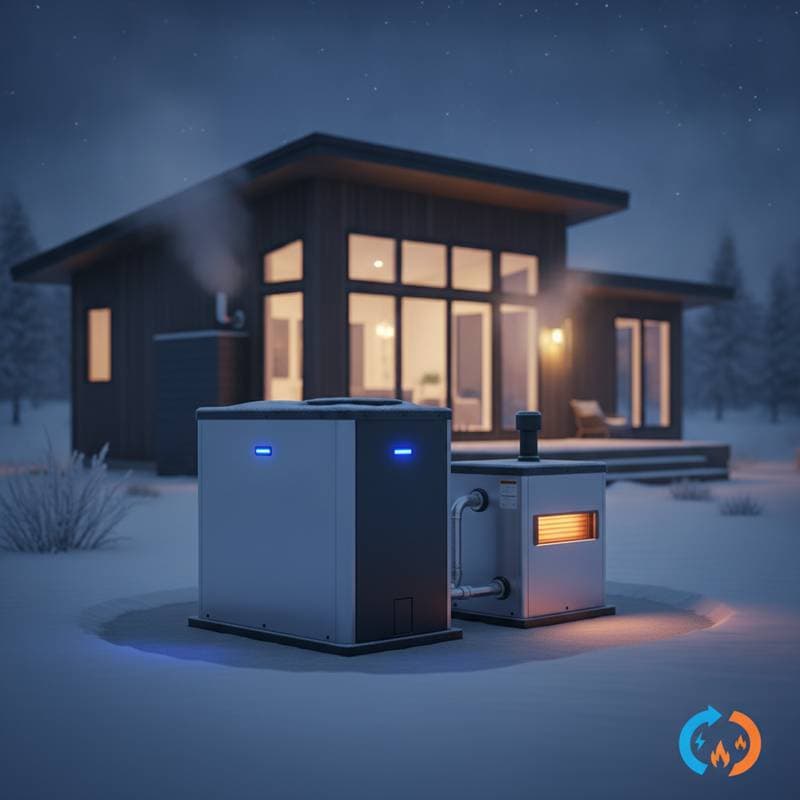
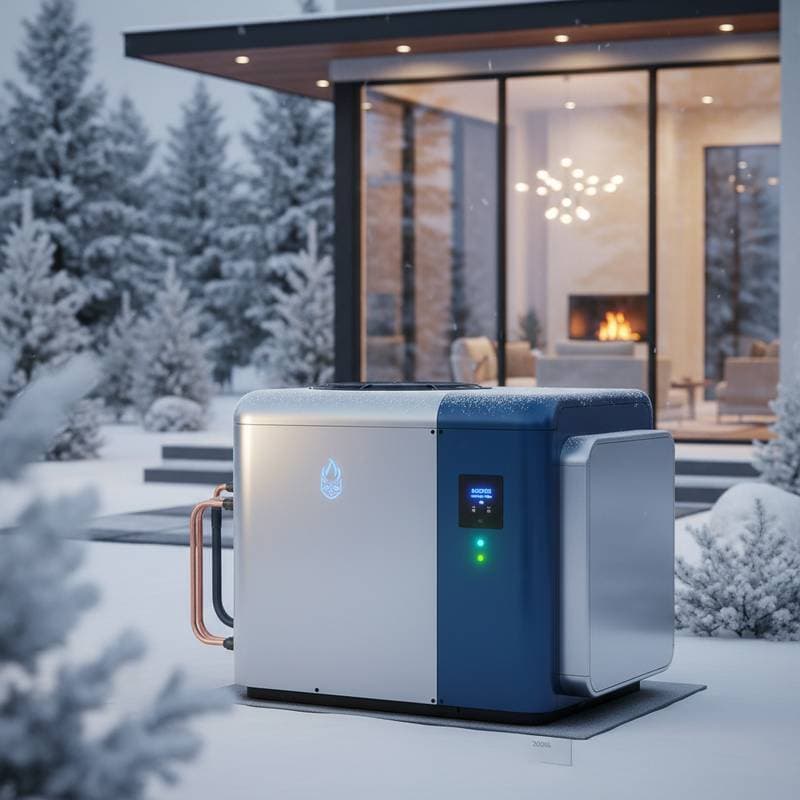
A hybrid heat pump system integrates an electric heat pump with a gas or propane furnace. The electric component serves as the primary heat source, extracting warmth from outdoor air during moderate temperatures. When conditions turn frigid, the system shifts to the furnace for robust performance.
This dual-fuel design employs sensors to monitor outdoor temperatures and automate transitions. Such automation ensures optimal efficiency without user intervention. Homeowners benefit from the heat pump's low-cost operation in fall and spring, supplemented by the furnace's power during peak winter demands.
Why Hybrid Systems Excel in Cold Climates
Standard heat pumps extract less thermal energy from frigid air, prompting reliance on costly supplemental heating. Hybrid systems mitigate this by reserving the furnace for severe cold, preserving the heat pump's efficiency in milder weather.
Key advantages include:
- Consistent comfort through automatic source selection based on real-time conditions.
- Reduced operating costs by leveraging cheaper electricity when viable and efficient gas heating when required.
- Enhanced energy efficiency that lowers fossil fuel consumption and carbon emissions.
- Extended equipment longevity, as each component operates within its ideal range, reducing wear.
In regions with harsh winters, these features translate to reliable performance and substantial savings over traditional setups.
Key Factors Affecting Hybrid Heat Pump System Costs
Installation expenses for hybrid systems typically range from $8,000 to $15,000, influenced by multiple variables. Understanding these elements aids in budgeting and selecting appropriate options.
-
System size and capacity: Professionals conduct a Manual J load calculation to determine requirements based on home square footage, insulation, and climate. Larger systems demand more powerful units and higher costs.
-
Equipment efficiency ratings: Prioritize models with SEER2 ratings above 16 for cooling and HSPF2 above 8.5 for heating. Higher-rated units increase initial investment but yield greater long-term savings through reduced energy use.
-
Fuel type: Natural gas connections often prove more economical than propane, affecting both setup fees and ongoing expenses. Availability in your area dictates the choice.
-
Ductwork condition: Leaky or undersized ducts necessitate upgrades, adding $2,000 to $5,000 to the project. Sealed systems enhance overall efficiency.
-
Installation complexity: Integrating with existing infrastructure may require electrical panel expansions or gas line adjustments, elevating labor charges.
Consulting a local HVAC expert provides precise estimates tailored to your home.
The Hybrid Heat Pump Installation Process
Professional installation ensures seamless integration and peak performance. The process unfolds in deliberate stages to align with your home's needs.
-
Home evaluation: Technicians assess insulation, windows, and layout to calculate precise heating loads. This step prevents oversizing or undersizing, which impacts efficiency.
-
System selection: Options are reviewed based on fuel access, budget, and desired features like variable-speed compressors for quieter operation.
-
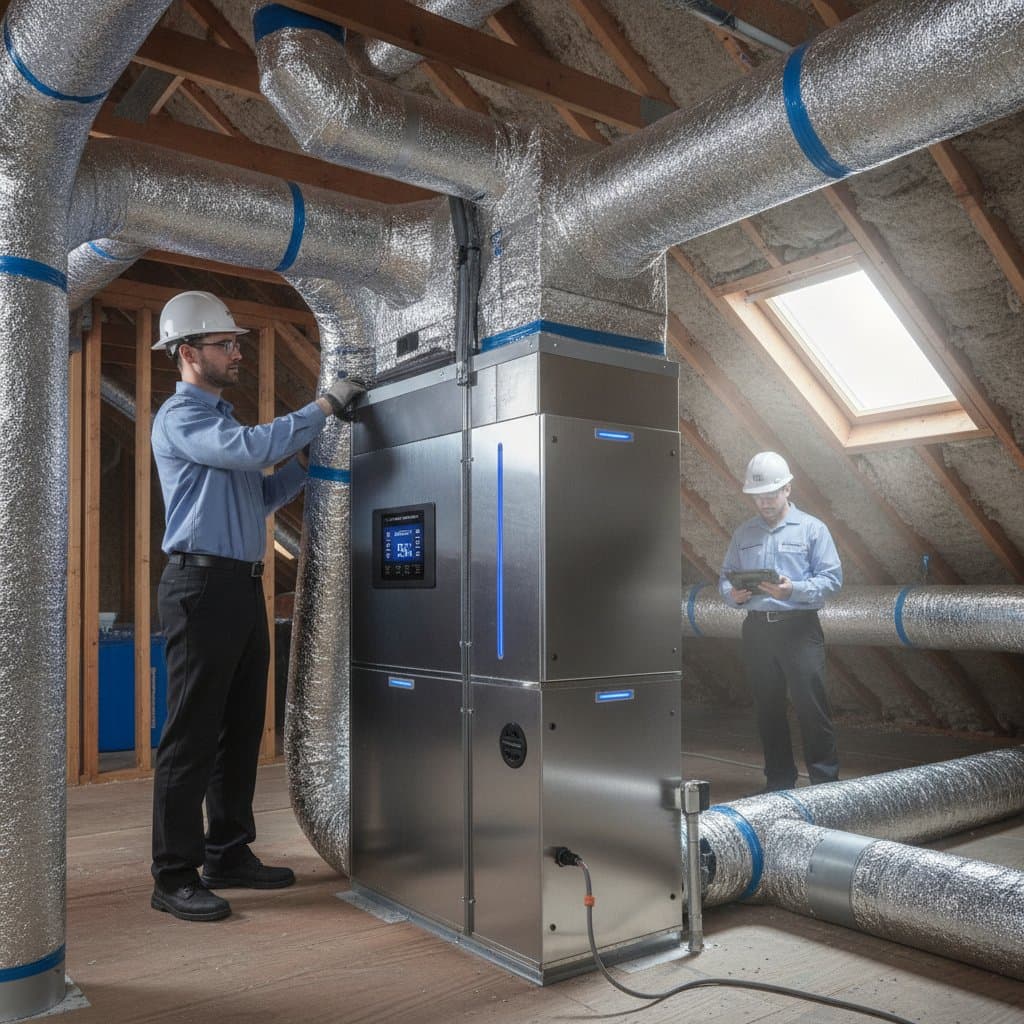
Equipment installation: The heat pump unit mounts outdoors, while the furnace integrates indoors, both connected to ductwork. Piping and wiring follow code-compliant standards.
-
Control setup: A programmable thermostat or hybrid controller is configured to set switchover thresholds, often around 30 degrees Fahrenheit, adjustable for local conditions.
-
Testing and calibration: Final checks verify airflow, refrigerant levels, and switching mechanisms. Air quality tests confirm safe operation.
Post-installation, expect a one-year warranty on labor alongside manufacturer coverage.
DIY Maintenance vs. Hiring a Professional
Routine upkeep sustains system efficiency and prevents premature failures. Balance self-managed tasks with expert interventions for safety and reliability.
Tasks for Homeowners
- Inspect and replace air filters monthly during heating season to maintain airflow and indoor air quality.
- Clear snow, ice, and debris from the outdoor unit weekly in winter to avoid efficiency losses.
- Ensure indoor vents remain unobstructed and dust-free for even heat distribution.
These actions, performed consistently, can extend intervals between professional services.
Professional Responsibilities
- Annual inspections of refrigerant charges, electrical components, and gas connections to detect leaks or wear.
- Cleaning evaporator and condenser coils to preserve heat transfer rates.
- Diagnostic tune-ups that calibrate sensors and test safety features like carbon monoxide detectors.
Certified technicians adhere to manufacturer guidelines, safeguarding warranties and compliance with local regulations.
Frequently Asked Questions
How does a hybrid heat pump determine when to switch fuels?
Integrated sensors track outdoor temperatures and heat pump performance metrics. Switchover occurs when efficiency drops below a preset threshold, typically ensuring the furnace activates only during extreme cold.
Do hybrid heat pumps reduce energy bills?
Most installations yield 20 to 40 percent savings compared to single-fuel systems. The heat pump handles 70 to 80 percent of heating needs in moderate climates, minimizing gas use while capitalizing on electricity rates.
Maximizing Benefits from Your Hybrid System
To optimize a hybrid heat pump, integrate smart home features like Wi-Fi thermostats for remote monitoring and scheduling. Zone dampers allow targeted heating in occupied areas, further cutting energy waste.
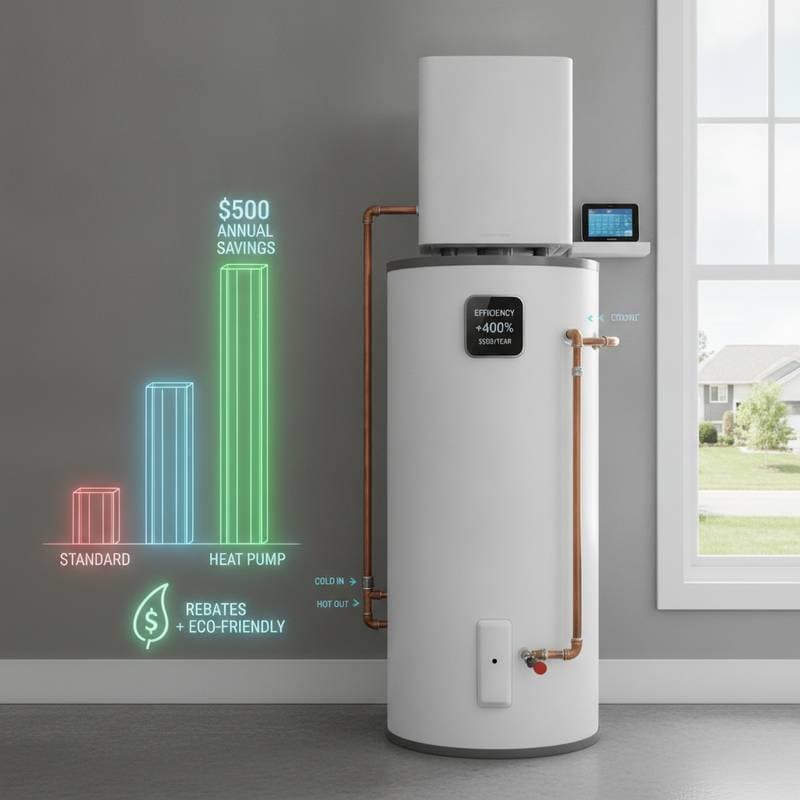
Regular usage analysis via system apps reveals patterns for adjustments, such as raising the switchover point in milder winters. Pairing with home insulation upgrades amplifies returns, potentially qualifying for rebates under energy efficiency programs.
By 2026, widespread adoption will solidify hybrid systems as essential for sustainable, cost-effective heating. Invest now to secure comfort and savings for years ahead.