Hybrid Heating Systems: Slash Winter Bills by 55% in Cold Climates
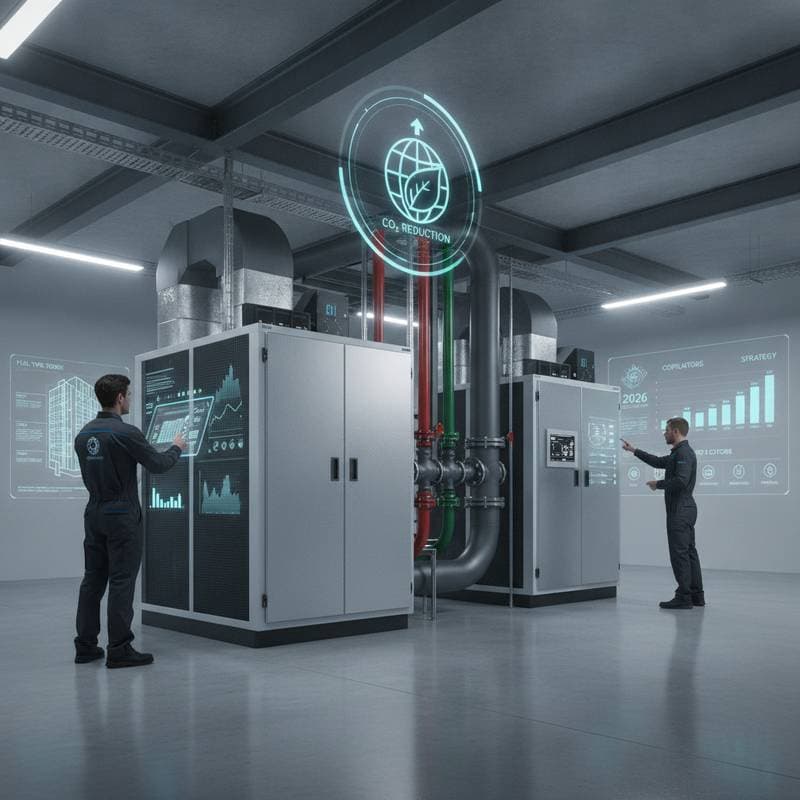
Homeowners in cold climates often face steep winter heating expenses. A hybrid heating system addresses this challenge by integrating an electric heat pump with a gas furnace, achieving cost reductions of up to 55 percent. These systems provide reliable comfort through efficient energy management. This guide details the mechanics of hybrid heating, associated expenses, and reasons it serves as an effective upgrade for homes in harsh winters.
| Item | Average Cost |
|---|---|
| National Average Installation Cost | $8,500 - $14,000 |
| Typical Price Range | $7,000 - $12,500 |
| High-End Systems | $15,000+ |
| Low-End Systems | $6,000 |
| Potential Winter Bill Savings | Up to 55% |
Average Costs for Hybrid Heating Systems
Installation costs for hybrid heating systems vary based on equipment type, home dimensions, and project demands. Homeowners generally invest between $8,500 and $14,000 for a full setup that includes the heat pump and furnace. Variations arise from efficiency levels, manufacturer options, and extras such as smart thermostats or zoning capabilities.
Costs by Component
- Electric heat pump: $4,000 to $8,000 installed
- Gas furnace: $2,500 to $5,000 installed
- Smart thermostat and controls: $300 to $800
- Installation and duct modifications: $1,000 to $2,000
Costs by Home Size
| Home Size | Typical System Size | Estimated Cost |
|---|---|---|
| 1,000 sq. ft. | 2 to 2.5 tons | $6,000 - $8,500 |
| 1,500 sq. ft. | 2.5 to 3 tons | $7,500 - $10,000 |
| 2,000 sq. ft. | 3 to 3.5 tons | $9,000 - $12,000 |
| 2,500+ sq. ft. | 4 tons or larger | $11,000 - $15,000+ |
Although the initial outlay exceeds that of a single-unit system, hybrid setups recover costs rapidly via reduced utility payments and prolonged equipment durability.
Factors Influencing Hybrid Heating Costs
Multiple elements determine the overall expense of a hybrid heating system. Knowledge of these components aids in budgeting and assessing bids from contractors.
Unit Capacity (Tonnage or BTUs)
System capacity aligns with the home's thermal requirements. Larger residences demand greater BTU or tonnage values, elevating equipment and labor expenses. Proper sizing prevents energy loss; thus, a professional heat load analysis proves crucial.
Brand and Build Quality
Leading producers deliver units with superior efficiency, extended warranties, and innovative features. These premium selections involve higher initial costs yet yield dependable operation, reduced upkeep, and enhanced property value.
Energy Efficiency Ratings (SEER2 and AFUE)
- SEER2 evaluates the heat pump's cooling performance.
- AFUE assesses the furnace's fuel-to-heat conversion rate.
Systems boasting SEER2 above 18 and AFUE exceeding 95% carry premium prices but yield substantial ongoing savings on energy expenses.
Installation Demands
Complex projects, including adaptations to aged ducts or integration of advanced controls, inflate labor charges. Residences with restricted mechanical areas or needing electrical enhancements often extend installation duration and costs.
Local Climate and Utility Rates
Areas with elevated electricity costs or severe winters prompt frequent shifts between heat sources. Experts configure hybrid systems to transition at optimal temperature points for maximum economy.
Varieties of Hybrid Heating Systems
Hybrid configurations differ to accommodate diverse home designs and weather patterns. Each option presents distinct benefits tailored to specific needs.
Air-Source Hybrid System
The prevalent choice pairs an air-source heat pump with a gas furnace. The heat pump manages moderate conditions, while the furnace activates during subfreezing temperatures.
Advantages:
- Reduced setup expenses
- Compatibility with current ducts
- Strong savings in temperate zones
Disadvantages:
- Declining performance in severe cold
- Need for dual-unit servicing
Geothermal Hybrid System
This variant links a ground-source heat pump to a supplementary gas furnace. It extracts stable earth-based heat, ensuring consistent output regardless of outdoor extremes.
Advantages:
- Superior efficiency and even heating
- Extended operational longevity
- Reliable function across climates
Disadvantages:
- Elevated initial investment
- Necessity for ground loop installation space
Ductless Mini-Split Hybrid System
Ductless models feature separate indoor handlers connected to an external heat pump and backup gas or electric elements.
Advantages:
- Suited for duct-free homes
- Enables precise zone regulation
- Simplified retrofits for expansions
Disadvantages:
- Cumulative costs from multiple handlers
- Prominent indoor unit placement
Indicators for Upgrading to Hybrid Heating
Current heating systems that falter in performance or escalate expenses signal the value of a hybrid upgrade. Consider these common issues:
- Equipment exceeds 10 years in age
- Noticeable increases in heating invoices
- Inconsistent temperatures across rooms
- Continuous furnace operation in winter
- Dependence on supplemental heaters
- Recurring malfunctions or repairs
- Desire to lessen environmental impact
Hybrid technology adapts seamlessly to weather variations, minimizing waste and elevating overall indoor quality.
Steps in Hybrid Heating Installation
Familiarity with the installation sequence prepares homeowners for the undertaking and minimizes disruptions. Certified HVAC professionals adhere to this structured approach:
-
Home Evaluation
Technicians measure square footage, insulation quality, duct conditions, and usage patterns to specify ideal capacity. -
Equipment Choice
Select heat pump and furnace pairings aligned with efficiency targets, financial limits, and preferred brands. -
Site Preparation and Removal
Disconnect and extract existing units securely, while verifying electrical and gas infrastructure integrity. -
New Unit Placement
Position the furnace, heat pump, and controls, linking them to ducts. Modify or seal passages as required for optimal flow. -
Control Configuration
Program the thermostat for seamless source switching based on external conditions or rate structures. -
Performance Verification
Conduct tests on ventilation, control signals, and safeguards to confirm operational excellence. -
User Guidance
Provide instruction on system management, customization, and maintenance scheduling.
Projects span one to three days, influenced by property configuration and necessary modifications.
Labor Expenses for Hybrid Heating
Labor constitutes 20 to 35 percent of total project costs. Expect $2,000 to $4,500 for hybrid installations, covering assembly, utility connections, duct adjustments, and final checks.
Influences on Labor Expenses
- Project Intricacy: Geothermal or zoned setups demand additional effort.
- Site Access: Confined areas like basements or lofts prolong work time.
- Local Market Rates: Variations stem from regional labor availability and economic factors.
- Regulatory Requirements: Permit and inspection charges contribute to the overall sum.
Engaging certified specialists guarantees code adherence, warranty validity, and sustained system effectiveness.
Common Questions on Hybrid Heating Systems
What Defines a Hybrid Heating System?
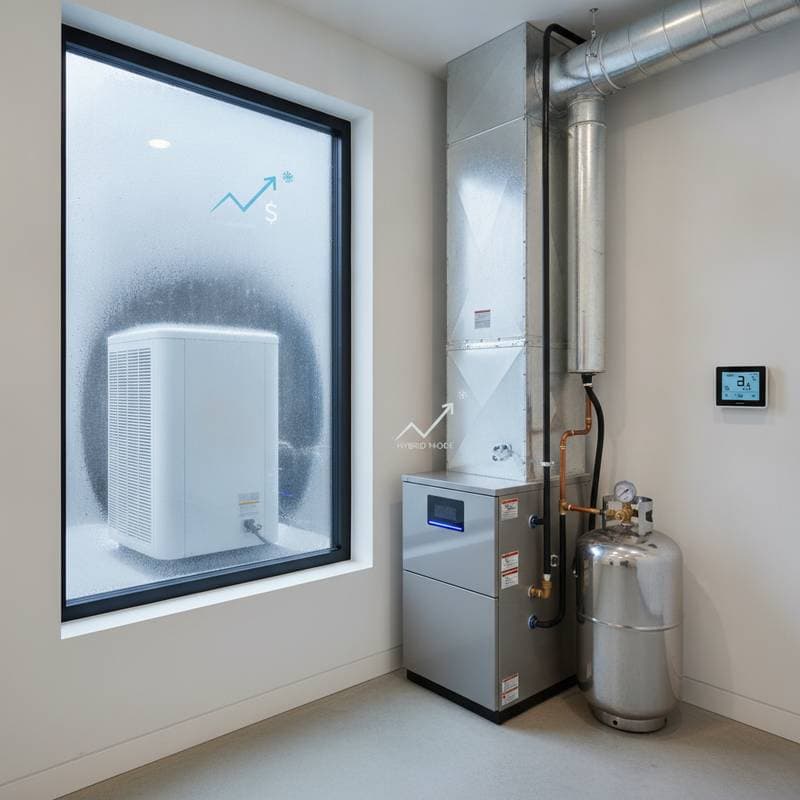
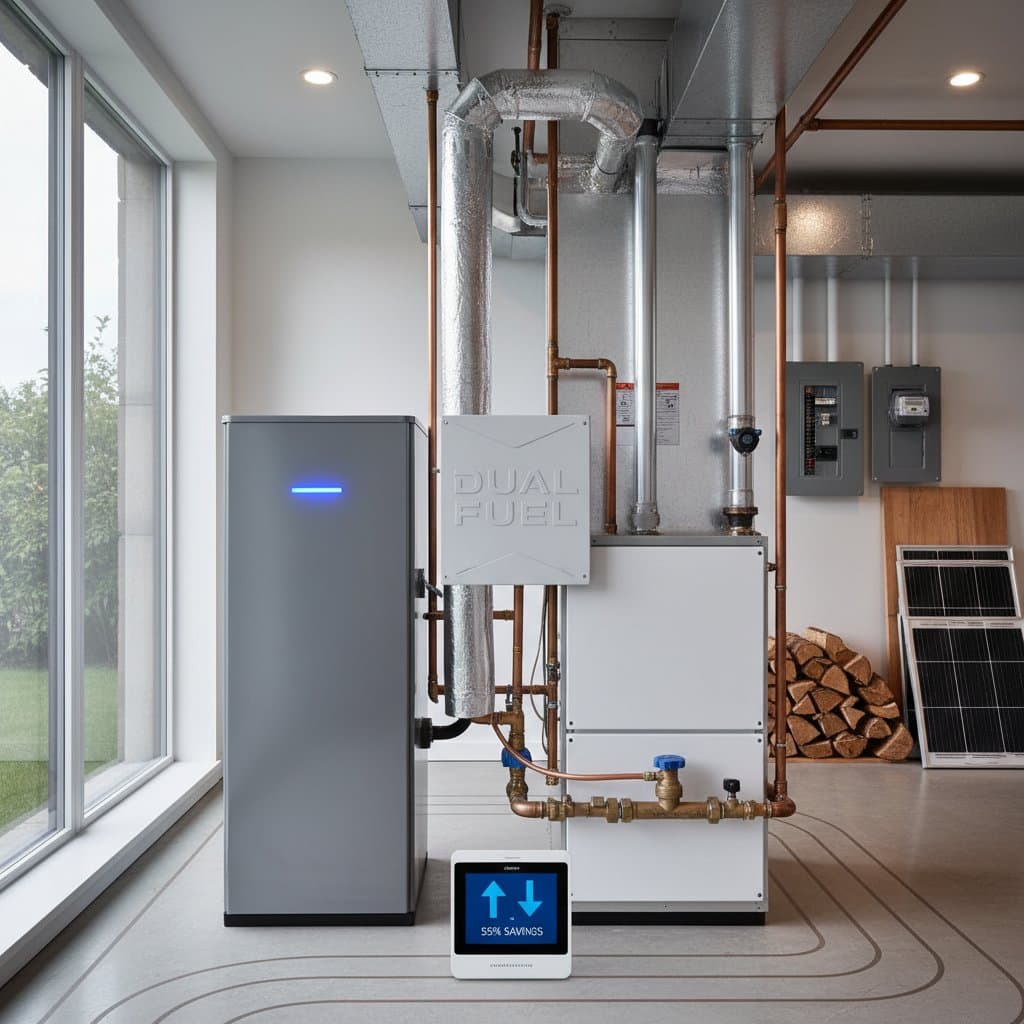
A hybrid system merges an electric heat pump with a gas furnace. The heat pump operates in milder conditions, with the furnace engaging during colder spells when electric efficiency wanes. This dual operation maintains warmth while optimizing expenses.
What Savings Can Homeowners Expect?
In frigid regions, reductions range from 30 to 55 percent on heating costs, contingent on local rates and unit performance. Benefits peak where electricity suits transitional seasons and gas excels in peak cold.
How Does Source Switching Occur?
Integrated thermostats or controllers track ambient temperatures. Automatic transitions happen when gas heating proves more economical than electric. Manual adjustments allow customization for personal priorities.
What Is the Expected Lifespan?
Routine care extends hybrid systems to 15 to 20 years. Heat pumps might require earlier renewal than furnaces, though annual inspections support enduring reliability.
Is Integration with Existing Furnaces Possible?
Often, compatibility exists if the current furnace remains functional. Adding a heat pump and controls suffices in suitable cases; experts evaluate and propose optimal adaptations.
Do Hybrid Systems Benefit the Environment?
Indeed, they curtail fossil fuel reliance by prioritizing electricity for primary heating. Paired with green sources like solar, these setups markedly decrease household emissions.
What Maintenance Do They Require?
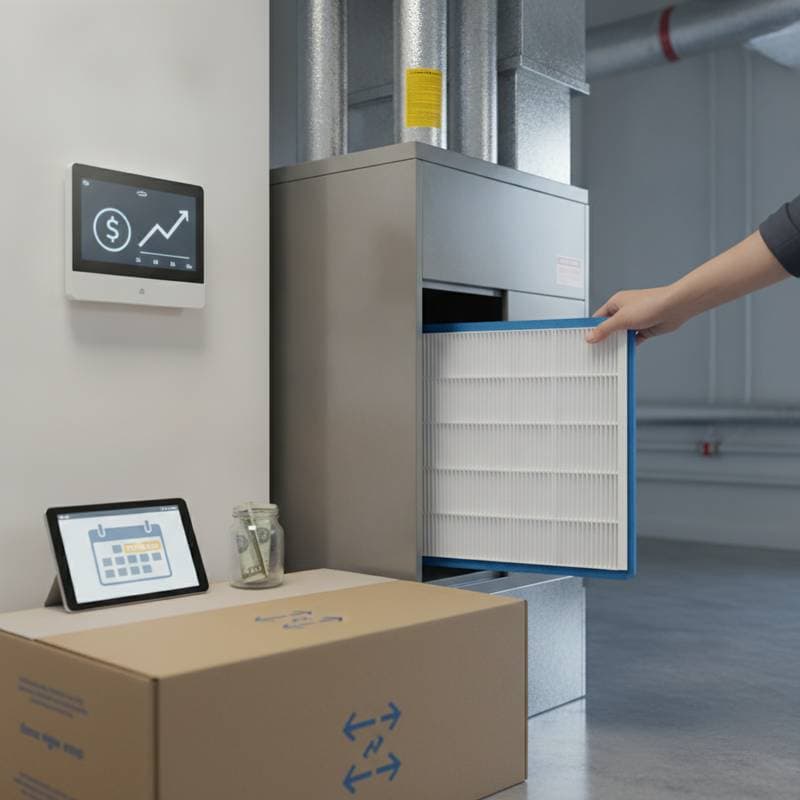
Upkeep mirrors conventional HVAC protocols. Arrange biannual professional inspections, replace filters routinely, and clear external components. Such practices sustain efficiency and longevity.
Steps to Secure Lower Winter Heating Costs
Transitioning to a hybrid heating system paves the way for dependable savings, steady temperatures, and reduced ecological strain. If existing equipment underperforms, a dual-source solution delivers tangible advantages year-round.
Solicit estimates from qualified HVAC experts focused on hybrids. Request heat load assessments, performance benchmarks, and comprehensive breakdowns. Multiple proposals facilitate competitive pricing and tailored expertise for your residence.
Implementing an appropriate hybrid system ensures sustained warmth throughout winter, alongside energy reductions surpassing half the previous total.