
Why Your Furnace Stops Working on the Coldest Nights
When your furnace suddenly ceases to produce heat during a frigid winter evening, the situation proves both frustrating and perplexing. A faulty flame sensor often underlies this problem, serving as a vital safety component in your heating system. When the sensor malfunctions, the furnace may cycle on and off repeatedly or fail to ignite altogether. This guide explains why flame sensors fail predominantly in winter, identifies key symptoms, and provides practical steps to maintain warmth and safety in your home.
Understanding the Furnace Flame Sensor
The flame sensor consists of a slender metal rod positioned within the burner assembly of your furnace. Its primary function involves verifying the presence of a flame once the gas valve activates. Should the sensor detect no flame, it instructs the furnace control board to close the gas valve, thereby averting hazardous gas accumulation indoors. This mechanism stands as an essential safeguard, permitting operation only upon confirmed ignition.
Gradually, the sensor's surface accumulates grime or corrosion. Such buildup impairs its capacity to sense the flame accurately, prompting unwarranted shutdowns. Failures manifest most acutely during winter, when demand on the system intensifies.
Reasons Flame Sensors Fail Predominantly in Winter
Flame sensor issues surge in winter due to heightened operational stresses. The following factors contribute significantly:
-
Prolonged and Frequent Operation
In colder months, the furnace activates more regularly and sustains longer run times. This exposure to intense heat and combustion residues hastens the deposition of soot, carbon, and oxidative layers on the sensor. -
Moisture Infiltration from Temperature Swings
Fluctuating outdoor temperatures can introduce condensation into the furnace enclosure. Resulting rust or corrosion diminishes the sensor's sensitivity, hindering precise flame detection. -
Accumulation of Dust and Particles from Ductwork
Sealed homes during winter promote greater indoor dust levels. Clogged air filters allow these particles to infiltrate the burner area, forming a coating that disrupts sensor performance. -
Overlooked Routine Servicing
Homeowners frequently defer yearly furnace checkups. Absent professional intervention, minor contaminants on the sensor escalate into full failures precisely when heating needs peak.
Recognizing Symptoms of a Malfunctioning Flame Sensor
A compromised flame sensor exhibits distinct indicators. Remain vigilant for these signs:
- The furnace initiates but halts after mere seconds.
- Burners light momentarily before extinguishing.
- The system operates in brief intervals, yielding inconsistent warmth.
- Diagnostic lights or error codes signal flame detection errors.
- The blower motor engages, yet no heated air emerges.
These manifestations typically stem from straightforward causes. Cleaning or replacement by a skilled technician often resolves the matter efficiently.
Safe Procedures for Cleaning a Furnace Flame Sensor
Professionals handle flame sensor maintenance with precision and caution. The process unfolds as follows:
-
Disconnect Power and Fuel Sources
Technicians first isolate electrical power and secure the gas supply, eliminating risks of shock or ignition. -
Locate the Component
Positioned adjacent to the burners, the sensor appears as a narrow rod linked by a solitary wire. -
Extract and Evaluate
Gently detach the sensor for a thorough assessment of soiling, pitting, or structural flaws. -
Perform Targeted Cleaning
Employ a fine-grit sandpaper or specialized cloth to polish away residues. Technicians exercise care to preserve the rod's integrity, avoiding bends or deep scratches. -
Reassemble and Verify Functionality
Secure the cleaned sensor back in place, then power up the system to test flame recognition and overall operation.
Severe deterioration warrants immediate substitution with a compatible model-specific part. Experts ensure seamless integration and system calibration.
Weighing DIY Efforts Against Professional Service
Basic upkeep falls within reach for many, yet flame sensor work intersects with hazardous elements like gas lines and wiring. Prioritize safety above convenience.
Tasks Suitable for Homeowners:
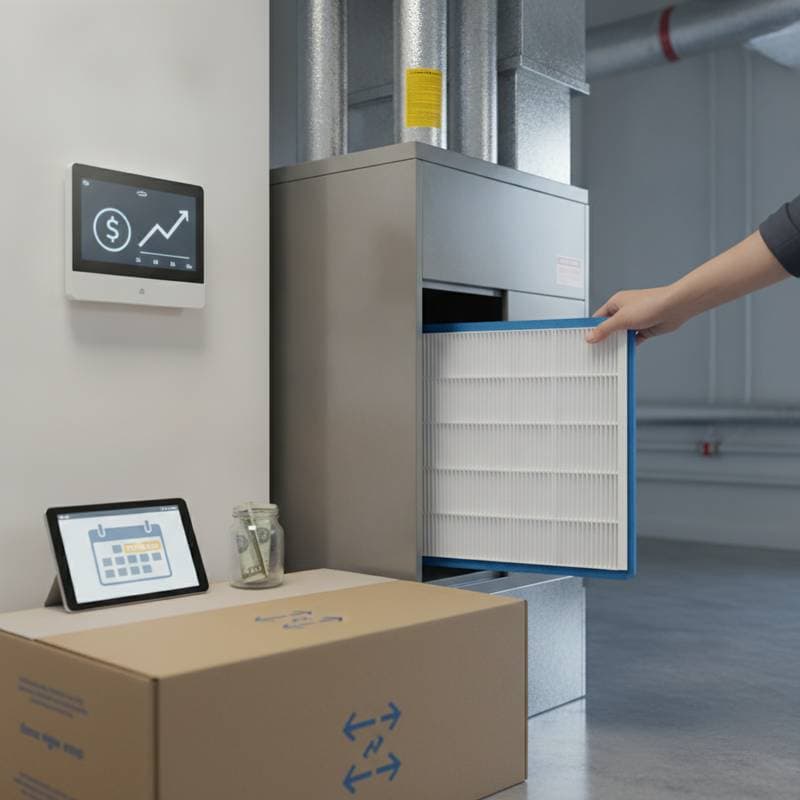
- Swap air filters monthly or quarterly, depending on usage.
- Vacuum the furnace vicinity to prevent debris ingress.
- Book pre-winter tune-ups to preempt issues.
Duties Reserved for Certified Technicians:
- Disassembling or sanitizing the flame sensor.
- Probing electrical integrity and gas pressure.
- Interpreting diagnostic codes related to flame faults.
- Installing replacements or addressing ancillary components such as igniters.
Engaging a licensed HVAC specialist guarantees compliance with codes and uncovers related concerns, like burner misalignment or control module glitches.
Strategies to Avert Recurring Flame Sensor Issues
Proactive measures fortify your furnace against sensor vulnerabilities. Implement these practices:
- Arrange annual inspections by qualified service providers.
- Refresh filters every 1 to 3 months to curb particle flow.
- Ensure registers and intakes remain unobstructed by furnishings or accumulations.
- Maintain a moisture-free zone surrounding the unit to inhibit rust formation.
- Promptly remedy any plumbing leaks or humidity sources nearby.
Such diligence not only safeguards the sensor but enhances overall efficiency, curbing energy costs and extending equipment longevity.
Frequently Asked Questions
Why Does the Furnace Shut Down Shortly After Starting?
This behavior often indicates the flame sensor's inability to confirm ignition. Dirt or defects may be at fault, though technicians rule out alternatives like insufficient gas supply or igniter weakness before proceeding with remediation.
Is Cleaning the Flame Sensor a Feasible DIY Project?
While accessible in theory, the procedure demands handling energized systems, posing risks without expertise. Delegate to HVAC professionals to avoid perils and ensure thorough results.
What Is the Typical Lifespan of a Furnace Flame Sensor?
With consistent upkeep, sensors endure 5 to 10 years or longer. Routine cleaning mitigates corrosive and particulate threats, delaying the need for renewal.
Ensuring Uninterrupted Heating Through Proactive Care
Reliable winter comfort hinges on foresight. By addressing flame sensor vulnerabilities early, you sidestep emergencies and sustain a cozy, secure environment. Consult local experts for tailored assessments, transforming potential breakdowns into seamless performance.