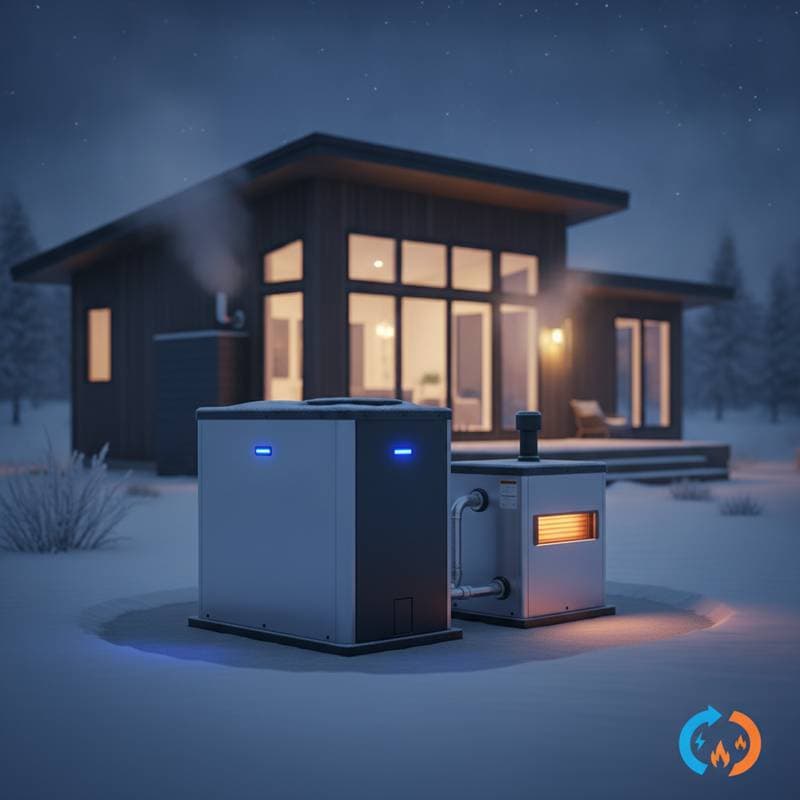

Propane Heat Pumps Work When Electric Systems Fail
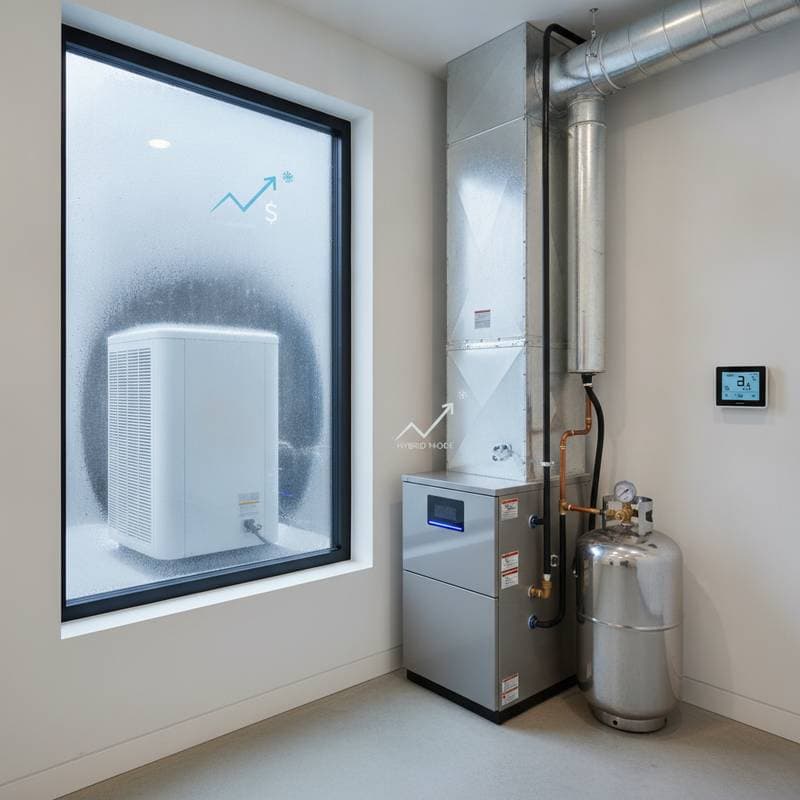
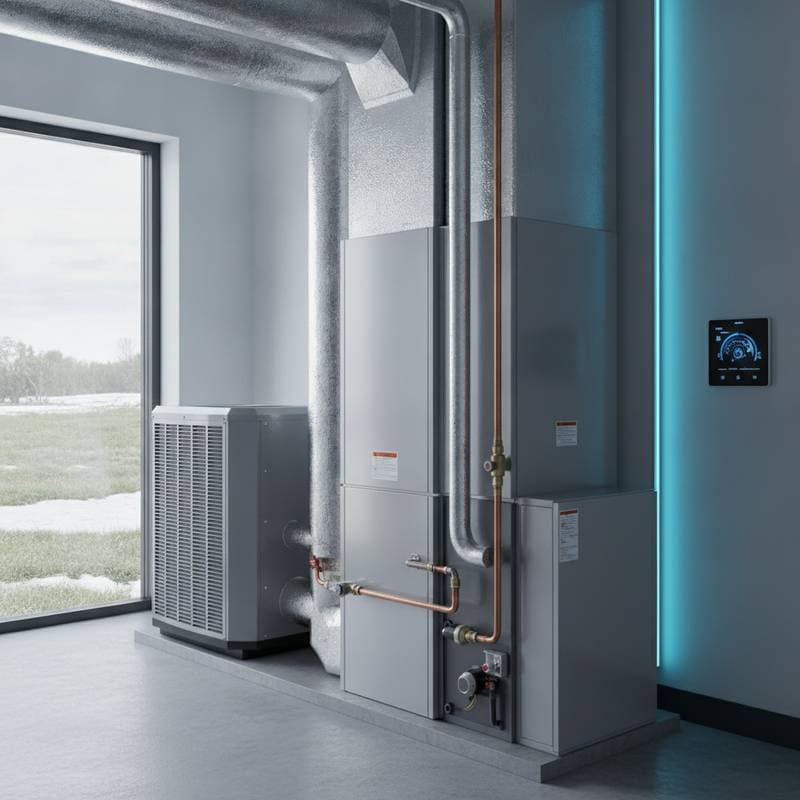
Propane heat pumps represent a significant advancement in residential heating technology, particularly for regions prone to severe winters and power disruptions. These hybrid systems combine the efficiency of electric heat pumps with the reliability of propane backup, ensuring consistent warmth even when electricity fails. Homeowners benefit from reduced energy costs, lower emissions, and uninterrupted comfort during outages or extreme cold.
Traditional electric heat pumps often struggle below freezing temperatures, leading to higher energy use and potential system failure. Propane heat pumps address this limitation by seamlessly switching to propane combustion for auxiliary heating. This dual-fuel approach not only enhances performance but also provides peace of mind in areas where power grid reliability varies.
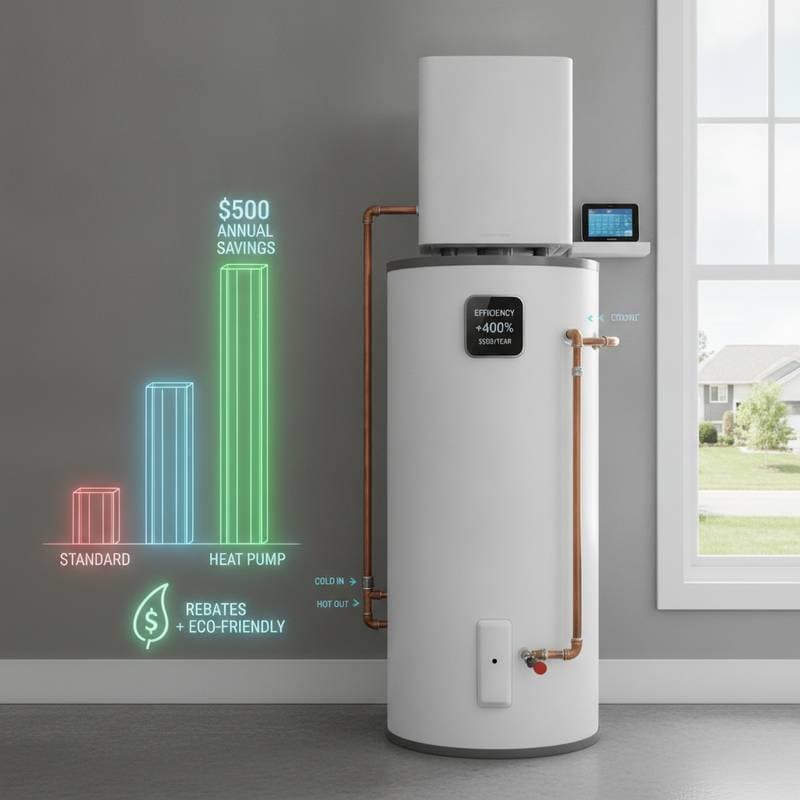
As a 2026 innovation, these systems utilize eco-friendly refrigerants and smart controls to optimize operation. They deliver up to three times more heat than the energy consumed, making them a smart choice for sustainable home heating. Understanding their components and benefits helps homeowners evaluate if this technology suits their needs.
Factors Influencing the Cost of Propane Heat Pumps
The initial investment in a propane heat pump varies based on several key elements. Homeowners should consider these factors during planning to budget accurately.
-
System Size: Larger residences demand units with greater heating capacity. Such systems elevate both equipment prices and installation expenses due to the need for more robust components.
-
Efficiency Rating: Models with superior efficiency ratings command higher upfront costs. These units recoup the investment through substantial reductions in ongoing energy bills over time.
-
Installation Complexity: Labor charges depend on the extent of required ductwork, site accessibility, and integration with existing infrastructure. Complex setups increase overall expenses.
-
Propane Tank Installation: Homes without an existing propane tank face additional costs for purchasing and installing one. This includes site preparation and connection to the heating system.
-
Refrigerant Type: Contemporary propane heat pumps frequently employ R-290 refrigerant, a natural hydrocarbon with minimal environmental footprint. Due to its flammable properties, installation demands specialized handling, which may raise costs slightly.
-
Local Climate: Residences in regions with subzero temperatures often require enhanced propane backup capabilities. This ensures reliable operation without efficiency losses.
Although costs fluctuate, the enduring advantages of energy savings and dependable performance justify the expenditure for most households. Professional assessments provide precise estimates tailored to individual circumstances.
The Role of R-290 Refrigerant in Propane Heat Pumps
R-290 refrigerant stands out as a pivotal innovation in propane heat pump design. This natural hydrocarbon delivers superior thermodynamic properties while minimizing environmental harm. Compared to legacy refrigerants such as R-410A or R-22, R-290 exhibits a negligible global warming potential.
The refrigerant enables efficient heat transfer, allowing systems to maintain performance in low temperatures. Propane heat pumps equipped with R-290 achieve higher coefficients of performance, translating to lower operational costs. Proper management of this flammable substance remains essential for safety.
Certified technicians must handle all installations and maintenance involving R-290. These professionals adhere to stringent protocols to prevent risks. When executed correctly, R-290-based systems offer exceptional efficiency and contribute to greener heating solutions.
Propane Heat Pump vs. Electric Heat Pump
Homeowners evaluating heating options often compare propane models to conventional electric heat pumps. The distinctions primarily emerge in reliability and efficiency under adverse conditions.
| Feature | Propane Heat Pump | Electric Heat Pump |
|---|---|---|
| Cold Weather Performance | Maintains efficiency in subzero conditions | Declines significantly in low temperatures |
| Backup Heat Source | Integrated propane burner | Electric resistance elements |
| Energy Source | Electricity supplemented by propane | Electricity exclusively |
| Operating Cost | Generally reduced in harsh winters | Elevates during freezing weather |
| Environmental Impact | Lower with R-290; cleaner combustion | Varies with regional electricity sources |
Electric heat pumps suffice in temperate zones with stable power supplies. However, in areas with prolonged cold spells or frequent outages, propane variants provide superior reliability and comfort. The hybrid design minimizes energy waste and enhances overall system longevity.
What Homeowners Can Do vs. When to Call a Professional
Regular upkeep extends the lifespan of a propane heat pump and preserves its efficiency. Distinguishing between simple tasks and those requiring expertise ensures safety and optimal function.
Simple Maintenance You Can Handle
Homeowners can manage basic care to support system performance:
- Clean or replace air filters every one to three months to promote unrestricted airflow.
- Clear snow, ice, and debris from outdoor units to prevent operational blockages.
- Inspect indoor vents and registers for obstructions that impede air circulation.
- Track propane tank levels diligently, particularly during winter peaks, to avoid shortages.
These steps demand minimal tools and help avert minor issues from escalating.
Tasks That Require a Professional
Certain procedures involve risks and necessitate licensed HVAC expertise:
- Inspect and recharge refrigerant levels while checking for leaks.
- Evaluate safety controls, ignition mechanisms, and combustion integrity.
- Confirm propane supply lines and burner operations align with standards.
- Conduct comprehensive efficiency tests and adjustments for peak performance.
Engaging qualified technicians safeguards the system, complies with codes, and upholds warranty terms. Annual professional servicing proves invaluable for long-term reliability.
The Propane Heat Pump Installation Process
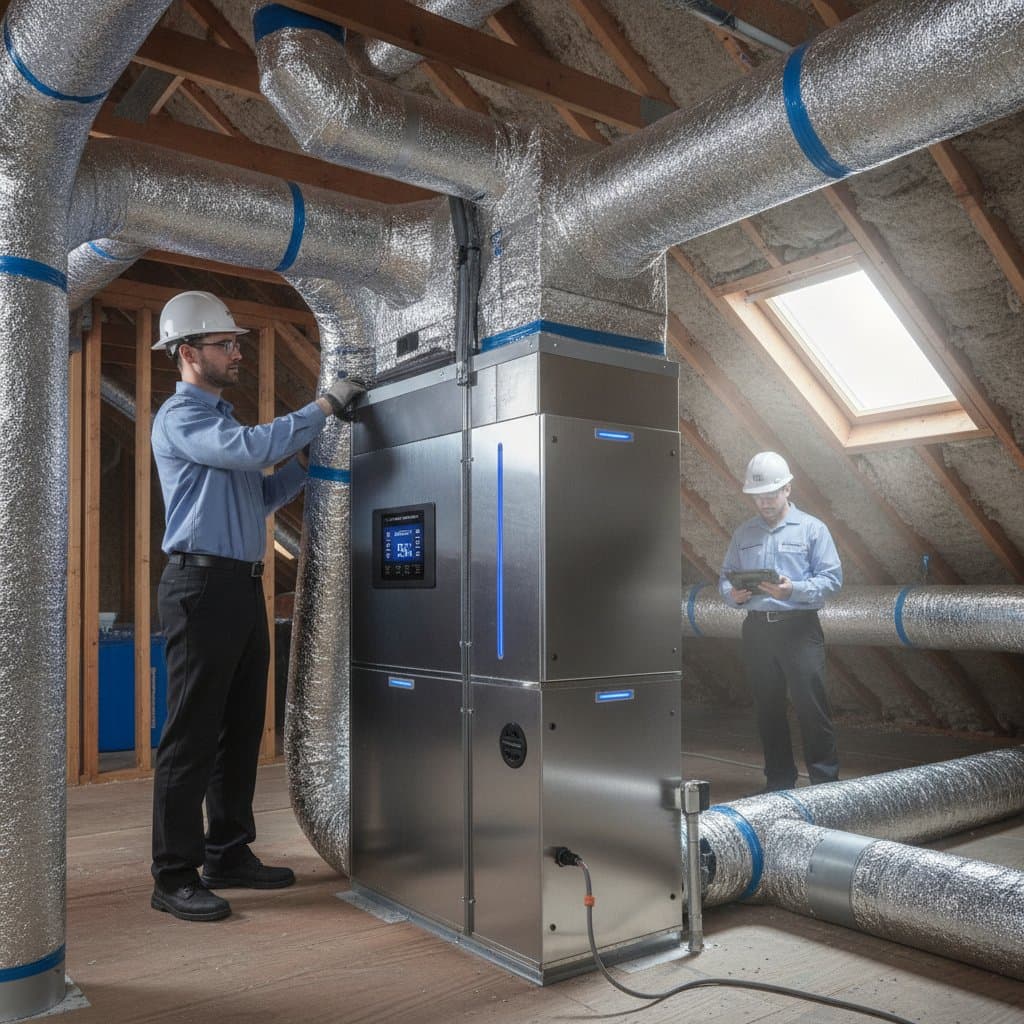
Installing a propane heat pump involves a structured sequence to guarantee seamless integration. Technicians follow these steps to deliver a fully operational system.
-
Home Assessment: Evaluate residence dimensions, insulation quality, and present HVAC configuration to determine requirements.
-
System Selection: Choose appropriate unit capacity and propane integration based on heating demands and efficiency goals.
-
Installation Preparation: Arrange propane tank placement or refill, enhance electrical wiring, and modify ducting as needed.
-
Unit Installation: Position indoor and outdoor components, establish connections, and perform initial calibrations.
-
Start-Up and Testing: Measure refrigerant pressures, validate combustion safety features, and test dual-mode functionality.
-
Homeowner Education: Instruct on system controls, thermostat programming, and maintenance schedules for independent operation.
Projects typically span one to two days, influenced by site specifics and system scale. Post-installation support from the contractor aids smooth adaptation.
Frequently Asked Questions
How efficient are propane heat pumps?
Propane heat pumps rank highly for efficiency in challenging climates. They produce two to three units of heat per unit of input energy under moderate conditions. The propane auxiliary mode sustains output during extreme lows, outperforming single-fuel alternatives.
Is propane safe to use for home heating?
Propane serves as a secure fuel source with professional oversight. Contemporary installations incorporate safety valves, leak detectors, and automated shutoffs. Adherence to maintenance protocols further mitigates any potential hazards.
Can I use my existing furnace with a propane heat pump?
Integration proves feasible in numerous scenarios. Technicians configure dual-fuel arrangements that link the heat pump to current furnaces and ducts. Automatic switching optimizes efficiency by selecting the most suitable heat source.
How long does a propane heat pump last?
Expect a service life comparable to standard heat pumps or furnaces, often 15 to 20 years. Consistent inspections and servicing preserve components and efficiency, potentially extending operational duration.
Does a propane heat pump also provide cooling?
These units function bidirectionally for year-round use. In warmer months, they reverse the refrigeration cycle to deliver cooling, akin to traditional heat pumps.
Achieve Reliable Heating with Propane Heat Pumps
Propane heat pumps furnish a robust, sustainable heating solution for demanding winters. By merging electric efficiency with propane dependability, they ensure warmth persists through outages and frigid temperatures. Collaborate with experienced HVAC specialists for installation and upkeep to maximize benefits. This approach secures a comfortable, cost-effective home environment throughout the year.