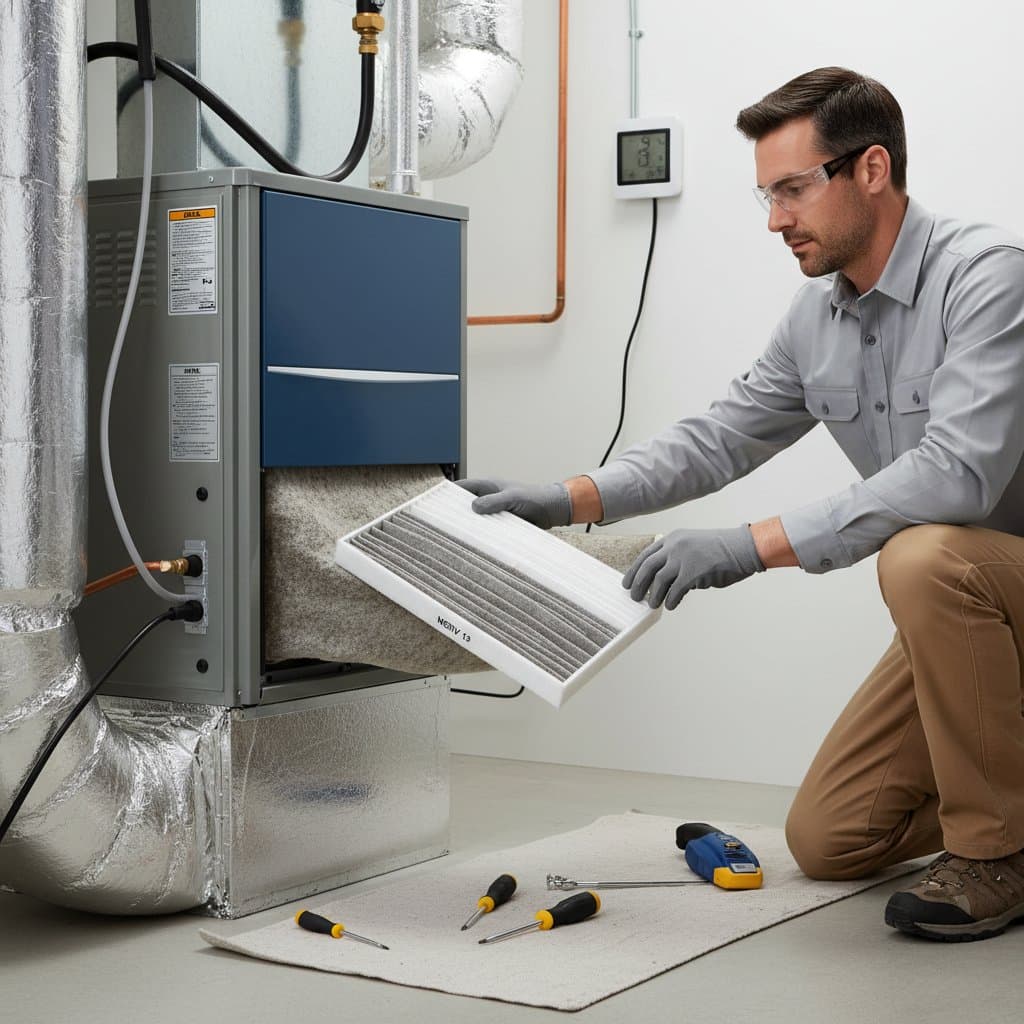
Prevent Costly HVAC Repairs Through Simple DIY Filter Maintenance
Replacing or cleaning your HVAC filter ranks among the simplest preventive measures against expensive system failures. A clogged filter restricts airflow, which can overheat the furnace or cause the air conditioner coil to freeze. Such issues frequently result in repair costs exceeding $400. Consistent filter maintenance ensures efficient operation, prolongs equipment durability, and shields your finances from avoidable service expenses.
The table below outlines key maintenance tasks, their recommended intervals, and associated costs.
| Task | Recommended Frequency | Estimated Cost |
|---|---|---|
| DIY Filter Check | Every 30 to 60 days | Free |
| Filter Replacement | Every 1 to 3 months, depending on filter type and household conditions | $10 to $40 |
| Professional Repair Due to Neglect | As required, often preventable | $300 to $500 or more |
The Importance of HVAC Filter Maintenance
HVAC filters capture dust, pollen, pet dander, and various airborne contaminants before they circulate through your home. Once saturated, the filter loses its effectiveness in safeguarding both the system and indoor air quality. A dirty filter forces the blower motor to labor harder, diminishes airflow, and elevates energy consumption. This added strain frequently causes overheating, component breakdowns, or complications with refrigerant levels, escalating into substantial repair expenses.
Beyond mechanical stress, neglected filters contribute to uneven temperature distribution and reduced humidity control. In homes with high occupancy or pets, contaminants build up faster, amplifying these risks. Addressing filter maintenance promptly preserves system integrity and enhances overall home comfort.
Step-by-Step Guide to Checking and Replacing Your HVAC Filter
Step 1: Power Down the System
Before any inspection or filter handling, switch off the HVAC system at the thermostat and the main power source. This precaution stops the fan from activating and pulling loose debris into the ducts during the process.
Locate the power switch near the unit or use the circuit breaker for added safety. Allow a few minutes for the system to fully power down.
Step 2: Find the Filter Location
Most filters reside in accessible spots: behind a return air vent in the wall or ceiling, within the furnace cabinet, or inside the air handler unit. Consult your HVAC manual for the exact position if uncertainty arises.
Gently remove any access panel or grille, supporting it to prevent damage. Slide the filter out with steady hands to minimize dust disturbance.
Step 3: Evaluate the Filter Condition
Examine the filter by holding it against a bright light. If light barely penetrates or you see dense blockage, replacement becomes necessary. A well-maintained filter displays a light gray or white hue, free from heavy soiling.
Check both sides for even dirt distribution. In dusty environments, inspect more frequently to catch early saturation.
Step 4: Clean or Install a New Filter
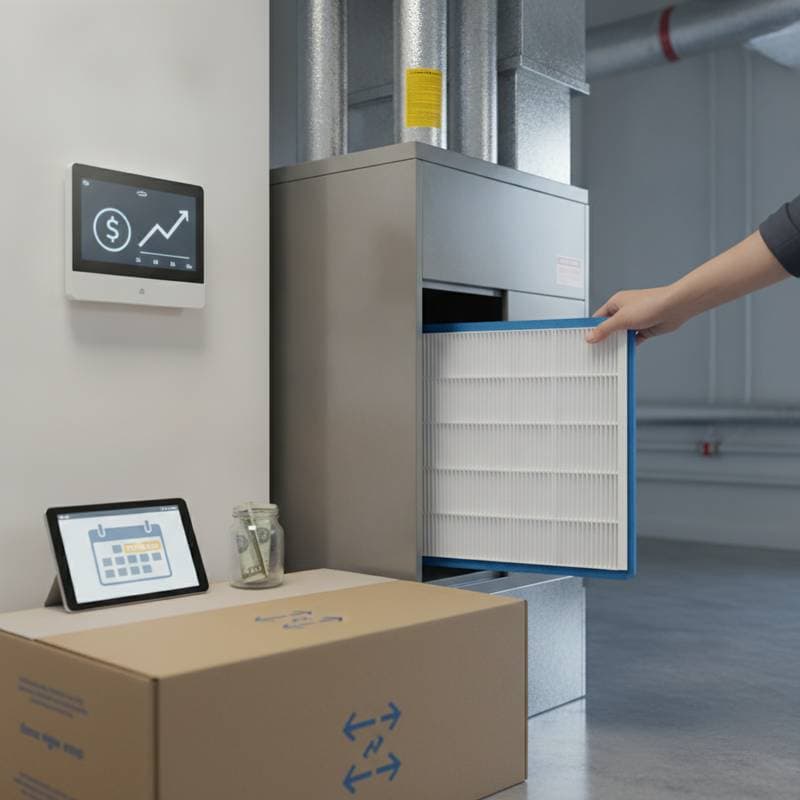
For disposable filters, select a matching size and MERV rating suited to your system—typically MERV 8 to 13 for residential use. Slide the new filter in with the airflow arrow pointing toward the blower.
Reusable filters require rinsing under lukewarm water with mild detergent, followed by thorough air drying. Avoid bending the pleats, and reinstall only when completely dry to prevent mold growth.
Step 5: Establish a Maintenance Reminder
Record the next check date on your calendar or use a smartphone app for recurring alerts, targeting 30 days for high-dust homes or 60 days otherwise. Track filter performance over time to adjust intervals based on observed buildup.
This routine fosters reliability and integrates seamlessly into seasonal preparations.
Key Advantages of Routine DIY Filter Inspections
Routine filter checks deliver multiple benefits that enhance home efficiency and health.
- Reduced Energy Consumption: Optimal airflow enables the system to operate with minimal effort, potentially lowering utility bills by 5 to 15 percent.
- Extended System Longevity: Less mechanical stress on components like the blower and coils reduces wear, often adding years to the equipment's service life.
- Improved Air Quality: Effective filtration removes allergens and irritants, benefiting those with respiratory sensitivities and promoting a healthier living environment.
- Avoidance of Urgent Repairs: Early intervention prevents issues like coil freezing or motor burnout, eliminating the need for those $400-plus service visits.
These outcomes compound over time, yielding significant savings and comfort.
Indicators That Your Filter Requires Immediate Attention
Monitor your system for these common signals of filter problems.
- Reduced airflow from supply vents, even at full fan speed.
- Rattling or straining sounds from the blower area during operation.
- Accelerated dust settlement on furniture, shelves, and floors.
- Unexpected increases in energy bills despite stable usage patterns.
- Odd smells, such as mustiness from mold or burning from overheated parts, emanating from vents.
Addressing these promptly through a filter check often resolves the issue without further intervention.
Situations Requiring Professional HVAC Assistance
Filter replacement alone may not suffice if airflow remains poor or other anomalies persist. Persistent noises, refrigerant leaks, or short cycling—where the system turns on and off rapidly—suggest deeper concerns like a faulty blower motor or low refrigerant.
Contact a certified technician for diagnostic tools and repairs beyond basic maintenance. Annual professional tune-ups complement DIY efforts, catching potential problems early.
Build Lasting Habits for HVAC Efficiency
Incorporate monthly filter checks into established routines, such as aligning with bill payments or grocery shopping cycles. This discipline mirrors essential tasks like testing smoke alarms or inspecting appliances, ensuring consistent vigilance.
Proactive care maintains clean air, reliable performance, and financial stability. For peace of mind, pair these habits with periodic expert evaluations to optimize your system's full potential.