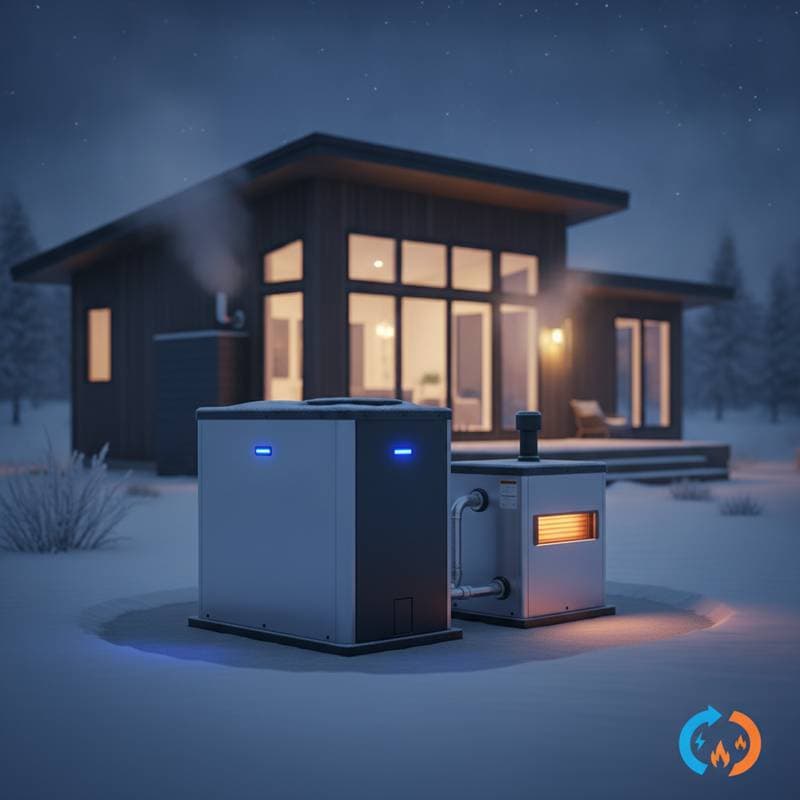
Dual-Fuel Heating Systems: Reduce Winter Bills by Up to 55 Percent
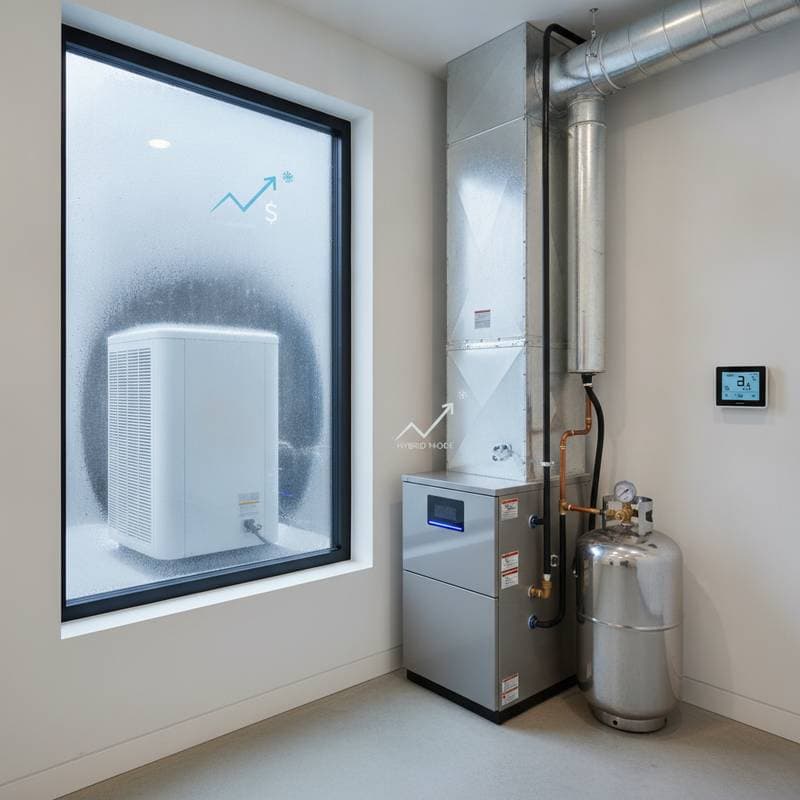
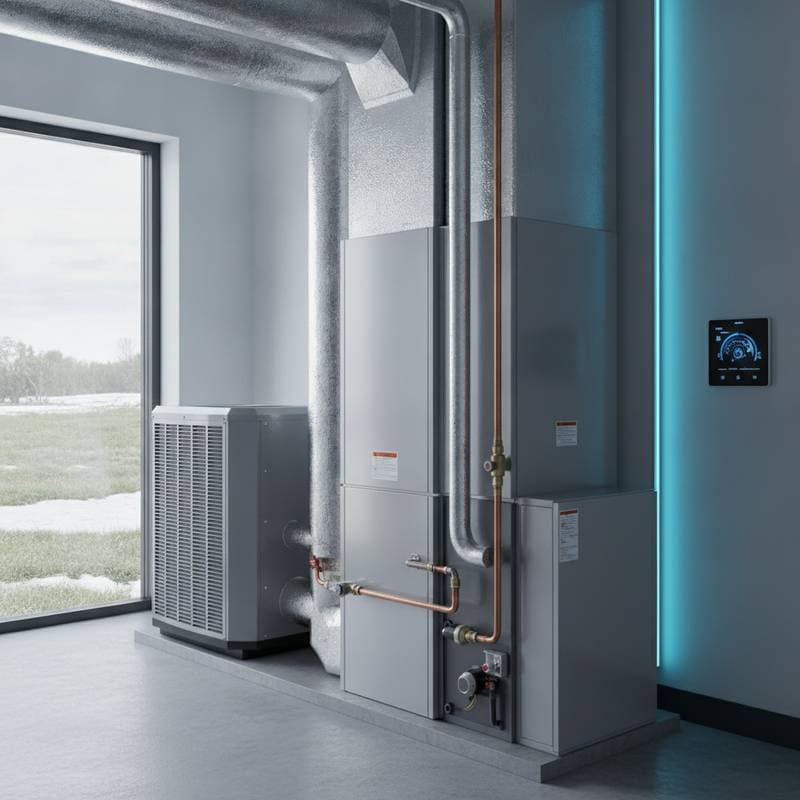
Dual-fuel heating systems combine an electric heat pump with a gas or propane furnace to provide efficient heating tailored to outdoor conditions. These hybrid setups automatically shift between the heat pump for milder weather and the furnace for extreme cold, achieving savings of up to 55 percent on winter energy costs. Homeowners seeking a balance of comfort and affordability will find this technology offers substantial benefits, including lower utility expenses and improved indoor air quality.
The following table outlines typical costs for dual-fuel system installations, which vary based on system specifications and regional factors.
| Item | Average Cost |
|---|---|
| National Average Installation Cost | $6,000 - $10,500 |
| Typical Price Range | $5,500 - $12,000 |
| High-End Hybrid Systems | $13,000+ |
| Low-End Units | $4,500 |
Factors Influencing Dual-Fuel System Costs
Multiple elements determine the overall expense of installing a dual-fuel heating system. Homeowners benefit from evaluating these components to establish a realistic budget and select equipment that aligns with specific needs.
System Capacity and Sizing
Proper sizing ensures the system meets the home's heating and cooling requirements without excess energy use. Professionals perform a Manual J load calculation to determine the ideal capacity in tons or BTUs, preventing issues like short cycling in oversized units or inadequate performance in undersized ones. Accurate sizing not only optimizes efficiency but also extends equipment lifespan.
Efficiency Specifications
Dual-fuel systems feature distinct efficiency metrics for each component. The Seasonal Energy Efficiency Ratio 2 (SEER2) rates the heat pump's cooling performance, where ratings of 18 or above minimize electricity consumption during warmer months. The Annual Fuel Utilization Efficiency (AFUE) evaluates the furnace's heat output from fuel, with models exceeding 95 percent AFUE delivering superior warmth while conserving resources. Selecting high-efficiency options can yield annual savings of several hundred dollars.
Manufacturer and Build Quality
Reputable brands incorporate features such as variable-speed compressors, enhanced noise reduction, and extended warranties. Although initial prices for premium units exceed those of basic models, the reduced operational costs and durability often justify the investment. Researching certified products ensures compliance with industry standards for performance and safety.
Installation Requirements
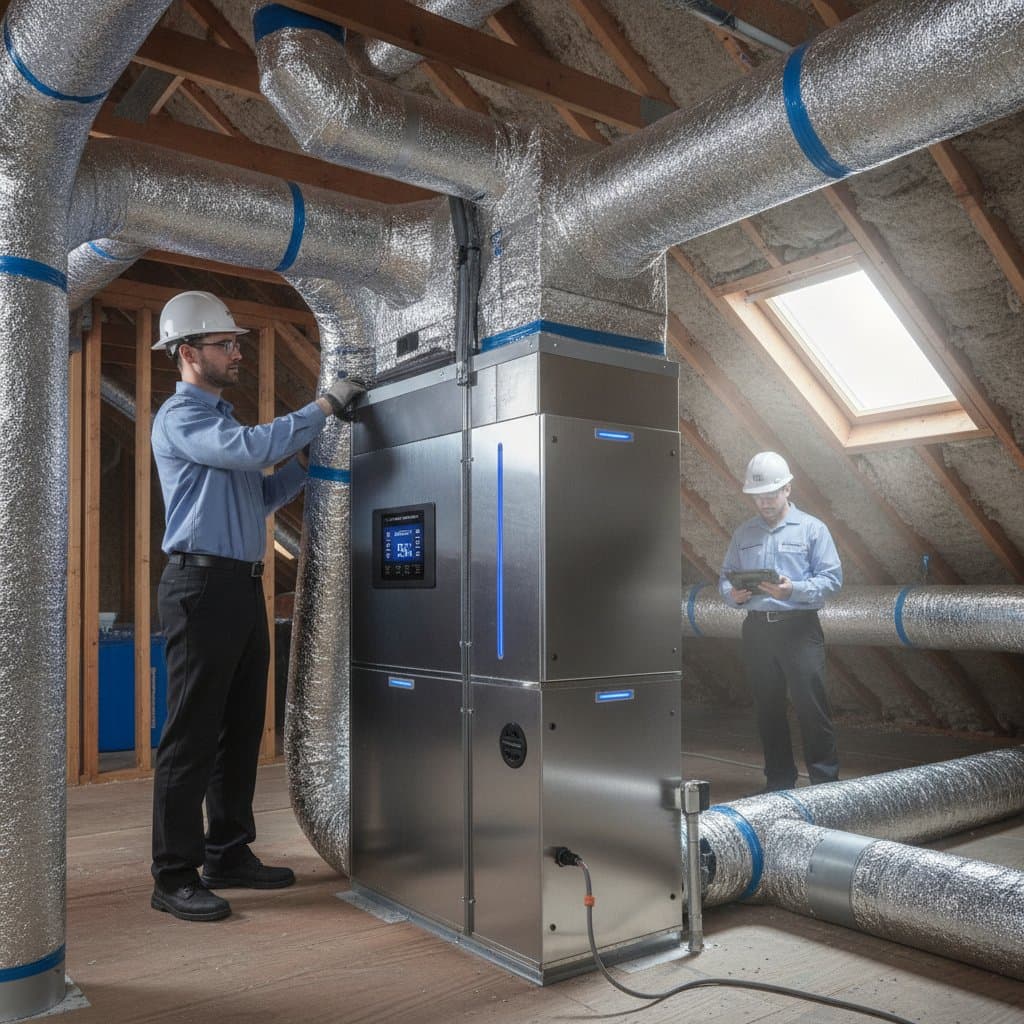
Projects involving existing compatible ductwork proceed with minimal disruption and lower expenses. However, modifications for new ducts, electrical panels, or gas lines increase labor demands and costs. Placement in accessible areas like basements or attics influences accessibility for technicians, potentially affecting the timeline and price.
Regional Weather Patterns
In temperate climates, the heat pump handles most heating tasks, maximizing electricity-based savings. Harsher winters prompt more frequent furnace operation, which elevates gas usage but safeguards the heat pump from strain. Adapting the system to local conditions through professional assessment ensures consistent comfort year-round.
Indicators for Upgrading to Dual-Fuel Heating
Certain home heating challenges signal the need for a dual-fuel upgrade. Persistent increases in winter utility statements often stem from outdated equipment struggling against rising energy demands. Inconsistent temperatures across rooms or noticeable drafts indicate inefficiencies that a hybrid system can resolve through balanced distribution.
Frequent breakdowns or repair calls on aging furnaces or heat pumps erode reliability and escalate expenses. Residents in colder zones dependent on electric-only heating face amplified costs and discomfort, which dual-fuel technology mitigates by integrating fossil fuel backup. Environmentally conscious individuals appreciate the reduced reliance on gas, contributing to a smaller carbon footprint without sacrificing heat output.
Systems over a decade old typically lose efficiency, making replacement a strategic move for enhanced performance and energy conservation.
Professional Installation Expenses
Labor constitutes 20 to 30 percent of the total project budget, ranging from $1,500 to $3,000 for standard setups. Additional work, such as duct fabrication, electrical enhancements, or gas piping adjustments, elevates these figures. Engaging licensed contractors guarantees adherence to building codes and optimal system integration.
Common Questions on Dual-Fuel Heating Systems
How Does the System Switch Between Electric and Gas Modes?
Integrated thermostats track ambient temperatures and efficiency thresholds to manage transitions. Below a predefined outdoor temperature, typically around 30 degrees Fahrenheit, the furnace engages to provide robust heat while preserving the heat pump's efficiency.
Is Retrofitting Possible with an Existing Furnace?
Compatible furnaces can pair with a new heat pump if ductwork and electrical systems support it. Technicians assess feasibility during an on-site evaluation, often avoiding full replacements and reducing overall costs.
What Maintenance Practices Are Essential?
Annual inspections cover coil cleaning, refrigerant verification, burner examinations, and thermostat calibration for both components. Homeowners perform basic tasks like filter changes to support longevity and prevent operational issues.
Can Dual-Fuel Systems Integrate with Solar Energy?
Solar panels complement the setup by powering the heat pump during peak sunlight hours, offsetting electricity draws. The furnace serves as a reliable reserve, enhancing overall sustainability and cost reductions.
What Is the Expected Lifespan of These Systems?
Heat pumps endure 12 to 15 years under regular care, while furnaces last 15 to 20 years. Scheduled maintenance and prompt repairs further prolong service life and sustain peak efficiency.
Do Dual-Fuel Systems Promote Environmental Benefits?
These hybrids lower emissions by prioritizing electric operation in suitable conditions, outperforming gas-exclusive systems in fuel efficiency and pollution reduction.
Steps to Implement Your Dual-Fuel Upgrade
Transitioning to a dual-fuel system begins with a professional energy audit to confirm suitability for your home. Gather quotes from multiple certified installers to compare options and financing plans. Post-installation, monitor performance through utility tracking to verify savings and adjust settings as needed. This proactive approach secures enduring comfort, efficiency, and financial advantages for seasons ahead.