52% Winter Bill Savings with Dual-Fuel Systems
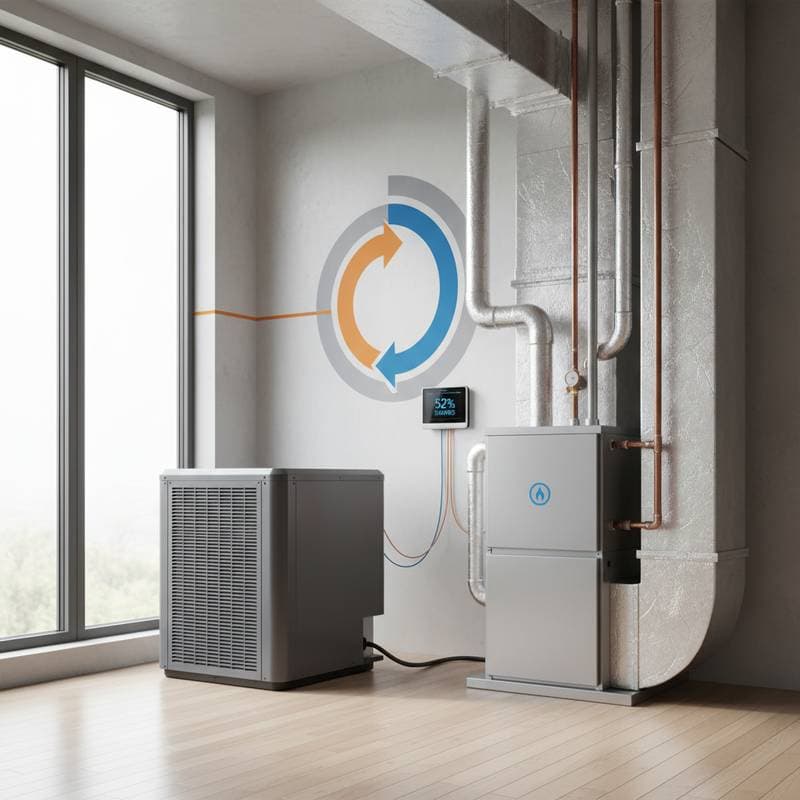
If high heating bills burden your winter budget, consider a dual-fuel HVAC system as a reliable solution. Homeowners who adopt dual-fuel heating achieve up to 52% savings on winter energy costs compared to traditional furnaces. This hybrid approach integrates a heat pump's efficiency with a gas or propane furnace's power, delivering optimal comfort and reduced expenses. The following sections explain system mechanics, pricing details, and strategies to minimize energy consumption.
| Item | Average Data |
|---|---|
| Average Winter Energy Savings | Up to 52% |
| Typical Installation Cost | $6,000 - $12,000 |
| Payback Period | 3 - 6 years |
| Energy Efficiency Rating | SEER2 16+ / HSPF2 8+ |
| Fuel Types | Electricity and Gas or Propane |
Average Dual-Fuel HVAC Costs
Dual-fuel system installation ranges from $6,000 to $12,000, influenced by home size and setup complexity. A basic heat pump and furnace pairing falls around $9,000, whereas expansive homes or advanced models approach the upper limit.
Typical cost breakdown:
- Equipment: $4,000 - $8,000
- Labor and Installation: $2,000 - $4,000
- Additional Ductwork or Modifications: $500 - $2,000
Higher initial investments in dual-fuel setups recoup through energy reductions. Moderate weather relies on low-cost electricity, while extreme cold limits gas use, accelerating return on investment.
Key Factors That Affect Dual-Fuel HVAC Price
Multiple elements determine dual-fuel heating expenses. Awareness of these allows precise budgeting and informed decisions.
Unit Size and Capacity
Match the system to your home's heating and cooling demands. Cooling capacity uses tons, heating uses BTUs. Larger residences demand bigger units, raising costs. Accurate sizing prevents inefficiency and premature wear.
Brand and Quality
Leading brands provide features such as variable-speed compressors and integrated thermostats. These premium options carry higher prices yet yield superior efficiency and extended warranties. Mid-range choices balance performance and affordability for typical households.
Energy Efficiency Rating
SEER2 and HSPF2 ratings quantify heat pump performance. Elevated ratings enhance efficiency and trim bills. Initial costs rise with better ratings, but sustained savings justify the expense.
Fuel Type
Natural gas or propane impacts setup and ongoing costs. Propane suits remote locations but costs more per energy unit. Natural gas offers economy where pipelines exist.
Installation Complexity
Existing ductwork and electrical compatibility simplify jobs. Vintage homes lacking infrastructure face added expenses for upgrades.
Types of Dual-Fuel Heating Systems
Dual-fuel configurations blend electric and gas elements for peak efficiency. All variants shift modes based on weather.
Common System Types
- Air Source Heat Pump with Gas Furnace
- Pros: Widespread availability, cost-effective hybrid, high efficiency, fits most homes
- Cons: Modest premium over single furnaces
- Geothermal Heat Pump with Gas Backup
- Pros: Exceptional efficiency, consistent comfort, minimal operating expenses
- Cons: Substantial upfront costs, ground loop requirements
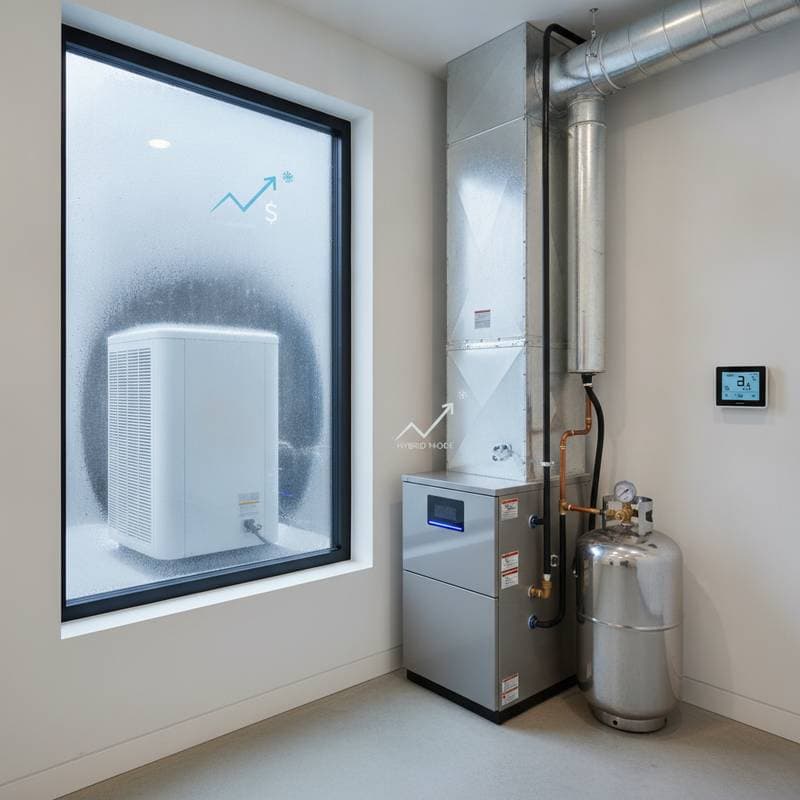
- Heat Pump with Propane Furnace
- Pros: Ideal for off-grid areas, on-site fuel storage, outage-resistant heating
- Cons: Volatile propane prices, tank upkeep needs
Heat pumps handle mild conditions; furnaces activate in severe cold for seamless operation.
Signs You Need a Dual-Fuel Upgrade
Evaluate these indicators to determine upgrade necessity:
- Elevated winter heating expenses from current equipment
- Inconsistent room temperatures or drafts
- Excessive system cycling or operational sounds
- Equipment approaching end-of-life
- Interest in diversifying energy sources
- Preparations for energy-efficient home improvements prior to sale
Such upgrades boost comfort and curb costs in variable climates.
The Dual-Fuel Installation Process
Anticipate these steps for a disruption-free experience.
-
Home Assessment
Technicians inspect layout, insulation, and current systems to specify sizing. -
System Selection
Select brand, efficiency, and fuel aligned with needs and finances. -
Preparation and Removal
Remove outdated units safely; update ducts or wiring as required. -
Installation of New Equipment
Position and link heat pump and furnace for integrated function. -
Thermostat and Controls Setup
Program controls for automatic mode transitions by temperature. -
Testing and Verification
Confirm airflow, connections, and responses for peak efficiency. -
Homeowner Orientation
Learn operations, upkeep routines, and usage tracking.
Expert installation safeguards performance and efficiency.
Dual-Fuel HVAC Labor Costs
Labor fees span $2,000 to $4,000, varying by scale, access, and locale. Coverage includes demolition, assembly, adjustments, and checks.
Factors that influence labor pricing:
- Electrical and gas linkage intricacies
- Duct or vent alterations
- Regional wage standards
- Permit and inspection obligations
Certified professionals uphold safety, codes, and warranty terms.
Frequently Asked Questions About Dual-Fuel HVAC Systems
How does a dual-fuel system save 52% on winter bills?
Heat pumps provide efficient heating for moderate weather, outperforming fuel combustion. Furnaces engage only in deep cold, minimizing overall fuel and electricity demands for notable bill reductions.
Does a dual-fuel system work in very cold climates?
Affirmative. Automatic switching to gas or propane ensures heating reliability when heat pumps falter in low temperatures, avoiding electricity waste.
Can I convert my existing HVAC system to dual-fuel?
Often feasible. Viable furnaces and ducts permit heat pump additions with controls. Assessments verify compatibility.
How long does a dual-fuel system last?
Expect 15 to 20 years with routine care. Components vary in durability, but maintenance sustains longevity.
What maintenance does a dual-fuel system require?
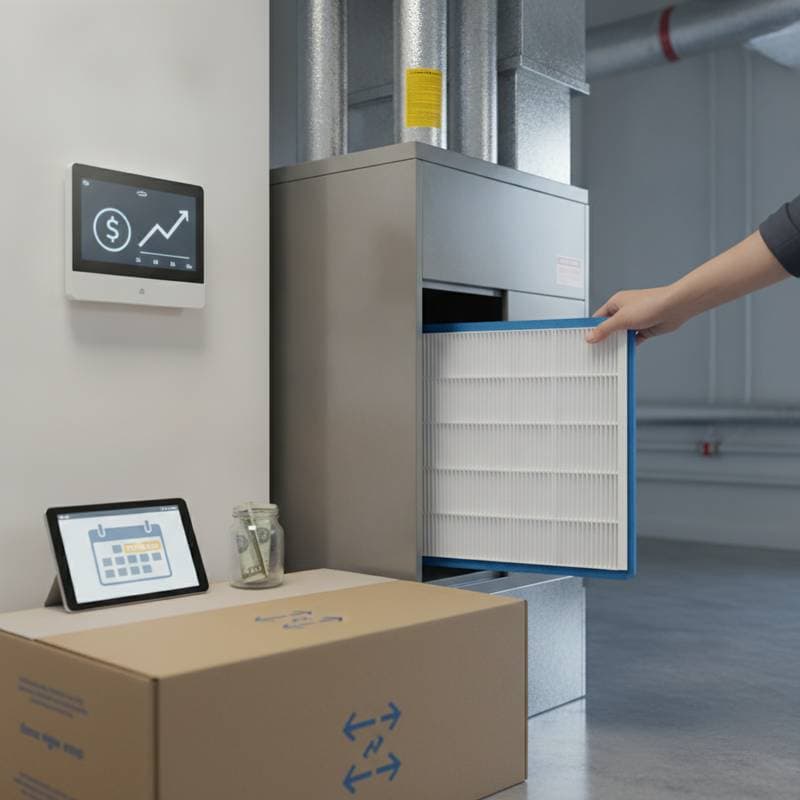
Change air filters monthly during peak use. Schedule annual professional inspections for refrigerant levels, coil cleaning, and electrical checks. Monitor thermostat settings and clear outdoor units of debris to preserve efficiency.
Is financing or rebates available for dual-fuel systems?
Numerous options exist. Federal tax credits cover efficient models. Utility rebates reward energy savings. Local incentives and low-interest loans from HVAC providers ease upfront payments; verify eligibility through installers.
Steps to Upgrade Your Heating System
Dual-fuel HVAC merges efficiency and reliability to lower winter costs without sacrificing warmth. This setup adapts to seasonal demands, yielding flexibility and savings. Schedule a consultation with an HVAC expert to assess your property, explore configurations, and secure estimates tailored to your situation.