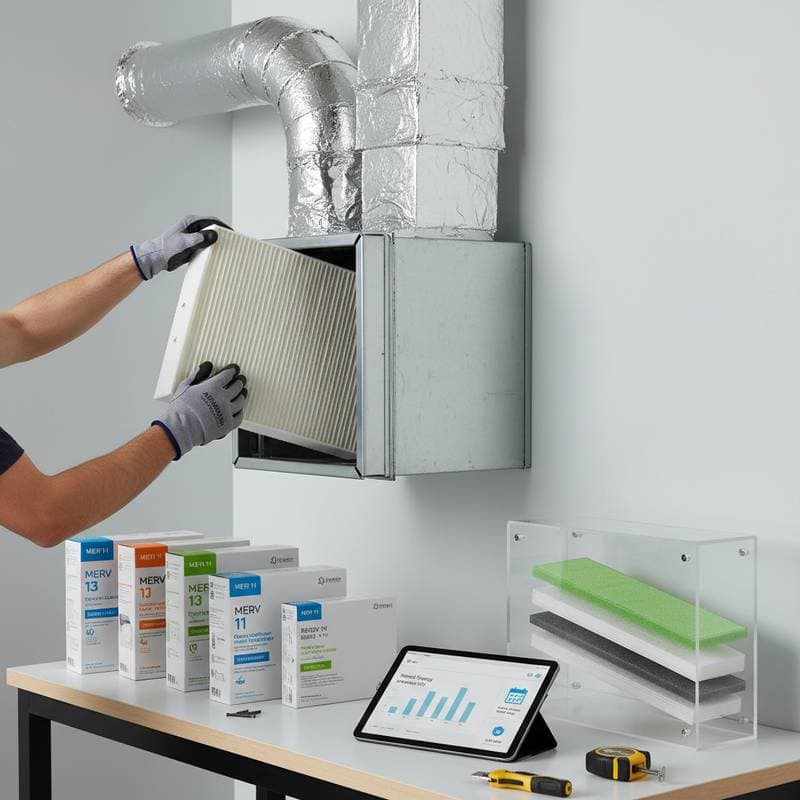
Save $300 Yearly on HVAC with DIY Filter Boxes
Homeowners can save approximately $300 each year on HVAC maintenance by constructing and maintaining custom DIY filter boxes. This approach eliminates the need for expensive recurring filter subscriptions or professional replacement services. Instead, individuals purchase affordable bulk filters, which extend the system's lifespan and lower energy bills. The following guide details the construction process, explains the underlying benefits, and outlines expected long-term savings.
| Savings Area | Estimated Annual Savings |
|---|---|
| Reduced HVAC Energy Use | $100 - $150 |
| Elimination of Subscription Fees | $100 - $120 |
| Extended System Lifespan | $50 - $75 |
| Total Estimated Savings | Up to $300+ |
Average HVAC Filter Subscription Costs
Numerous homeowners subscribe to HVAC filter delivery services that provide replacements on a predetermined schedule. While these services offer convenience, they typically exceed the cost of direct filter purchases. Subscription plans generally range from $15 to $25 per month, based on filter quality and delivery frequency. This amounts to $180 to $300 over a full year.
In comparison, a DIY filter box paired with bulk filter purchases costs $40 to $80 annually. The savings become evident when considering that both options perform the core function of capturing dust, pollen, and other airborne particles. Over multiple years, this strategy yields substantial financial benefits alongside enhanced air quality.
Realistic Cost Comparison
| Expense Type | Subscription Plan | DIY Filter Box |
|---|---|---|
| Filter Cost (Annual) | $180 - $300 | $40 - $80 |
| Installation or Replacement Labor | $0 - $60 | $0 (DIY) |
| Energy Efficiency Improvement | Moderate | High |
| Total Annual Cost | $200 - $360 | $40 - $80 |
This comparison highlights how a DIY solution minimizes expenses without compromising performance. Homeowners who implement this change often report noticeable reductions in utility bills within the first few months.
Key Factors That Affect Savings from DIY Filter Boxes
Multiple variables influence the savings achieved through a DIY filter box. A clear understanding of these elements enables maximization of both efficiency and cost reductions.
Filter Quality and MERV Rating
The MERV rating, or Minimum Efficiency Reporting Value, indicates a filter's ability to capture particles of varying sizes. Higher ratings trap finer pollutants, yet they may impede airflow if mismatched to the HVAC system. For residential setups, ratings between 8 and 13 strike an optimal balance, providing effective filtration without overburdening the blower motor. Select filters that align with your system's specifications to avoid unnecessary strain.
HVAC Usage Frequency
Systems that operate daily necessitate more frequent filter changes. In such scenarios, a DIY box proves particularly economical, as replacements cost far less than subscription equivalents. Residences in regions with high dust levels, pollen counts, or pet presence gain the most advantage from monthly or bimonthly replacements. Track usage patterns to establish an appropriate schedule.
System Efficiency and Airflow
A clean, properly fitted filter enhances airflow and eases the load on the blower motor. Poor airflow from clogged or ill-fitting filters elevates energy use and inflates utility costs. A well-designed DIY box maintains optimal conditions, potentially cutting energy consumption by up to 10 percent. Regular monitoring ensures sustained performance.
Maintenance Habits
Consistent upkeep determines overall savings. Inspect filters monthly, clean the surrounding air return area, and replace any that appear gray or dusty. Neglecting these steps can negate benefits by compelling the system to operate under increased stress. Establish a routine to preserve efficiency.
Types of DIY Filter Boxes
Construction methods for filter boxes vary according to the HVAC system's configuration and the builder's familiarity with tools. The options below represent the most practical designs.
1. Simple Return Air Filter Box
This type mounts directly over the existing return vent. Materials such as sheet metal, plywood, or reinforced cardboard form a secure frame to hold the filter.
Pros:
- Minimal expense
- Straightforward measurement and assembly
- Suited to systems with a single return
Cons:
- Demands accurate cuts for a sealed fit
- Occasional resealing required to block air leaks
2. Inline Filter Box for Ductwork
Positioned inside the duct system near the air handler, this box ensures filtration for all incoming air.
Pros:
- Delivers system-wide protection
- Accommodates standard filter dimensions
- Mimics professional installations
Cons:
- Involves more intricate setup
- Benefits from foundational HVAC understanding
3. Multi-Stage Filter Box
Employing layered filters, this setup includes a coarse pre-filter for large particles and a finer one for smaller contaminants.
Pros:
- Superior air purification
- Prolonged filter durability
- Ideal for homes with allergy sufferers
Cons:
- Elevated initial investment
- Potential airflow reduction if sizing errors occur
Signs You Need a DIY Filter Box Upgrade
Certain homes may not yet require a DIY filter solution, but specific symptoms indicate readiness for improvement.
- Frequent filter replacements, exceeding once per month, due to rapid dust accumulation
- Uneven airflow or diminished suction at return vents
- Increasing energy bills without alterations in system operation
- Underutilized subscription services that incur ongoing fees
- Inadequate sealing or awkward sizing in the current filter compartment
When these issues arise, a custom filter box provides secure fitment and facilitates economical, regular changes. Addressing them promptly enhances system reliability.
The DIY Filter Box Construction Process
Assembling a filter box demands basic tools and follows a logical sequence. The steps outlined below guide the process from planning to installation.
-
Measure the Return Vent or Duct Opening
Determine the precise height and width. Common filter dimensions, like 16x20 or 20x25 inches, guide material selection. -
Choose Your Filter Type and MERV Rating
Opt for filters compatible with your system's airflow requirements. Steer clear of those that could overly restrict the fan motor. -
Build or Assemble the Frame
Fashion a snug enclosure from plywood, sheet metal, or sturdy plastic. Verify airtight construction along all edges. -
Add a Filter Slot or Slide Mechanism
Incorporate a track or channel for effortless filter insertion and removal. This feature simplifies ongoing maintenance. -
Seal Joints and Edges
Apply HVAC tape or foam gaskets to eliminate potential air escapes. -
Install the Filter Box in Place
Secure the assembly over the return vent or inside the ductwork. Activate the system to assess airflow and detect any unusual sounds indicating leaks.
DIY Filter Box Labor Costs
Most DIY projects involve no labor expenses, as individuals complete the work themselves using common household tools. For those preferring assistance, hiring a handyman for measurements and basic assembly typically costs $50 to $150, depending on complexity and location. This remains far below professional HVAC modifications, which can exceed $300. Weigh personal skills against potential outsourcing to optimize value.
Frequently Asked Questions About DIY Filter Boxes
How often should I replace filters in a DIY filter box?
Replace filters every one to three months, adjusted for usage and environmental factors. Households with pets or allergy concerns often require monthly swaps, whereas lightly used systems extend to quarterly intervals.
Can a DIY filter box reduce allergies and dust?
Yes, a sealed box combined with quality filters traps pollen, pet dander, and fine dust more reliably than standard setups. This leads to noticeable improvements in indoor air quality over time.
What materials work best for building the box?
Plywood, sheet metal, or rigid plastic panels provide durability. Prioritize materials that form a firm, leak-proof structure to ensure air passes through the filter exclusively.
Will a DIY filter box work with any HVAC system?
Compatibility exists for most systems when the box dimensions match the return vent or duct. Multiple returns may necessitate several boxes to achieve comprehensive coverage.
Are reusable filters a good option for DIY boxes?
Reusable filters cut costs through washing and reuse, though they demand diligent cleaning. Disposable variants offer greater convenience and consistent filtration performance.
Can building a filter box void my HVAC warranty?
Modifications that preserve airflow and performance generally do not impact warranties. Review the manufacturer's documentation prior to any alterations.
How do I know if my DIY filter box is airtight?
Operate the system and check edges for air movement. Seal any detected gaps with HVAC tape or foam to enhance operational efficiency.
Implement Your Custom Filter Solution
Constructing a DIY filter box represents a straightforward method to lower HVAC expenses, elevate air quality, and optimize energy use. Basic materials and methodical planning enable annual savings up to $300, alongside greater autonomy in maintenance. Conduct regular inspections, stock replacement filters, and seek professional advice for any airflow irregularities or operational anomalies to sustain these advantages.