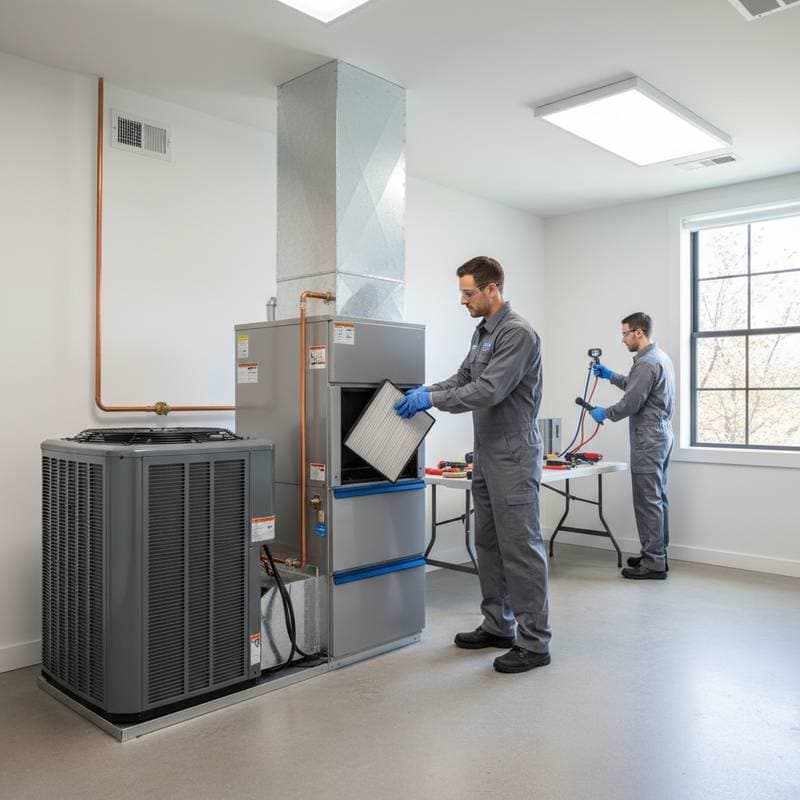
Achieve Optimal HVAC Performance Through an 8-Step Spring Tune-Up
As temperatures rise, the HVAC system faces increased demands to regulate indoor comfort. Following a winter of heating operations, cooling components require preparation for the upcoming season. A comprehensive spring tune-up minimizes the risk of failures, optimizes energy use, and prolongs equipment longevity. The following guide details an 8-step process to maintain peak operation.
The Importance of Spring HVAC Maintenance
During winter months, the HVAC system accumulates dust, pollen, and other particles. Clogged filters, soiled coils, and fatigued moving parts diminish efficiency and elevate operational costs. A targeted spring tune-up prepares the system for summer demands, promoting reliable performance. Routine inspections also identify minor issues early, preventing escalation into major, expensive repairs.
Step 1: Replace or Clean Air Filters
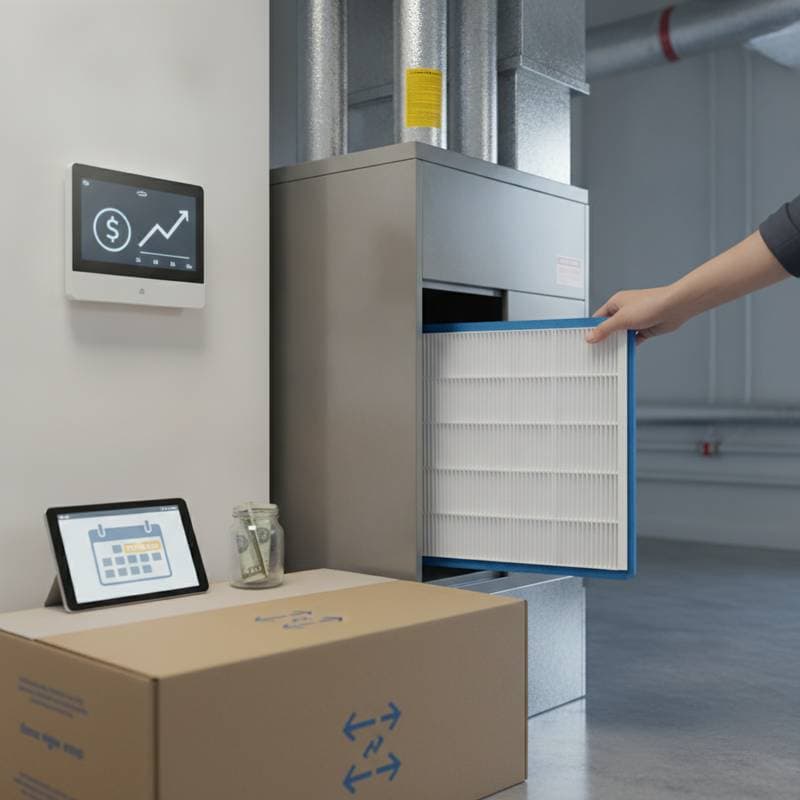
Clogged air filters restrict airflow, compelling the system to labor excessively and compromising overall efficiency. This strain not only inflates energy bills but also accelerates wear on internal components.
- Inspect filters monthly during high-usage periods.
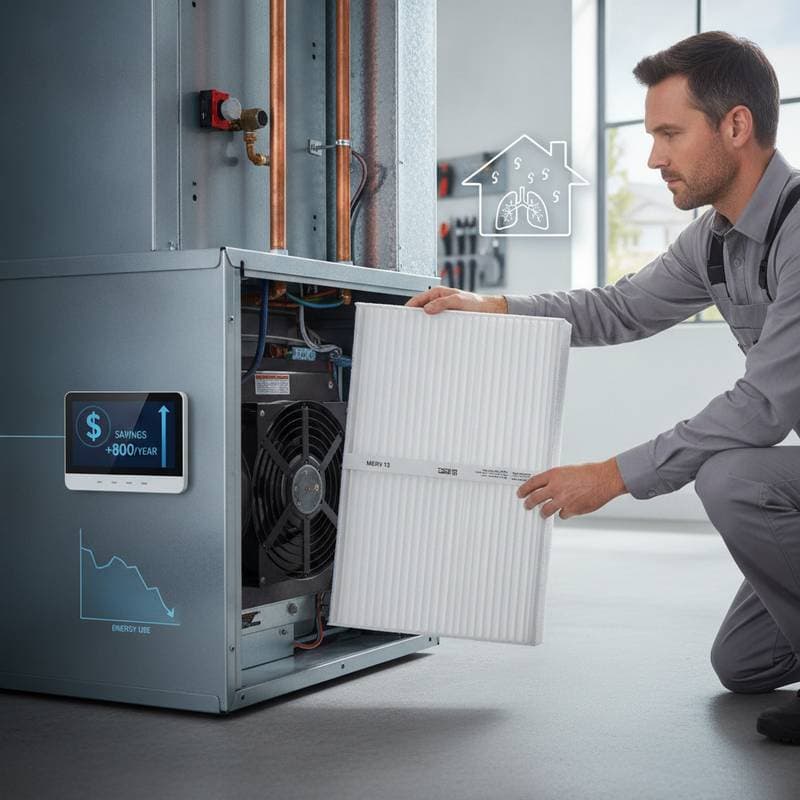
- Swap out disposable filters or wash reusable ones according to manufacturer guidelines.
- Select filters with an appropriate MERV rating to optimize particle capture without impeding airflow.
Fresh filters enhance indoor air quality and shield the system from excessive dust accumulation.
Step 2: Inspect and Clean the Outdoor Condenser Unit
The exterior condenser unit encounters leaves, soil, and landscaping debris, which obstruct airflow and hinder heat dissipation.
- Disconnect power at the unit's switch prior to any cleaning.
- Clear surrounding debris and maintain a two-foot clearance from vegetation.
- Brush fins lightly or use a vacuum to remove surface dirt.
- Hose down coils with low-pressure water to avoid fin deformation.
A debris-free condenser facilitates superior cooling capacity and system reliability.
Step 3: Verify Thermostat Functionality
The thermostat dictates system cycles and directly influences energy consumption. Inaccurate readings or obsolete models lead to inefficient operation and unnecessary runtime.
- Confirm accurate temperature response by comparing readings to a separate thermometer.
- Install fresh batteries in battery-powered units.
- Evaluate programmable or smart models for automated scheduling and remote adjustments.
An accurate thermostat delivers precise control, fostering consistent comfort levels.
Step 4: Examine Ductwork for Leaks and Obstructions
Compromised ducts lose significant conditioned air, forcing the system to compensate and driving up utility expenses.
- Scan for evident separations, unsecured joints, or dented sections.
- Detect escaping air by hand near connections during operation.
- Engage a specialist for pressure testing to uncover concealed leaks.
Repaired and sanitized ducts enhance distribution uniformity and operational effectiveness.
Step 5: Clean Evaporator and Condenser Coils
Coils serve as the primary conduits for heat transfer between indoor and outdoor environments. Accumulated grime impairs this process, reducing cooling output and efficiency.
- Locate the evaporator coil within the indoor air handler unit.
- Identify the condenser coil in the outdoor assembly.
Professional cleaning preserves coil integrity, avoids refrigerant line damage, and restores peak thermal performance. Homeowners should avoid DIY attempts due to the specialized equipment required.
Step 6: Assess Refrigerant Levels
Insufficient refrigerant impairs cooling and risks coil icing, often indicating an underlying leak.
- Refrain from personal handling of refrigerant, as it demands certified tools and expertise.
- Rely on a qualified technician to gauge pressures, detect escapes, and replenish as necessary.
Balanced refrigerant ensures safe, efficient cooling without component stress.
Step 7: Lubricate Components and Check Belts
Ongoing friction degrades motors, blowers, and drive belts, leading to premature failure.
- Examine belts for signs of cracking, glazing, or looseness.
- Note any operational squeaks signaling lubrication needs.
- Use manufacturer-recommended oil on accessible bearings and shafts.
Well-maintained parts operate quietly and endure longer under load.
Step 8: Evaluate Overall System Operation
With maintenance complete, activate the system to validate functionality.
- Switch to cooling and observe uniform vent output.
- Identify irregularities in sound or movement.
- Track attainment of desired temperatures.
Persistent issues, such as inadequate cooling or reduced flow, warrant expert diagnosis to forestall complications.
Balancing DIY Tasks with Professional Services
Homeowners can manage straightforward maintenance like filter changes and condenser clearing to sustain basic upkeep. These actions provide immediate benefits without specialized skills.
However, intricate procedures—involving coils, refrigerant, or duct sealing—necessitate professional intervention. Certified technicians possess the tools, knowledge, and safety protocols to execute thorough services, ensuring compliance with codes and maximizing system potential. Annual professional tune-ups complement DIY efforts for comprehensive care.
Common Questions on HVAC Tune-Ups
How frequently should an HVAC tune-up occur?
Systems perform best with biannual professional servicing: spring preparation for cooling and fall readiness for heating. This schedule sustains reliability and reduces unexpected failures.
Is it safe to operate the AC with a soiled outdoor unit?
Operation is possible, yet inadvisable. Obstructions curtail airflow, diminish cooling, and impose undue stress. Pre-use cleaning safeguards efficiency and longevity.
What thermostat setting promotes energy efficiency?
Experts recommend 78 degrees Fahrenheit when occupied and 85 degrees when absent. These adjustments curb consumption while preserving livability.
Does duct cleaning provide significant value?
Affirmative, particularly in households with allergens, pets, or dust concerns. It elevates air purity and alleviates system workload.
What duration does a typical tune-up require?
Professionals complete inspections in one to two hours, contingent on system state. This investment yields verified performance and peace of mind.
Sustaining Long-Term HVAC Reliability
The HVAC system represents a critical home investment. Spring maintenance routines preserve its efficiency, moderate expenses, and avert seasonal disruptions. Integrate simple homeowner actions with expert oversight to realize enduring benefits and uninterrupted comfort.