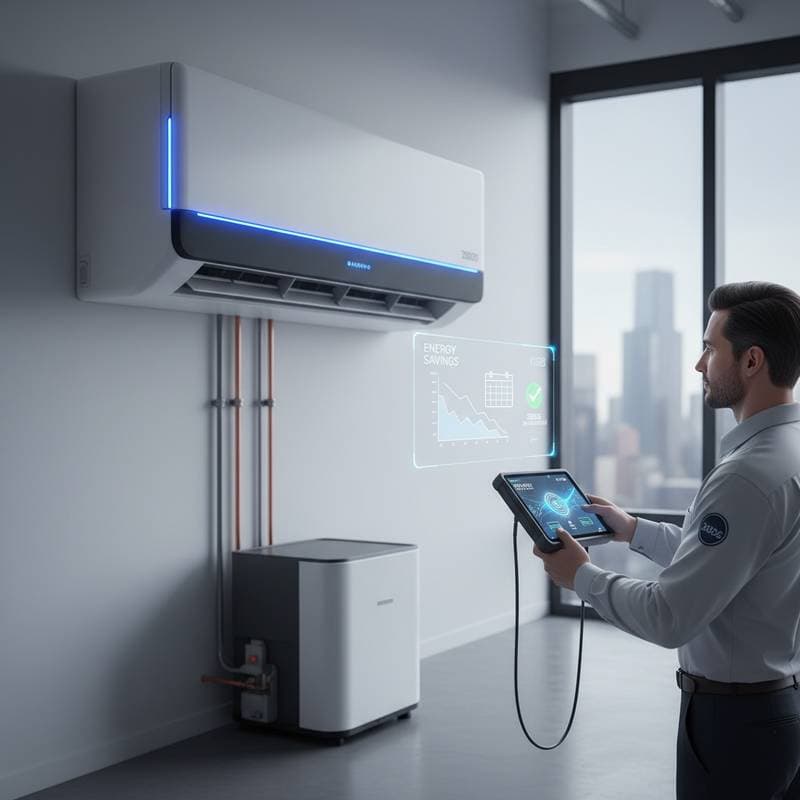
Why 2026 Energy Standards Require Monthly HVAC Maintenance Plans
Monthly HVAC maintenance plans represent a critical step for homeowners as new energy efficiency standards prepare to take full effect in 2026. These plans ensure compliance with regulations, prevent expensive system failures, and prolong the operational life of heating and cooling equipment. In an era of increasing energy oversight and advanced technology, such plans evolve from optional services into essential strategies for sustained comfort and economic prudence.
| Benefit | Why It Matters |
|---|---|
| Reduced Energy Expenses | Scheduled tune-ups enhance operational efficiency, which lowers utility bills each month |
| Minimized Emergency Interventions | Anticipatory maintenance identifies issues early to avert system failures |
| Prolonged Equipment Durability | Regular upkeep mitigates degradation and delays the need for full replacements |
| Alignment with Regulatory Updates | Services maintain equipment in accordance with emerging energy efficiency mandates |
| Expedited Service Access | Participants in plans receive accelerated response times and reduced fees |
Typical Costs for Monthly HVAC Maintenance Plans
Homeowners generally encounter fees ranging from $15 to $45 per month for a standard residential HVAC maintenance plan. Pricing varies based on equipment specifications, the quantity of units involved, and the depth of services provided. Advanced options that encompass component replacements and expedited appointments may extend to $60 monthly, whereas fundamental inspection packages approach $10 per month.
Common Plan Categories
-
Basic Preventive Package
This level addresses seasonal evaluations, filter substitutions, and efficiency assessments. -
Standard Upkeep Package
Services extend to coil sanitation, thermostat adjustments, and safety verifications for heating and cooling components. -
Advanced Predictive Package
Enhancements include intelligent diagnostics, prioritized repair arrangements, and concessions on replacement parts.
Elements Influencing the Cost of Monthly HVAC Plans
Multiple variables determine the monthly expense of an HVAC plan, particularly as technological advancements and efficiency demands intensify.
Age and State of Equipment
Systems exceeding ten years in age demand more intensive servicing. Technicians perform extra sanitation and evaluations to sustain functionality in older units. Contemporary models with integrated digital sensors necessitate specialized tools for diagnostics, which may elevate costs marginally yet diminish future expenditure on repairs.
Configuration and Scale of Systems
Residences with expansive layouts, multiple climate zones, or combined furnace and air conditioning setups require extended maintenance durations. Central air handlers, heat pumps, and ductless configurations each present distinct servicing protocols that adjust plan pricing.
Incorporation of Advanced Features
Current HVAC installations integrate intelligent thermostats and remote monitoring platforms. Plans featuring electronic performance logs or failure forecasting provide precise alerts for interventions, thereby preventing disruptions. These sophisticated elements impose a modest surcharge but yield substantial savings by avoiding urgent fixes.
Regional Labor and Economic Factors
Plan rates mirror prevailing technician wages and cost-of-living indices. Regions experiencing elevated demand for HVAC professionals exhibit higher premiums. Commitment to a fixed plan shields subscribers from fluctuations in ad-hoc service charges during peak seasons.
Categories of HVAC Maintenance Plans
Maintenance plans differ significantly in scope and application. Selecting the appropriate type aligns coverage with specific equipment needs and financial parameters.
Preventive Maintenance Plan
Ideal for: Owners of recently installed systems still under manufacturer warranties.
Advantages
- Preserves warranty validity through routine checks
- Maintains economical monthly rates
- Suits conventional yearly servicing routines
Disadvantages
- Excludes concessions on repairs
- Restricts advanced testing capabilities
Full-Service Maintenance Plan
Ideal for: Properties with maturing equipment or intensive seasonal operation.
Advantages
- Encompasses thorough sanitation and adjustments
- Delivers reductions on components and workmanship
- Grants scheduling precedence
Disadvantages
- Involves elevated monthly payments
- Lacks extensive failure prediction tools
Predictive Maintenance Plan
Ideal for: Technologically equipped residences and innovation-oriented individuals.
Advantages
- Leverages sensor inputs to anticipate malfunctions
- Curtails operational interruptions and urgent visits
- Supplies instantaneous efficiency evaluations
Disadvantages
- Demands integration with compatible intelligent hardware
- Carries a moderate cost increase
Indicators That Warrant a Monthly HVAC Plan
A seemingly operational system may still signal the value of structured maintenance. Recognize these symptoms to determine readiness for enrollment.
- Inconsistent temperatures across living spaces
- Escalating utility charges without usage changes
- Unusual sounds or scents during system activation
- Irregular air distribution from outlets
- Excessive on-off cycling of the unit
- Absence of recent expert inspections
- Apprehension regarding adherence to forthcoming efficiency norms
Addressing these through a monthly plan stabilizes operations, curbs impending expenses, and equips the system for regulatory transitions.
Procedures in HVAC Maintenance Under a Monthly Plan
Enrollment in a monthly plan initiates a systematic approach to uphold system reliability.
-
Preliminary Equipment Assessment
Technicians examine the HVAC apparatus, ventilation pathways, and control devices to establish initial performance benchmarks. -
Scheduled Monthly or Seasonal Inspections
Visits incorporate filter renewals, decontamination, and functional trials. Advanced plans extract insights from linked sensors. -
Efficiency Documentation
Subscribers obtain reports detailing unit status, consumption metrics, and suggested corrections. -
Preemptive Corrections
Emerging concerns receive prompt attention, including deteriorated components, coolant deficiencies, or circuit irregularities. -
Performance Enhancement
Adjustments to controls and circulation optimize user satisfaction and resource conservation. -
Continuous Surveillance
In predictive frameworks, embedded monitors track metrics and notify providers of required actions.
Labor Expenses and Prospective Savings in HVAC Maintenance
Workforce costs constitute a substantial share of HVAC servicing outlays. An isolated urgent repair session ranges from $150 to $400, exclusive of materials. Monthly plans distribute these burdens annually and frequently apply labor discounts.
Importance of Consistent Labor Expenses
As efficiency mandates evolve, professionals require credentials in contemporary protocols and coolant management. This expertise commands higher rates, positioning fixed plans as cost-effective avenues for specialized assistance without surprise invoices.
Cumulative Financial Benefits
Optimized systems achieve up to 20 percent reductions in energy use, translating to annual savings in the hundreds. Sidestepping a single significant failure surpasses the total plan investment.
Common Inquiries Regarding Monthly HVAC Plans
Does a monthly HVAC plan provide sufficient value?
Affirmative. Routine servicing expenses pale in comparison to those of crises or overhauls. Regular evaluations and regulatory conformity deliver assurance.
In what manner do predictive HVAC plans function?
These plans employ sensors and analytical tools for ongoing performance oversight. Anomalies in metrics trigger provider notifications for timely interventions, forestalling failures.
Is enrollment feasible for aging systems?
Certainly. Legacy equipment derives maximum advantage from steady attention, prolonging utility and ensuring safety pending upgrades.
Do monthly plans encompass parts and fixes?
Fundamental packages typically omit parts, though extensive variants offer rebates or limited inclusions. Scrutinize contract terms for clarity.
How do maintenance plans bolster energy efficiency?
Periodic decontamination, adjustments, and calibrations sustain peak performance. Such measures curtail consumption and facilitate standard compliance.
Is coverage necessary for both heating and cooling?
Indeed. Seasonal distinctions notwithstanding, unified maintenance benefits both. Dual inclusion often incurs minimal extra cost.
Steps to Secure Reliable Home Climate Control
Monthly HVAC maintenance plans transition into indispensable tools amid stricter energy policies and diagnostic innovations. Proactive enrollment safeguards comfort, moderates expenses, and readies systems for regulatory demands. Initiate coverage today to foster enduring efficiency and tranquility.