Save $800 Annually: DIY Strategies to Navigate the 2026 HVAC Technician Shortage
Addressing the 2026 HVAC Technician Shortage Through Homeowner Involvement
The projected HVAC technician shortage in 2026 presents significant challenges for homeowners dependent on professional interventions to sustain system performance. Limited technician availability coupled with escalating labor expenses prompts many individuals to adopt DIY HVAC maintenance approaches. These methods enable savings of up to $800 annually on repairs and energy expenditures, while preserving equipment condition.
This resource delineates how such maintenance mitigates shortage impacts, identifies key safe tasks for implementation, and provides guidance for year-round efficiency. Homeowners who integrate these practices achieve greater control over their heating, ventilation, and air conditioning systems.
Mechanisms by Which DIY Maintenance Yields Up to $800 in Annual Savings
Essential Tasks to Avert Expensive System Failures
Routine upkeep forms the foundation of cost-effective HVAC management. The following table outlines primary DIY activities, their projected savings, and procedural overviews.
| DIY Task | Estimated Annual Savings | Description |
|---|---|---|
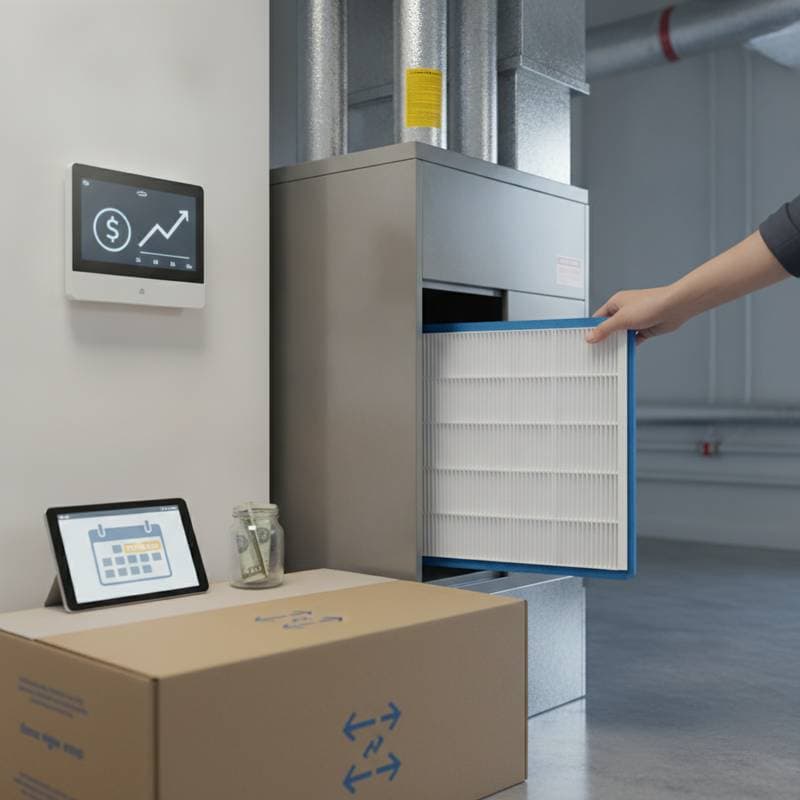
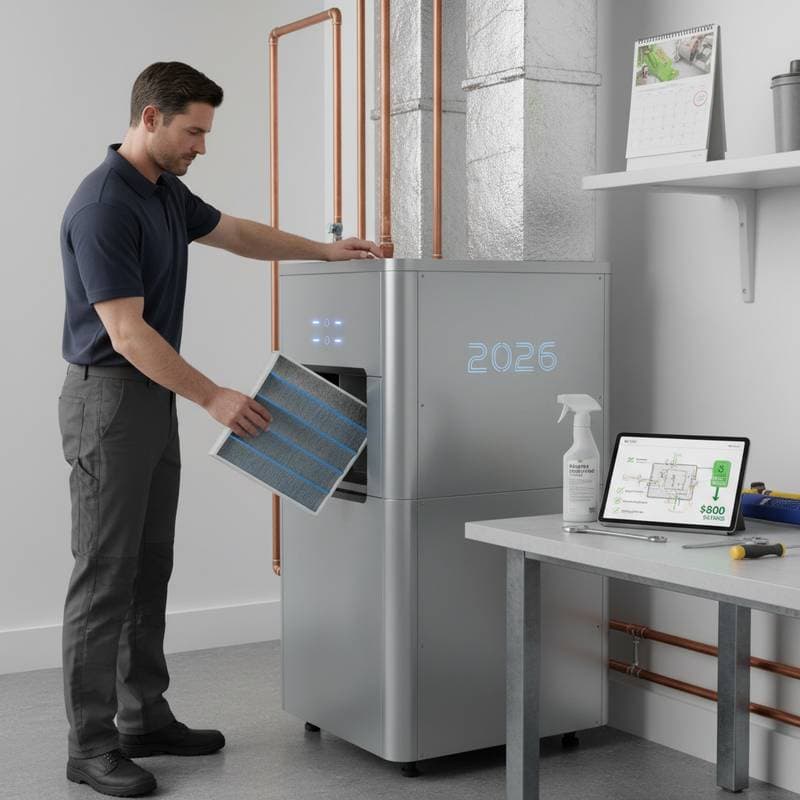
| Replace air filters monthly | $100 – $200 | Dirty filters restrict airflow, compelling the system to labor harder and consume excess energy. Select filters with a MERV rating of 8 to 13 based on your unit specifications, and install them by turning off power, removing the old filter, sliding in the new one with arrows pointing toward airflow direction, then restoring power. |
| Clean condenser coils annually | $150 – $250 | Accumulated dirt on outdoor coils hampers heat dissipation, elevating operational costs. Shut off the unit, use a garden hose with low pressure to rinse coils from inside out, avoiding high-pressure washers that could bend fins; straighten any bent fins gently with a fin comb. |
| Inspect refrigerant lines and insulation seasonally | $100 – $150 | Compromised insulation leads to energy loss through heat transfer. Examine lines for wear or gaps, apply new foam insulation sleeves where needed, and secure with tape, ensuring no kinks in the lines that might restrict refrigerant flow. |
| Remove debris from outdoor unit quarterly | $50 – $100 | Obstructions around the condenser block ventilation, risking overheating. Turn off power, clear leaves, dirt, and vegetation within two feet of the unit using a soft brush or vacuum, then level the surrounding ground to prevent future accumulation. |
| Seal ductwork leaks using foil tape biannually | $150 – $200 | Leaky ducts waste up to 30 percent of conditioned air. Access accessible ducts in attics or basements, clean surfaces, apply mastic sealant to joints for durable adhesion, then reinforce with foil tape; test for leaks by feeling for air escape with your hand. |
When executed consistently, these measures yield combined savings ranging from $600 to $800 per year, influenced by factors such as system capacity, household occupancy, and regional utility rates. Track your progress with a maintenance log to quantify improvements in energy bills.
Safety Protocols for Effective DIY HVAC Upkeep
Homeowners can undertake basic maintenance with minimal risk by adhering to established precautions. Refrain from manipulating electrical connections, handling refrigerants, or disassembling compressors, as these actions demand professional expertise and certification.
Observe signs warranting expert intervention, including irregular operational sounds, uneven temperature distribution, or evaporator coils covered in ice. Such indicators signal underlying issues beyond preventive care. Always disconnect power before commencing any task to eliminate electrical hazards.
Establishing Sustainable Practices for HVAC Self-Reliance
Cultivating Habits for Enduring System Health
With diminishing technician resources on the horizon, proficiency in fundamental maintenance equips homeowners for financial autonomy and operational resilience. Consistent cleaning routines, vigilant inspections, and timely filter changes prolong equipment longevity by several years and diminish emergency service dependencies.
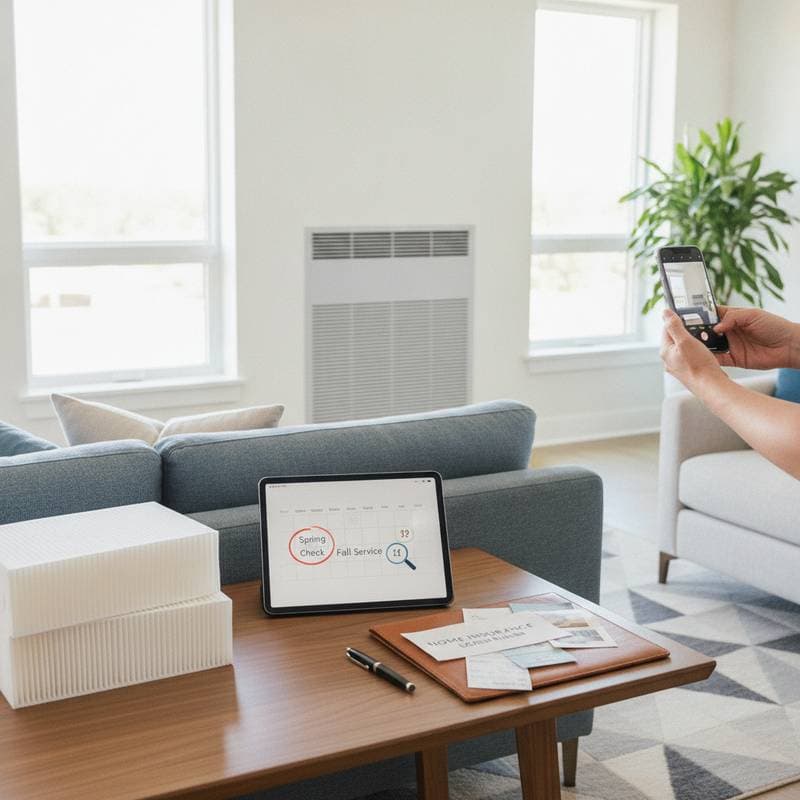
Incorporate these practices into seasonal checklists: spring and fall for comprehensive reviews, summer and winter for targeted efficiency checks. This proactive stance not only curbs costs but also fosters a healthier indoor environment.
Key Inquiries for Evaluating Technician Services
When professional aid becomes essential, pose these questions to ensure quality and transparency:
- Do you hold current licensing and insurance coverage?
- What availability exists for scheduling services?
- Are maintenance agreements or priority access options provided?
- What rates apply to hourly labor?
- Will a detailed written estimate precede any work?
- What interim homeowner tasks do you suggest to optimize intervals between visits?
Integrating disciplined DIY efforts with selective professional engagements secures year-round thermal comfort and insulates against escalating expenses amid the 2026 HVAC technician shortage.