
Why Homeowners Switch to Monthly HVAC Plans
Monthly HVAC service plans have emerged as the preferred option for homeowners seeking predictable costs, reliable comfort, and reduced instances of unexpected repairs. Rather than facing substantial expenses from emergency fixes or yearly tune-ups, individuals opt for subscription-based maintenance that distributes costs evenly over time. These arrangements integrate financial control with preventive measures, which extend equipment longevity and enhance operational performance.
The transition to monthly HVAC plans stems from enhanced convenience, economic value, and advancements in predictive maintenance technology that detect issues prior to escalation into major failures. This overview details the mechanics of these plans, their components, and the reasons for their rising adoption among homeowners prioritizing tranquility.
| Feature | Benefit |
|---|---|
| Average Monthly Cost | $15 - $45 per household |
| Typical Annual Savings | Up to 20% on repairs and energy costs |
| Included Services | Seasonal tune-ups, filter changes, priority repair scheduling |
| Common Add-Ons | Smart diagnostics, extended warranties, emergency coverage |
| Contract Options | Month-to-month or annual subscription |
Average Monthly HVAC Plan Costs
Homeowners typically allocate between $15 and $45 each month for an HVAC maintenance plan. Entry-level options encompass seasonal evaluations and filter exchanges, whereas extensive packages address repairs, provide component discounts, and offer emergency assistance.
The yearly expense for a conventional plan ranges from $180 to $540, yet participants view this outlay as justified due to the avoidance of unforeseen repair invoices. Advanced packages incorporating intelligent oversight or prolonged guarantees may climb to $60 or $80 monthly, frequently offsetting their price through prolonged equipment durability and diminished energy loss.
Typical Plan Types and Costs
| Plan Type | Monthly Cost | Key Features |
|---|---|---|
| Basic Maintenance | $15 - $25 | Seasonal tune-ups, filter replacements |
| Standard Protection | $25 - $45 | Includes repairs, parts discounts, 24-hour priority service |
| Premium Predictive | $45 - $80 | Smart monitoring, remote diagnostics, full coverage on parts and labor |
Key Factors That Affect Monthly HVAC Plan Price
Multiple elements determine the expense of a maintenance subscription. Grasping these influences enables selection of an appropriate plan aligned with equipment specifications and financial parameters.
System Type and Size
Expansive systems or configurations with multiple zones demand higher maintenance fees owing to increased parts and labor requirements. Servicing a single-stage furnace or central air conditioner proves less costly than attending to a variable-speed heat pump or ductless multi-zone arrangement.
Service Coverage Level
Arrangements limited to fundamental assessments and cleanings carry lower fees, in contrast to comprehensive ones that encompass repairs, components, and urgent interventions. Greater scope in protection correlates with diminished unforeseen expenditures down the line.
Equipment Age and Condition
Aging HVAC units necessitate more regular attention. Certain providers apply modest premium rates to older installations, accounting for elevated upkeep demands and breakdown probabilities.
Smart Technology and Predictive Features
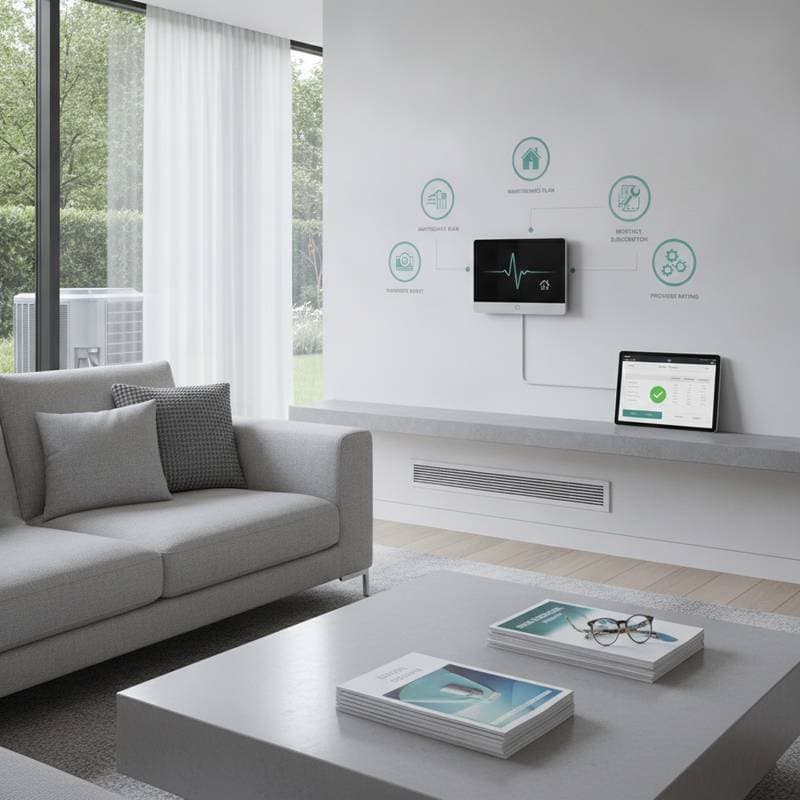
Contemporary HVAC setups featuring intelligent sensors or Wi-Fi thermostats integrate with predictive maintenance initiatives. These programs analyze equipment data to anticipate malfunctions, thereby conserving funds and preserving comfort. Incorporating predictive oversight incurs a minor additional fee yet averts significant repair outlays.
Local Labor Rates
Regional disparities in service pricing arise from variations in technician compensation and market demand. Metropolitan zones frequently exhibit elevated labor charges, impacting overall plan costs.
Types of HVAC Maintenance Plans
Service plans differ in scope and depth. Familiarity with available choices facilitates determination of suitable protection levels for residential requirements.
Basic Preventive Plans
Such plans emphasize scheduled upkeep to sustain cleanliness and efficiency.
Pros:
- Minimal monthly expense
- Encompasses seasonal evaluations
- Supports adherence to warranty stipulations
Cons:
- Excludes repair or component coverage
- Restricts emergency assistance
Standard Protection Plans
This midway selection merges upkeep with partial repair safeguards.
Pros:
- Expedited repair appointments
- Reductions on components and labor
- Addresses minor anomalies identified in assessments
Cons:
- Certain substantial repairs incur additional charges
Premium Predictive Plans
Upper-tier options integrate intelligent diagnostics and complete repair safeguards.
Pros:
- Early warnings for anomaly detection
- Comprehensive inclusion for components and labor
- Suited for proprietors of sophisticated or energy-efficient units
Cons:
- Elevated monthly fee
- Necessitates compatible intelligent hardware
Signs You Should Consider a Monthly HVAC Plan
A maintenance subscription merits evaluation if these circumstances pertain to the residence:
- Multiple unanticipated HVAC interventions have occurred in recent years
- The system exceeds ten years in age
- Preference exists for steady monthly allocations over sporadic large payments
- Seasonal evaluations often escape scheduling
- Automated notifications and expedited appointments appeal
- Compliance with warranty protocols through consistent servicing is desired
Such plans prove particularly advantageous for households with demanding routines or oversight of several properties. They guarantee operational efficiency without perpetual monitoring.
The HVAC Maintenance Process Under a Monthly Plan
Subscription frameworks streamline HVAC servicing protocols. Homeowners generally encounter the following sequence:
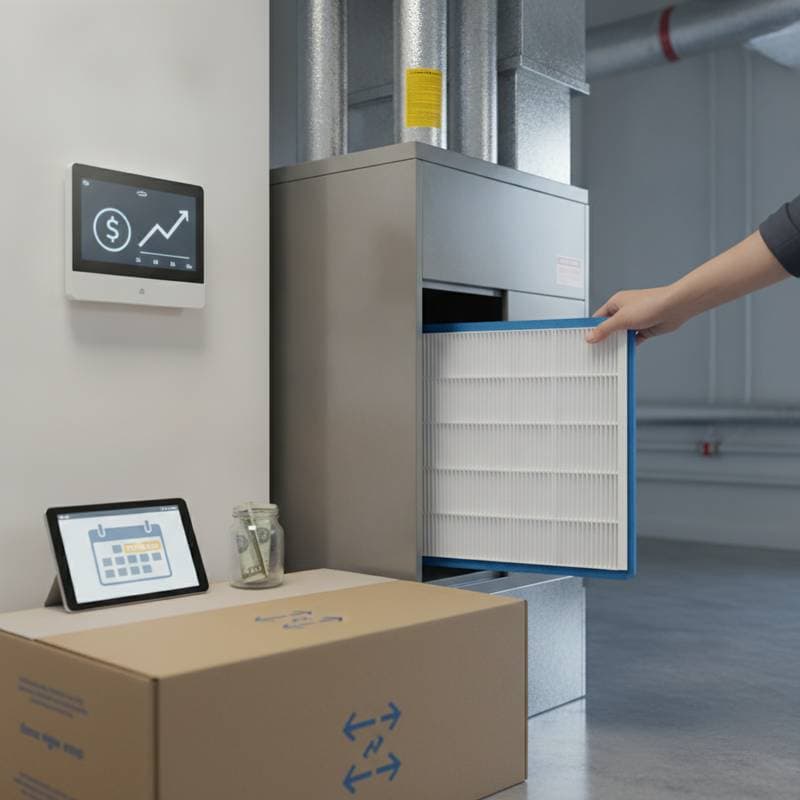
- Initial Inspection: Technicians conduct thorough evaluations, verifying refrigerant quantities, thermostat operations, and air circulation.
- System Cleaning: Evaporator coils, filters, and drainage paths receive thorough cleansing to optimize performance.
- Performance Testing: Specialists gauge temperature variations and scan for latent concerns through calibrated instruments.
- Predictive Monitoring Setup: Intelligent plans involve installation of sensors or Wi-Fi interfaces to observe operational metrics.
- Seasonal Visits: Arrangements typically schedule two or more annual sessions to ready the system for thermal transitions.
- Automatic Reminders and Reports: Participants obtain alerts for impending services alongside electronic summaries of equipment status quo.
- Priority Service: Breakdowns trigger accelerated responses and reduced repair tariffs.
This methodology sustains seamless yearly operation, curtailing minor discrepancies from evolving into expensive overhauls.
HVAC Labor Costs and Plan Savings
Workforce expenses constitute a primary component of HVAC upkeep. An isolated urgent repair may tally hundreds of dollars, amplified by off-peak surcharges and part substitutions. Monthly plans apportion these costs while assuring dependable aid.
Average Labor Costs Without a Plan
- Diagnostic Service Call: $80 - $150
- Standard Hourly Labor: $85 - $125 per hour
- Emergency After-Hours Call: $150 - $250 per hour
Savings With a Monthly Plan
Participants frequently realize 10% to 25% reductions in yearly HVAC expenditures via bundled upkeep and concessions on components and labor. Predictive variants diminish major failure incidences through timely identifications, thereby curtailing cumulative repair investments.
Frequently Asked Questions About Monthly HVAC Plans
How do monthly HVAC plans save money?
Regular interventions and prompt anomaly revelations avert exorbitant fixes. Efficient operations further diminish utility disbursements by curbing energy use.
Are monthly HVAC subscriptions worth it for new systems?
Affirmative. Routine attentions preserve producer assurances and sustain peak efficiency across the equipment lifecycle.
Can I cancel a monthly HVAC plan anytime?
Providers commonly permit month-to-month terms, although annual pledges may secure preferential rates. Scrutinize termination clauses prior to initiation.
Do these plans cover both heating and cooling systems?
Yes. Thorough plans address furnaces and air conditioners alike. Extensions often include heat pumps, air handlers, and humidifiers.
What is predictive maintenance in HVAC?
This approach leverages sensor-derived real-time intelligence to project component deteriorations. Advance notifications enable scheduled corrections over crisis responses.
How often will technicians visit under a monthly plan?
Standard arrangements feature two yearly programmed inspections, aligned with cooling and heating preparations. Select premium variants incorporate quarterly assessments or virtual surveillance.
Is a maintenance plan better than paying for service as needed?
For the majority of residents, yes. Subscriptions yield cost predictability, lowered failure risks, and augmented equipment dependability over extended periods.
Making It Happen: Choosing the Right HVAC Plan for Your Home
Monthly HVAC plans furnish a straightforward method to safeguard comfort infrastructure, regulate finances, and mitigate urgent repair anxieties. In evaluations, emphasize critical aspects such as visit cadences, protection boundaries, and predictive inclusions.
Commence with an appraisal of equipment vintage and steadfastness. Newer installations may suffice with fundamental or intermediate selections. Advanced or seasoned units benefit disproportionately from premium predictive frameworks, yielding amplified fiscal returns.
Consistent, foreseeable servicing upholds efficiency and tempers energy invoices. Selecting an optimal monthly HVAC plan establishes a robust upkeep regimen that assures comfort, dependability, and sustained economies annually.