
Why 40% of Homeowners Opt for Monthly HVAC Maintenance Plans
Homeowners increasingly turn to structured maintenance options for their heating and cooling systems. Approximately 40% now commit to monthly HVAC plans, which deliver routine care and financial predictability. These arrangements, known as HVAC subscription services or predictive maintenance programs, simplify upkeep, curb unexpected expenses, and promote system reliability. This guide examines the appeal of these plans and assesses their suitability for your household.
Understanding HVAC Subscription Services
An HVAC subscription service functions as a recurring membership that encompasses scheduled inspections, tune-ups, and expedited support for heating and cooling equipment. Participants remit a fixed monthly amount rather than facing substantial one-off charges for repairs. This approach maintains optimal system operation with minimal disruption.
Typical inclusions feature:
- Biannual tune-ups addressing heating in fall and cooling in spring
- Air filter changes alongside inspections of essential components
- Reduced pricing for repairs and urgent calls
- Reserved slots during high-demand periods like summer peaks
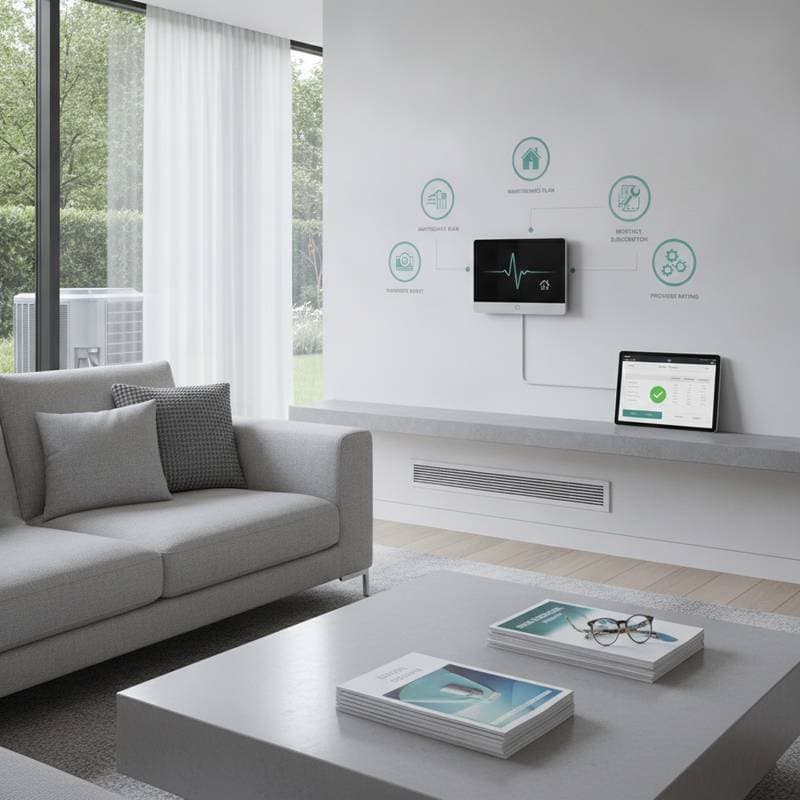
Certain premium offerings incorporate predictive maintenance technology. This involves sensors that track operational data, notifying service providers of irregularities to preempt failures.
Reasons Homeowners Embrace Monthly HVAC Plans
The shift to subscription-based HVAC care stems from practical advantages in convenience, budgeting, and assurance. The following sections detail these drivers.
Predictable Budgeting Through Fixed Payments
HVAC breakdowns often impose steep financial burdens, with average repair costs exceeding $300 for minor issues and thousands for major overhauls. A subscription distributes these potential expenses across consistent monthly fees, typically $20 to $40. This strategy enables precise financial planning and eliminates the shock of irregular bills.
Proactive and Data-Driven Upkeep
Consistent servicing identifies wear early, forestalling severe malfunctions. Predictive elements elevate this by processing usage patterns and environmental factors to forecast problems, such as declining compressor efficiency. Resulting interventions extend system longevity by up to 30%, according to industry benchmarks.
Enhanced Energy Performance
Neglected systems lose efficiency, inflating energy consumption by 10% to 25% annually. Professional tune-ups restore peak function through tasks like coil cleaning and refrigerant adjustment. Subscribers frequently report utility bill reductions of 5% to 15% following regular interventions.
Expedited Access to Service
During weather extremes, standard wait times stretch to a week or more. Memberships grant priority, often securing same-day responses. This perk proves invaluable for families relying on climate control for health and comfort.
Prolonged System Durability
Without maintenance, HVAC units endure accelerated deterioration from dust buildup and component strain. Scheduled checks mitigate these risks, potentially adding five to ten years to equipment life. This delays costly full replacements, which average $5,000 to $10,000.
Standard Elements in HVAC Membership Programs
Providers customize plans, yet core components remain consistent across offerings. These elements foster ongoing system health.
- Biannual comprehensive inspections timed for seasonal transitions
- Discounted labor and parts for any necessary repairs
- Priority booking to bypass standard queues
- Detailed reports outlining efficiency metrics and recommendations
- Optional remote monitoring via connected devices for trend analysis
Such provisions shift maintenance from sporadic fixes to systematic prevention, safeguarding indoor environments effectively.
Elements Influencing HVAC Subscription Pricing
Monthly fees range from $15 to $50, shaped by several variables. Understanding these aids in selecting an optimal plan.
- Equipment scale and complexity: Residential units under 3 tons cost less to service than commercial-grade setups.
- Coverage tier: Entry-level options focus on tune-ups; advanced ones add monitoring and guarantees.
- Unit age and state: Systems over 10 years old demand intensified attention.
- Regional economics: Urban areas with higher wages reflect elevated rates.
- Supplementary services: Plans with duct inspections or annual filter shipments command premiums.
Evaluate inclusions versus exclusions to determine long-term value. Comprehensive coverage often offsets initial costs through averted repairs.
Balancing DIY Efforts with Professional Subscriptions
Homeowners can perform basic tasks to support system health, but subscriptions ensure expert oversight for intricate work.
Simple Self-Maintenance Steps
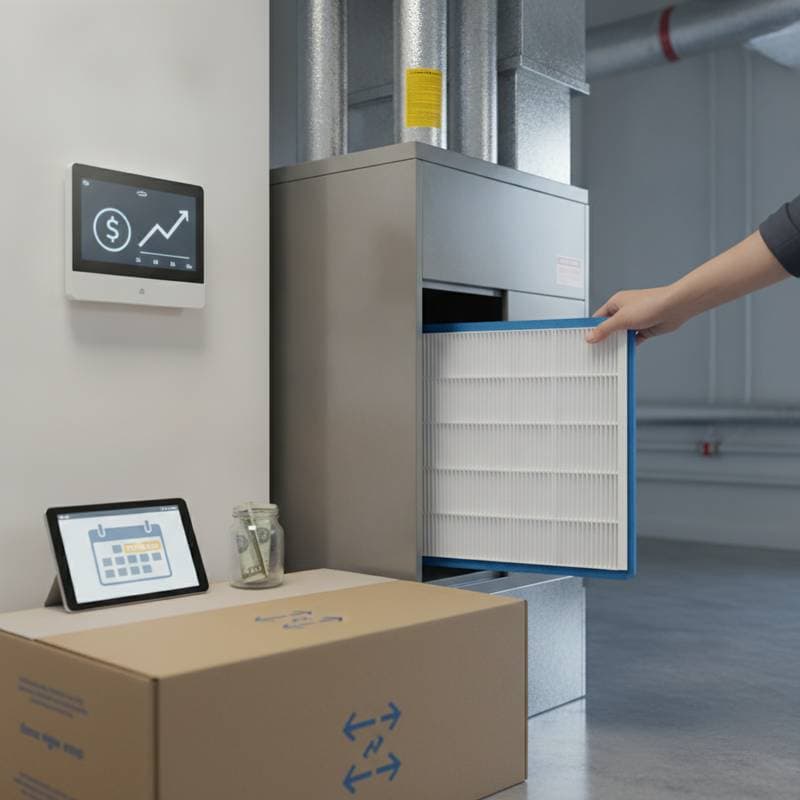
- Swap air filters monthly during heavy use or quarterly otherwise to sustain airflow.
- Clear debris from outdoor condenser coils weekly in growing seasons.
- Ensure indoor vents remain unobstructed to promote even air distribution.
Tasks Requiring Certified Expertise
- Evaluate wiring integrity and refrigerant charge levels for safety compliance.
- Verify burner operation and blower calibration in furnaces.
- Fine-tune programmable thermostats for optimal zoning.
Professionals detect subtle faults, such as refrigerant leaks, that evade amateur inspection. For any electrical or chemical handling, engage licensed technicians to avoid hazards like shocks or environmental violations.
Frequently Asked Questions
What Is the Typical Cost of an HVAC Subscription?
Fees span $15 to $45 monthly, varying with provider, location, and inclusions. Factor in system specifics and desired extras when budgeting.
Do These Plans Generate Savings?
Affirmative; preventive care curtails emergency expenses by 20% to 50%, boosts efficiency, and postpones replacements. Track your first year's costs against prior repair history for validation.
Is Cancellation Flexible?
Providers generally permit exits with 30 days' notice, though some enforce six-month minimums. Review contract fine print to confirm policies.
Are Predictive Maintenance Options Valuable?
They excel for high-stakes reliability, using algorithms to predict failures with 80% accuracy. Ideal for older units or variable climates.
Do Subscriptions Eliminate the Need for Tune-Ups?
No; plans incorporate required tune-ups, typically twice yearly. This built-in scheduling ensures compliance without separate arrangements.
Steps to Select and Implement an HVAC Plan
Transitioning to monthly HVAC care demands informed choices for maximum benefit. Start by assessing your system's age and usage patterns. Contact local providers for quotes, prioritizing those with NATE-certified technicians and transparent terms. Upon enrollment, schedule an initial audit to baseline performance. Monitor quarterly reports to gauge improvements, adjusting as needs evolve. This structured approach secures enduring comfort and efficiency.