8 Spring Tasks to Prevent Summer AC Breakdowns
Prepare your air conditioning system during spring to ensure reliable performance when summer heat arrives. These maintenance steps enhance efficiency, lower energy costs, and minimize the risk of unexpected failures. Follow this guide to maintain consistent cooling and avoid discomfort during peak season.
| Task | Purpose |
|---|---|
| Replace Air Filters | Improve airflow and efficiency |
| Clean Outdoor Unit | Prevent blockages and overworking |
| Inspect Ductwork | Stop air leaks and energy loss |
| Check Thermostat Settings | Ensure accurate temperature control |
| Test Run the AC | Identify problems early |
| Clear Drain Lines | Prevent water leaks and mold |
| Tighten Electrical Connections | Avoid short circuits or power loss |
| Schedule Professional Tune-Up | Maximize performance and longevity |
1. Replace Air Filters for Optimal Airflow
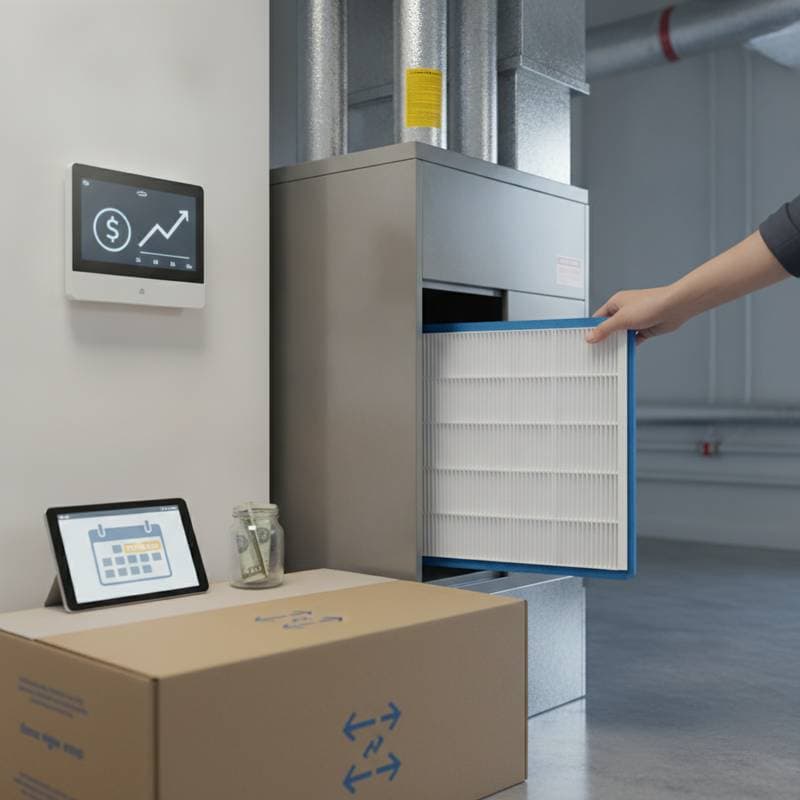
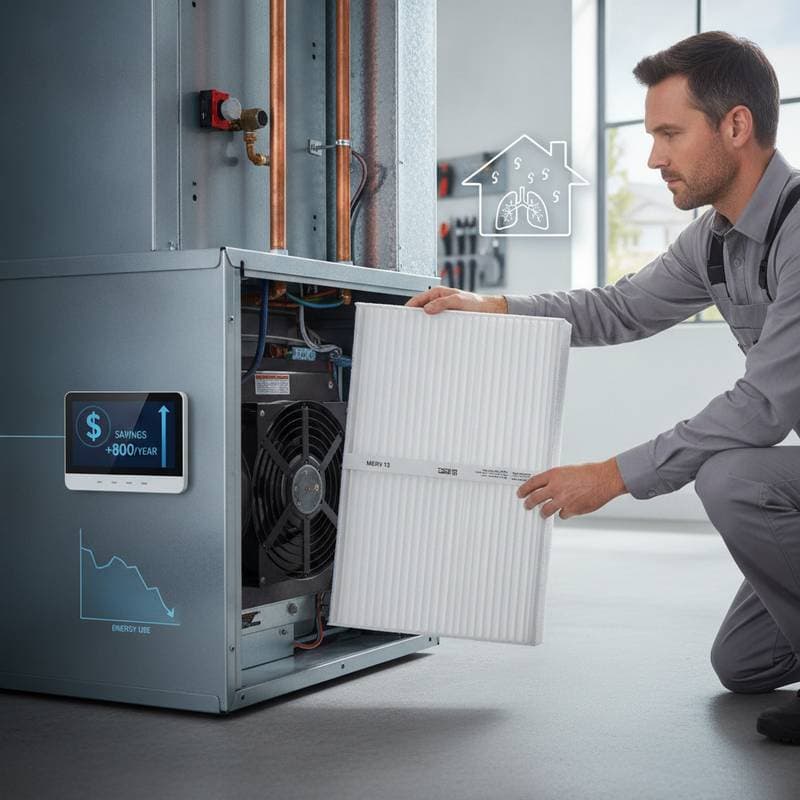
Air filters serve as the primary barrier against dust, pollen, and other airborne particles in your HVAC system. A clogged filter forces the blower to labor excessively, which reduces cooling efficiency and accelerates wear on key components. Install a fresh filter in spring to promote smooth operation and balanced indoor temperatures.
Most residential filters require replacement every one to three months, depending on household factors such as occupancy and air quality. Homes with pets or residents sensitive to allergens benefit from monthly inspections. Select a filter that matches the dimensions specified on your unit's housing, and secure it firmly to prevent air bypass.
2. Clean the Outdoor Condenser Unit
The condenser unit outside expels heat absorbed from indoor air. Winter accumulation of leaves, soil, and organic matter can obstruct its coils, compelling the system to cycle longer and consume more power. Routine cleaning restores unrestricted airflow and safeguards against premature component failure.
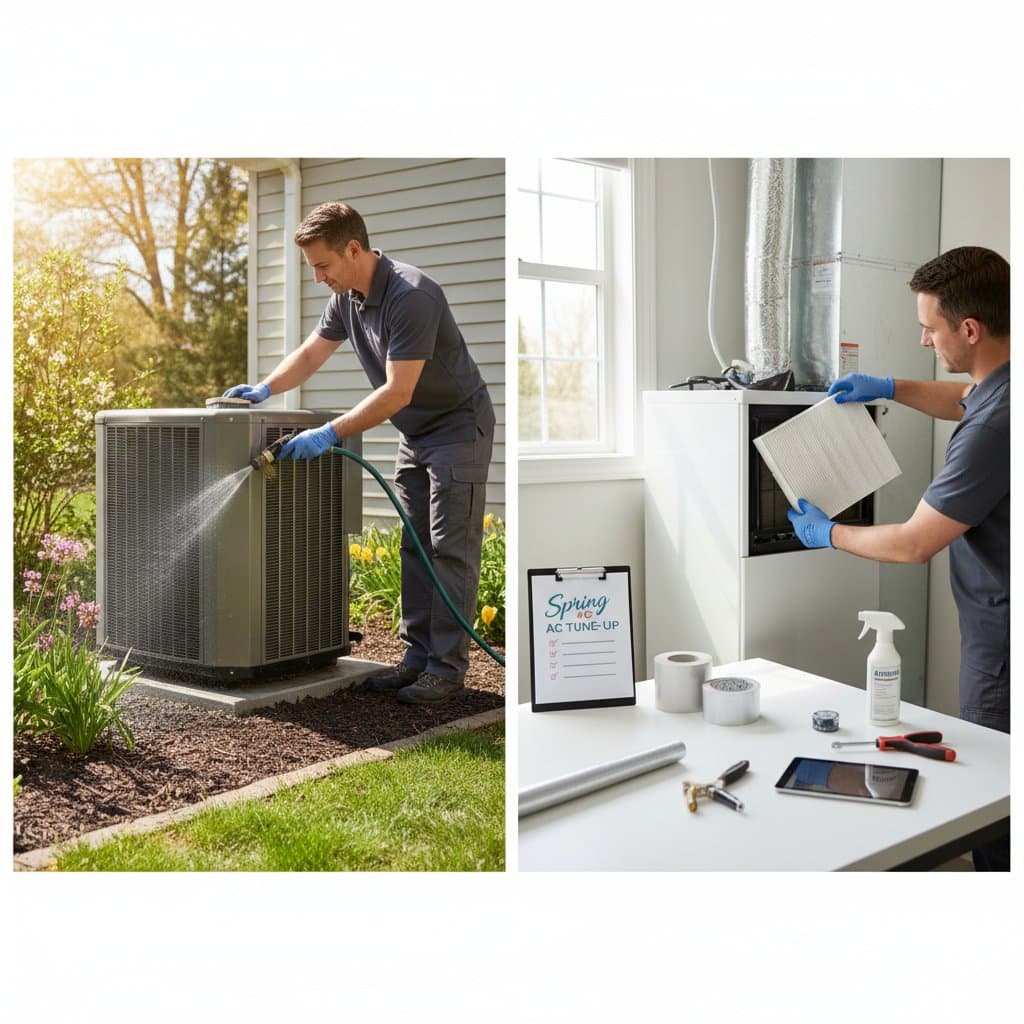
Disconnect power at the circuit breaker before beginning. Clear debris from the unit's base and surrounding area, then use a garden hose on low pressure to rinse the coil fins from the inside out. Straighten any bent fins with a fin comb if needed, and maintain at least two feet of clearance by pruning nearby plants.
3. Inspect and Seal Ductwork
Duct leaks represent a primary source of inefficiency in central air systems, potentially dissipating up to 30 percent of cooled air. This loss results in higher energy demands and inconsistent room temperatures. A thorough spring inspection identifies and addresses vulnerabilities to optimize distribution.
Access your ducts in attics, basements, or crawl spaces to examine seams, joints, and insulation for damage. Apply aluminum foil tape or mastic sealant to seal minor gaps, ensuring full coverage without obstructing airflow. For extensive repairs, engage a specialist to perform a pressure test and comprehensive sealing.
4. Verify Thermostat Settings and Battery Life
An inaccurate thermostat disrupts precise temperature regulation and contributes to unnecessary energy use. Spring offers an ideal opportunity to confirm its calibration against a separate thermometer. Discrepancies exceeding two degrees signal the need for adjustment or upgrade.
Replace batteries in battery-operated models to prevent operational interruptions. Programmable or smart thermostats enable automated adjustments based on occupancy patterns, which conserve energy during unoccupied periods. Installation of these devices often integrates seamlessly with existing wiring.
5. Conduct a Test Cycle on the System
Activate your AC in cooling mode prior to the onset of warm weather to assess overall functionality. Lower the setpoint by several degrees and monitor for prompt delivery of chilled air from registers. This evaluation uncovers subtle issues that could intensify under load.
Observe for indicators such as reduced airflow, atypical vibrations, or insufficient cooling. Cease operation immediately if anomalies appear, and consult a technician for diagnosis. Early detection averts escalation to emergency service during high-demand periods.
6. Clear the Condensate Drain Line
Humidity removal during cooling produces condensate that exits via a dedicated drain line. Buildup of algae, bacteria, or debris in this pipe can cause overflows, resulting in water damage, mold growth, and indoor air quality degradation. Preventive flushing maintains unobstructed drainage.
Identify the drain line as the PVC pipe exiting your indoor evaporator coil. Flush it with a solution of one part distilled white vinegar to ten parts water, or use a mild bleach mixture if mold is suspected. Persistent blockages warrant professional intervention with a wet vacuum or chemical treatment.
7. Tighten Electrical Connections and Examine Wiring
Secure electrical connections prevent intermittent power issues that strain the compressor and other electrical elements. Spring inspections mitigate risks of arcing, overheating, or system shutdowns as demand increases. Address these proactively to uphold safety and reliability.
De-energize the system at the main disconnect before inspection. Visually scan accessible wiring for insulation cracks, corrosion, or looseness, then tighten terminals with a screwdriver. Evidence of scorching or exposed conductors requires immediate professional evaluation to avert hazards.
8. Arrange a Professional AC Tune-Up
Expert servicing uncovers hidden deficiencies that DIY efforts might overlook, ensuring comprehensive system health. Technicians measure refrigerant pressure, lubricate moving parts, and calibrate controls during a tune-up. This process extends equipment lifespan and upholds warranty conditions.
Expect evaluations of static pressure, electrical amperage, and evaporator temperature differential. Many providers offer subscription plans for biannual visits, which include priority response for repairs. Invest in this service annually to achieve measurable gains in performance and cost savings.
Benefits of Spring AC Preparation
Timely maintenance not only averts disruptions but also optimizes energy consumption and environmental impact. Efficient systems require less power to maintain comfort, translating to reduced utility expenses and lower greenhouse gas output. Document all activities to support warranty claims if components fail prematurely.
Homeowners who adhere to seasonal protocols often report fewer service interruptions and prolonged unit durability. This approach fosters a more sustainable household operation while preserving financial resources for other priorities.
Pitfalls to Avoid in AC Upkeep
Overlooking routine filter swaps can lead to evaporator coil icing and compressor overload. Obstructing supply vents with household items impedes circulation and elevates system stress. Deferring professional inspections allows minor faults to compound into significant malfunctions.
Disregard for subtle cues like irregular cycling or refrigerant leaks invites accelerated deterioration. Integrate these checks into your spring routine to sustain peak condition without undue complications.
Financial Advantages of Expert Servicing
Technicians detect inefficiencies that evade casual observation, potentially trimming energy use by 15 percent or more. The expense of routine visits pales against the tariffs of urgent fixes during sweltering peaks. Proactive care defers replacement needs, amplifying return on initial investments.
Consider maintenance agreements for bundled services and discounts on parts. This strategy secures long-term savings alongside uninterrupted cooling reliability.
Frequently Asked Questions on Spring AC Care
How frequently should professional maintenance occur?
Annual tune-ups suffice for most systems, with spring timing preferred to preempt seasonal demands. Technicians address wear from prior use and calibrate for upcoming loads.
What indicates a need for repairs beyond routine maintenance?
Symptoms include inadequate cooling, persistent noises, or unexplained bill increases. Diagnostic tools during tune-ups pinpoint root causes for targeted fixes.
Do contaminated ducts impair AC function?
Affirmative; accumulated particulates hinder airflow and diminish efficiency. Periodic duct cleaning enhances performance and mitigates allergen spread.
Is self-cleaning of coils advisable?
Surface rinsing of exterior coils proves safe with proper precautions, but interior servicing demands professional expertise to avoid fin distortion or refrigerant exposure.
Do smart thermostats yield energy savings?
Indeed, through adaptive programming that aligns with daily routines. Users typically observe reductions in consumption after initial setup.
How can low refrigerant be detected?
Manifestations encompass extended run times, coil frosting, or audible leaks. Certified handling ensures safe replenishment without environmental harm.
Steps to Secure Summer Comfort
Initiate your preparation by tackling filters and visible cleanings, then advance to inspections and testing. Conclude with a technician appointment to validate readiness. These measures fortify your system against heat waves, delivering peace of mind through the season.