
Prevent HVAC Breakdowns with Monthly Maintenance Plans
Unexpected failures in heating, ventilation, and air conditioning systems interrupt daily comfort and impose significant financial burdens. Homeowners who experience a malfunctioning air conditioner during peak summer heat or a furnace outage in winter recognize the urgency and expense of emergency fixes. Monthly HVAC maintenance plans offer a reliable solution to sidestep these disruptions while ensuring optimal system performance throughout the year. This guide explains the essentials of these plans, their operational mechanics, and the compelling reasons they represent a wise investment for residential properties.
Understanding Monthly HVAC Maintenance Plans
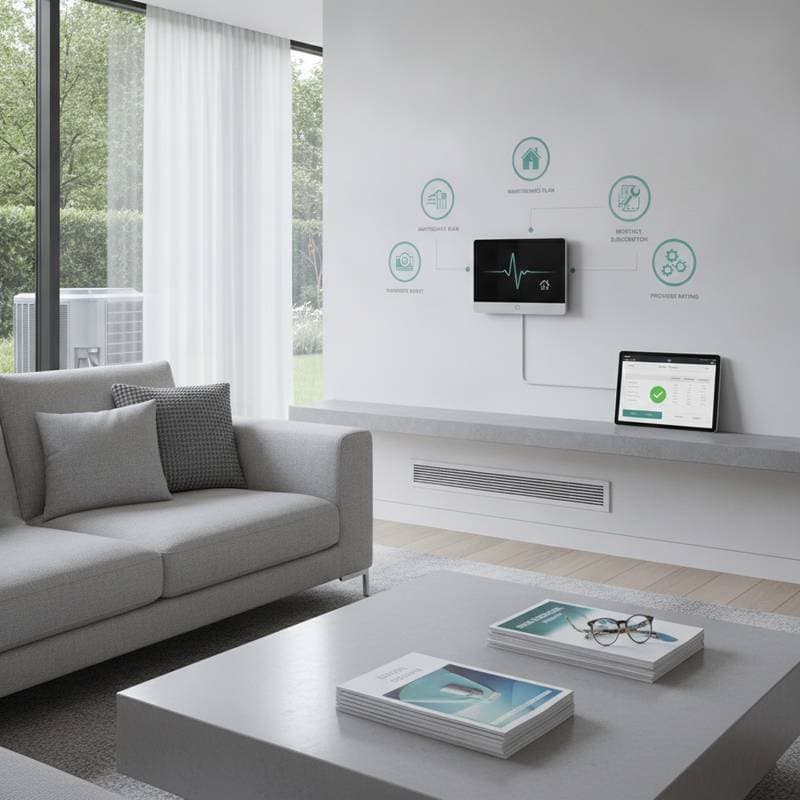
A monthly HVAC maintenance plan functions as a service agreement between a homeowner and a specialized heating and cooling provider. For a modest recurring fee, it delivers systematic inspections, tune-ups, and preventive measures to sustain peak equipment condition. Rather than reacting to breakdowns, certified technicians address potential vulnerabilities proactively.
These arrangements identify minor faults early, averting escalation into substantial overhauls. Costs distribute evenly over twelve months, facilitating budget predictability alongside expedited service and the assurance of expert oversight for the entire HVAC infrastructure.
How Monthly Plans Avert Expensive Repairs
HVAC units operate continuously to regulate air circulation, humidity levels, and indoor temperatures. Gradual degradation of components, accumulation of contaminants, and declining performance occur without intervention. Monthly plans interrupt this progression via routine professional attention.
Early Detection Through Routine Inspections
Technicians conduct thorough examinations of essential elements, including evaporator and condenser coils, blower motors, and wiring assemblies. They secure fasteners, remove accumulated residues, and evaluate indicators of deterioration. Such foresight averts abrupt malfunctions that might otherwise demand repairs ranging from several hundred to thousands of dollars.
Enhanced Performance via Cleaning and Adjustments
Contaminants like dust and pollen force systems to labor excessively, accelerating wear. Scheduled cleanings optimize airflow pathways and alleviate stress on internal parts, thereby prolonging operational longevity. Professionals also fine-tune thermostat settings and verify refrigerant concentrations to promote seamless functionality.
Advanced Predictive Monitoring
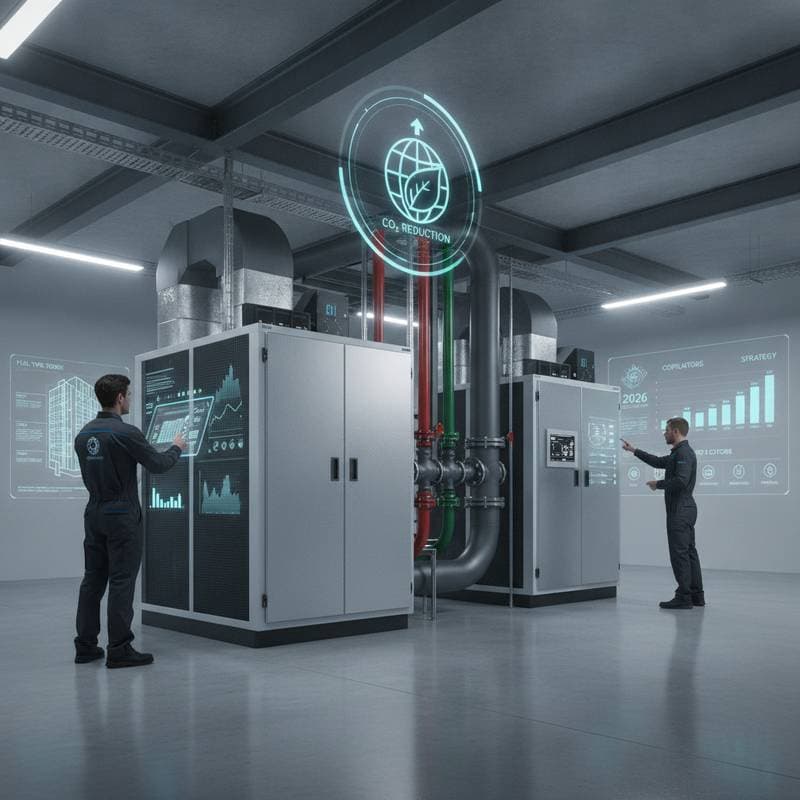
Certain plans incorporate predictive maintenance features, leveraging sensors and analytical software to track real-time operational data. These systems identify anomalies, such as unusual vibrations in the compressor or deviations in airflow rates, prompting preemptive technician responses. This methodology minimizes reliance on reactive interventions and curtails unplanned service requests.
Principal Advantages of Monthly HVAC Plans
Beyond basic servicing, a monthly plan serves as a comprehensive safeguard for both comfort and finances. Homeowners gain the following key benefits:
- Reduced expenses on repairs, as proactive care nips issues in the bud.
- Extended equipment durability through meticulous upkeep and optimal operation.
- Decreased energy consumption, leading to lower monthly utility statements.
- Expedited appointment availability, particularly during high-demand periods.
- Preferential pricing on necessary parts and labor for any unforeseen fixes.
- Unwavering confidence in professional monitoring of the home's climate control.
The Enrollment and Service Process
Enrolling in a monthly HVAC plan establishes an ongoing collaboration with a trusted provider. The following outlines the standard progression post-signup.
Initial Evaluation
A qualified technician begins with a comprehensive assessment of the existing heating and cooling setup. This review identifies current deficiencies and suggests prompt corrections to establish a solid foundation for subsequent maintenance.
Routine Service Appointments
Plans generally schedule a minimum of two in-depth tune-ups annually, timed for preseason preparation in cooling and heating cycles. Each session involves thorough cleaning, lubrication of moving parts, performance testing, and precise adjustments to core systems.
Continuous Surveillance
For plans equipped with predictive tools, integrated devices such as smart thermostats or embedded sensors relay performance metrics remotely. Technicians review this information periodically to detect and address deviations before they impact reliability.
Exclusive Member Perks
Participants typically enjoy preferential booking, elimination of initial diagnostic charges, and markdowns on repair components and workmanship when issues arise.
Comparing Monthly Plans to On-Demand Repairs
Homeowners often evaluate the value of a subscription against the pay-as-you-go repair model. These considerations highlight the distinctions.
Financial Analysis
A single urgent repair might range from $500 to exceed $2,000, influenced by the affected part, equipment model, and regional labor costs. In contrast, a monthly plan equates to a negligible weekly outlay, often under the price of routine beverages. Cumulative advantages in repair avoidance, efficiency gains, and lifespan extension far surpass the subscription expense over time.
Assurance of Safety and Dependability
Amateur attempts at upkeep carry hazards, particularly with high-voltage elements, fuel lines, or chemical refrigerants. Professional plans ensure compliance with safety protocols and industry standards, safeguarding both the system and household well-being.
Steady Climate Regulation
Regular professional attention yields uniform temperature distribution and superior indoor air purity. Homeowners evade the inconsistencies of spotty performance that plague under-maintained units.
Common Inquiries About Monthly HVAC Plans
Do monthly HVAC plans justify their expense?
Affirmative; they yield long-term savings by forestalling major failures and optimizing energy use. The modest fee pales against potential costs for urgent interventions or premature replacements.
What elements comprise a standard HVAC maintenance plan?
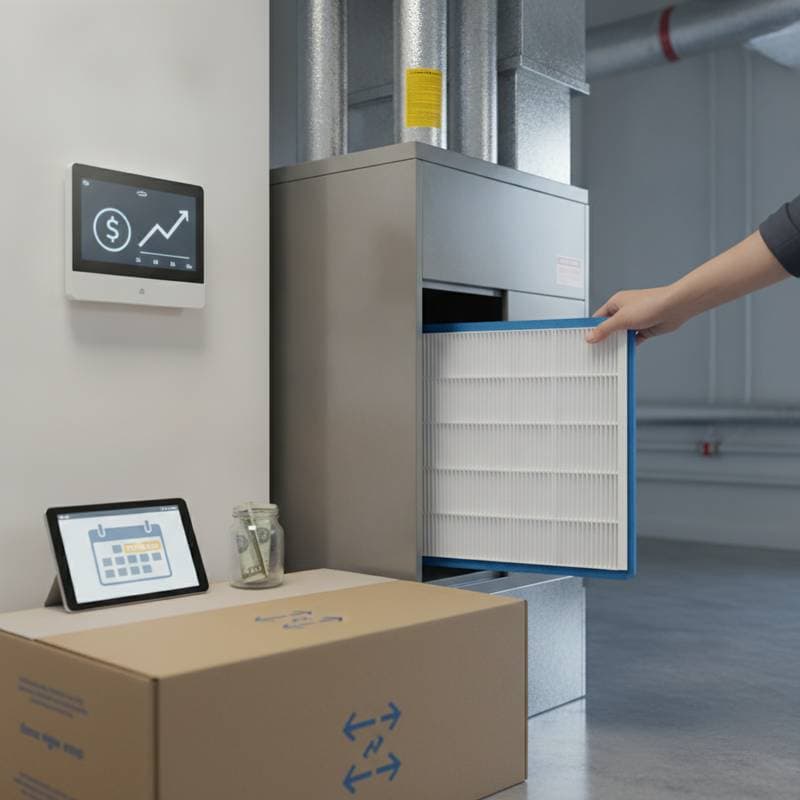
Typical inclusions encompass biannual tune-ups, filter replacements, decontamination procedures, detailed inspections, and preferential service access. Additional offerings may feature rebates on components, labor, or after-hours calls. Examine contract specifics for comprehensive coverage.
Is self-maintenance a viable alternative for HVAC systems?
Basic actions, such as filter swaps or vent clearance, fall within homeowner capabilities. However, intricate procedures involving circuitry or refrigerants necessitate licensed expertise to mitigate risks and ensure efficacy.
How do predictive maintenance components operate?
These systems deploy monitoring hardware and diagnostic algorithms to observe key metrics. Anomalies, like reduced ventilation or extended runtime cycles, trigger notifications to technicians for timely resolution.
What occurs upon plan cancellation?
Providers commonly permit termination at any juncture, potentially with a notice period or minor penalty for premature exit. Discontinuation forfeits scheduled services, promotional rates, and expedited support.
Secure Your Home Comfort Today
Investing in a monthly HVAC maintenance plan transforms reactive repairs into preventive strategy. Homeowners achieve sustained efficiency, cost control, and uninterrupted climate management. Contact a reputable provider to initiate coverage and experience the difference in reliability and tranquility.