Why 40% of Homeowners Choose Monthly HVAC Subscriptions
The Rising Popularity of Monthly HVAC Plans
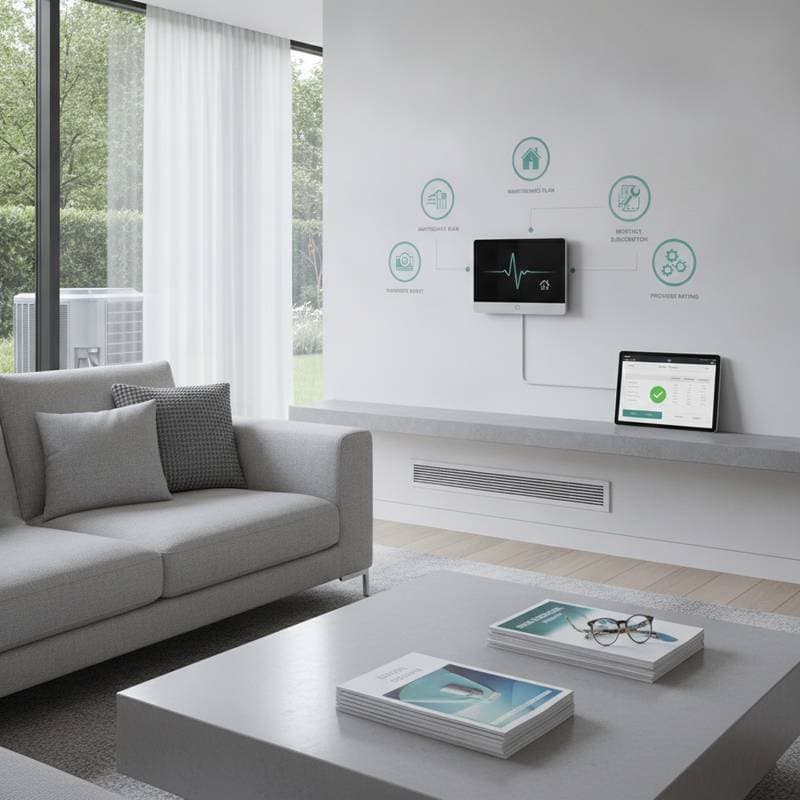
Homeowners increasingly select monthly HVAC subscription plans to maintain heating and cooling systems without unexpected repair expenses. These plans typically range from $15 to $45 per month, based on the service tier and equipment type. Coverage often encompasses seasonal tune-ups, priority emergency scheduling, repair discounts, and parts replacements, which deliver reliable performance and budget stability.
This guide explores the reasons behind their appeal, details on inclusions and pricing, comparisons to one-time services, and tips for selecting an appropriate plan.
Average Costs of Monthly HVAC Subscriptions
Costs for monthly HVAC subscriptions vary by provider, system capacity, and included features. Annual expenses generally fall between $180 and $540, which fund routine inspections and expedited emergency responses.
| Plan Type | Average Monthly Cost | Typical Inclusions |
|---|---|---|
| Basic Plan | $15 – $25 | One annual tune-up, full system inspection, filter replacement |
| Standard Plan | $25 – $35 | Two tune-ups, thorough cleaning, priority scheduling, parts discounts |
| Premium Plan | $35 – $45 | Comprehensive maintenance, repair coverage, emergency response, parts warranty |
Basic plans suit newer installations with low maintenance needs, whereas premium options fit aging or advanced systems requiring intensive attention.
Services Included in Monthly HVAC Subscriptions
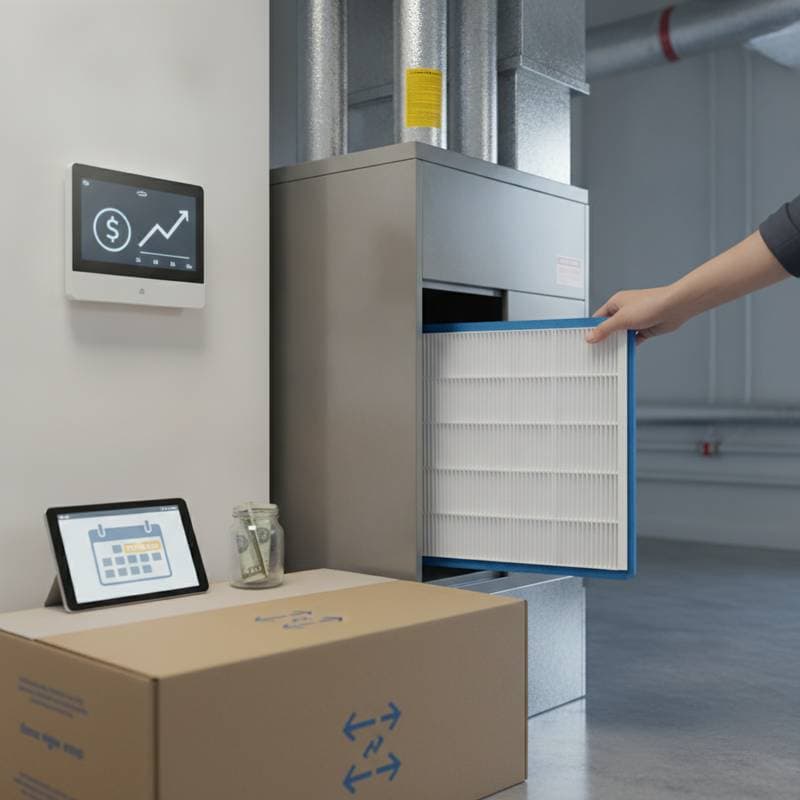
These subscriptions emphasize preventive care to avert significant failures, prolong equipment durability, enhance efficiency, and cut emergency expenses.
Standard Inclusions
- Detailed system inspections to detect potential problems early
- Seasonal tune-ups for both heating and cooling components
- Filter replacement or thorough cleaning
- Thermostat calibration for precise operation
- Condenser coil cleaning to optimize heat exchange
- Lubrication of all moving parts to reduce friction
- Priority scheduling for repairs
- Reduced rates on parts and labor
Higher-tier plans frequently extend to complete repair handling or substantial discounts on major components like compressors and motors, potentially saving substantial amounts over the system's life.
Reasons 40% of Homeowners Opt for Subscription Plans
The surge in monthly HVAC subscriptions stems from financial consistency, ease of use, and operational advantages. Families favor distributing maintenance expenses throughout the year over lump-sum service charges.
Steady Monthly Budgeting
Subscriptions convert erratic repair invoices into fixed payments. Homeowners avoid $300 emergency fees by allocating modest amounts that address prevention and small fixes proactively.
Enhanced System Dependability
Frequent servicing maintains filters, coils, and fans at peak efficiency. This approach wards off breakdowns in harsh weather and sustains even indoor temperatures year-round.
Prolonged Equipment Durability
Scheduled care minimizes stress on critical parts. Improved airflow from clean coils, smooth motor function from lubrication, and precise thermostat settings prevent excessive strain, often adding several years to the unit's serviceable life.
Expedited Service and Cost Reductions
Participants gain priority access, securing quicker resolutions during busy periods. Providers commonly apply 10% to 20% reductions on parts and labor, easing the financial impact of necessary work.
Boosted Energy Efficiency and Reduced Bills
Optimized systems consume less power. Tune-ups verify refrigerant charges, airflow paths, and control settings, yielding efficiency gains that noticeably lower utility costs.
Subscription Plans Versus Traditional Pay-Per-Service Options
Evaluating monthly plans against conventional methods highlights their advantages for many users.
| Maintenance Type | Average Annual Cost | Payment Structure | Key Benefits | Potential Drawbacks |
|---|---|---|---|---|
| Pay-Per-Service | $200 – $600 | Per-visit fees | Scheduling flexibility, no long-term ties | Elevated emergency fees, irregular care |
| Monthly Subscription | $180 – $540 | Fixed monthly installments | Budget predictability, routine service, fast response | Ongoing payments, less flexibility |
Subscriptions prove more economical for properties with dated equipment or in climates demanding intensive HVAC operation.
Factors Influencing Subscription Pricing
Multiple elements determine the expense of a monthly HVAC plan. Awareness of these aids in selecting suitable coverage.
-
System Type and Capacity: Expansive residences or multi-unit configurations demand extended service durations, raising rates. Heat pumps and zoned setups incur additional charges.
-
Visit Frequency: Options with biannual or more frequent checks exceed single-visit plans in cost. Properties in varied climates gain from spring and fall servicing.
-
Equipment Age and State: Aging units necessitate more inspections and replacements, prompting elevated premiums from providers.
-
Coverage Extent: Entry-level plans prioritize prevention, while advanced tiers add repairs, parts, and urgent calls, proportionally increasing fees.
-
Geographic and Labor Variables: Regional wage structures and weather extremes affect pricing. Densely populated or severe-climate zones often carry modest surcharges.
-
Provider Extras: Offerings like air quality assessments, duct evaluations, or incentive programs elevate costs yet enhance overall worth.
Advantages of Preventive Maintenance Through Subscriptions
Preventive strategies form the foundation of effective plans, with inspections and servicing occurring before faults worsen.
Reduced Breakdown Likelihood
Proactive checks uncover issues such as frayed belts, blocked drains, or wiring faults in advance. Addressing these promptly averts extensive repairs costing hundreds.
Superior Indoor Air Quality
Maintained filters and coils limit airborne dust, pollen, and irritants. This fosters a healthier atmosphere, particularly beneficial for allergy sufferers or those with breathing sensitivities.
Reliable Comfort Levels
Consistent tune-ups deliver uniform heating and cooling. Residents enjoy fewer temperature fluctuations and balanced humidity throughout the home.
Sustained Financial Benefits
Recurring fees yield net savings by forestalling major outlays and refining energy use. Properly serviced units can achieve up to 20% greater efficiency compared to unattended ones.
Frequently Asked Questions About Monthly HVAC Subscriptions
How Many Maintenance Visits Does a Subscription Provide?
Plans usually offer one or two annual visits, aligned with spring preparation and fall readiness. These ensure seasonal adaptability and optimal performance.
Do New Systems Benefit from Subscriptions?
Affirmative; routine care preserves warranty conditions set by manufacturers. Subscriptions simplify compliance and safeguard investments.
Does Coverage Extend to Emergencies?
Advanced plans incorporate urgent response options, including expedited appointments or eliminated diagnostic fees during unforeseen failures.
What Are the Cancellation Policies?
Providers generally permit termination with advance notice prior to billing. Prorated refunds may apply for unused annual services.
Can Subscriptions Enhance Property Appeal?
Direct value increases are unlikely, but maintenance records demonstrate diligent care, appealing to prospective purchasers.
How to Select the Ideal Plan?
Assess equipment age, daily reliance, and regional weather. Intensive use or older units warrant standard or premium selections for robust safeguards.
Securing Quotes for HVAC Subscriptions
Provider selection matches plan choice in importance. Quotes from several firms promote competitive rates and full disclosure.
Essential Inquiries for Providers
- Which services comprise the annual package?
- Are filters handled within the fee or extra?
- What costs apply to urgent or off-hour requests?
- Does coverage address both heating and cooling?
- What reductions apply to parts and labor?
- Is the plan portable upon relocation?
- How do cancellations proceed?
- Will consistent technicians handle visits?
- Are surcharges for zoned systems in place?
- What qualifications do service personnel possess?
Clear responses prevent surprises and guarantee dependable, professional care.
Safeguarding Your HVAC Investment
Monthly subscriptions appeal to homeowners seeking steady upkeep, controlled spending, and dependable operation. Distributing maintenance across the year diminishes breakdown risks and maximizes equipment longevity.
For modern efficient models or legacy systems, these plans simplify comfort oversight while curbing energy expenses. Persistent servicing upholds peak function, trims operational costs, and secures tranquility across seasons.