- Enduring musty smells in specific rooms or storage areas
- Moisture accumulation on windows or HVAC outlets
- Apparent mold on walls, ceilings, or furnishings
- Clammy atmosphere or unease despite active air conditioning
- Distorted wooden flooring or flaking paint
- Heightened allergic or breathing difficulties within the home
Should these conditions resonate, indoor humidity probably surpasses the ideal 40 to 50 percent threshold, fostering mold and mite proliferation. Implementation of a whole-home dehumidifier restores balance effectively.
Installation Procedure for Whole-Home Dehumidifiers
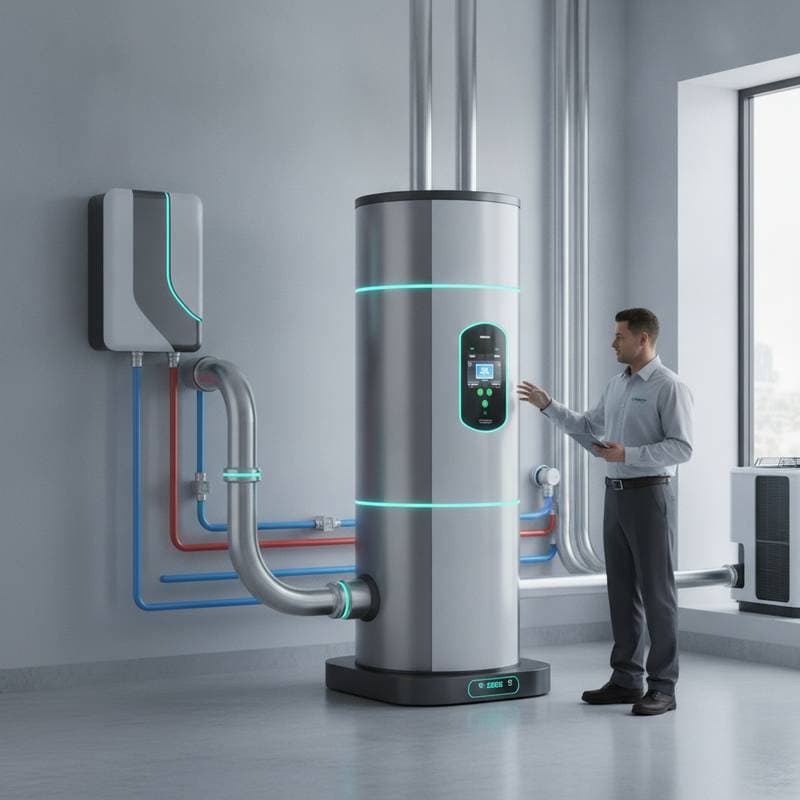
The setup of a whole-home dehumidifier entails methodical phases coordinated by a certified HVAC technician to guarantee integration with the prevailing system.
-
Evaluation and Capacity Determination
Technicians assess square footage, insulation quality, and typical humidity to select an adequately sized unit. -
Model Selection
The suitable apparatus aligns with spatial dimensions, HVAC configuration, and local weather patterns. Recommendations include appropriate controls and sensors for peak efficiency. -
Duct Integration
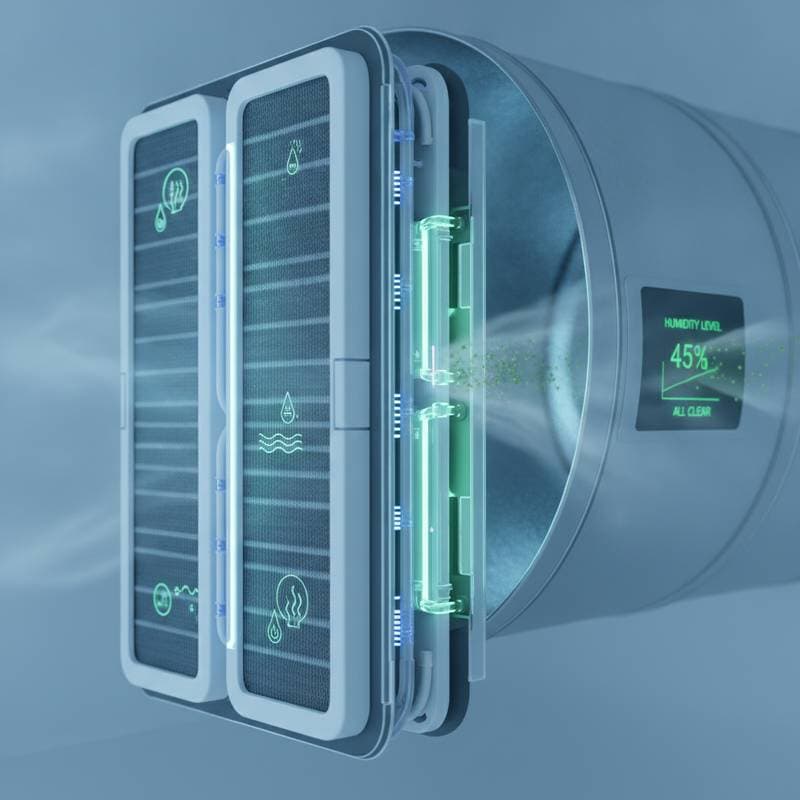
Connection occurs to return or supply ducts, enabling moisture-laden air intake and even dry air dispersion. -
Moisture Drainage Arrangement
Collected water routes to a drain or pump, averting accumulation or spillage hazards. -
Wiring for Power and Controls
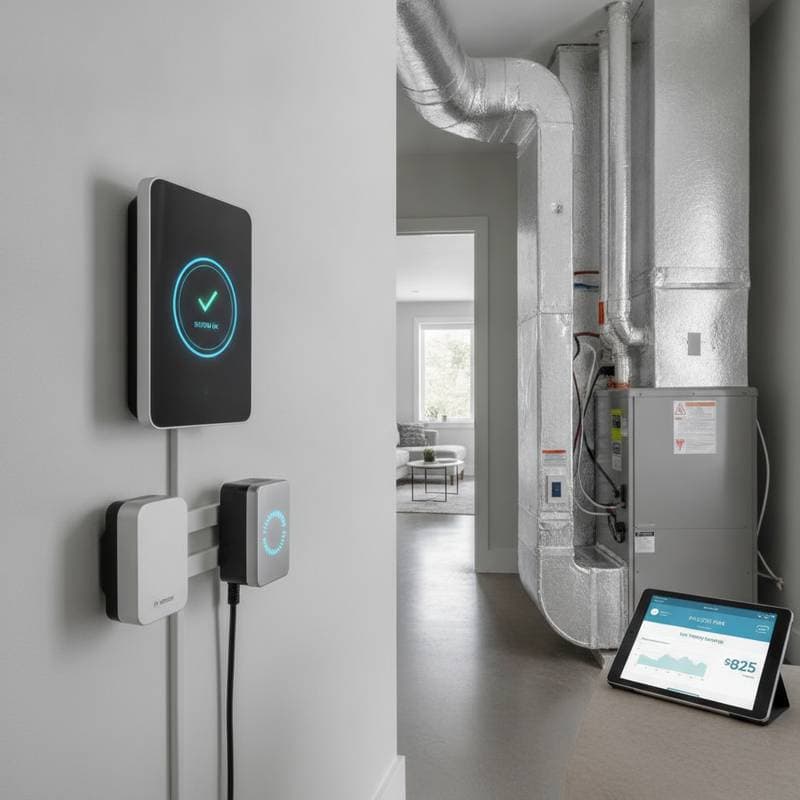
Electrical connections establish, linking to the HVAC thermostat or an independent humidity regulator. -
Performance Verification and Adjustment
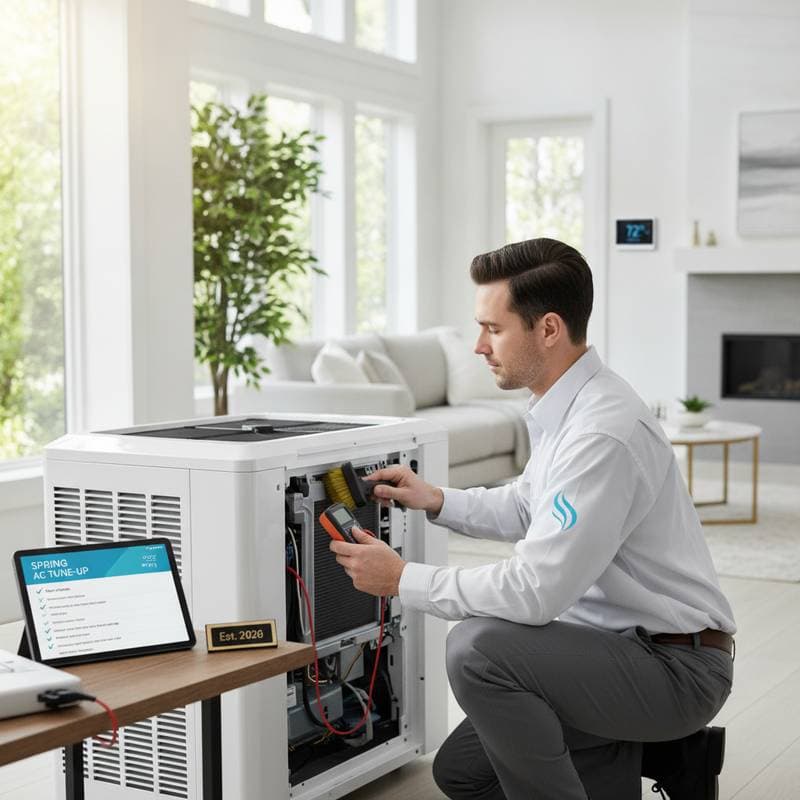
Airflow, humidity metrics, and automated functions undergo testing, with refinements for optimal and equitable operation.
Completion generally spans one day, although intricate duct adjustments may extend the timeline.
Labor Expenses for Whole-Home Dehumidifier Installation
Installation labor constitutes a major share of the overall cost, averaging $600 to $1,200 based on system intricacy.
Elements Affecting Labor Pricing
- Access Challenges: Confined attics or subfloor regions prolong effort.
- Duct Alterations: Modifications or extensions to ducts elevate charges.
- Electrical Enhancements: Certain setups demand isolated circuits or breaker upgrades.
- Airflow Equilibrium Testing: Precision calibration adds time yet optimizes functionality.
Engaging professionals justifies the cost, as it secures efficient and secure performance. Substandard installations risk leaks, irregular cycling, or inconsistent humidity maintenance.
Mechanisms of Mold Prevention and Energy Conservation
Beyond mere comfort, humidity regulation impacts home integrity, air purity, and HVAC performance profoundly.
Inhibiting Mold Development
Mold thrives in moist environments exceeding 60 percent humidity, affecting drywall, textiles, and insulation. A whole-home dehumidifier sustains levels below this threshold, depriving mold of essential moisture. This safeguards structural elements while diminishing allergens and health irritants.
Optimizing HVAC Performance
Air conditioners incidentally dehumidify during cooling, yet lack specialization in moisture control. Elevated humidity compels prolonged AC operation for perceived comfort, heightening energy demands. Pre-treating air with a dehumidifier enables shorter cycles, yielding up to 18 percent energy savings.
Prolonging Equipment Durability
Diminished HVAC stress reduces component degradation. Optimal humidity conditions benefit coils and fans, thereby lengthening operational life and curbing maintenance needs.
Elevating Comfort and Air Purity
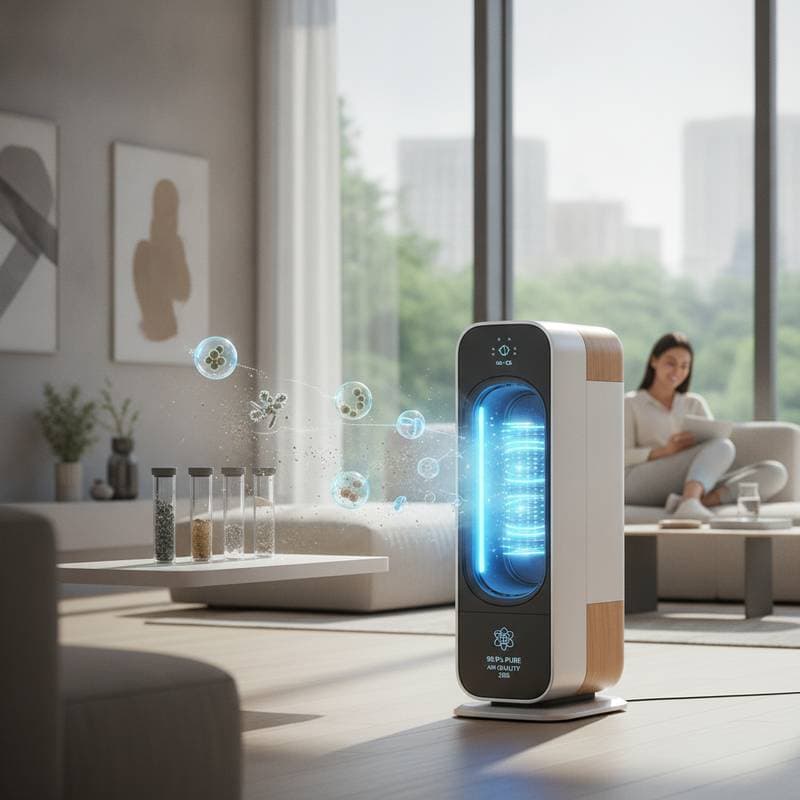
Dehumidified air perceives as cooler, permitting higher thermostat settings without discomfort sacrifice, which amplifies savings. Controlled humidity curbs mite populations and refines indoor atmosphere quality.
Common Queries on Whole-Home Dehumidifiers
In what ways does a whole-home dehumidifier surpass a portable model?
Whole-home variants interface with the HVAC to regulate humidity house-wide. Portable devices influence single rooms and necessitate manual reservoir emptying. The integrated approach offers greater efficiency, reduced noise, and simpler upkeep.
Does a dehumidifier risk overdrying the home?
Such systems employ sensors to hold humidity at 40 to 50 percent. Air remains comfortable, with user-adjustable parameters available.
Is self-installation of a whole-home dehumidifier advisable?
Professional involvement proves essential for ductwork, wiring, and drainage accuracy. Amateur efforts invite leaks, ventilation problems, or safety risks.
What maintenance frequency applies to whole-home dehumidifiers?
Filter replacements occur one to two times annually, alongside yearly inspections for drainage and tuning. Routine care preserves reliability and averts internal moisture issues.
Do dehumidifiers alleviate allergy symptoms?
Affirmative. Reduced humidity suppresses mites, mold, and allergens, often yielding noticeable air quality improvements.
Can a dehumidifier operate concurrently with the air conditioner?
Yes, the two systems enhance mutual effectiveness.
What durability can homeowners expect from a whole-home dehumidifier?
Proper care yields 8 to 12 years of service. Harsh humidity may shorten this, while temperate conditions extend it.
Steps to Implement Your Upgrade
For those addressing mold concerns or persistent indoor discomfort, a whole-home dehumidifier stands as a prudent HVAC investment. It safeguards health, preserves property value, and trims energy costs by nearly 20 percent.
Arrange an on-site evaluation with a licensed HVAC specialist. This consultation quantifies humidity, reviews current infrastructure, and proposes tailored recommendations. Obtaining several estimates secures competitive pricing and dependable service.