
Why 2026 HVAC Subscription Plans Deliver Long-Term Savings
Home comfort relies on effective HVAC maintenance, yet balancing expenses, performance, and uptime presents challenges for many homeowners. Questions arise about the value of an HVAC subscription plan. The answer lies in its structure: these plans integrate routine servicing, expedited support, and repair reductions into a fixed payment, resulting in lower overall costs and reduced anxiety over time. Examine the details to understand the financial and operational advantages.
Understanding HVAC Subscription Plans
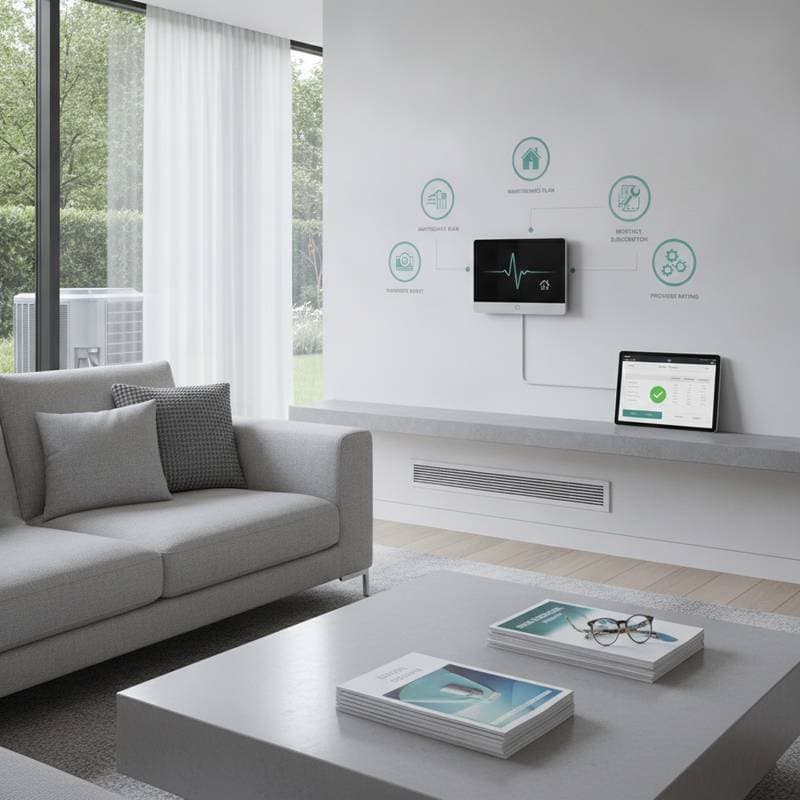
An HVAC subscription plan functions as a continuous service contract for heating and cooling systems, encompassing scheduled inspections, tune-ups, and select repairs. Homeowners pay a consistent monthly or yearly amount rather than individual fees for each intervention. The goal centers on sustaining optimal operation and addressing minor faults promptly to avert escalation.
Standard inclusions feature:
- Biannual tune-ups tailored to heating and cooling cycles
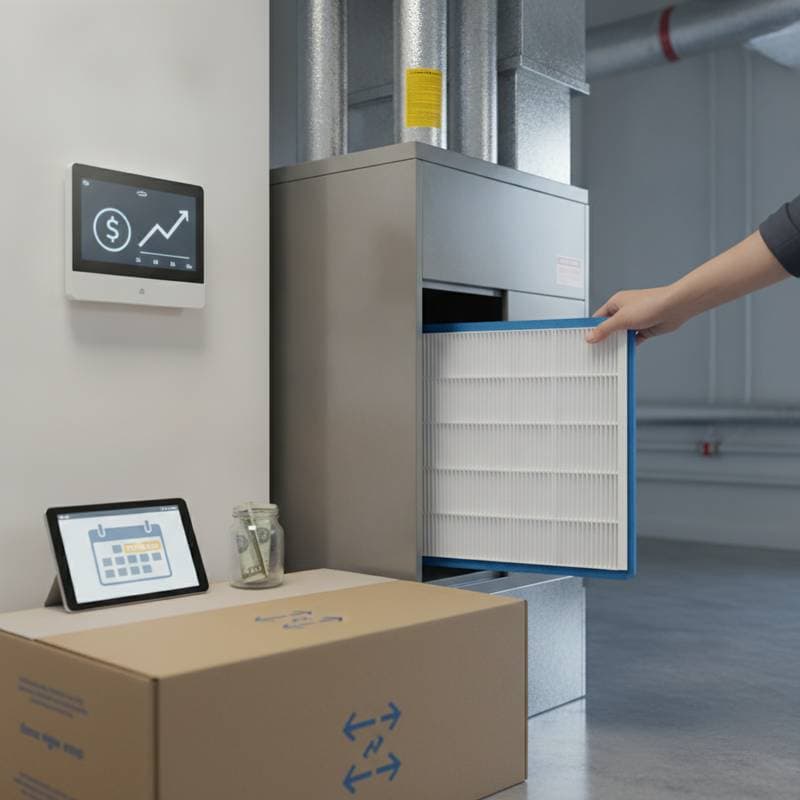
- Air filter changes or thorough cleaning
- Reductions on replacement parts and technician labor
- Accelerated booking for urgent interventions
- Comprehensive evaluations of system efficiency and safety protocols
This approach distributes expenses uniformly, shielding against sudden financial burdens while guaranteeing expert oversight year-round.
Mechanisms for Cost Savings in Subscription Plans
Initial payments for a subscription plan might appear additional, yet cumulative benefits yield substantial economies. Consider these primary pathways to affordability.
Preventive Maintenance Minimizes Extensive Repairs
Consistent servicing maintains peak HVAC condition. Professionals detect deteriorating elements, refrigerant deficiencies, or ventilation obstructions during routine visits. Addressing these proactively—such as substituting a faulty capacitor—proves far less expensive than overhauling a failed compressor or fan assembly post-breakdown. Such diligence also amplifies equipment longevity, postponing full replacements that often exceed thousands of dollars.
Enhanced Energy Efficiency Cuts Utility Expenses
Properly serviced units consume less power for climate control. Accumulated grime on evaporator coils, obstructed filters, or suboptimal alignments force systems to labor excessively. Technicians perform targeted cleanings and calibrations in tune-ups, restoring fluid operation and trimming electricity or gas bills by up to 15 percent annually, according to industry benchmarks.
Fixed Payments Facilitate Financial Stability
Sudden system failures disrupt budgets unpredictably. Subscription plans remove this variability with known monthly obligations. This predictability aids in allocating funds effectively, allowing homeowners to integrate HVAC care into routine expenditures without apprehension.
Expedited Service Prevents Escalating Damages
High-demand periods, like extreme summer heat or winter chills, delay standard appointments. Plan members benefit from prioritized access, securing rapid technician dispatch. Swift resolutions limit secondary harm, such as frozen coils leading to leaks, thereby preserving both resources and system integrity.
Accumulating Discounts Enhance Value
Providers typically extend percentage-based savings on components and workmanship. A 20 percent reduction on a $500 repair, for instance, returns $100 directly. For aging units susceptible to recurrent adjustments, these concessions compound, outpacing the expense of ad-hoc professional calls.
Elements Influencing HVAC Subscription Plan Pricing
Subscription offerings vary, with pricing shaped by multiple variables. Grasping these aids in selecting an appropriate option.
-
System Specifications and Capacity
Homes with expansive or intricate setups, such as multi-zone configurations, demand extended servicing, elevating fees. -
Scope of Protection
Basic packages limit coverage to inspections, whereas advanced ones incorporate parts replacement and after-hours responses. Broader inclusions raise premiums but amplify return on investment through averted outlays. -
Service Cadence
Options with quarterly assessments surpass biannual ones in cost, yet deliver superior safeguards and sustained performance. -
Regional Service Economics
Locations with elevated demand or technician shortages reflect higher rates due to local market dynamics. -
Equipment Vintage
Units over 10 years old necessitate intensified monitoring and interventions, adjusting plan economics accordingly.
Balancing DIY Tasks with Professional Expertise
Certain homeowners attempt self-maintenance to control costs. Simple actions, like filter swaps or unit perimeter clearing, pose minimal risk and support basic upkeep. However, intricate HVAC elements demand certified handling to ensure safety and efficacy.
Safe DIY Practices Include:
- Exchanging filters at intervals of one to three months, selecting MERV-rated options for optimal filtration
- Removing vegetation and sediment from condenser surroundings to promote airflow
- Verifying thermostat functionality, including battery replacement and seasonal mode adjustments
Professional Responsibilities Encompass:
- Evaporator and condenser coil decontamination using specialized solutions
- Refrigerant pressure assessments and recharges per EPA guidelines
- Electrical circuit inspections, capacitor testing, and control board diagnostics
Certified technicians apply precise diagnostics, maintain service logs for warranty compliance, and enhance resale potential through documented care.
Common Questions About HVAC Subscription Plans
Do HVAC Subscription Plans Provide True Value?
Affirmative. Routine servicing expenses pale against emergency repair bills or premature unit substitutions, often saving 30 percent or more. Plans uphold warranty conditions and optimize operational efficiency.
Is Cancellation of an HVAC Subscription Plan Flexible?
Providers generally permit termination, though some stipulate a 30-day notice or modest administrative charge. Review contract fine print to confirm policies.
Do These Plans Encompass Parts and Repairs?
Coverage differs: foundational plans focus on visits, while enhanced versions supply rebates or full reimbursements. Select based on desired safeguards.
What Is the Visit Frequency Under a Subscription Plan?
Standard arrangements schedule two annual sessions—one for heating preparation, one for cooling. Premium tiers add quarterly checks or unlimited diagnostics.
What Occurs Upon Relocating to a New Residence?
Plans bind to the serviced property, limiting portability. Inquire about prorated refunds or transfer options; some companies facilitate adjustments for new installations.
Selecting and Activating Your HVAC Subscription Plan
Opting for an HVAC subscription plan safeguards comfort while optimizing finances. It ensures dependable attention, stable pricing, and prolonged efficiency. Perform basic self-care for minor items, but entrust comprehensive servicing to experts for optimal results. Begin by evaluating local providers, comparing coverage tiers, and aligning with your home's needs to secure these benefits promptly.