How Smart Filters Detect HVAC Issues Early
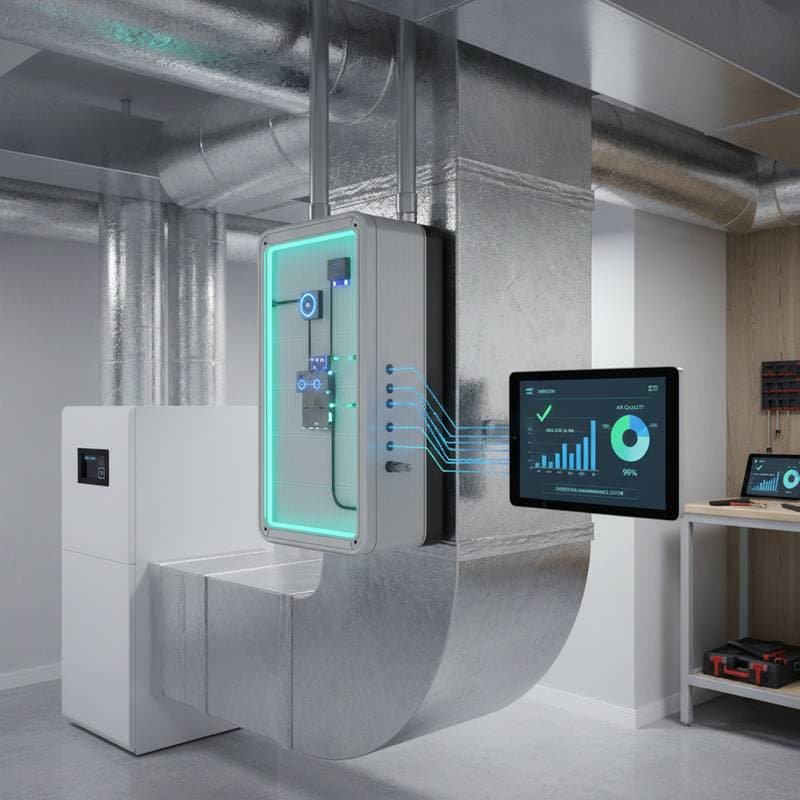
Smart air filters represent a significant advancement in home comfort technology. These devices go beyond basic filtration by incorporating sensors that continuously monitor airflow, pressure differentials, and air quality metrics. Homeowners receive timely notifications through connected apps, allowing them to address potential problems before they lead to system failures or increased energy consumption.
By integrating predictive analytics, smart filters shift HVAC maintenance from reactive fixes to proactive strategies. This approach not only prolongs equipment lifespan but also optimizes performance, ensuring consistent indoor temperatures and reduced utility bills. Professional installers often recommend these filters for systems in high-dust environments or older homes prone to inefficiencies.
The Mechanics of Detection in Smart Filters
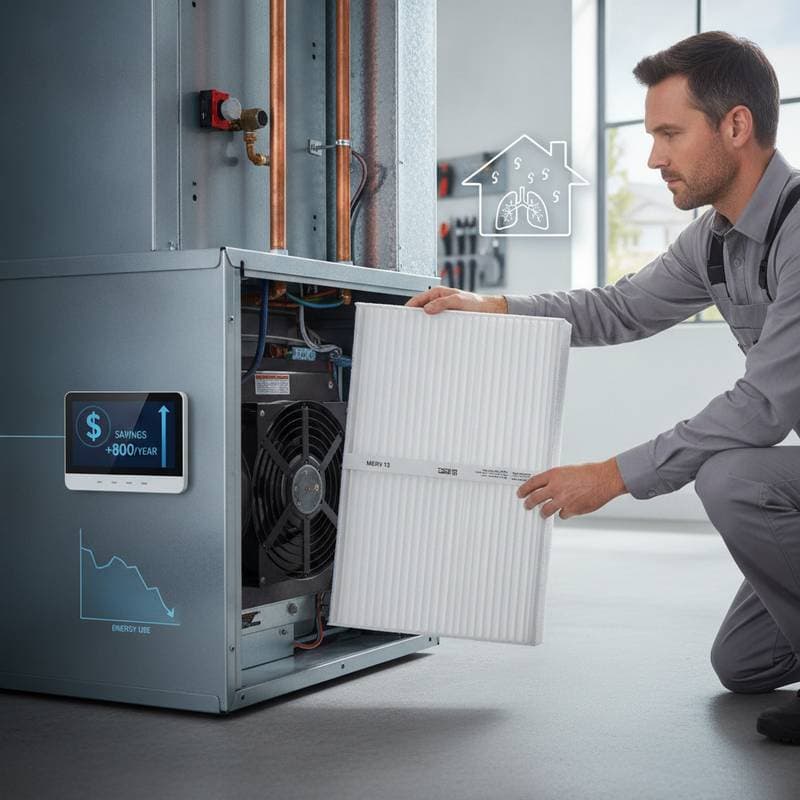
Smart filters employ embedded sensors to capture real-time data on system operations. For instance, differential pressure sensors measure the resistance air encounters as it passes through the filter media. When resistance rises due to accumulating debris, the system flags this change, prompting a replacement alert well before airflow becomes critically restricted.
These sensors also track volumetric airflow rates, typically calibrated to baseline values established during installation. Deviations from these norms indicate underlying issues, such as restricted ducts or component wear. Data logs stored in the accompanying app allow users to review trends over time, facilitating informed decisions about maintenance schedules.
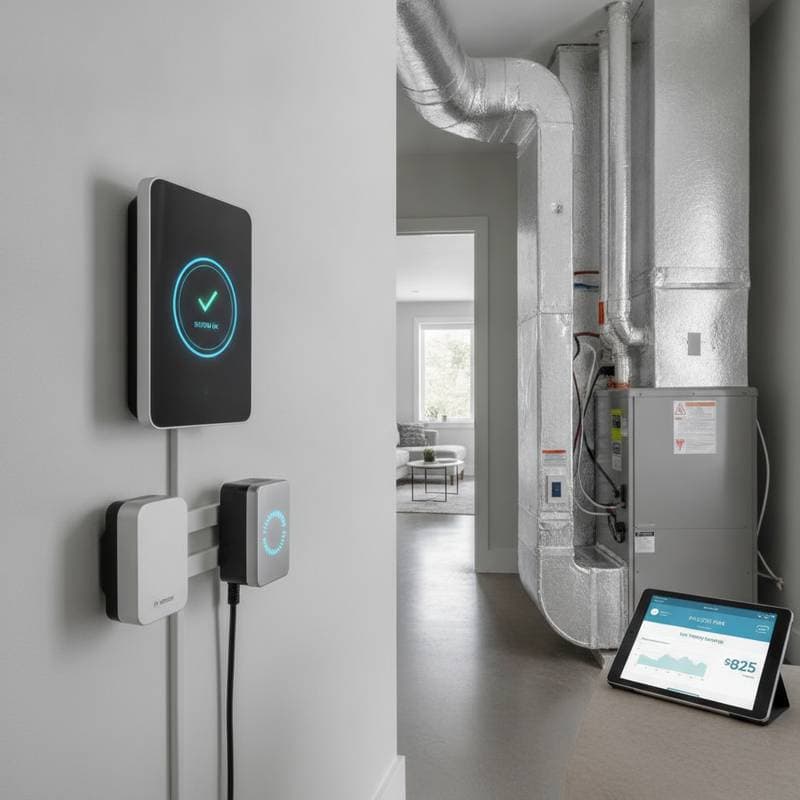
Integration with smart thermostats enhances this capability. The filter communicates runtime data, enabling the thermostat to adjust fan speeds or cycle lengths automatically. This synergy prevents overworking the blower motor and maintains balanced air distribution throughout the home.
Common Issues Smart Filters Identify
Clogged Filter Detection
As particulates build up, airflow diminishes, forcing the blower to compensate by increasing speed. Smart filters quantify this strain through pressure readings and notify users via push alerts or email. Early intervention avoids secondary problems like evaporator coil icing, which can halt cooling entirely and require emergency service calls.
Airflow Obstructions Beyond the Filter
Persistent low airflow after filter replacement points to external factors, including closed dampers, collapsed ductwork, or debris in registers. The filter's sensors isolate these anomalies by comparing inlet and outlet measurements, directing technicians to the precise location for targeted repairs.
Blower and Fan Efficiency Monitoring
Extended runtime or failure to achieve setpoints often signals fan imbalances. Smart filters log cycle durations and correlate them with temperature differentials, highlighting inefficiencies early. This data proves invaluable during annual inspections, where technicians can preemptively lubricate bearings or realign components.
Air Quality Trend Analysis
Beyond mechanical health, these filters assess particulate levels using optical or laser sensors. Sudden elevations in PM2.5 concentrations may reveal unsealed ducts or external pollutant ingress. Users gain actionable insights, such as adjusting ventilation rates, to safeguard respiratory health while protecting system components from abrasive contaminants.
Installation and Cost Considerations
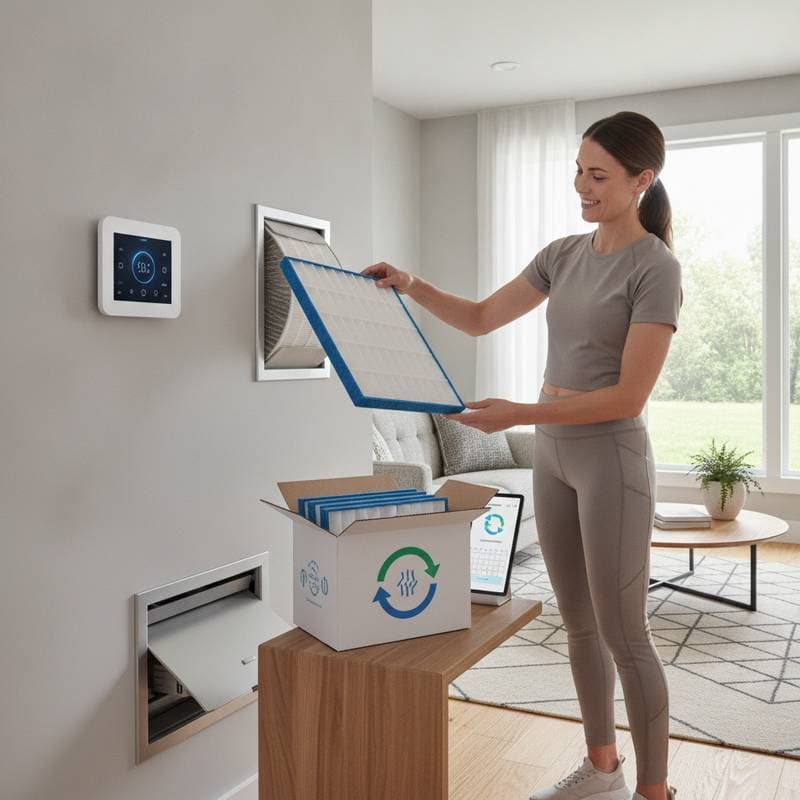
Most smart filters slot directly into standard HVAC return air grilles, requiring no structural alterations. Connection to a home network occurs via Wi-Fi, with setup guided by intuitive mobile applications. For optimal accuracy, position the filter in a straight duct section away from bends or obstructions.
Initial costs vary based on feature sets, but long-term savings from averted repairs justify the investment. Consider professional assistance for systems with non-standard configurations to ensure sensor calibration aligns with manufacturer specifications.
| Filter Model | Price Range | Key Features |
|---|---|---|
| Entry-Level | $40–$80 | Airflow monitoring, basic alerts |
| Mid-Range | $90–$150 | Air quality sensing, app analytics |
| Premium Integrated | $150–$300 | Thermostat compatibility, advanced diagnostics |
Frequently Asked Questions About Smart Filters
Replacement Intervals
Durations range from 30 to 90 days, influenced by household occupancy, pet presence, and local pollution levels. The device's algorithm analyzes usage patterns to send precise notifications, eliminating guesswork and reducing premature replacements.
System Compatibility
These filters accommodate common sizes like 16x25x1 inches, but verify dimensions against your unit's specifications. Wi-Fi connectivity demands a stable 2.4 GHz network; older systems may need adapter kits for full functionality.
Setup Requirements
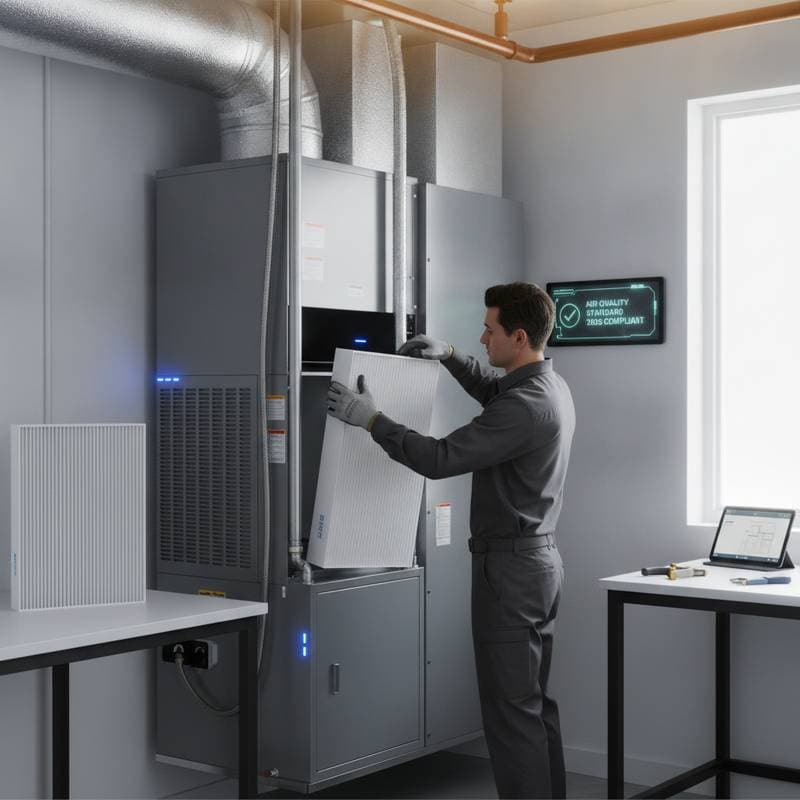
Homeowners handle basic installations by sliding the unit into place and pairing it with the app. Complex integrations, such as those linking to whole-home automation, benefit from HVAC technician involvement to verify wiring and sensor alignment.
Value Assessment
For frequent travelers or tech-savvy users, the preventive benefits outweigh upfront expenses. Expect returns through 10–20% energy savings and deferred major services, particularly in climates with heavy seasonal demands.
Key Considerations for Purchasing Smart Filters
Before selection, evaluate these factors to match the device to your needs:
- Confirm compatibility with your HVAC model's filter dimensions and type.
- Check for subscription requirements tied to cloud-based analytics.
- Review included sensors, prioritizing those for pressure, flow, and particulates.
- Assess accuracy ratings from independent tests or user reviews.
- Verify integration options with platforms like Google Home or Apple HomeKit.
- Estimate replacement cadence based on your environment.
- Ensure real-time monitoring capabilities for immediate alerts.
- Examine security protocols, such as encryption for data transmission.
- Confirm automatic over-the-air firmware updates.
- Note warranty terms, typically one to two years against defects.
Maximizing Benefits from Your Smart Filter
To leverage these tools fully, establish a baseline reading post-installation and monitor app dashboards weekly. Pair with regular duct cleanings every three years to sustain accuracy. This disciplined approach transforms your HVAC system into a resilient, efficient asset, delivering year-round comfort with minimal intervention.