Unlock Savings: The $89 HVAC Maintenance Subscription
Unexpected breakdowns in heating or cooling systems often lead to substantial repair expenses that disrupt daily life. Homeowners nationwide now turn to structured subscription plans to mitigate these financial surprises. The $89 HVAC maintenance subscription emerges as a practical solution, delivering consistent comfort, reduced expenses, and reliable performance. This overview explains the mechanics of such plans and their benefits for residential properties.
Understanding HVAC Subscription Plans
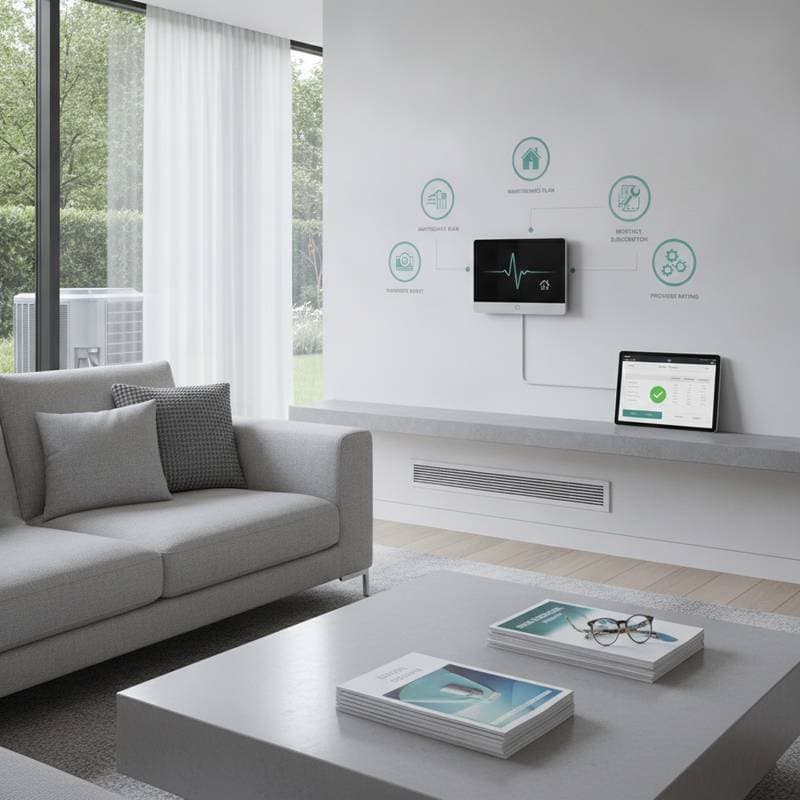
An HVAC subscription plan functions as a preventive maintenance contract, encompassing scheduled inspections, tune-ups, and repair discounts for a fixed monthly or annual payment. This approach eliminates the variability of one-off service fees and promotes year-round system efficiency.
Typical inclusions feature:
- Biannual maintenance for heating and cooling components
- Priority access to repair scheduling
- Reductions on parts and labor costs
- Provision of replacement filters alongside performance evaluations
- Coverage for urgent service requests
At $89, this model delivers expert oversight within reach of standard household finances.
The Importance of Preventive Maintenance
HVAC units operate continuously to regulate indoor environments, accumulating dust, debris, and wear that diminish performance and invite failures. Preventive measures identify minor faults early, averting escalation into major disruptions.
Key advantages include:
- Enhanced efficiency: Thorough cleaning of coils, installation of fresh filters, and precise calibration minimize energy consumption.
- Prolonged durability: Ongoing assessments allow technicians to remedy deterioration prior to component failure.
- Superior air quality: Filter changes and component sanitation reduce airborne contaminants.
- Reduced emergencies: Scheduled interventions lower the likelihood of outages during peak seasonal demands.
Subscription services automate these processes, ensuring compliance without manual tracking.
Indicators Requiring HVAC Attention
Despite routine upkeep, systems occasionally signal the need for intervention. Homeowners should monitor for these prevalent symptoms:
- Inconsistent room temperatures or diminished airflow
- Unusual sounds, such as rattling or humming
- Elevated utility statements absent changes in usage patterns
- Short cycling of the unit
- Accumulation of dust or unpleasant scents from air outlets
Subscription benefits enable prompt technician evaluations to address these concerns. Early detection typically resolves issues with minimal intervention.
Elements Affecting Subscription Effectiveness
Variations exist among HVAC plans, with pricing and scope influenced by multiple considerations:
- Unit specifications and vintage: Aging or intricate setups demand intensified servicing.
- Visit cadence: Options range from single yearly checks to dual seasonal examinations.
- Inclusion specifics: Verify provisions for component discounts or urgent response.
- Provider credentials: Select firms holding licenses, insurance, and strong reviews.
- Regional conditions: Properties in harsh climates benefit from supplementary visits.
The $89 framework strikes an optimal balance of cost and breadth, suiting diverse residential needs.
Components of a Standard Subscription Service Visit
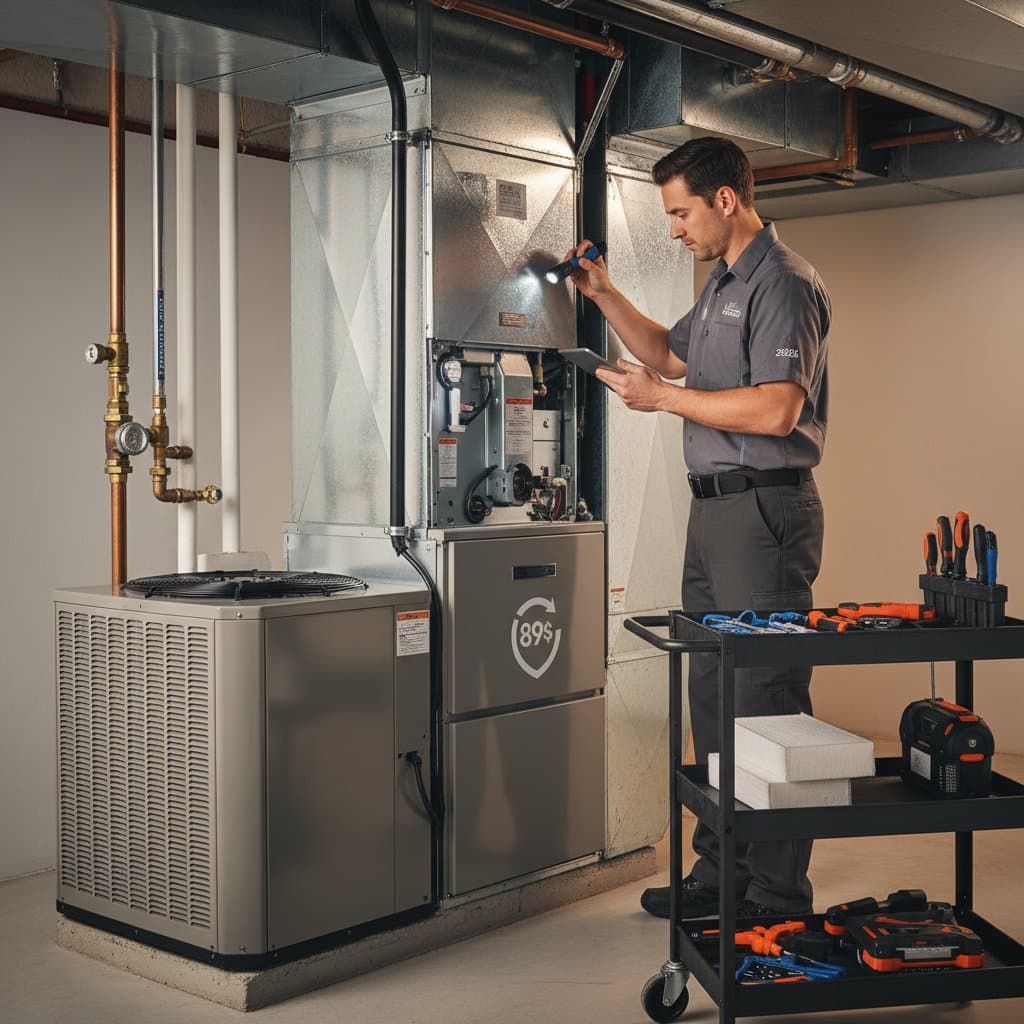
Enrollees receive periodic assessments from certified professionals. Each session follows a systematic protocol:
- Comprehensive review: Evaluation of the full assembly for wear, fluid leaks, or structural issues.
- Sanitization procedures: Removal of residues from evaporator and condenser coils, blowers, and drainage paths.
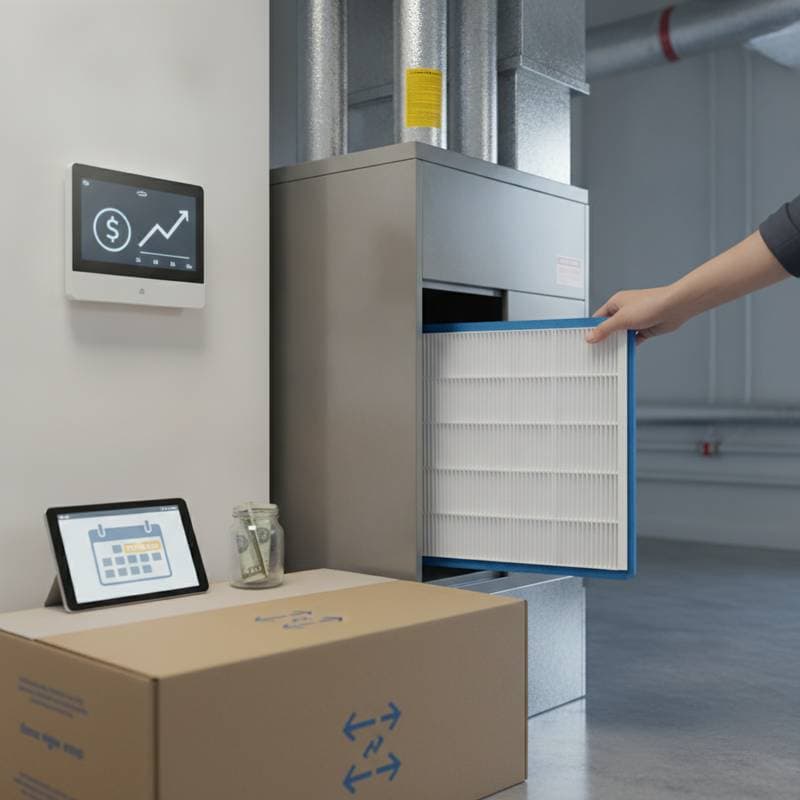
- Filter exchange: Substitution with high-efficiency models to optimize circulation and purity.
- Diagnostic testing: Verification of wiring integrity, thermostat precision, and refrigerant charge.
- Advisory guidance: Clear delineation of any necessary repairs or enhancements.
Such protocols sustain optimal operation, curtailing downtime and enhancing living conditions.
Comparing Self-Maintenance to Expert Services
Certain elementary tasks fall within homeowner capabilities, including:
- Periodic air filter substitutions
- Clearance of vegetation around exterior units
- Thermostat battery replacements
- Unobstructed interior vent pathways
Advanced procedures, however, necessitate specialized equipment and expertise. Examples encompass refrigerant management, internal coil access, and electrical diagnostics. Professional involvement guarantees safety, efficacy, and adherence to regulations, while self-attempts risk warranty invalidation or hazards.
Financial Benefits of the $89 Subscription
This model yields significant economic advantages through proactive strategies:
- Prevention of extensive overhauls: Early interventions forestall high-cost failures.
- Utility cost reductions: Optimized tuning decreases fuel and power demands.
- Repair concessions: Subsidized rates apply to components and workmanship.
- Expedited response: Preferred booking avoids premium surcharges in high-demand periods.
- Deferred replacements: Sustained condition postpones full system renewals.
Cumulative gains routinely surpass the subscription investment over extended periods.
Common Inquiries About HVAC Subscriptions
Does an HVAC subscription provide value?
Affirmative, particularly for those seeking cost stability and surprise avoidance. Routine servicing maintains operational standards, curtails repair expenditures, and amplifies equipment longevity through efficiency gains.
What elements comprise an $89 HVAC subscription?
Provider terms vary, yet standard offerings encompass seasonal adjustments, repair reductions, expedited bookings, and filter provisions. Examine contract particulars prior to commitment.
What servicing frequency suits most systems?
Biannual intervals prove ideal, aligning with heating and cooling transitions. Subscriptions facilitate adherence to this timetable effortlessly.
Is subscription cancellation flexible?
Providers commonly permit termination post-initial term or annually. Review policies for clarity on terms.
Do plans extend to urgent repairs?
Select agreements waive extra fees for off-hour responses; others furnish discounts. Inquire about provisions during selection.
Steps to Implement Your HVAC Subscription
Adopting a maintenance subscription safeguards both comfort and finances with minimal effort. The $89 option ensures dependable, expert support tailored to individual requirements.
Contact a reputable local specialist to assess your setup and select an appropriate package. This proactive step minimizes disruptions and maximizes long-term savings.