Spring's 7 DIY Checks to Prevent Costly AC Breakdowns
How Can You Prevent AC Breakdowns This Spring?
As temperatures rise, the air conditioner emerges as a critical system in the home. Even brief downtime creates discomfort, particularly amid rising humidity. Basic spring AC maintenance averts costly repairs later in the season. With basic tools and a free afternoon, homeowners complete tasks that enhance efficiency, minimize wear, and ensure smooth operation.
This guide details seven essential DIY AC checks for homeowners before summer arrives. The tasks emphasize cleaning, inspecting, and testing vital components. Homeowners also learn to spot early indicators that signal the need for professional service. These measures extend the unit's life, reduce energy expenses, and avoid sudden failures.
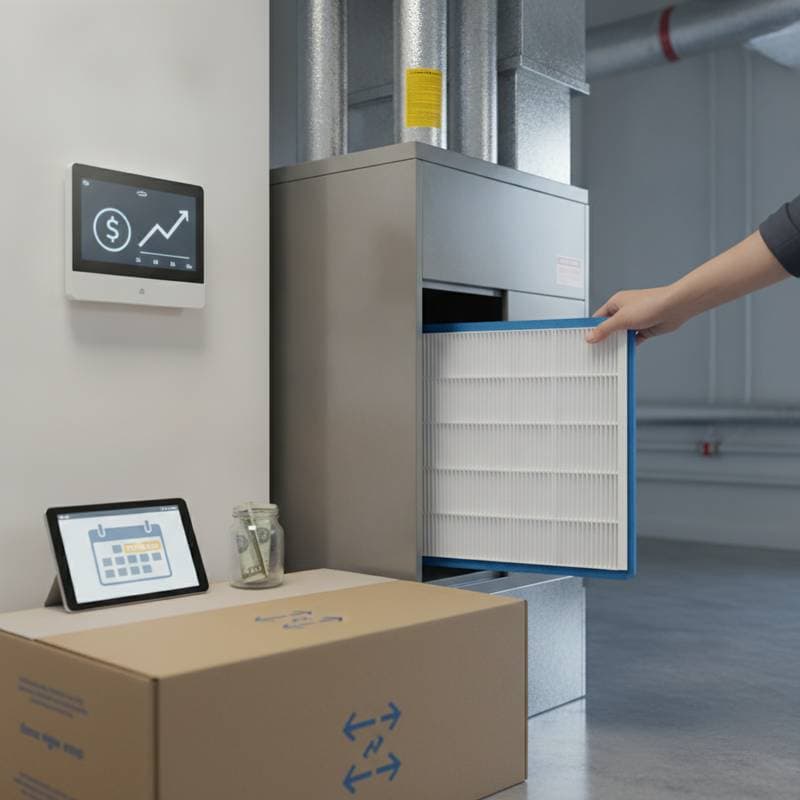
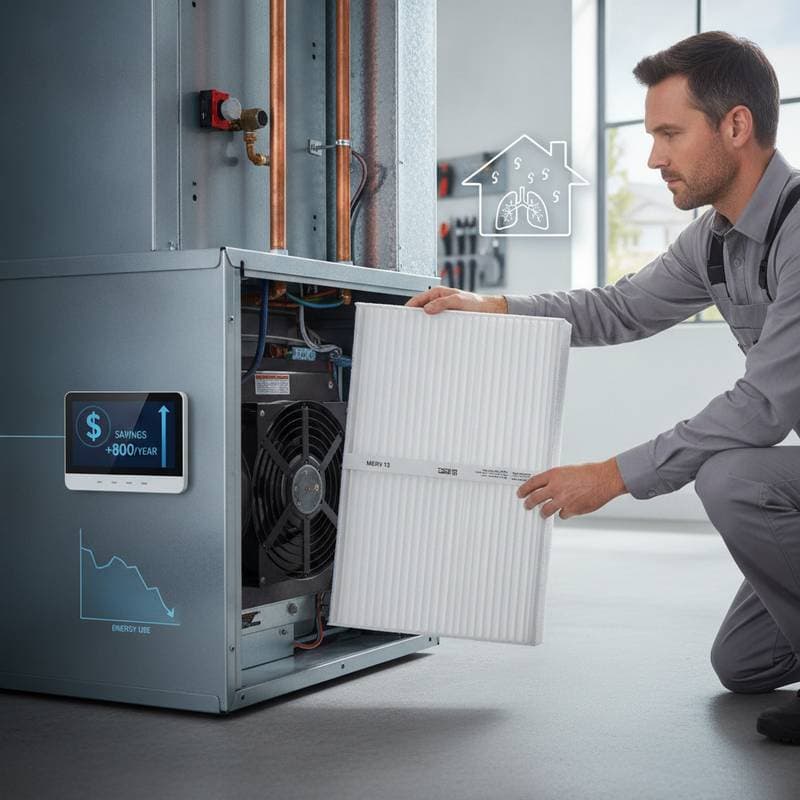
1. Replace or Clean the Air Filter
A clean air filter forms the basis of optimal air conditioner function. Dust or pet hair accumulation restricts airflow. The system then labors excessively, consuming extra energy and straining the blower motor and evaporator coil.
How to Check and Replace Your Filter
- Switch off the thermostat prior to filter removal.
- Find the filter slot adjacent to the return air duct or within the air handler.
- Pull out the old filter and examine it under bright light.
- Replace it if the material appears gray or the mesh clogs; select a new filter matching the original size and type.
- Insert the filter ensuring airflow arrows direct toward the blower motor.
Disposable fiberglass filters require replacement every one to three months. Pleated or washable varieties endure longer with routine cleaning. Schedule reminders to maintain consistency. Clean filters elevate indoor air quality and system efficiency.
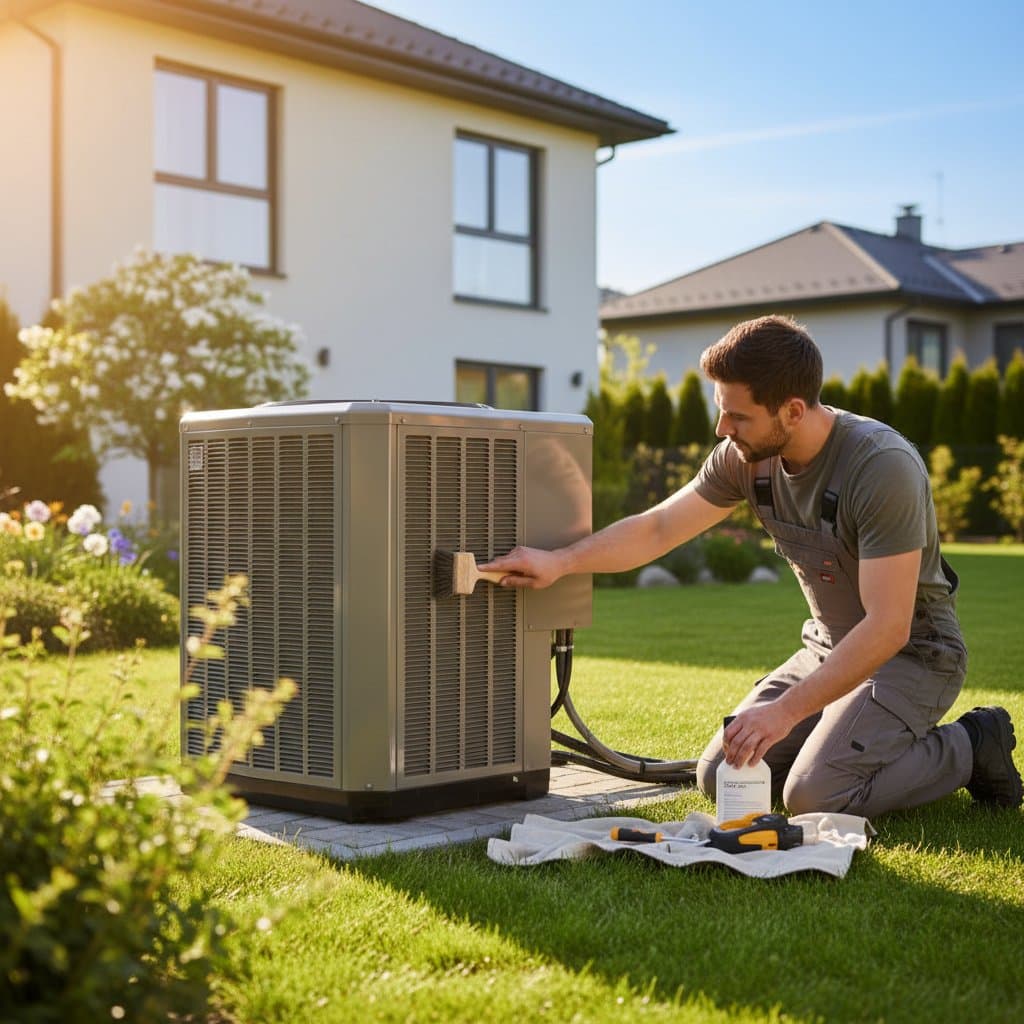
2. Clear Debris Around the Outdoor Unit
The outdoor condenser demands clear airflow to dissipate heat effectively. Winter accumulation of leaves, branches, and soil obstructs ventilation, prompting overheating.
Steps to Clean the Condenser Area
- Disconnect AC power at the breaker panel or disconnect box.
- Clear large debris manually, then employ a soft brush or broom for finer particles.
- Trim surrounding vegetation to a minimum distance of two feet for unobstructed airflow.
- Rinse clogged fins gently with a garden hose, directing water from inside outward. Pressure washers risk bending the delicate aluminum fins.
- Allow the area to dry fully before reconnecting power.
This routine clearing enables the condenser to operate without hindrance, easing compressor load and boosting cooling output.
3. Inspect and Clean the Condensate Drain Line
The condensate drain expels moisture generated as warm air contacts the evaporator coil. Clogs from mold, algae, or dust provoke leaks and water damage near the air handler.
How to Maintain the Drain Line
- Identify the drain line beside the indoor unit, typically a small PVC pipe extending from the unit.
- Disconnect the line or access the cap, then introduce a solution of one cup white vinegar and one cup warm water into the pipe.
- Allow the mixture to reside for thirty minutes, followed by a flush of clean water.
- Verify free water flow toward the exterior drain.
Routine clearing eliminates musty smells and moisture accumulation that threaten AC parts and interior walls.
4. Check Thermostat Settings and Calibration
The thermostat governs AC runtime and frequency. Faulty settings or calibration lead to short cycling or excess energy consumption. Verify functionality before peak usage.
Thermostat DIY Check
- Set the thermostat to cooling mode and adjust the temperature several degrees below ambient levels.
- Monitor for system activation within one to two minutes.
- Assess vent airflow to confirm cooled output.
- Compare the thermostat reading against a separate digital thermometer for precision.
Manual thermostats benefit from upgrades to programmable or smart versions. These models provide exact regulation and lower costs through schedule-based adjustments.
5. Examine Ductwork and Air Vents
A maintained AC loses efficiency through leaky or soiled ducts. Vent dust diminishes air quality and distribution.
How to Inspect Your Ducts and Vents
- Traverse the home with the AC operating and evaluate airflow at each vent.
- Address weak or uneven cooling by detaching vent covers and vacuuming accumulated dust.
- Scan accessible ductwork in attics, basements, or crawl spaces for gaps or separations.
- Apply aluminum foil tape or mastic sealant to minor leaks. Standard duct tape degrades rapidly in heated environments.
Duct cleaning and sealing distribute conditioned air evenly, enhancing home comfort and operational efficiency.
6. Clean and Straighten Condenser Fins
Condenser fins, thin metal structures, facilitate heat release from refrigerant coils. Bent or dirty fins impair transfer, diminishing efficiency.
Simple Fin Maintenance Steps
- Power down the unit, then remove the top grille or fan if reachable.
- Dislodge surface dirt with a soft brush, followed by a light hose rinse.
- Straighten deformed fins using a fin comb or flat tool, proceeding with caution.
- Guard against coil tubing punctures during the process.
Restored fins promote effective heat expulsion, lessening compressor stress and cycle duration.
7. Test System Performance and Listen for Unusual Sounds
After cleaning and inspection, evaluate overall system function. This confirms component integrity prior to regular reliance.
How to Perform a Basic System Test
- Activate cooling mode on the thermostat and operate the system for a minimum of fifteen minutes.
- Measure indoor temperature reduction; expect a fifteen- to twenty-degree differential between supply and return air in standard units.
- Detect anomalies like grinding, squealing, or rattling sounds.
- Inspect for indoor water leaks or excessive outdoor vibration.
Persistent cooling difficulties, frequent cycling, or irregular noises warrant professional evaluation. Prompt identification averts compressor damage or refrigerant loss.
Why Preventive Maintenance Matters
Routine upkeep diminishes breakdown risks while optimizing energy use. A tuned air conditioner requires less electricity for cooling, yielding utility savings. Extended service life postpones replacement needs.
Common Problems Avoided by Spring Maintenance
| Issue | Potential Cause | Prevented By |
|---|---|---|
| Frozen evaporator coil | Dirty filters or low airflow | Replacing filters and cleaning coils |
| Short cycling | Thermostat miscalibration or debris around condenser | Checking thermostat and clearing area |
| Water leaks | Clogged condensate drain | Cleaning drain line |
| Weak airflow | Duct leaks or dirty vents | Inspecting and cleaning ducts |
| High energy bills | Poor efficiency or restricted airflow | Routine maintenance and coil cleaning |
Early-season tasks reduce emergency service demands during high season.
Safety Tips for DIY AC Maintenance
Homeowners handle most checks safely, yet caution prevails near electrical and refrigerant elements.
- Isolate power before accessing panels or wiring.
- Don gloves and eyewear when managing sharp fins or solutions.
- Refrain from altering sealed electrical or refrigerant components.
- Summon a licensed technician upon observing burn marks, frayed wires, or refrigerant scents.
These measures safeguard against injury and system harm.
When to Call a Professional
DIY efforts complement, yet not substitute, expert intervention. Certified HVAC specialists assess refrigerant, electrical integrity, and coil standards. Annual professional visits uphold warranties and peak performance.
Situations That Require Expert Assistance
- AC emits warm air post-cleaning and filter change.
- Ice forms on coils or lines.
- Loud grinding or buzzing occurs.
- Thermostat or controls fail to engage.
- Energy costs escalate without usage increase.
Such signs point to intricate mechanical or electrical faults demanding specialized diagnostics.
Getting Professional AC Maintenance Quotes
For scheduled service, obtain estimates from several HVAC providers. Comparisons secure equitable rates and qualified personnel.
Questions to Ask Before Hiring
- Do technicians hold licenses and insurance for HVAC tasks?
- Which procedures comprise the standard AC tune-up?
- Does service include refrigerant and electrical inspections?
- What duration applies to typical inspections and cleanings?
- Will a written estimate precede repair initiation?
- Do guarantees or maintenance plans exist?
- Can recent customer references be supplied?
- What response time applies to emergencies?
- Additional charges for weekends or evenings?
- Experience with residential and light commercial systems?
Extending AC Longevity Through Routine Care
Consistent attention preserves the air conditioning investment. Homeowners gain reliable cooling, lower expenses, and peace of mind. Integrate these checks into spring routines for sustained performance.