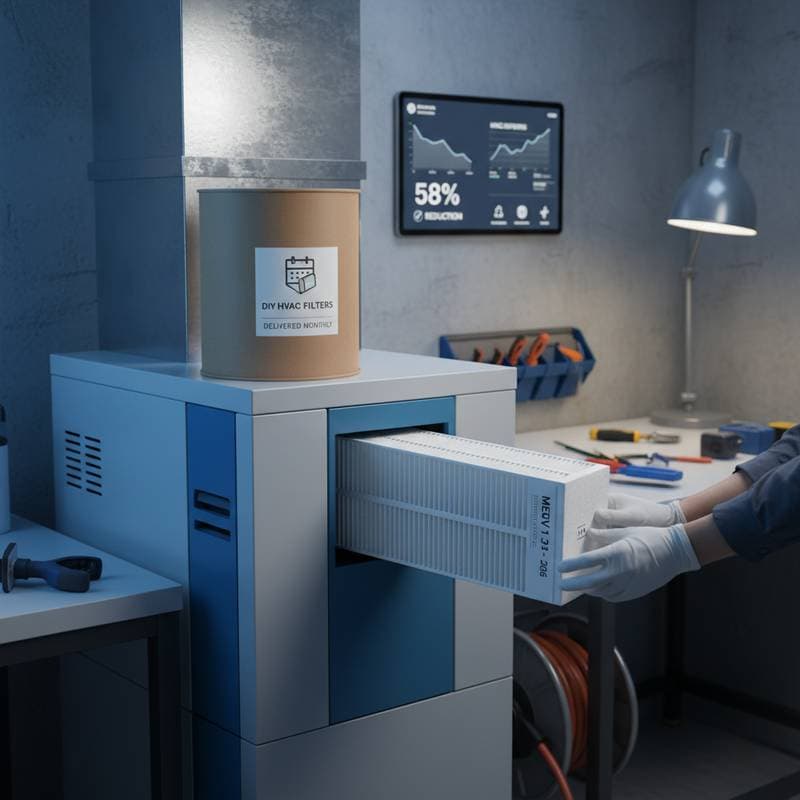
How DIY Filter Subscriptions Reduce HVAC Repairs by 58% in 2026
The Link Between Regular Filter Changes and System Reliability
Homeowners increasingly recognize that regular air filter replacements significantly decrease HVAC system failures. Studies in home maintenance indicate that properties with DIY filter subscriptions encounter up to 58% fewer repairs than those with sporadic changes. Clean filters promote smooth airflow, safeguard blower motors, and support consistent temperature control throughout the year.
This guide details the mechanics of filter subscriptions, compares their costs to conventional methods, and highlights their role in preventive maintenance. Readers gain insights into pricing elements, upkeep strategies, and essential questions for selecting a delivery provider.
Typical Costs for DIY HVAC Filter Subscriptions
DIY HVAC filter subscriptions generally cost between $10 and $40 per shipment, varying by filter grade, delivery interval, and residence scale. These plans deliver filters every one to three months, guaranteeing availability for timely swaps.
Although initial expenses exceed bulk purchases, sustained benefits from diminished repairs and energy savings justify the investment. Consider the table below for a breakdown of options.
| Subscription Type | Average Monthly Cost | Details |
|---|---|---|
| Basic Fiberglass Filters | $10 – $15 | Appropriate for compact residences or basic single-stage units |
| Pleated MERV 8 Filters | $15 – $25 | Recommended for typical homes with pets or allergy concerns |
| High-Efficiency MERV 11–13 Filters | $25 – $40 | Suited for environments prioritizing superior air purity and efficiency |
Annual expenditures range from $120 to $480. By contrast, one repair averages $200 to $600, excluding urgent call-out charges. Regular adherence thus yields rapid returns via repair avoidance and utility reductions.
Mechanics of DIY Filter Subscriptions
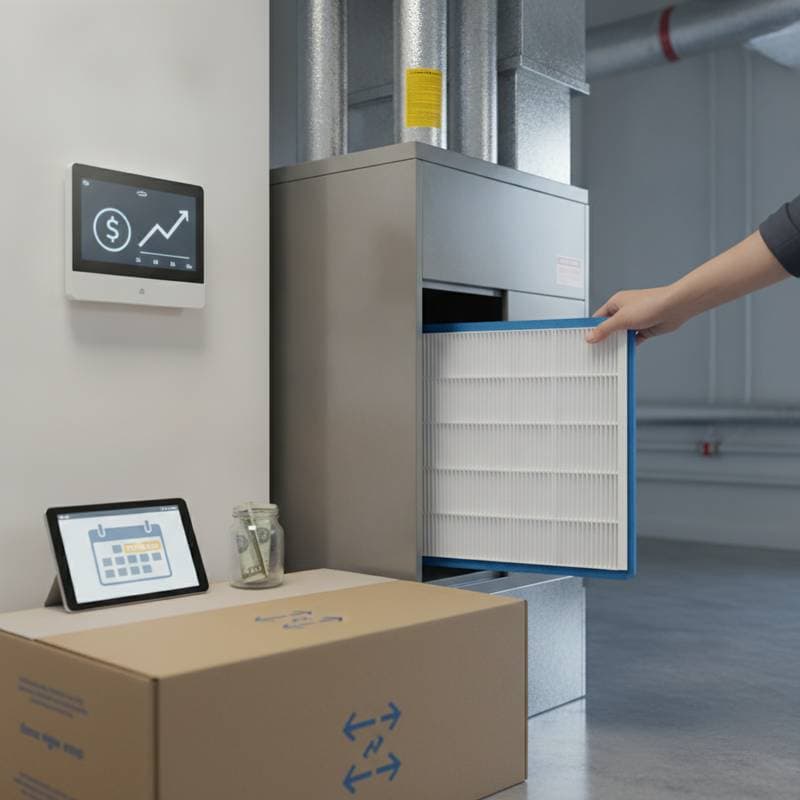
These services prioritize ease and dependability. Upon enrollment, users specify filter dimensions, variety, and shipment cadence. Deliveries occur automatically, prompting immediate installation.
Providers accommodate adjustments for homes with multiple units or diverse sizes. Many incorporate QR codes or app notifications to log change dates, removing uncertainty that results in blockages and equipment wear.
Guide to Setting Up a Subscription
- Measure the existing filter precisely to match your HVAC setup.
- Select a filter variety that aligns with air quality demands and efficiency targets.
- Establish a delivery rhythm suited to your household conditions, such as monthly or quarterly.
- Install incoming filters promptly upon receipt.
- Assess system operation for enhanced circulation and temperature steadiness.
This process maintains cleanliness, optimizes performance, and minimizes operational pressures.
Mechanisms Behind the 58% Repair Reduction
The 58% decline stems from unwavering filter upkeep. Accumulated debris hampers air movement, compelling the unit to labor excessively. Such exertion risks overheating parts, fouling coils, and accelerating failures in compressors or blowers.
Pristine filters preserve optimal pressure, ensure temperature equilibrium, and facilitate unobstructed passage through components. Homeowners thereby sidestep common malfunctions.
Advantages of Scheduled Replacements
- Enhanced airflow that eases demands on fans and motors
- Unobstructed coils that sustain optimal heating and cooling
- Reduced interruptions from thermal overloads or blockages
- Prolonged equipment durability, potentially extending service by years
- Superior indoor air that mitigates dust and irritants
These elements foster reliability, cost efficiencies, and enhanced comfort.
Elements Influencing Costs and Performance
Multiple variables shape subscription expenses and outcomes. Grasping them enables tailored selections that fit systems and finances.
Filter Variety and MERV Rating
Elevated MERV levels trap finer contaminants yet may impede flow if mismatched. Opt for manufacturer-suggested ratings; MERV 8 to 11 serves most households effectively.
Replacement Cadence
Residences with animals, tobacco use, or dust accumulation require monthly updates. Less demanding settings permit extensions to quarterly intervals.
System Dimensions
Expansive units demand bigger filters, elevating per-item prices. Multi-level properties or those with several intakes often necessitate multiple replacements per period.
Regional Air Conditions
Arid, polluted, or moist areas accelerate filter saturation. Flexible plans allow cadence modifications accordingly.
Efficiency Objectives
Advanced filters curb power draw, though pricier upfront. Their utility savings frequently balance the added cost.
Common Questions on DIY Filter Subscriptions
What Is the Ideal Replacement Frequency?
One to three months suits most setups, adjusted for occupancy, pets, and pollution levels. Automated services enforce this without oversight.
Do Advanced Filters Lower Energy Expenses?
Indeed, they enable unrestricted flow, lightening blower efforts and stabilizing cycles for reduced consumption.
Is Self-Installation Feasible?
Yes, this simple task needs no equipment beyond accurate measurement and alignment. Directions appear on the filter edges.
What Are the Risks of Neglecting Changes?
Debris accumulation impairs circulation, inflates bills, and invites breakdowns far costlier than routine care.
Do Services Vary in Quality?
Considerably; evaluate filter standards, shipment punctuality, and adaptability when deciding.
Optimizing Your Subscription for Long-Term Gains
A filter subscription transcends simplicity by instituting habits that safeguard equipment, trim usage, and avert disruptions. Complement it with annual technician inspections and pre-season evaluations for peak results.
Essential Inquiries for Providers
- Which sizes support my equipment?
- Does adjusting intervals incur fees?
- Are options compatible with my unit's guidelines?
- Do alerts or apps track installations?
- What covers faulty deliveries?
- Are prepay or bulk incentives available?
- How does it manage dual systems?
- Can selections include sustainable or hypoallergenic types?
- What lead times apply to shipments?
- Are products sourced locally or abroad?
Sustaining HVAC Performance Through Routine Care
Dependable filter swaps represent a cornerstone of proactive upkeep. Subscriptions automate this vital step, sparing time and effort while delivering pristine air, streamlined operations, and substantial repair reductions.
Embracing this approach fortifies your system against wear, curtails expenses, and promotes healthful environments year-round.