Why Homeowners Embrace Monthly HVAC Maintenance Plans
Maintaining year-round comfort in the home presents challenges, particularly with unforeseen HVAC failures. Numerous homeowners now select monthly HVAC maintenance plans to secure tranquility, consistent servicing, and foreseeable expenses. These arrangements simplify oversight of heating and cooling equipment, eliminating concerns over abrupt repair charges. The following sections outline the essentials of monthly HVAC maintenance plans, their appeal to homeowners, and the advantages they provide for residential properties.
Understanding Monthly HVAC Maintenance Plans
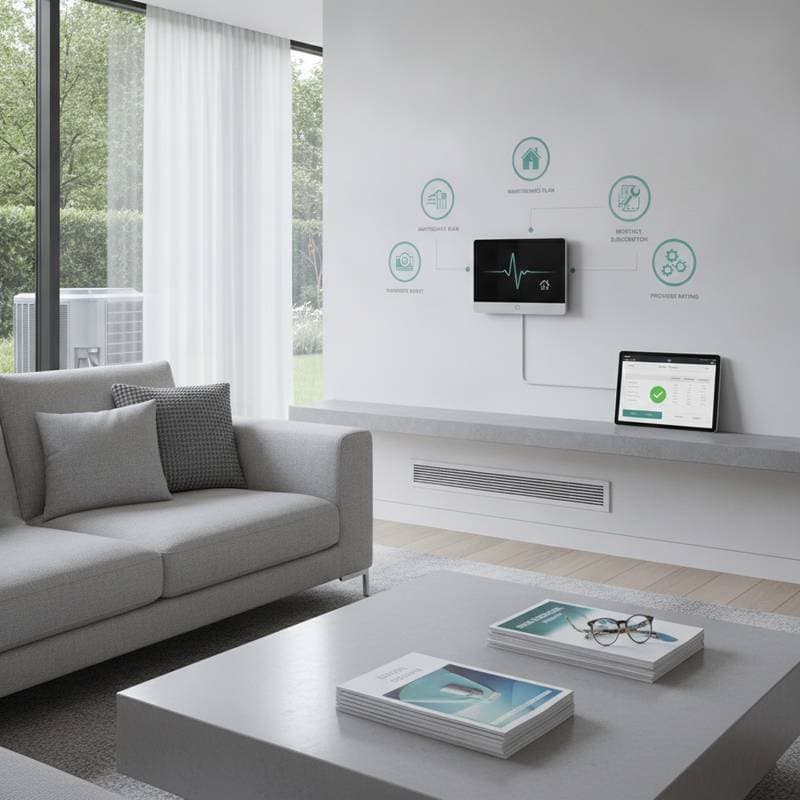
A monthly HVAC maintenance plan constitutes a service agreement where participants remit a fixed monthly amount for continuous inspections, upkeep, and expedited assistance concerning heating and cooling apparatus. Participants avoid per-incident fees by committing to proactive management across the calendar year.
Standard inclusions encompass:
- Biannual precision tune-ups, addressing both furnace and air conditioner components
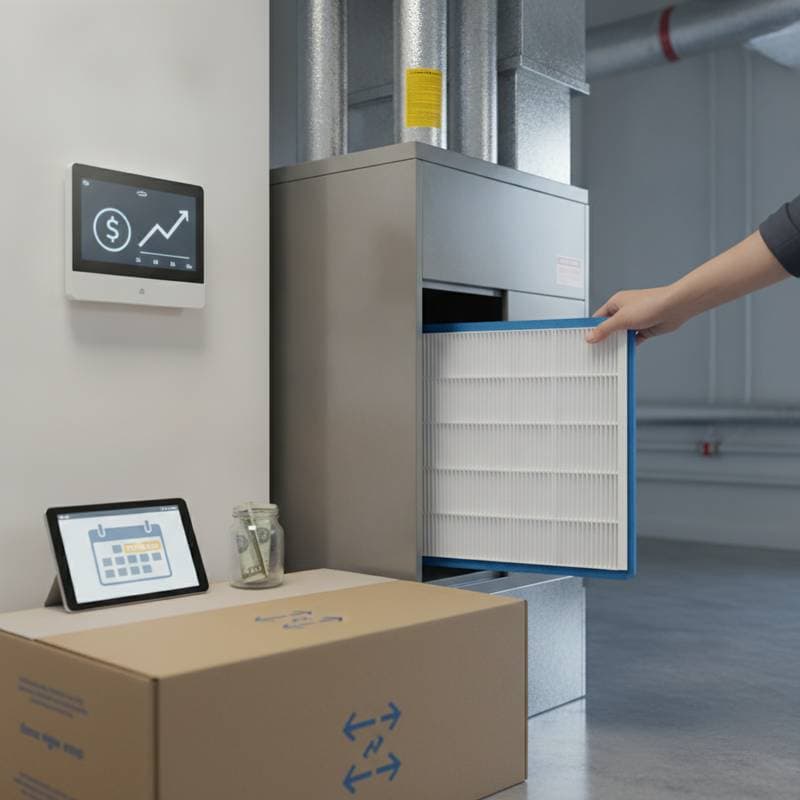
- Reminders or direct provision for air filter replacements
- Reduced rates on diagnostic and repair services
- Accelerated booking for urgent interventions
- Evaluations of operational efficiency to optimize performance
The primary objective remains straightforward: sustain optimal HVAC functionality, prolong equipment durability, and avert substantial emergency expenditures.
Reasons Homeowners Opt for Monthly Maintenance Plans
Homeowners frequently grow weary of deferring upkeep until malfunctions occur. Monthly maintenance plans disrupt this habit through regular oversight and stable financial planning. The subsequent points detail the principal motivations driving increased adoption.
1. Stable Financial Planning
Monthly maintenance plans facilitate straightforward budgeting for HVAC-related outlays. Rather than confronting hundreds of dollars in a single payment for repairs or seasonal servicing, individuals distribute expenses into affordable installments. This strategy averts fiscal shocks while guaranteeing essential system attention.
2. Cost Savings Through Preventive Upkeep
Regular servicing identifies and resolves minor issues before escalation. For instance, technicians address soiled evaporator coils, frayed electrical connections, or obstructed filters during scheduled visits, preventing progression to severe failures. Subscribers benefit from these proactive measures, which curtail the financial impact of unexpected system collapses.
3. Enhanced Comfort and Operational Efficiency
Properly serviced HVAC systems operate with greater precision, attaining set temperatures more rapidly while consuming reduced energy. Periodic decontamination of ducts and filters also elevates indoor air quality by eliminating accumulated particulates and allergens.
4. Expedited Assistance During Critical Moments
Severe weather conditions often overwhelm HVAC providers with requests. Subscribers to monthly plans typically receive preferential scheduling, ensuring resolution within hours rather than days. Certain agreements extend to round-the-clock emergency response without supplementary charges.
5. Assurance of Continuous Reliability
The paramount appeal of these plans lies in the assurance they provide. Regular monitoring and servicing enable homeowners to focus on daily life, confident that climate control remains safeguarded through intense seasonal demands.
Standard Components of HVAC Maintenance Plans
Providers vary in offerings, yet most monthly maintenance plans blend preventive protocols with incentive reductions. Common elements include:
- Annual heating and cooling tune-ups, conducted with specialized diagnostic tools
- Thorough examination of wiring, capacitors, and safety switches
- Debris removal from condenser fins and blower assemblies
- Application of lubricants to motors and fan bearings
- Measurement of airflow rates alongside thermostat accuracy adjustments
- Provision or subsidization of high-efficiency filters
- Rebates on replacement components or full repairs
Premium tiers might incorporate comprehensive duct sanitization, ambient air analysis, or quarterly efficiency summaries detailing system vitality.
Essential Considerations Prior to Enrollment
Prospective subscribers should evaluate plan specifics against household requirements before commitment.
- Equipment Age and Status: Systems exceeding 10 years warrant intensified monitoring; plans prove particularly beneficial for functional yet mature units.
- Comprehensive Coverage: Verify inclusion for both heating and cooling elements, avoiding partial protections.
- Urgent Response Protocols: Inquire about provisions for non-business-hour or holiday interventions.
- Provider Expertise: Confirm employment of licensed technicians adhering to industry codes and best practices.
- Adaptability Options: Seek agreements permitting suspension or modification amid life changes, such as relocations.
Balancing Self-Maintenance with Expert Intervention
Homeowners can undertake select upkeep independently to complement professional services.
Recommended Self-Maintenance Activities:
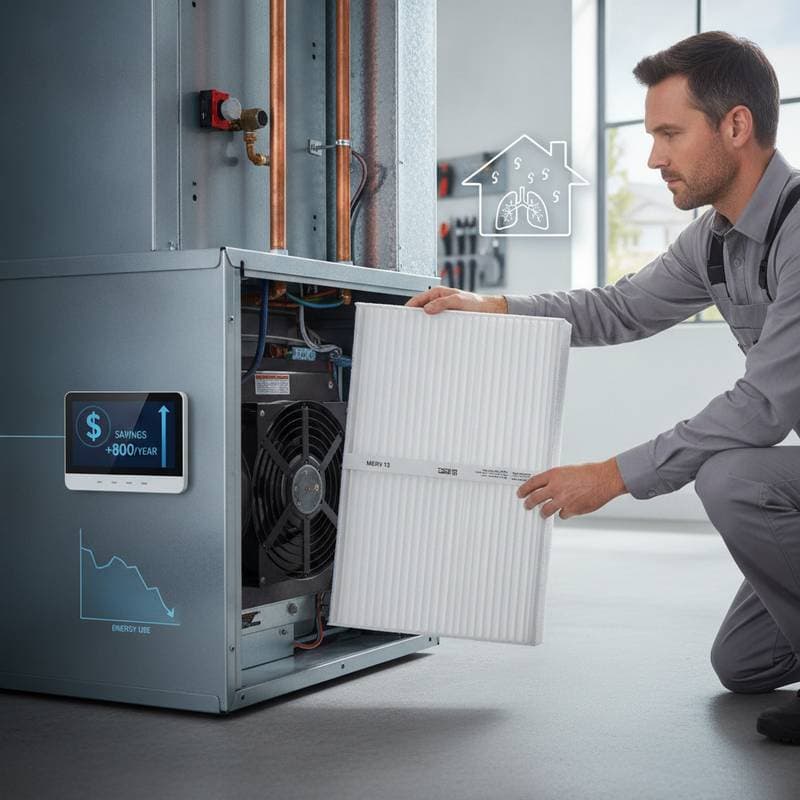
- Install fresh air filters at intervals of one to three months, selecting MERV-rated options for optimal filtration.
- Remove vegetation and sediment encircling the exterior unit to preserve unobstructed airflow.
- Replace thermostat power sources annually to sustain accurate temperature regulation.
Professional-Only Responsibilities:
- Assessment and adjustment of refrigerant pressures to comply with environmental standards.
- Voltage and continuity testing on circuit boards and relays.
- Disassembly and restoration of evaporator or condenser coils.
- Identification and patching of air leakage in distribution networks.
Common Inquiries About Monthly HVAC Plans
What Is the Typical Cost of a Monthly HVAC Plan?
Expenses range from $15 to $40 monthly, influenced by plan scope, unit capacity, and regional pricing. This investment generally falls below the expense of one unplanned service call.
Do New HVAC Systems Require Subscription Maintenance?
Affirmative. Routine care preserves manufacturer warranties and mitigates premature degradation, ensuring peak performance from inception.
How Are Non-Covered Repairs Handled Under a Plan?
Providers extend preferential pricing to subscribers for such work. Participants cover materials and labor at discounted levels, yielding savings over conventional rates.
Is Plan Transferability Possible Upon Relocation?
Numerous providers permit continuation at a new address or assignment to subsequent owners. Review contractual stipulations at enrollment.
How Can One Verify Effective System Care?
Request post-service documentation from technicians, detailing inspections, interventions, and forthcoming advisories to affirm thorough attention.
Securing Lasting Home Comfort Through Proactive Planning
Adopting a monthly HVAC maintenance plan transforms reactive troubleshooting into strategic foresight. Homeowners gain not only financial predictability but also sustained efficiency and reliability in their living environments. Evaluate local providers today to align your home's needs with a tailored maintenance strategy, fostering comfort without compromise.