
Cut HVAC Failures by 58% Using Predictive Maintenance Apps
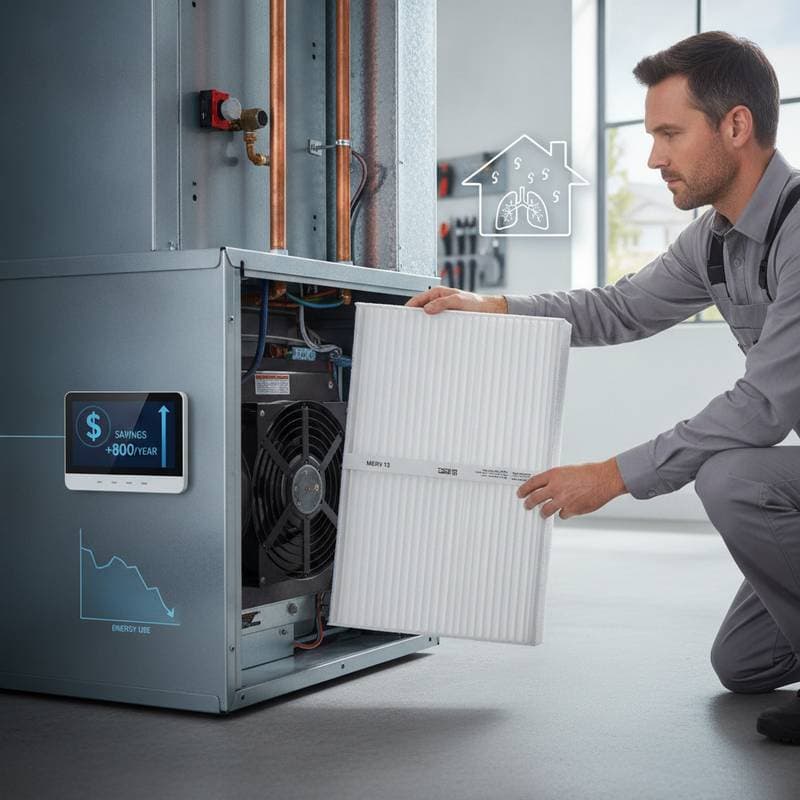
Predictive maintenance applications for heating, ventilation, and air conditioning systems can decrease failures by up to 58 percent. Homeowners benefit from substantial savings on repair costs and prolonged equipment lifespan. These tools monitor system performance continuously, detect potential problems early, and recommend maintenance precisely when required. This article details the mechanics of predictive HVAC apps, their advantages, and steps to implement one effectively in your residence.
| Key Insight | Detail |
|---|---|
| Average Failure Reduction | Up to 58 percent fewer breakdowns |
| Typical Cost Savings | $200 to $1,000 or more annually |
| App Subscription Range | $10 to $50 monthly |
| Common Sensors Used | Temperature, pressure, humidity, vibration |
| Ideal For | Homeowners with central or smart HVAC systems |
How Predictive HVAC Apps Function
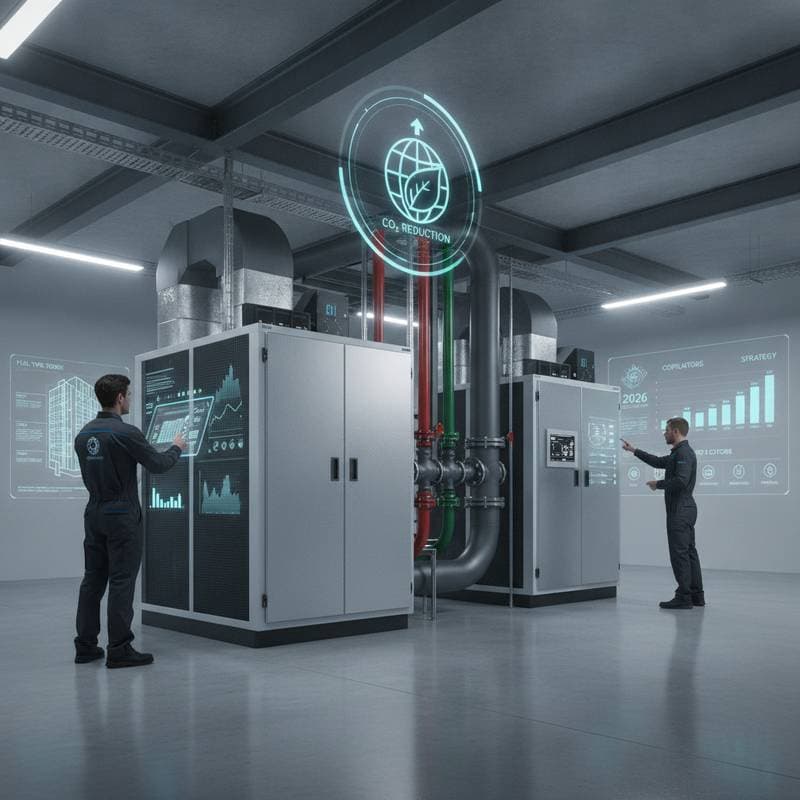
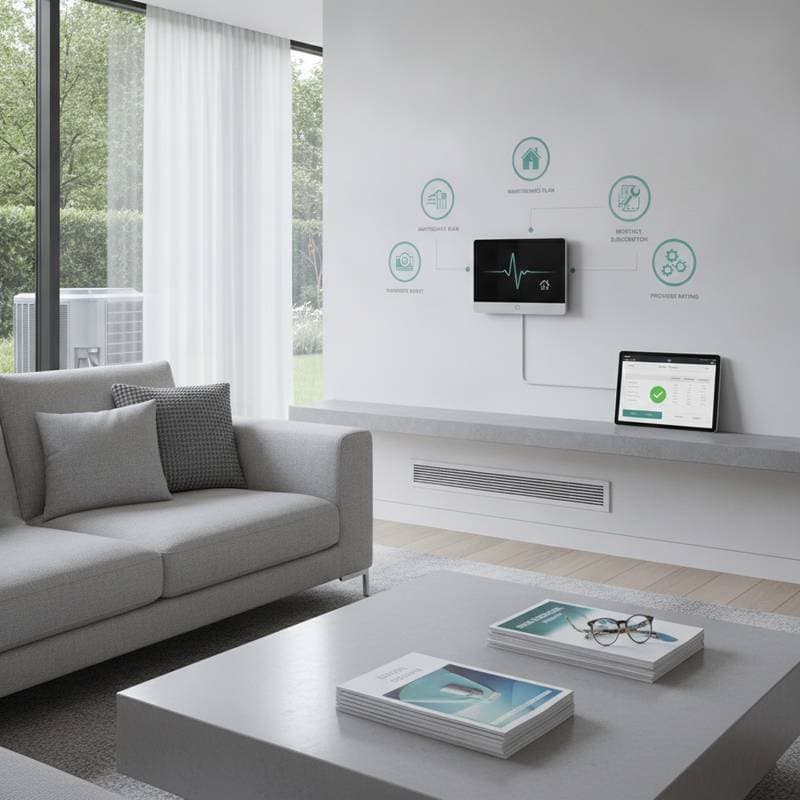
Predictive HVAC applications integrate sensors, intelligent thermostats, and cloud analytics to oversee system operations. They collect information on elements such as temperature fluctuations, airflow rates, humidity levels, compressor operations, and energy consumption. Advanced algorithms analyze this data to recognize patterns signaling wear, refrigerant leaks, or efficiency drops. Alerts arrive promptly, enabling intervention before any part malfunctions completely.
This approach shifts maintenance from reactive responses to informed, proactive strategies. Homeowners avoid unexpected disruptions and associated expenses.
Advantages of Predictive HVAC Maintenance
These applications provide tangible improvements in financial, operational, and comfort aspects of home climate control.
1. Reduced Emergency Repairs: Early detection of minor faults prevents escalation to severe damage, which might otherwise require thousands in replacement parts and technician fees.
2. Prolonged Equipment Durability: Regular oversight minimizes strain on vital components, potentially adding three to five years to the system's service life.
3. Decreased Energy Expenses: Optimized performance maintains high efficiency levels, frequently reducing electricity or gas usage by 10 to 20 percent.
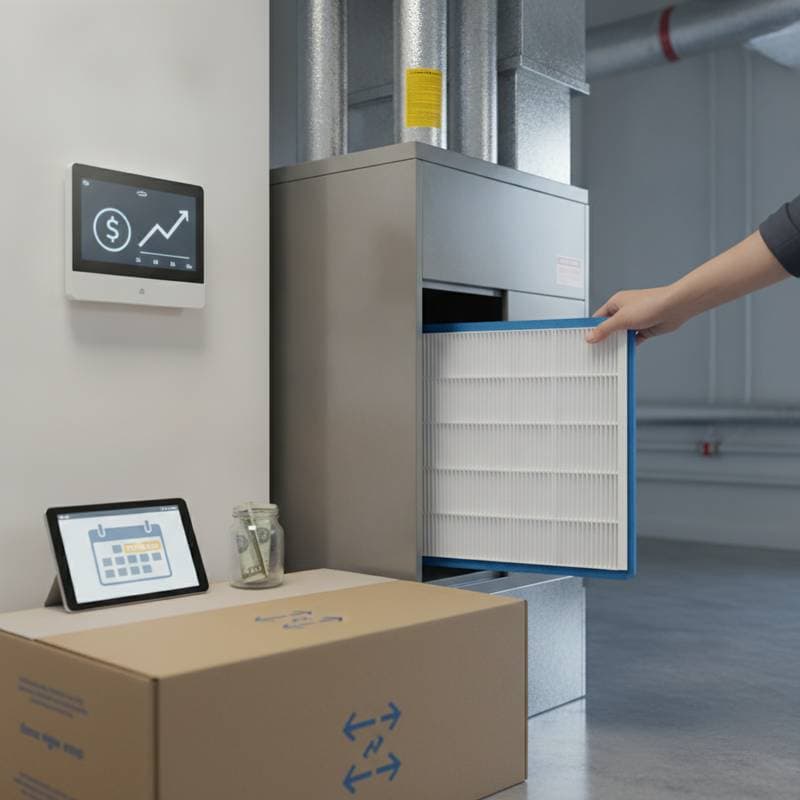
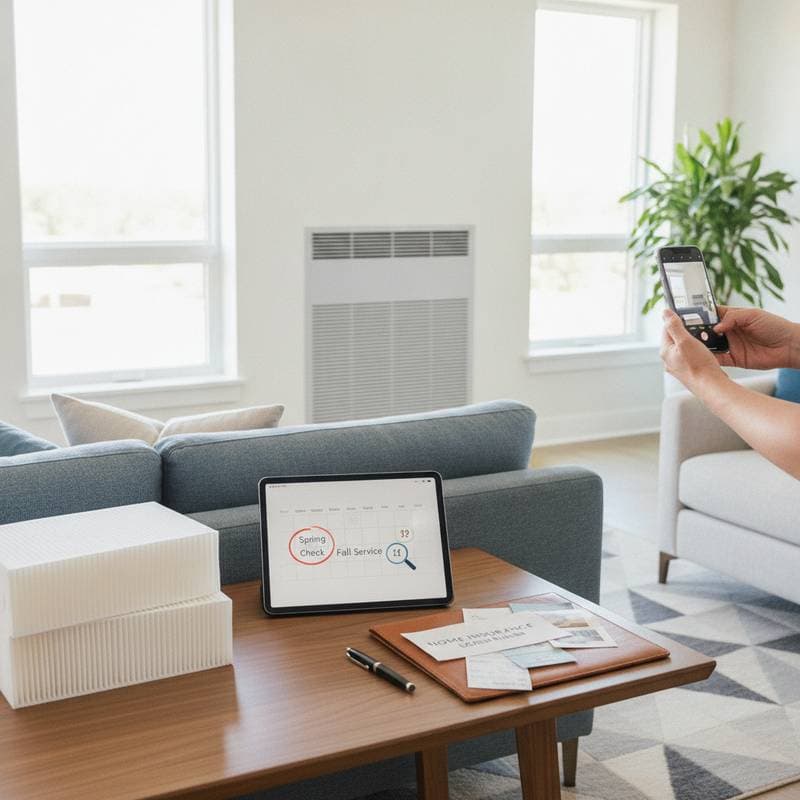
4. Efficient Maintenance Planning: Services occur solely based on actual needs, eliminating wasteful visits and conserving both time and resources.
5. Enhanced Indoor Comfort and Air Quality: Steady operation delivers uniform temperatures, improved circulation, and filtration that keeps air fresher and healthier.
Essential Factors for Effective Predictive Maintenance
Success with these apps depends on several critical elements. Awareness of these allows selection of suitable technology and optimization of outcomes.
Sensor Precision
Superior sensors offer exact measurements of pressure, airflow, and temperature variations. Poor quality units risk generating misleading alerts or overlooking genuine concerns, underscoring the value of durable, certified equipment.
Data Collection Rate and Scope
Frequent sampling, such as every 10 to 30 seconds, enables swift issue identification. Infrequent updates delay responses, reducing the system's preventive capabilities.
Compatibility with Intelligent Thermostats
Seamless linkage with devices like Nest or Ecobee allows analysis of daily patterns, automatic optimizations, and comprehensive efficiency summaries.
Expert Installation and Adjustment
Correct positioning of sensors and accurate data calibration demand professional involvement. A certified HVAC specialist ensures peak performance and dependability from the outset.
Varieties of Predictive HVAC Applications
Options vary to suit different setups and priorities. Consider your current equipment when selecting.
1. Cloud-Based Monitoring Platforms
These services aggregate sensor inputs and perform analysis remotely. Users access intuitive dashboards, visual trend analyses, and instant mobile notifications.
Pros: Remote accessibility, ongoing enhancements, immediate data visibility
Cons: Dependence on reliable internet, recurring subscription charges
2. Integrations with Smart Thermostats
Certain thermostats embed predictive capabilities to observe consumption and operational norms.
Pros: Straightforward setup, intuitive controls, minimal initial investment
Cons: Restricted to supported hardware, shallower analytical depth
3. Provider-Supported Subscription Services
HVAC firms often include remote monitoring in maintenance agreements, with experts handling oversight and interventions.
Pros: Professional monitoring, seamless service coordination, superior precision
Cons: Higher fees, reliance on specific company infrastructure
Indicators That Predictive Maintenance Is Necessary
Consider adopting these tools if your system exhibits these patterns:
-
Repeated malfunctions or expensive fixes
-
Inconsistent room temperatures
-
Rising utility costs despite stable habits
-
Frequent on-off cycles or unusual sounds
-
Fluctuating thermostat displays
-
Absent or sporadic service records
Addressing these through predictive methods stabilizes operations and averts escalating problems.
Installation Process Overview
A skilled technician handles setup efficiently. The sequence typically includes:
-
System Evaluation: Review of age, size, and key parts to tailor the solution.
-
Sensor Installation: Placement on essential areas like the compressor, fan assembly, and ductwork.
-
Application Configuration: Linking the software to hardware for seamless data flow.
-
Performance Tuning: Testing sensors against known standards to confirm reliability.
-
Ongoing Oversight: Delivery of regular reports, anomaly warnings, and tailored advice via mobile devices.
Associated Expenses for Labor and Subscriptions
Initial setup by professionals ranges from $150 to $400, influenced by system intricacy and sensor count. Monthly app fees fall between $10 and $50, often integrated into yearly service packages. Long-term gains from averted repairs and efficiency improvements typically recover these investments within one to two years.
Common Questions on Predictive HVAC Applications
How do predictive apps reduce HVAC failures?
They monitor vital metrics around the clock and notify users of deviations from established norms. This facilitates timely adjustments or repairs, averting complete breakdowns.
Are predictive maintenance apps compatible with older HVAC systems?
Yes, many apps work with legacy systems through adaptable sensors or basic connectivity kits. Compatibility assessments during installation confirm suitability.
Can predictive apps replace professional maintenance?
No, they enhance rather than substitute expert services. Apps identify needs, but technicians perform the physical work for safety and warranty compliance.
Do predictive apps work with all types of HVAC systems?
Most central, ducted, and smart systems integrate well, though specialized units like geothermal may require custom adaptations. Verify with the provider.
How secure is the data from predictive HVAC apps?
Reputable apps employ encryption, secure cloud storage, and compliance with standards like GDPR. Select established vendors to protect personal and system information.
Implement Predictive Tools to Secure Your Home Comfort
Transitioning to predictive HVAC maintenance empowers homeowners with foresight and control. Start by assessing your current setup and consulting a local specialist. These apps not only minimize failures but also foster sustainable, cost-effective living. Invest today for enduring reliability and peace of mind.